Back
Back
CE / CME
DeLIVERing Prevention: Optimizing Uptake of Hepatitis A and B Vaccination
Pharmacists: 1.00 contact hour (0.1 CEUs)
Physicians: maximum of 1.00 AMA PRA Category 1 Credit™
Nurse Practitioners/Nurses: 1.00 Nursing contact hour
Released: June 03, 2026
Expiration: June 02, 2027


Activity
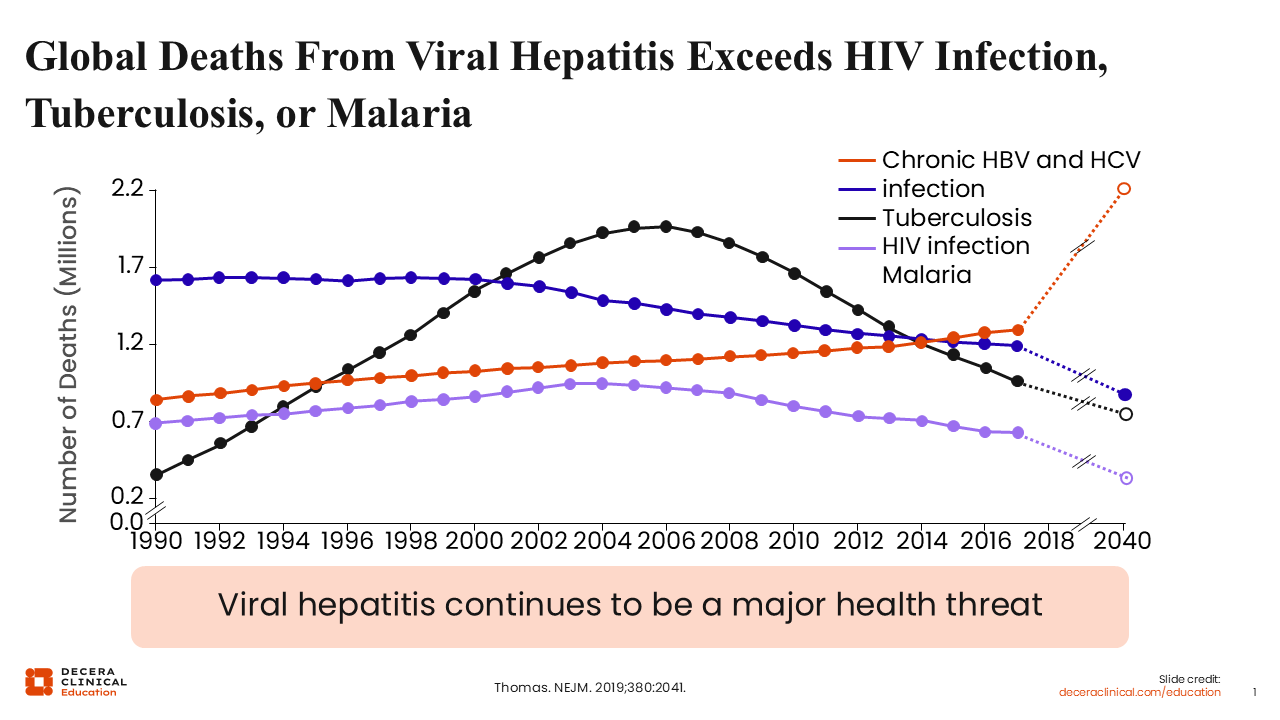
Global Deaths From Viral Hepatitis Exceeds HIV Infection, Tuberculosis, or Malaria
Paul Y. Kwo, MD:
Recent data demonstrate that viral hepatitis, despite enormous advances in treatment and prevention, continues to contribute substantially to global mortality. In fact, global deaths from viral hepatitis now exceed those from other major infectious diseases, including HIV, tuberculosis, and malaria.1
Continued interventions are required to mitigate negative outcomes associated with hepatitis viruses, particularly because these infections can, and should, be prevented and treated.
Hepatitis A Burden of Disease
Paul Y. Kwo, MD:
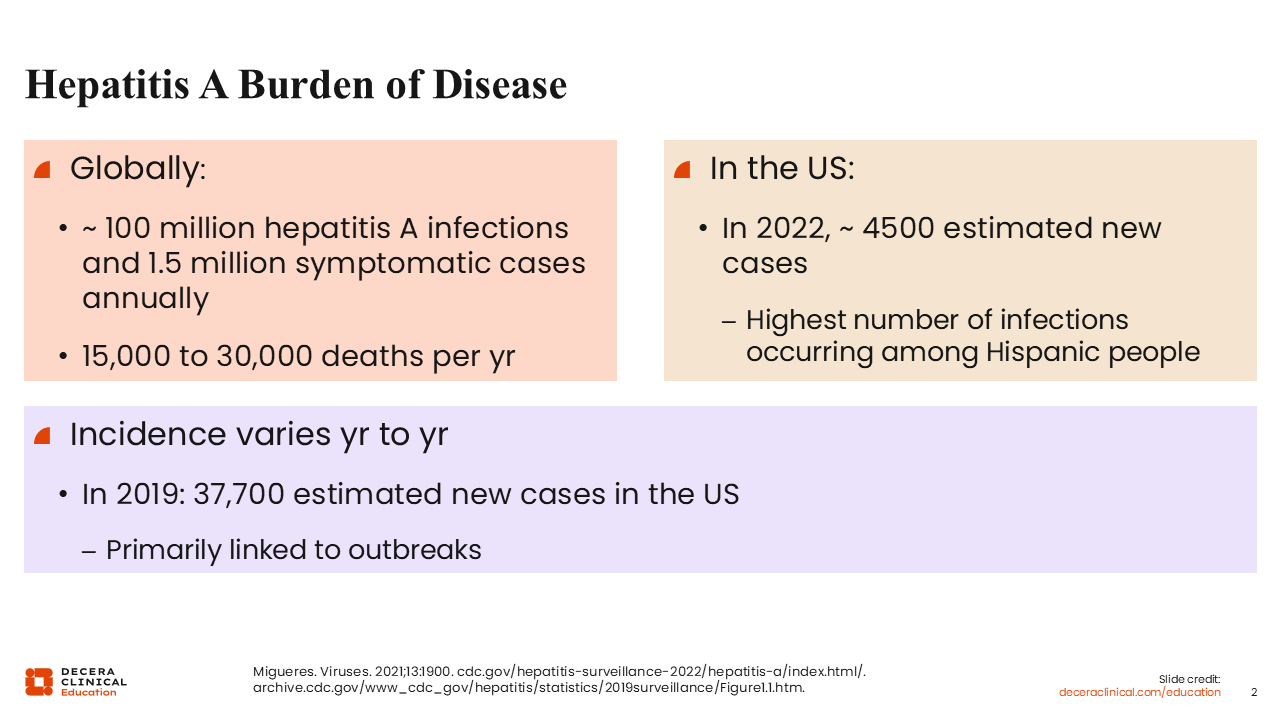
Globally, the incidence of HAV infection is high, and in the United States, the highest number of infections occurred among Hispanic individuals.2
Despite progress with vaccination and treatment, incidence varies year to year. For example, in 2019, there was a spike in estimated new cases in the United States, primarily linked to outbreaks.3,4
Hepatitis A Virus Epidemiology and Clinical Features
Paul Y. Kwo, MD:
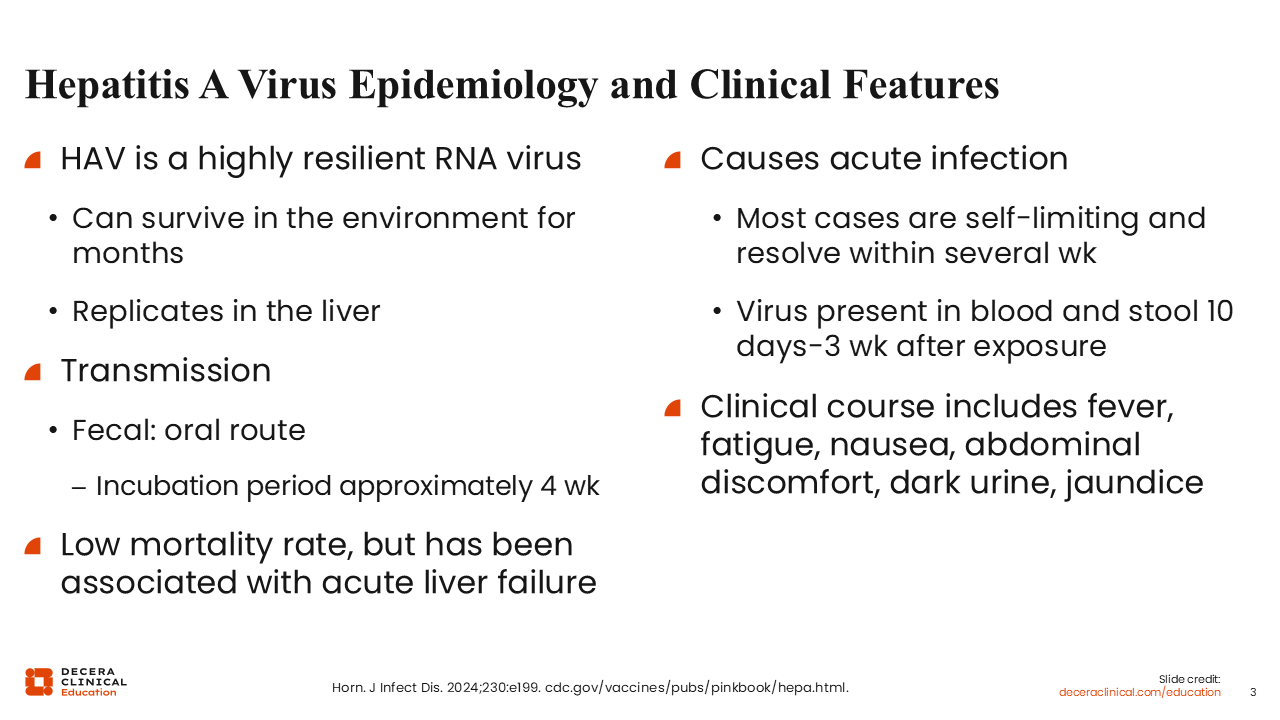
A key reason HAV vaccination is so important is that hepatitis A is a highly resilient RNA virus. This virus can survive in the environment for months, even under extreme conditions. HAV is hepatotropic, meaning that it replicates in the liver and is transmitted predominantly through the fecal–oral route, with an incubation period of approximately 4 weeks.5,6
With the injection drug use epidemic in the United States, transmission through injection drug use can occur, although this is not the predominant mode of transmission.5,6
Fortunately, most HAV infections are acute, self-limited infections with no chronic phase, usually resolving within several weeks. The virus is present in blood and stool from approximately 10 days to 3 weeks after exposure.5,6
Although mortality associated with acute HAV infection is low, individuals with poor underlying liver health and in certain other rare circumstances can develop acute liver failure requiring transplant evaluation. In addition, individuals who are not vaccinated and have advanced liver disease before HAV infection may develop acute-on-chronic liver failure–type decompensation following acute infection.5,6
Hepatitis A Risk Factors and Vulnerable Populations
Paul Y. Kwo, MD:
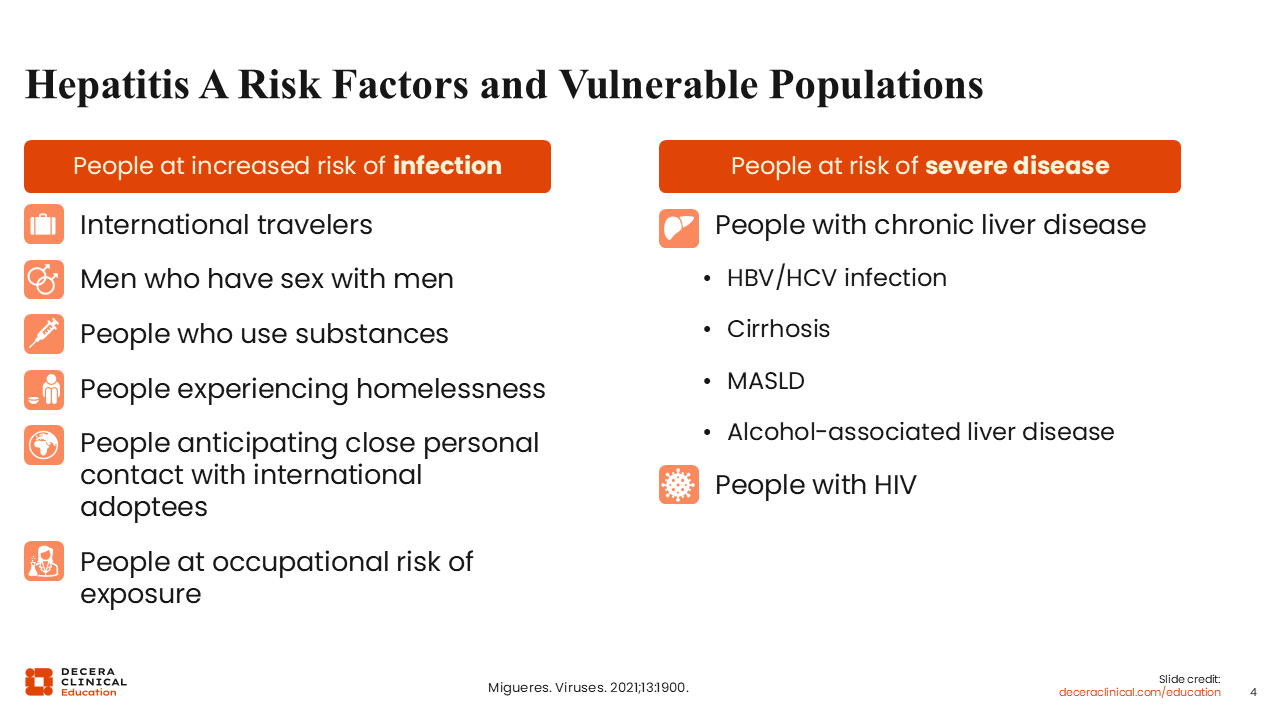
It is important to address and vaccinate individuals at increased risk for HAV infection.2
In addition, certain populations are at increased risk for severe disease, including individuals with chronic liver disease. In the United States, steatotic liver disease is the dominant liver disease, including metabolic dysfunction–associated steatotic liver disease and alcohol-associated liver disease.7 Acute HAV infection superimposed on steatotic liver disease is associated with more severe outcomes, as is coinfection with HIV.2
Importance of Vaccination in Hepatitis A Elimination Efforts
Paul Y. Kwo, MD:
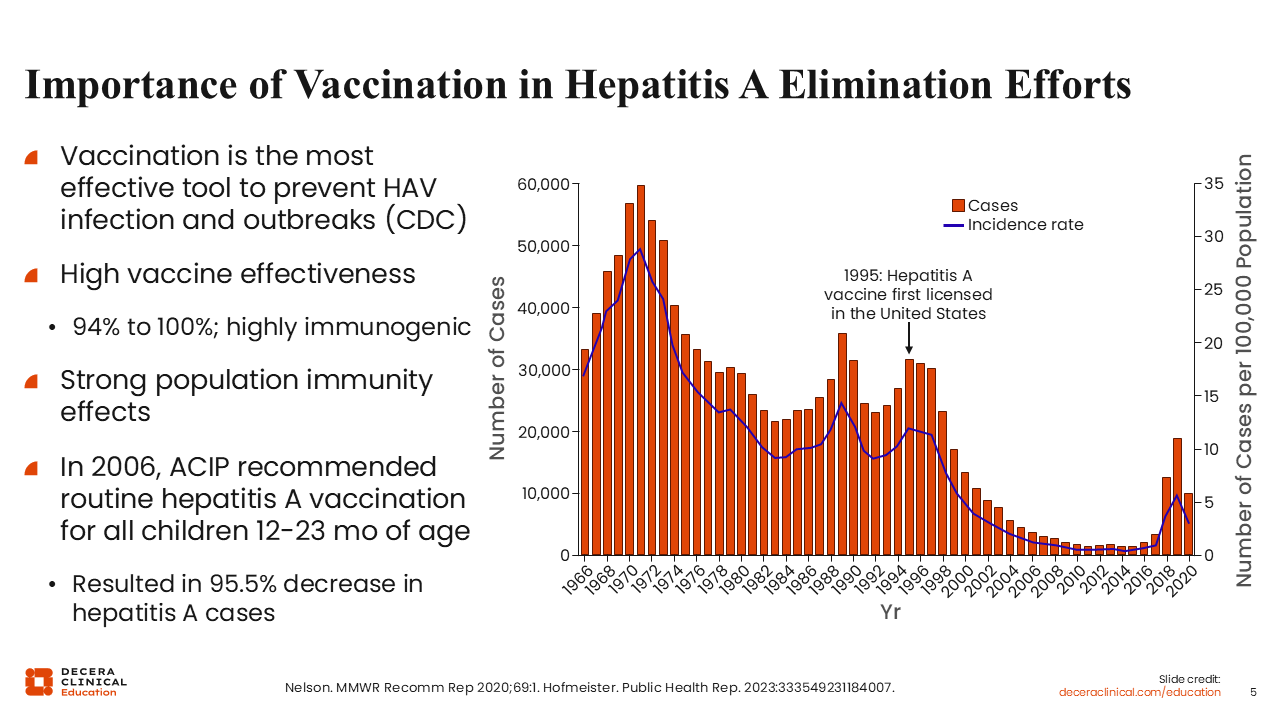
Vaccination remains the most effective tool to prevent HAV infection and outbreaks. The vaccine is highly effective, and it also produces strong population immunity effects.8
Because of the success of the HAV vaccine, the Advisory Committee on Immunization Practices (ACIP) recommended routine HAV vaccination for all children aged 12-23 months. As shown in this graph, deployment of HAV vaccination has resulted in substantial improvements in outcomes, including a 95.5% reduction in HAV cases in the United States.
Although there was a recent increase associated with outbreaks, the overall number of HAV cases has declined dramatically because of the availability of a highly effective vaccine.9
Hepatitis B Virus Epidemiology and Clinical Features
Paul Y. Kwo, MD:
Let’s transition to HBV and briefly review this virus’s epidemiology and clinical features.
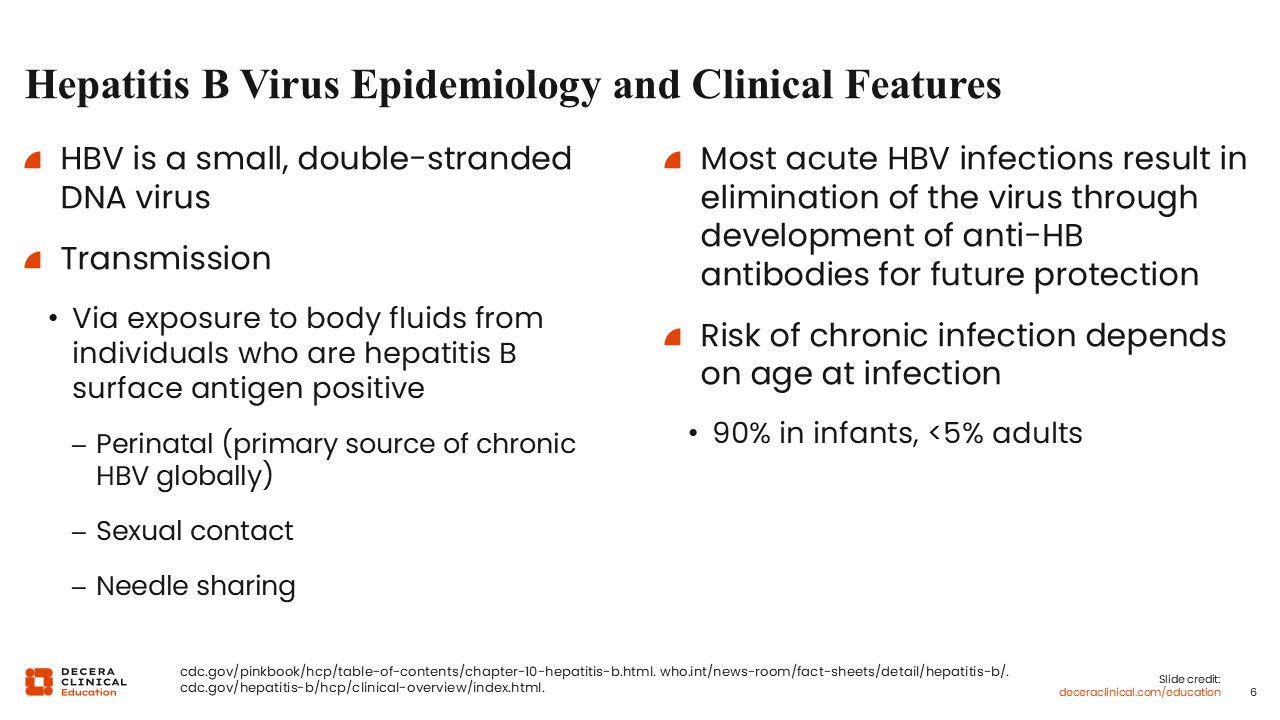
HBV is the only double-stranded DNA virus that is primarily hepatotropic. It is transmitted predominantly through body fluids from individuals who are HBsAg positive.
Worldwide, the predominant mode of transmission is perinatal transmission. However, after childhood, common routes of transmission include sexual contact, needle sharing, and syringe sharing.10,11
The dominant risk factor for HBV infection becoming chronic is age at infection.
In adults, most acute HBV infections result in viral elimination through the development of hepatitis B surface antibodies, which provide protection against future HBV infection. Fewer than 5% of adult HBV infections go on to be chronic.
But in infants, chronicity rates are dramatically higher, exceeding 90%. Children infected between 1 and 5 years of age have an approximately 30% chance of developing chronic infection.12
This stark difference highlights the importance of HBV vaccination, particularly for infants and pregnant people.
Hepatitis B Burden of Disease
Paul Y. Kwo, MD:
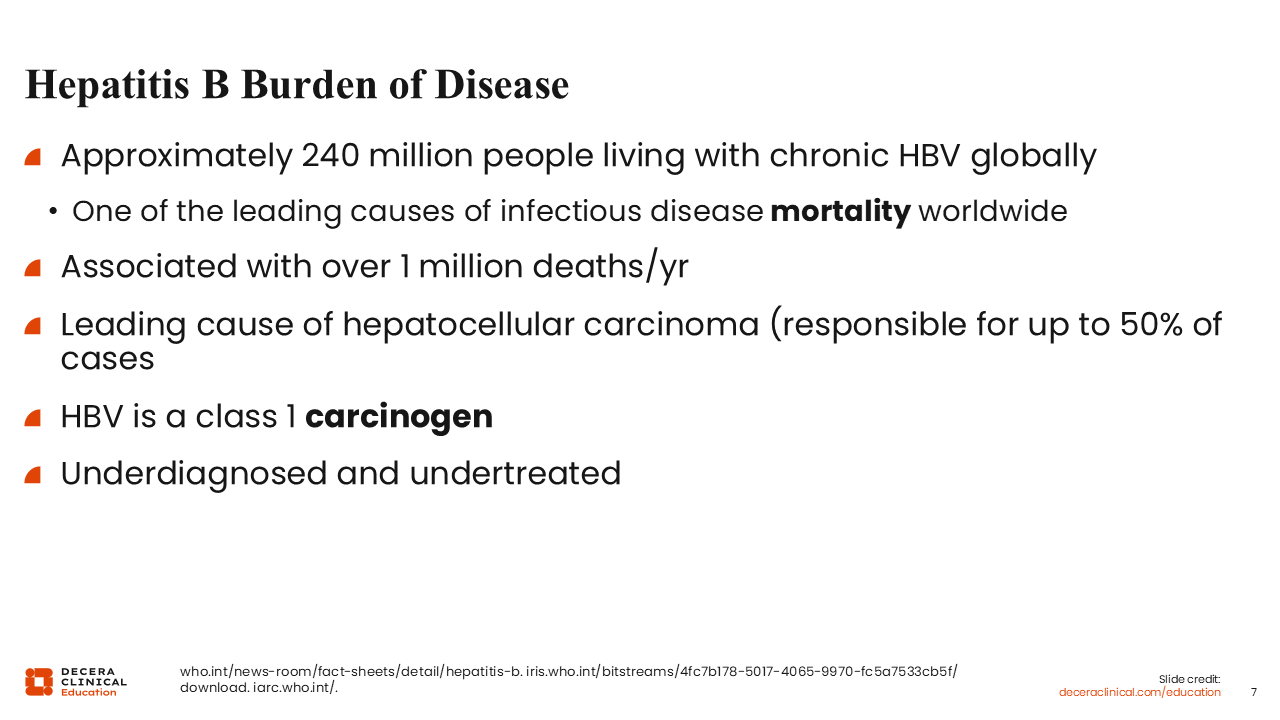
HBV remains one of the leading causes of infectious disease mortality worldwide and is associated with more than 1 million deaths per year.
HBV also remains the leading cause of hepatocellular carcinoma (HCC), accounting for approximately one half of HCC cases worldwide. In fact, HBV has been classified as a class I carcinogen.11,13,14
CHB Prevalence Among Foreign-Born and US-Born Adults in the US
Paul Y. Kwo, MD:
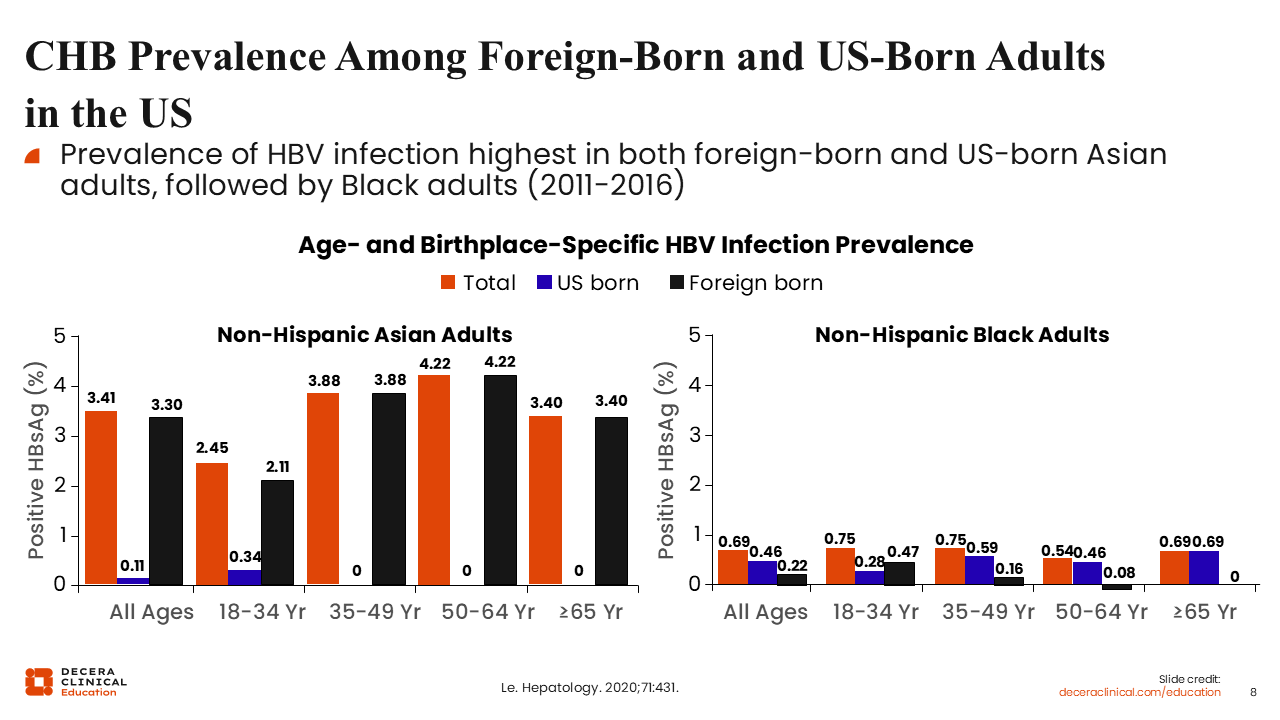
When we examine the epidemiology of chronic hepatitis B in the United States, prevalence is driven primarily by foreign-born and US-born Asian adults and, to a lesser extent, foreign- and US-born Black adults.15
Among non-Hispanic Asian adults, HBV prevalence is highest by far among foreign-born individuals of all ages. US-born individuals represent a smaller proportion and tend to be younger. Among non-Hispanic Black adults, both US-born and foreign-born populations contribute substantially to the burden of chronic HBV infection, although the proportion of US-born individuals with chronic HBV increases with age.15
Jewel Mullen, MD, MPH, MPA, FACP:
Looking at the data among non-Hispanic Black adults, particularly the younger age distribution, it raises the question of whether there are additional opportunities to increase surveillance among individuals with other conditions, such as HIV infection, who should also be screened for hepatitis. It also highlights the importance of considering additional risk factors for HBV as we care for adult patients.
Paul Kwo, MD:
I agree completely. None of these diseases occurs in a vacuum, and I believe we should therefore take a holistic approach to screening. This means that when we screen at-risk populations, we should screen across multiple diseases, particularly because effective therapies are available for many of them. These data suggest that we need to strengthen our surveillance efforts in these populations.
Importance of Vaccination in Hepatitis B Elimination Efforts
Paul Y. Kwo, MD:
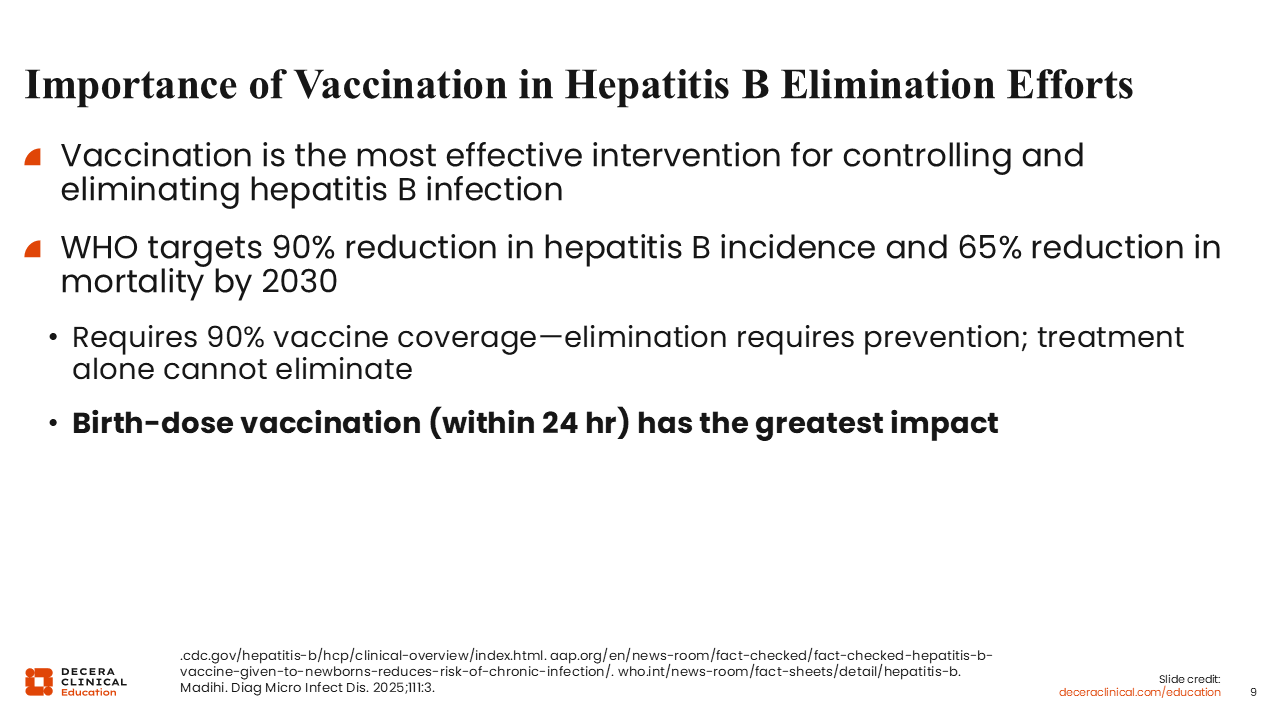
Vaccination remains the most effective intervention for controlling and eliminating HBV infection.
The WHO has established ambitious targets to eliminate viral hepatitis as a public health threat. Achieving these targets will require approximately 90% vaccine coverage because elimination requires prevention, and treatment alone will not eliminate HBV as a contributor to global mortality. Birth-dose vaccination, especially when administered within 24 hours of birth, has the greatest impact on achieving this goal.11,12,16,17
Su Wang, MD, MPH, FACP:
On that note, the most recent Global Hepatitis Report was released at the end of April and included updated information regarding elimination targets.
Although there has been some progress, substantial gaps remain. Approximately 27.0% of individuals with HBV infection have been diagnosed, and only 4.3% have been treated. In addition, as shown in the earlier graph, deaths from HBV infection now exceed those from HIV infection. All of this reinforces the importance of vaccination and prevention.18
Example From Taiwan: Benefits of Universal Vaccination
Paul Y. Kwo, MD:
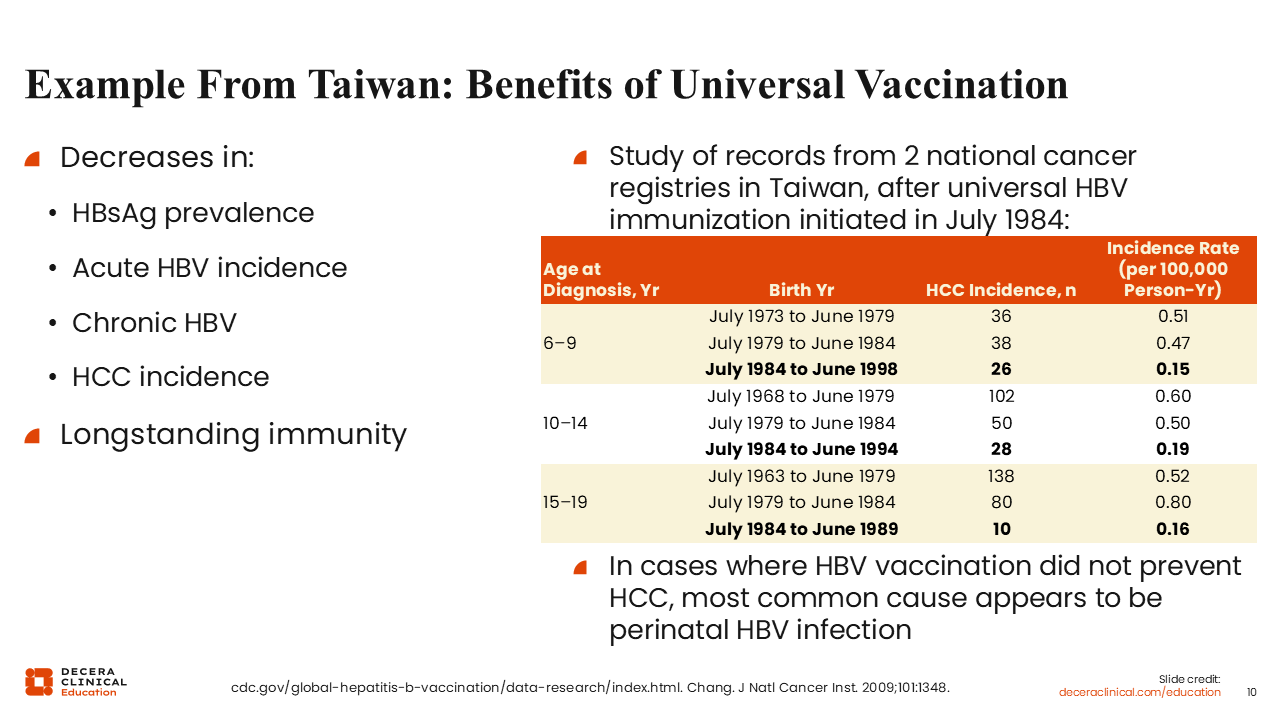
This study from Taiwan illustrates the benefits of universal vaccination. Investigators evaluated records from 2 national cancer registries after implementation of universal HBV immunization in July 1984.19
Compared with earlier eras before HBV vaccination was available, the study reported reductions in HCC incidence during the postvaccination period across multiple age groups, including ages 6-9 years, 10-14 years, and 15-19 years. These reductions persisted as the vaccinated cohorts aged.19
Effect of Nationwide HBV Vaccination and Antiviral Therapy Programs on End-Stage Liver Disease Burden in Taiwan
Paul Y. Kwo, MD:
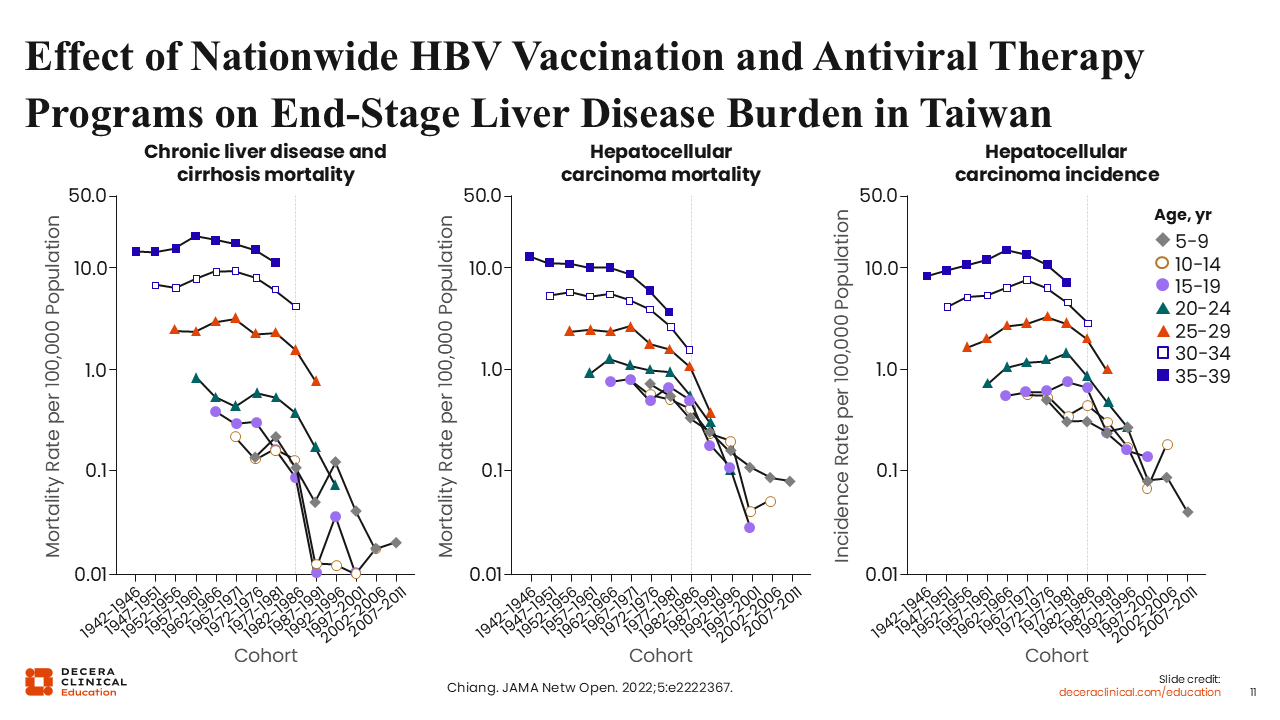
Another study evaluated the effects of nationwide HBV vaccination and antiviral therapy programs on end-stage liver disease burden in Taiwan.20
With implementation of a national HBV vaccination strategy, substantial reductions were observed over time in chronic liver disease and cirrhosis mortality, HCC mortality, and HCC incidence through 2011.20
Key Points
Paul Y. Kwo, MD:
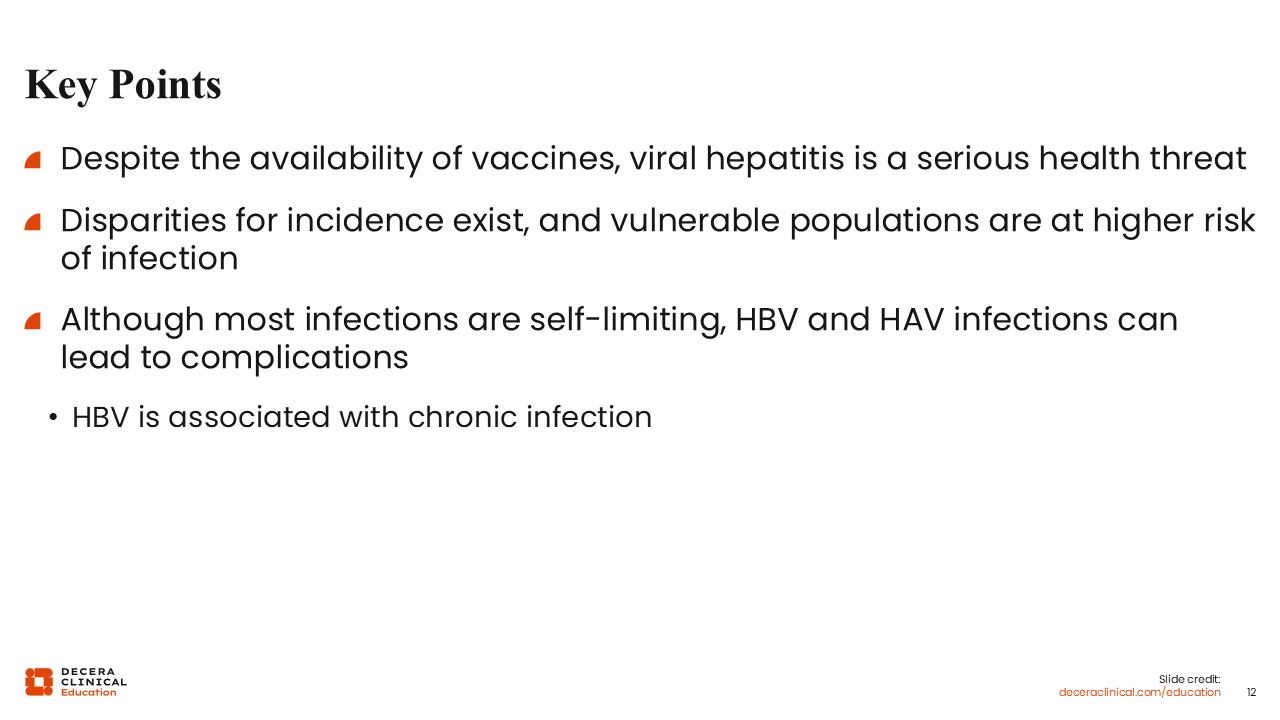
Ultimately, despite the availability of effective vaccines, viral hepatitis remains a serious health threat. Disparities in incidence persist, and vulnerable populations remain at higher risk of infection. These are populations we must continue to identify and vaccinate.
Although many infections are self-limited, both HBV and HAV can lead to significant complications, ranging from chronic HBV infection to severe presentations of acute viral hepatitis, including acute liver failure.
HBV in particular is associated with chronic infection, especially following perinatal and infant infection, although adults also remain at risk for chronic infection. Fortunately, effective interventions are available that can substantially reduce and mitigate these risks.