Back

CE / CME
Advances in Metastatic Castration-Resistant Prostate Cancer: Biomarker-Driven Treatment Strategies and Emerging Therapeutic Approaches
ABIM MOC: maximum of 0.50 Medical Knowledge MOC point
Physicians: Maximum of 0.50 AMA PRA Category 1 Credit™
Released: July 20, 2026
Expiration: January 19, 2027

Activity
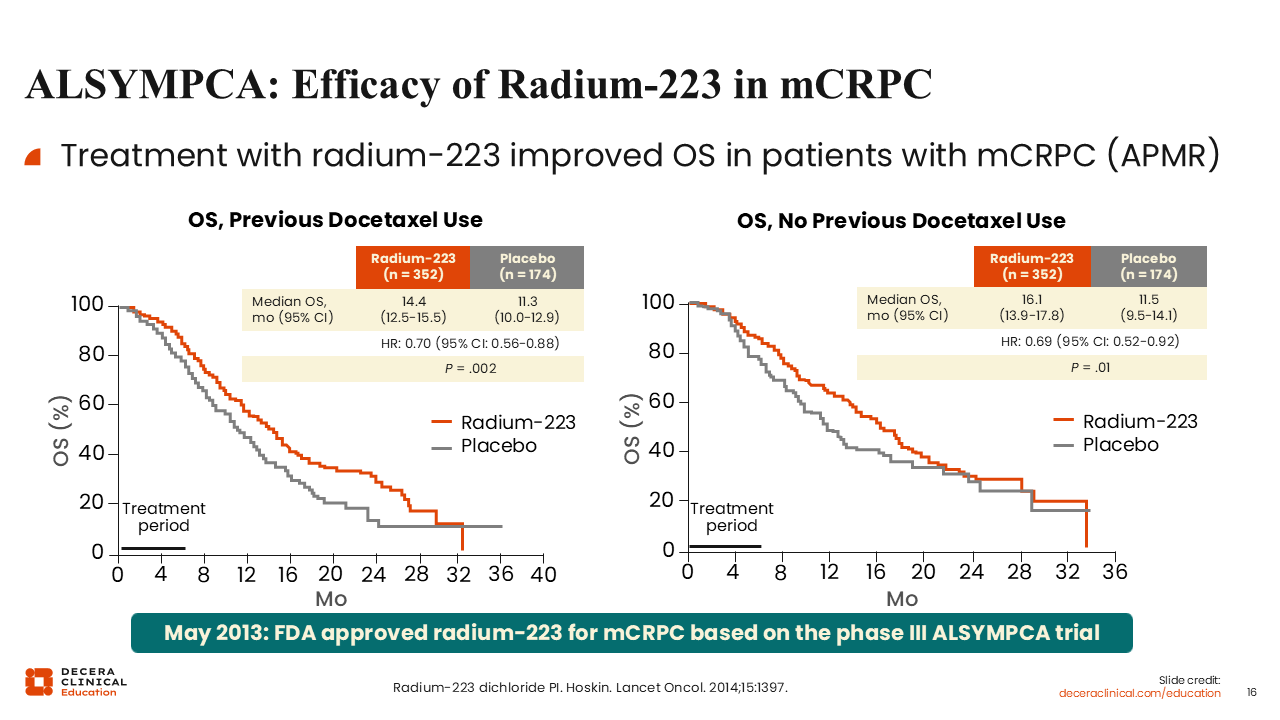
ALSYMPCA: Efficacy of Radium-223 in mCRPC
One of the earliest radiopharmaceutical trials in mCRPC was ALSYMPCA, which evaluated radium-223, an α-emitting radiopharmaceutical, vs standard of care (SoC). Radium-223 is indicated for patients with CRPC, symptomatic bone metastases, and no known visceral metastatic disease.14
In the overall ALSYMPCA population, radium-223 improved median OS from 11.3 to 14.9 months. Treatment consisted of 6 injections administered every 4 weeks with no defined end. Radium-223 is administered by authorized personnel in a designated clinical setting, and complete blood counts should be obtained before treatment and before each dose because of the risk of myelosuppression.14
In analyses by prior docetaxel exposure, patients benefited from radium-223 regardless of prior docetaxel exposure. The observed median OS benefit was 4.6 months in patients without prior docetaxel and 3.1 months in those with prior docetaxel.15
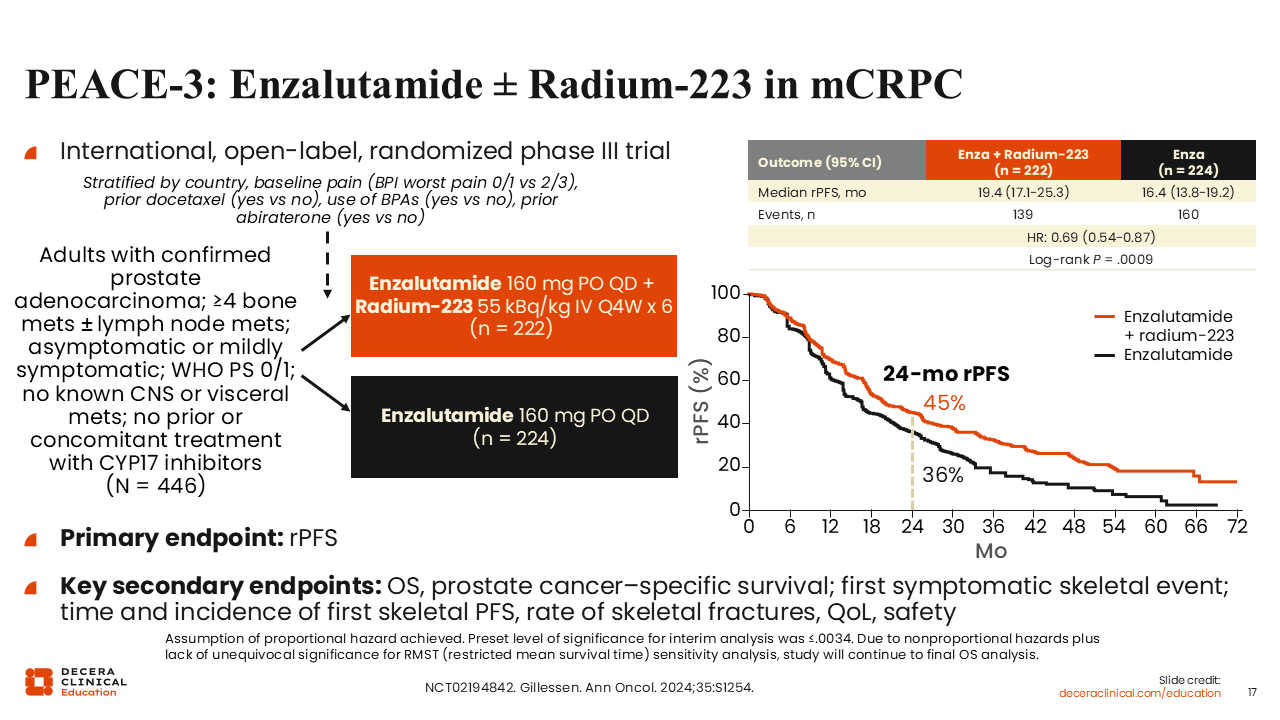
PEACE-3: Enzalutamide ± Radium-223 in mCRPC
The phase III PEACE-3 trial evaluated enzalutamide plus radium-223 vs enzalutamide alone in patients with mCRPC, many of whom had previously received ADT in the hormone-sensitive setting. Patients had 4 or more bone metastases and no visceral metastases.
Enzalutamide plus radium-223 outperformed enzalutamide alone in terms of rPFS, with an HR of 0.69.16 I think this is an important study because it supports the broader concept that combination strategies in mCRPC can be beneficial, similar to what was seen with PARP inhibitor combinations and doublet or triplet approaches in hormone-sensitive disease.
The key question is how to apply these findings today, since many patients now develop mCRPC after prior treatment intensification rather than ADT alone. For patients with bone-predominant disease, whether to switch or continue an ARPI and add radium-223 remains an important discussion point.
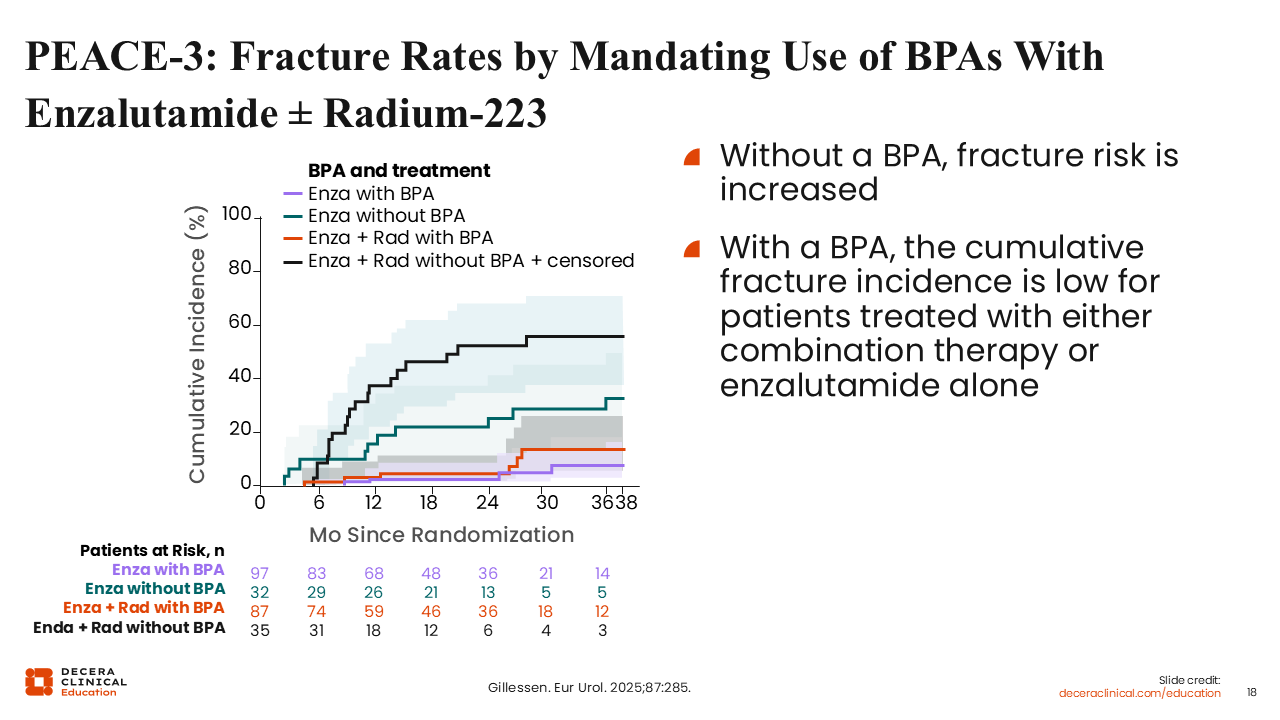
PEACE-3: Fracture Rates by Mandating Use of BPAs With Enzalutamide ± Radium-223
These findings underscored the importance of fracture rates by mandating the use of bone protective agents (BPAs) for all patients on ADT. This slide shows that without a BPA like denosumab or zoledronic acid, fracture risk is dramatically increased regardless of treatment with an ARPI such as enzalutamide with or without radium-223.17
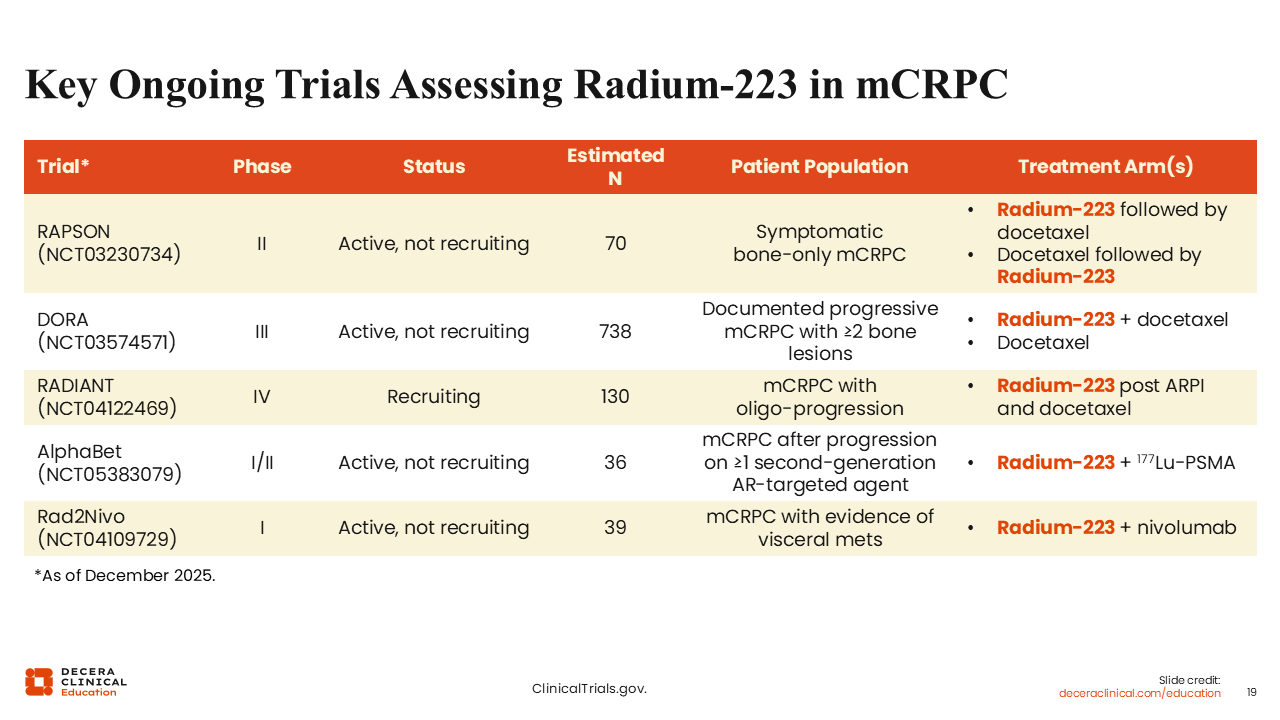
Key Ongoing Trials Assessing Radium-223 in mCRPC
Multiple trials were assessing radium-223 in mCRPC, including combinations and sequencing strategies. In parallel, other α-emitting approaches, including actinium-based agents, are being developed. The success of β-emitting PSMA-targeted radioligand therapy with 177Lu-PSMA-617 has helped establish radiopharmaceutical therapy as an important platform and has accelerated evaluation of additional agents and combinations.
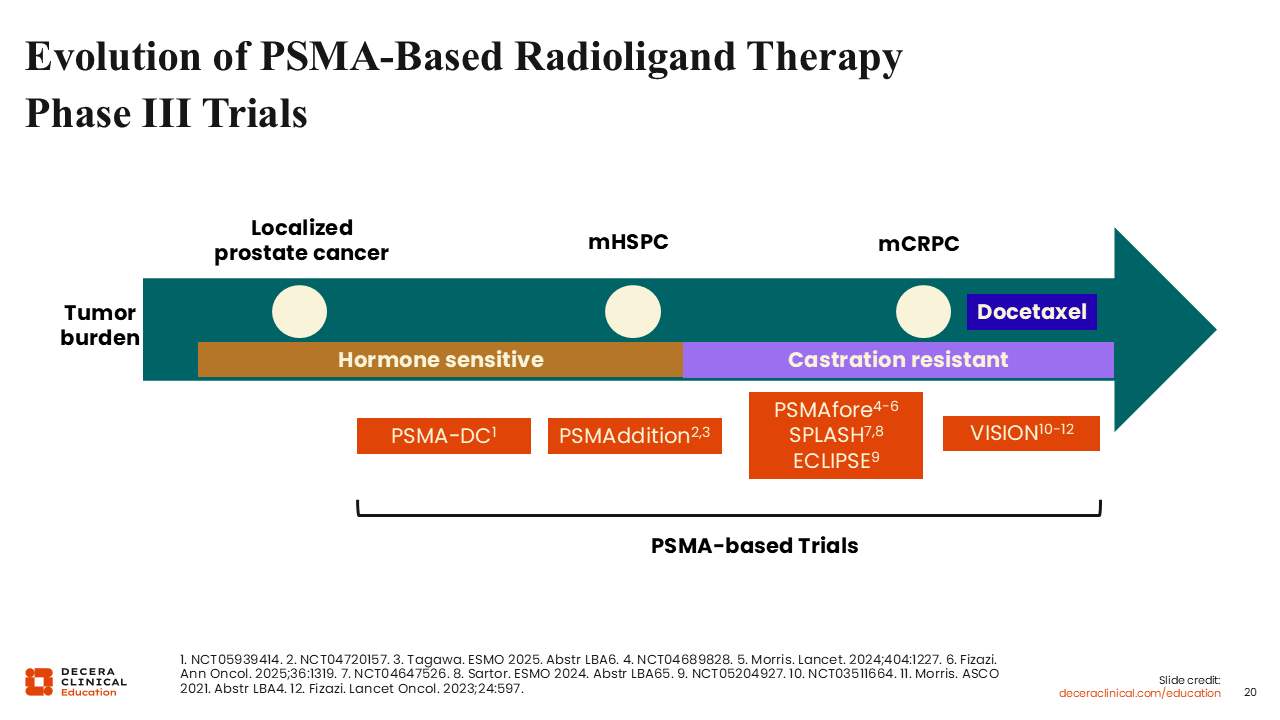
Evolution of PSMA-Based Radioligand Therapy Phase III Trials
This timeline illustrates the evolution of PSMA-targeted radioligand therapy. A major milestone was VISION, which evaluated 177Lu-PSMA-617 in patients with mCRPC previously treated with an ARPI and taxane-based chemotherapy. Subsequent phase III studies, including PSMAfore, SPLASH, and ECLIPSE, have evaluated PSMA-targeted radioligand approaches in earlier or adjacent mCRPC settings. PSMAddition has reported positive results in metastatic hormone-sensitive disease.
As these therapies become more widely integrated into clinical practice, they further emphasize the importance of a multidisciplinary team approach that includes urologists, medical oncologists, nuclear medicine physicians, and radiation oncologists.
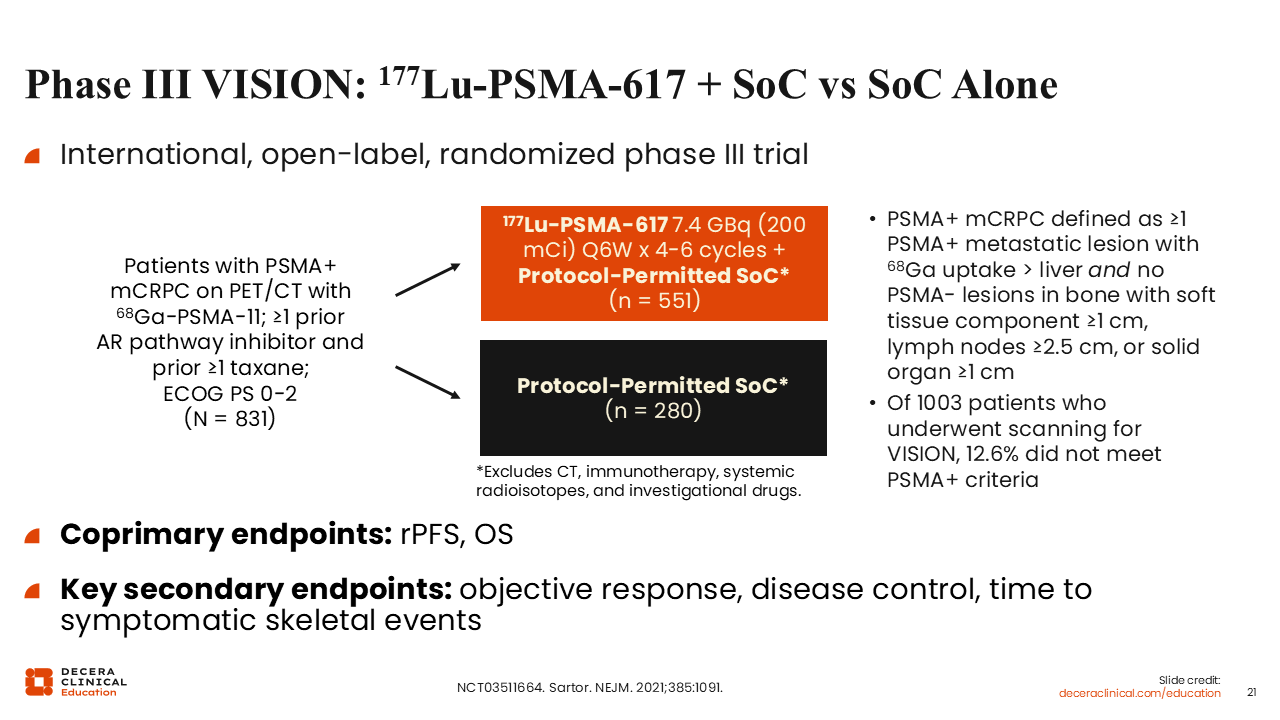
Phase III VISION: 177Lu-PSMA-617 + SoC vs SoC Alone
The phase III VISION trial evaluated lutetium 177 PSMA-617 plus SoC vs SoC alone. Patients received 4-6 cycles of lutetium 177 PSMA-617 plus SoC. Coprimary endpoints were rPFS and OS.18
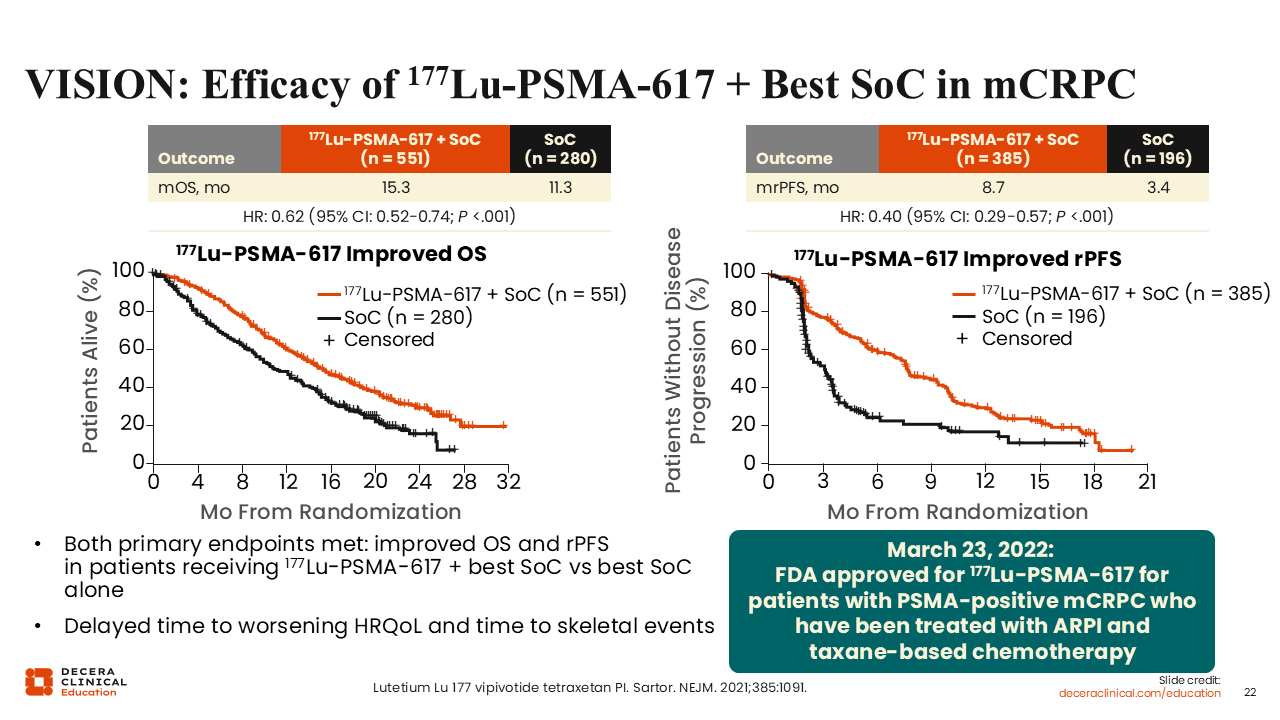
VISION: Efficacy of 177Lu-PSMA-617 + Best SoC in mCRPC
Median OS was 15.3 months with the addition of 177Lu-PSMA-617 vs 11.3 months with SoC alone (HR: 0.62). Median rPFS was 8.7 months with the addition of 177Lu-PSMA-617 vs 3.4 months with SoC alone (HR: 0.40), demonstrating the value of having multiple lines of life-prolonging therapies.
VISION enrolled a heavily pretreated population. In the 177Lu-PSMA-617 and SoC arms, respectively, 39.0% and 43.9% of patients had received 2 prior AR pathway inhibitors, and 44.9% and 46.9% had received 2 prior taxane regimens.18
This landmark study led to the 2022 FDA approval of 177Lu-PSMA-617 for patients with PSMA-positive mCRPC previously treated with an ARPI and taxane-based chemotherapy.19
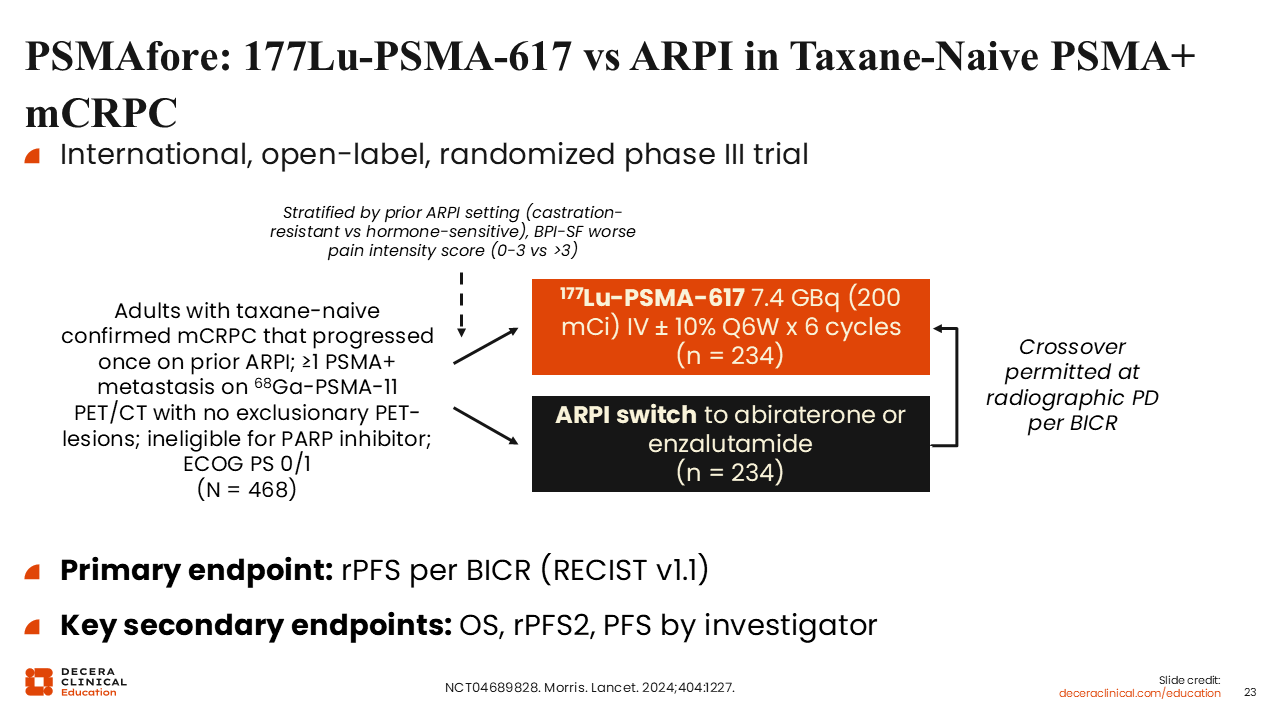
PSMAfore: 177Lu-PSMA-617 vs ARPI in Taxane-Naive PSMA+ mCRPC
The success of VISION established the role of 177Lu-PSMA-617 in post-taxane mCRPC and paved the way for subsequent trials, including PSMAfore, which evaluated the therapy in an earlier mCRPC setting.
PSMAfore enrolled patients with taxane-naive, PSMA-positive mCRPC that had progressed after 1 prior ARPI. Patients were randomized to 177Lu-PSMA-617 or a change in ARPI. Crossover was permitted at radiographic progression by BICR, which complicates interpretation of OS. The primary endpoint was rPFS by BICR.
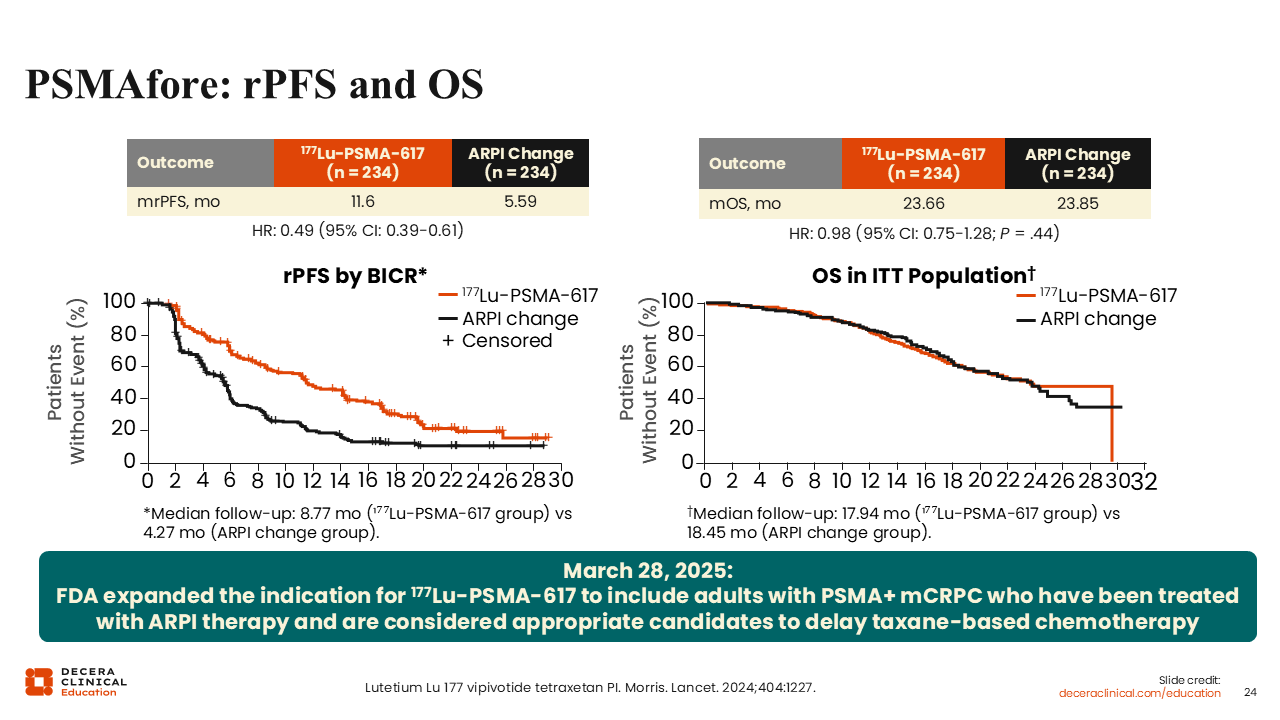
PSMAfore: rPFS and OS
PSMAfore demonstrated an rPFS benefit with 177Lu-PSMA-617 vs ARPI change, with an HR of 0.49. OS was not improved in the intention-to-treat analysis and was difficult to interpret because crossover was permitted.20
These findings supported the March 2025 FDA expansion of 177Lu-PSMA-617 to adults with PSMA-positive mCRPC who have been treated with ARPI therapy and are considered appropriate candidates to delay taxane-based chemotherapy.19
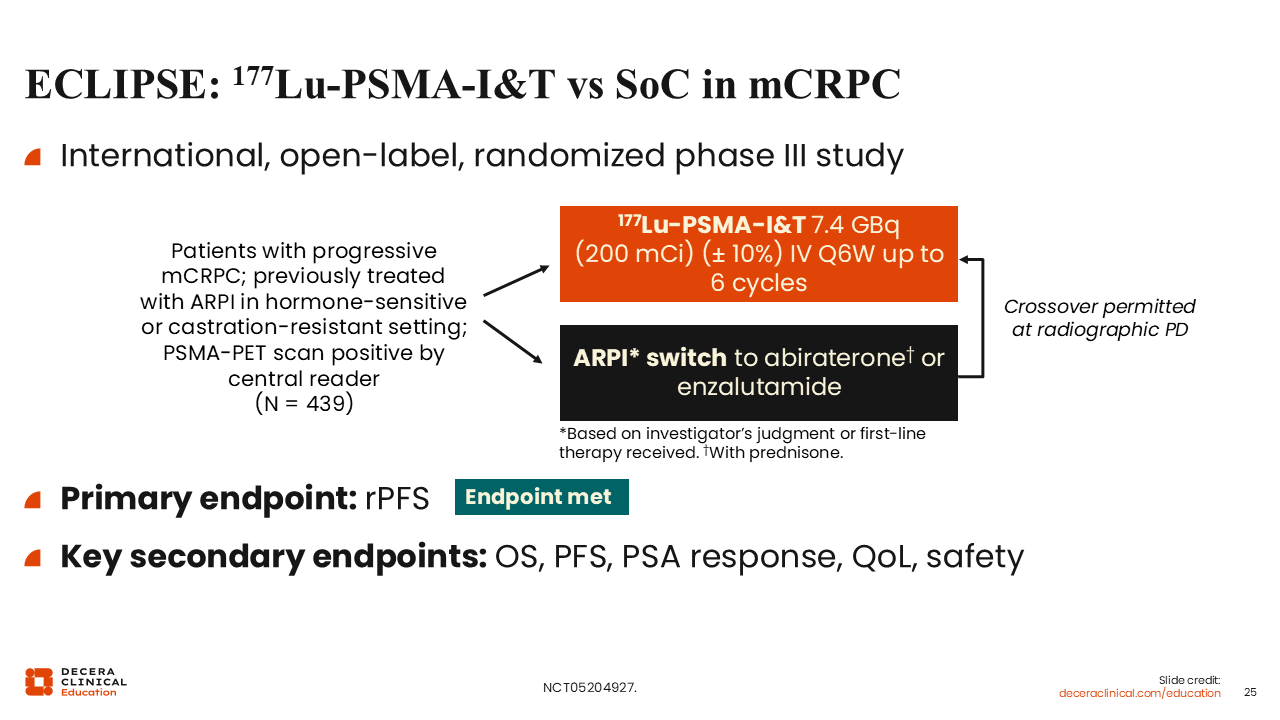
ECLIPSE: 177Lu-PSMA-I&T vs SoC in mCRPC
ECLIPSE is another phase III trial evaluating PSMA-targeted radioligand therapy, using lutetium-177 PSMA-I&T rather than 177Lu-PSMA-617. The study compares 177Lu-PSMA-I&T with SoC in patients with progressive PSMA-positive mCRPC after prior ARPI therapy. The primary endpoint is rPFS, with key secondary endpoints including OS, PFS, PSA response, quality of life, and safety.
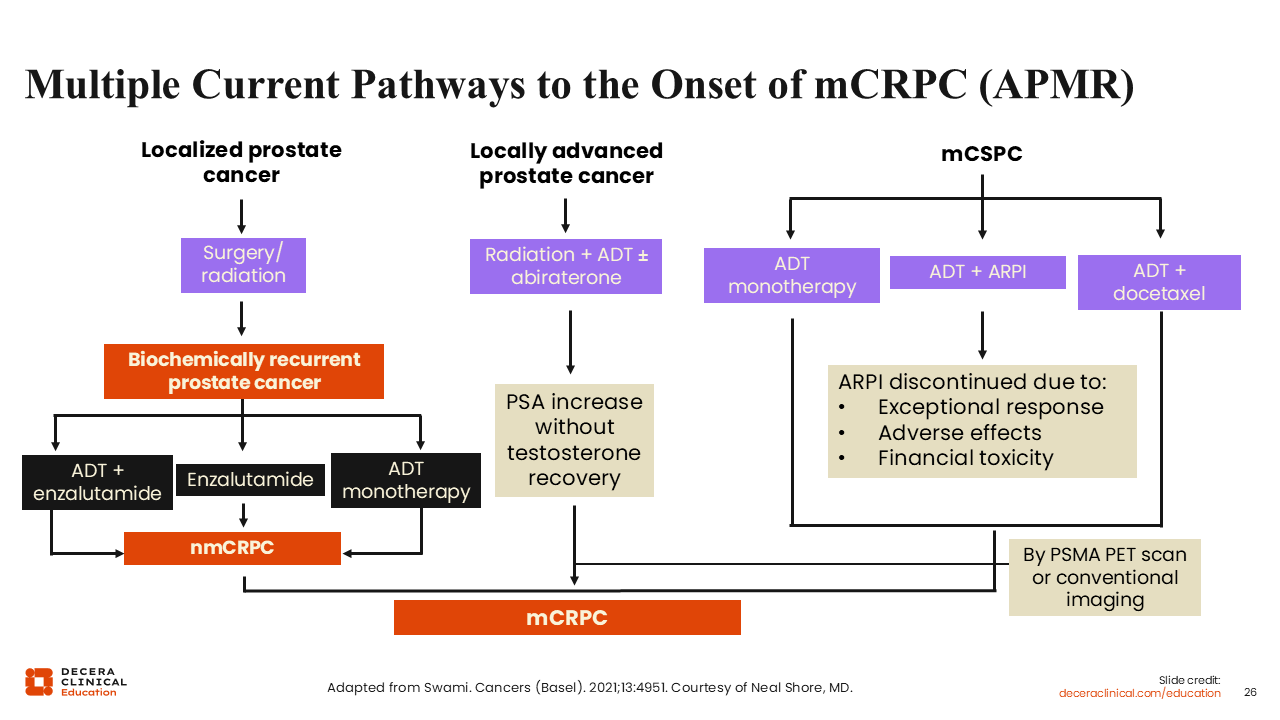
Multiple Current Pathways to the Onset of mCRPC (APMR)
As this algorithm illustrates, there are multiple pathways that can eventually lead to resistant disease, whether referred to as APMR or CRPC. Patients may begin with localized, locally advanced, or metastatic disease and receive different treatment approaches, including interventions for biochemical recurrence, oligometastatic disease, and doublet or triplet regimens in the hormone-sensitive setting.
Ultimately, once resistant disease develops, the disease course tends to accelerate. Many treatment pathways lead to mCRPC. We will now turn our attention to emerging mechanisms of action, ongoing clinical trials, and potential future treatment strategies.
Other Targeted Radionuclide Therapeutic Approaches Under Investigation in mCRPC (APMR)
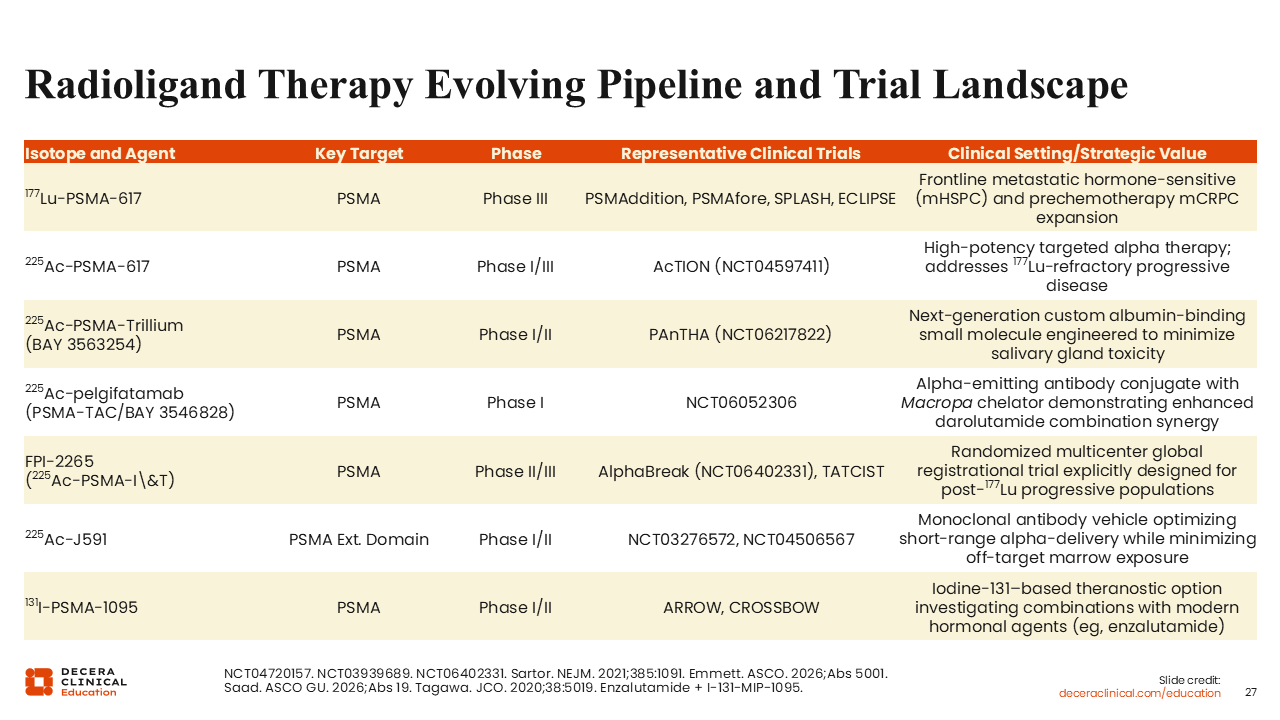
At present, there are no regulatory approvals for actinium. Several actinium-based trials are currently ongoing, including the PAnTHA trial on 225Ac-PSMA-Trillium, and the AlphaBreak trial on FPI-2265. There are nuanced differences among these agents in their mechanisms of action, linkers, and dosing schedules. What is particularly important is that these larger actinium-based agents have a different impact on DNA damage repair. There are concerns about differences in toxicity, potentially including greater salivary gland toxicity, but these remain highly active agents.
Other radiopharmaceuticals, including terbium- and lead-based molecules, are also being developed. This is a very fertile area of investigation.
Radioligand Therapy (RLT) Evolving Pipeline and Trial Landscape
This table nicely illustrates the evolving pipeline and trial landscape, including those mentioned above. We first saw the exceptional work from the VISION trial in the postchemotherapy setting, followed by trials in the prechemotherapy mCRPC population. Although this is not an exhaustive list, there are many different actinium-based agents currently under investigation.
We typically begin in the mCRPC population, but the question is whether these therapies can be moved into more treatment-sensitive disease. The fact that there are so many ongoing trials, both early- and late-phase, aimed at understanding how to help patients with resistant disease is extremely important.
It is important to remain cognizant of the impact on the bone marrow and salivary glands, while also considering patient, laboratory, clinical, and imaging parameters. Ultimately, thoughtful sequencing of these therapies will help patients maintain survival and, hopefully, preserve their quality of life.