Build Your Foundation
Strengthen your knowledge of evidence-based obesity care through live and on-demand education.
Complete at least 2 foundational activities.Obesity is a chronic, relapsing disease that requires timely assessment, individualized treatment, and long-term management. This Obesity Resource Hub provides up-to-date information on current and emerging obesity medications and practical strategies for personalized, guideline-concordant care.
As you build and apply your knowledge, you can also earn recognition through the Obesity Care Advancement Program (OCAP), to support the application of this obesity education into clinical practice and community engagement.

obesitymedicine.org

Barenbaum. J Endocr Soc. 2026

stopweightbias.com

obesitymedicine.org
The Obesity Care Advancement Program (OCAP) Recognition, endorsed by the Obesity Medicine Association (OMA) and the American College of Osteopathic Family Physicians (ACOFP), recognizes PCPs, nurse practitioners, and physician associates who strengthen their obesity care expertise and apply that learning through peer education, patient outreach, or community-based engagement.
OCAP is designed to help you move from education to application to a recognized leader in evidence-based obesity care.
Complete the required activities across the 3 steps below to earn OCAP Recognition.
Strengthen your knowledge of evidence-based obesity care through live and on-demand education.
Complete at least 2 foundational activities.Strengthen your obesity care and peer-education skills through an expert-guided Train-the-Trainer workshop with small-group discussion, peer exchange, and practical feedback.
Complete the required Train-the-Trainer workshop.Apply your training through a supervised capstone experience that supports peer education and patient outreach.
Complete at least 1 capstone experience.
To earn OCAP Recognition, complete:
Complete both the Peer Education Capstone and Patient Outreach Capstone to earn OCAP Recognition With Distinction.
Reach out to customer support for more information.

 Train the Trainer Step 2
This interactive, case-based program explores obesity management in primary care, including assessment beyond BMI, individualized treatment selection, emerging therapies, and strategies for long-term monitoring and maintenance. Learners will apply evidence-based approaches to shared decision-making and address real-world barriers such as access, workflow, and treatment persistence. As part of the Obesity Care Advancement Program (OCAP), this session connects learners to ongoing education, practical resources, and the OCAP Recognition pathway. Help Shape Your Train-the-Trainer WorkshopPlease complete this brief preworkshop survey before the session. Your responses will help faculty tailor the discussion and select breakout topics based on your learning needs.
12:00 PM - 1:30 PM Eastern Time (ET)
Train the Trainer Step 2
This interactive, case-based program explores obesity management in primary care, including assessment beyond BMI, individualized treatment selection, emerging therapies, and strategies for long-term monitoring and maintenance. Learners will apply evidence-based approaches to shared decision-making and address real-world barriers such as access, workflow, and treatment persistence. As part of the Obesity Care Advancement Program (OCAP), this session connects learners to ongoing education, practical resources, and the OCAP Recognition pathway. Help Shape Your Train-the-Trainer WorkshopPlease complete this brief preworkshop survey before the session. Your responses will help faculty tailor the discussion and select breakout topics based on your learning needs.
12:00 PM - 1:30 PM Eastern Time (ET)
This interactive, case-based program explores obesity management in primary care, including assessment beyond BMI, individualized treatment selection, emerging therapies, and strategies for long-term monitoring and maintenance. Learners will apply evidence-based approaches to shared decision-making and address real-world barriers such as access, workflow, and treatment persistence. As part of the Obesity Care Advancement Program (OCAP), this session connects learners to ongoing education, practical resources, and the OCAP Recognition pathway.
12:00 PM - 1:00 PM Eastern Time (ET)
This interactive, case-based program explores obesity management in primary care, including assessment beyond BMI, individualized treatment selection, emerging therapies, and strategies for long-term monitoring and maintenance. Learners will apply evidence-based approaches to shared decision-making and address real-world barriers such as access, workflow, and treatment persistence. As part of the Obesity Care Advancement Program (OCAP), this session connects learners to ongoing education, practical resources, and the OCAP Recognition pathway.
7:15 PM - 8:00 PM Eastern Time (ET)
This interactive, case-based program explores obesity management in primary care, including assessment beyond BMI, individualized treatment selection, emerging therapies, and strategies for long-term monitoring and maintenance. Learners will apply evidence-based approaches to shared decision-making and address real-world barriers such as access, workflow, and treatment persistence. As part of the Obesity Care Advancement Program (OCAP), this session connects learners to ongoing education, practical resources, and the OCAP Recognition pathway.
12:00 PM - 1:00 PM Eastern Time (ET)
This interactive, case-based program explores obesity management in primary care, including assessment beyond BMI, individualized treatment selection, emerging therapies, and strategies for long-term monitoring and maintenance. Learners will apply evidence-based approaches to shared decision-making and address real-world barriers such as access, workflow, and treatment persistence. As part of the Obesity Care Advancement Program (OCAP), this session connects learners to ongoing education, practical resources, and the OCAP Recognition pathway.
7:15 PM - 8:15 PM Eastern Time (ET)
This interactive, case-based program explores obesity management in primary care, including assessment beyond BMI, individualized treatment selection, emerging therapies, and strategies for long-term monitoring and maintenance. Learners will apply evidence-based approaches to shared decision-making and address real-world barriers such as access, workflow, and treatment persistence. As part of the Obesity Care Advancement Program (OCAP), this session connects learners to ongoing education, practical resources, and the OCAP Recognition pathway.
12:15 PM - 1:00 PM Eastern Time (ET)
 OCAP Step 1
Clinical Thought
0.25 Credits
Patient preferences, lived experiences, and practical considerations shape obesity care when developing individualized treatment plans and monitoring strategies. Through 1 patient’s perspective, learn how shared decision-making, active listening, and attention to personal goals, treatment access, and support needs ensure obesity care plans are realistic, sustainable, and the right fit for each patient.
Released: Sep 30, 2026
AAPA | ABIM MOC | AMA | ANCC | Participant OCAP Step 1
Clinical Thought
0.25 Credits
Practical strategies are needed to translate the national obesity evidence, guidelines, and standards of care into realistic workflows and systems for community-based practice. Take home tips and tricks for providing respectful patient engagement, comprehensive obesity assessment beyond BMI, individualized treatment planning, and long-term follow-up that supports sustainable obesity management in local practice.
Released: Sep 30, 2026
AAPA | ABIM MOC | AMA | ANCC | Participant OCAP Step 1
Clinical Thought
0.25 Credits
The Obesity Care Advancement Program is here to help primary care improve their obesity management practices and become thoughtful leaders in their community. Learn why it is necessary to frame obesity as a chronic disease that requires timely, individualized, and long-term management and explore practical strategies that will be discussed further in this longitudinal learning pathway to advance obesity care nationwide.
Released: Sep 30, 2026
AAPA | ABIM MOC | AMA | ANCC | Participant
Learn best practices for providing evidence-based obesity care in the primary care setting, including why it is necessary to assess beyond BMI alone and individualize treatment plans to reflect patients’ over risk profile, health goals, priorities, and preferences. You can also explore the latest data on current and emerging obesity medications and take-home strategies for long-term obesity management that addresses patients’ cardiometabolic risks and comorbidities, while supporting sustained health improvements.
Released: Oct 28, 2026

Learn what points to discuss using shared decision-making when caring for patients with obesity, the latest on currently available obesity management medications, and treatment considerations for those with additional weight-related comorbidities.
View resource
Understand the latest evidence supporting the use of novel, oral incretin-based therapies in comprehensive obesity care and learn how to best integrate these therapies in your practice.
View resource
Expert insights on best practices for approaching conversations with patients about their weight and integrating obesity management medications into comprehensive care plans, all while prioritizing empathy and respect in the patient–provider relationship.
View resource
On-demand webcast with expert-informed strategies on optimizing weight loss through comprehensive obesity management and strengthened patient–provider relationships.
View resource
Two experts in obesity medicine discuss the latest advances in obesity care and how to best integrate novel obesity management medications appropriately in your practice.
View resource
In this interactive module, an endocrinology expert discusses best practices for engaging patients with obesity respectfully in conversations about their weight and the latest advances in obesity medicine. Key points are illustrated through a detailed patient case to support your continued learning and daily practice.
View resource
In this interactive module, an obesity medicine expert discusses the rationale for integrating incretin-based therapies in obesity care and shares his strategies for individualizing treatment to enhance patient outcomes. Key points are illustrated through a detailed patient case to support your continued learning and daily practice.
View resource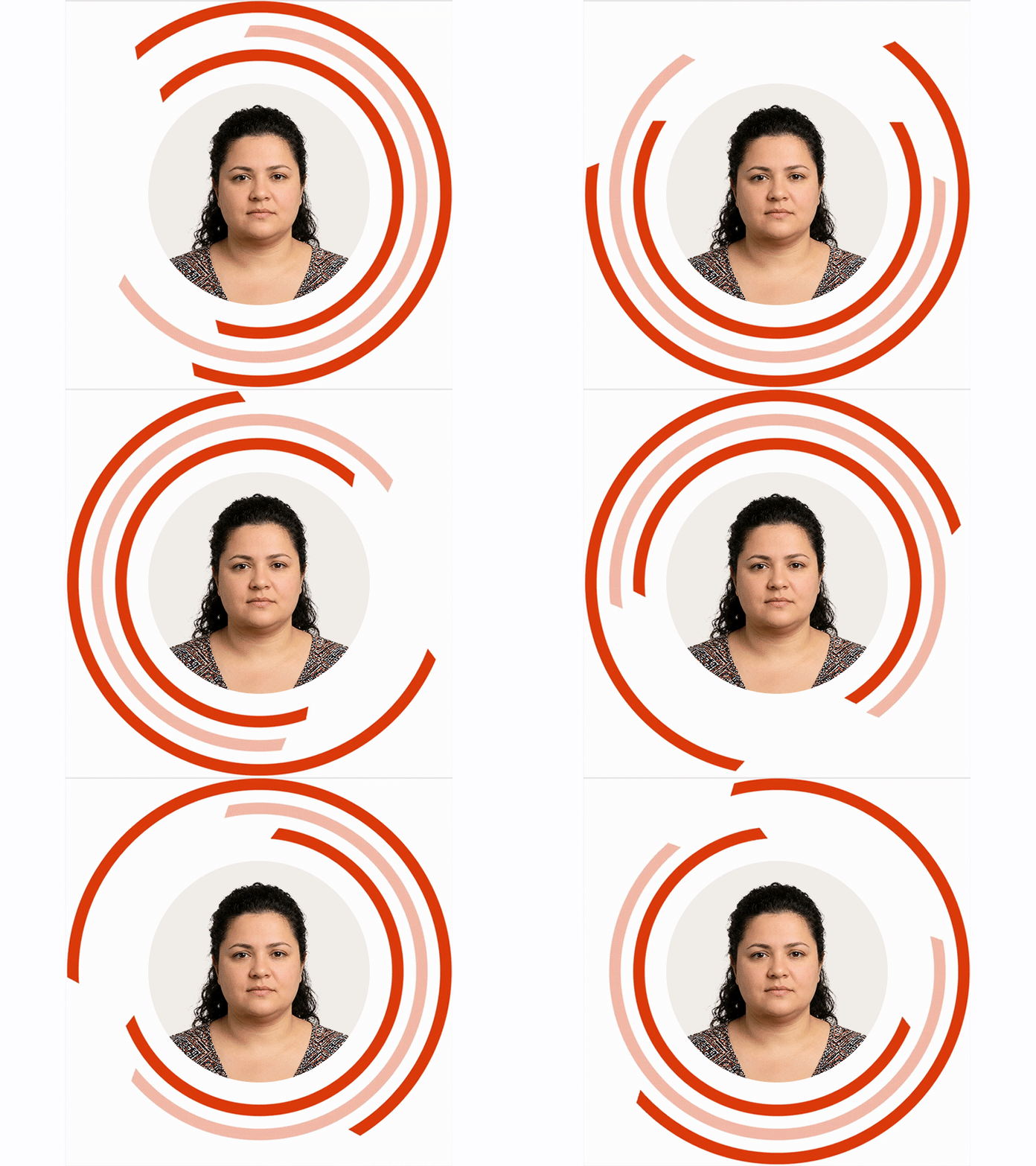
Elena is a 31-year-old woman presenting to an outpatient obstetrics and gynecology clinic with a 12-month history of infertility and concerns regarding recent weight regain. More than 40% of US women have obesity, a recognized contributor to infertility, adverse pregnancy outcomes, cardiometabolic disease, and other conditions. Current guidelines emphasize treatment of obesity as a distinct chronic disease, with the goal of improving weight-related conditions. Even modest weight loss can be effective, but for individuals of childbearing potential, obesity management presents unique challenges, requiring healthcare professionals to balance reproductive goals, treatment efficacy and benefits, maternal and fetal safety, and time constraints. In this interactive, AI-driven case, learners will apply clinical decision-making and counseling strategies to identify a patient-centered approach to obesity management in the context of infertility and family planning, obesity-related conditions, and long-term health.
View resource
Obesity is common and a recognized contributor to infertility, adverse pregnancy outcomes, cardiometabolic disease, and other conditions in women. Healthcare professionals in women’s health are well positioned to help their patients manage obesity as a chronic disease, with a goal of preventing or improving weight-related conditions. This downloadable slideset includes current guidance, expert perspectives, and key evidence on obesity effects on women’s health, obesity assessment, patient counseling, and development of individualized obesity treatment plans that consider reproductive goals, maternal and fetal health and safety, and long-term care.
View resource
Marcus is a 44-year-old male presenting to the outpatient family medicine clinic for a routine physical, with knee pain and fatigue as prominent concerns. More than 40% of US adults have obesity, a chronic disease that requires comprehensive, long-term management. Current guidelines emphasize treating obesity as a distinct disease state, not merely a risk factor for other chronic conditions, with the goal of preventing or improving weight-related conditions and supporting overall health. Given the high prevalence of obesity, the central role of primary care in chronic disease management, and the growing number of treatment options that can be offered in primary care, healthcare professionals in these settings are uniquely positioned to improve outcomes for patients with overweight or obesity. In this interactive, AI-driven case, learners will apply obesity-focused management strategies and clinical decision-making skills to optimize patient-centered care in primary care practice.
View resource
This commentary covers key concepts on using antiobesity medications during patients’ reproductive years, highlighting second-generation incretin-based therapies.
View resource
Take this challenge to learn more about obesity management in OB/BYN practice! Michelle is a 24-year-old woman who has never been pregnant.
View resource
Take this challenge to learn more about obesity management in OB/GYN practice! Leah wants to lose excess weight from her first pregnancy before conceiving again.
View resource
Take this challenge to learn more about obesity management in OB/BYN practice! Rita is a 46-year-old woman with 2 children who is not planning another pregnancy.
View resource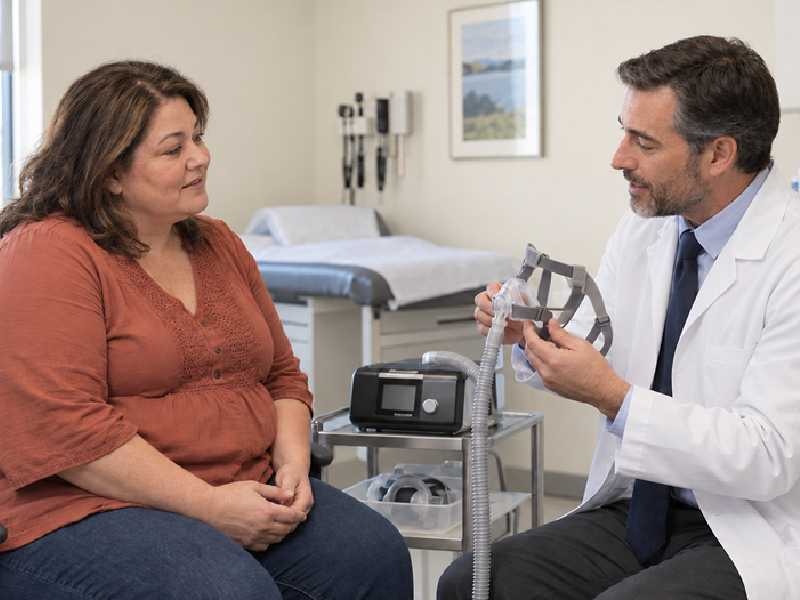
Learn why it is important to integrate obesity management into comprehensive obstructive sleep apnea (OSA) care, including best practices for using incretin-based therapies like tirzepatide.
View resource
Pediatric obesity – change on the way!New tools, new meds, new answers – OK!An expert weighs in for HCPs who say,“What’s new in assessment and treatment today?”
View resource
Get expert strategies—full of insight—To assess comorbidities, use meds just right,And find handy resources to support careFor kids with obesity—everywhere!
View resource
Learn about the evolving roles of primary care healthcare professionals in helping people with obesity achieve long-term weight loss and get pointers for integrating comprehensive obesity care in your primary care practice.
View resource
Carolynn Francavilla-CPD
Family and Obesity Medicine
Owner, Green Mountain Partners for Health
Creator, The Dr. Francavilla Show Podcast
Creator, HelpYourPatientsLoseWeight.com
Founder, GLP Strong
Vice President, Obesity Medicine Association
Lakewood, Colorado

Weber-Christopher-CPD
Medical Director, Ascension Wisconsin Bariatric Services
Obesity Medicine Director, Ascension Columbia St Mary’s Ozaukee Bariatric Center
Trustee, Obesity Medicine Association
Trustee, Obesity Treatment Foundation
Board Member, Wisconsin Obesity Society
Adjunct Assistant Professor of Pediatrics
Medical College of Wisconsin
Milwaukee, Wisconsin

Robert- Kushner- CPD
Professor Emeritus
Departments of Medicine and Medical Education
Northwestern University Feinberg School of Medicine
Chicago, Illinois

Pennings-Nicholas-CPD
Professor of Family Medicine
Campbell University School of Osteopathic Medicine
Director of Clinical Education
Obesity Medicine Association
Director of the Lipedema Center at Vineyard
Buies Creek, North Carolina
Provided by Clinical Care Options, LLC dba Decera Clinical Education, in partnership with the American College of Osteopathic Family Physicians, the Obesity Action Coalition, and the Obesity Medicine Association. This activity is supported by an educational grant from Lilly.
For customer support please email:
customersupport@deceraclinical.com