 Back
Back
CE
Optimizing the Use of Targeted Therapies in Breast Cancer: Dosing, Toxicity Management, and Adherence
Pharmacists: 0.50 contact hour (0.05 CEUs)
Released: July 28, 2026
Expiration: December 31, 2026


Activity
Approved CDK4/6 Inhibitors: Overview
Danielle Roman, PharmD, BCOP:
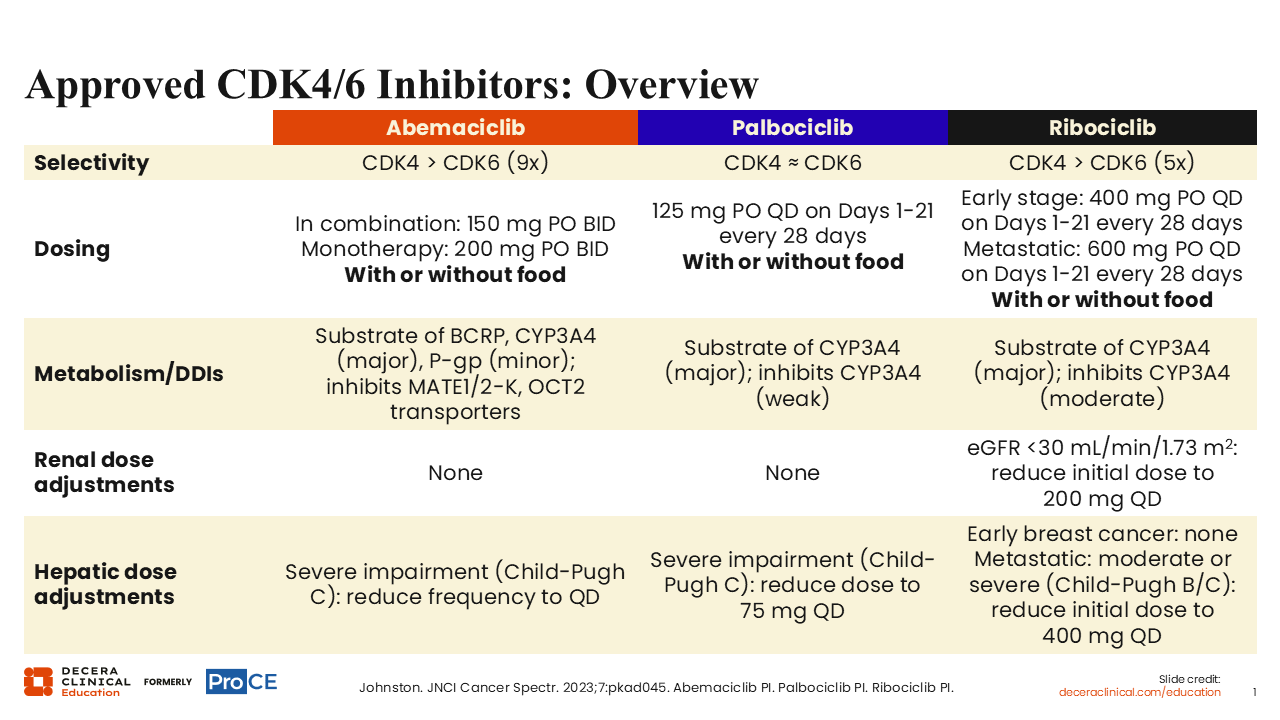
I’ll first review how CDK4/6 inhibitors are currently used in practice. There are 3 agents within this class: palbociclib, ribociclib, and abemaciclib. All inhibit CDK4/6, reducing retinoblastoma protein phosphorylation and causing G1 cell-cycle arrest. Although their mechanisms are similar, abemaciclib has greater selectivity for CDK4, which may contribute to its somewhat different AE profile.
Dosing for each agent is listed in the table. I’d like to note that both palbociclib and ribociclib are given once daily for 3 weeks, followed by 1 week off, which is to allow for neutrophil recovery. Ribociclib is used in the early stage, beginning with a lower dose of 400 mg, compared with the recommended 600 mg dose in the metastatic setting.
Abemaciclib has twice-daily dosing, and it is given on a continuous basis, likely because it has less of a myelosuppressive effect.
All 3 agents are primarily metabolized by CYP3A4, so pharmacists should review concomitant medications for clinically important inhibitors and inducers. For severe renal impairment (eGFR <30 mL/min/1.73 m²), the recommended starting dose of ribociclib is 200 mg once daily. In severe hepatic impairment, abemaciclib dosing frequency is reduced, and lower starting doses are recommended for palbociclib and ribociclib.1-3
Select Drug–Drug Interactions That May Affect CDK4/6i Use
Danielle Roman, PharmD, BCOP:
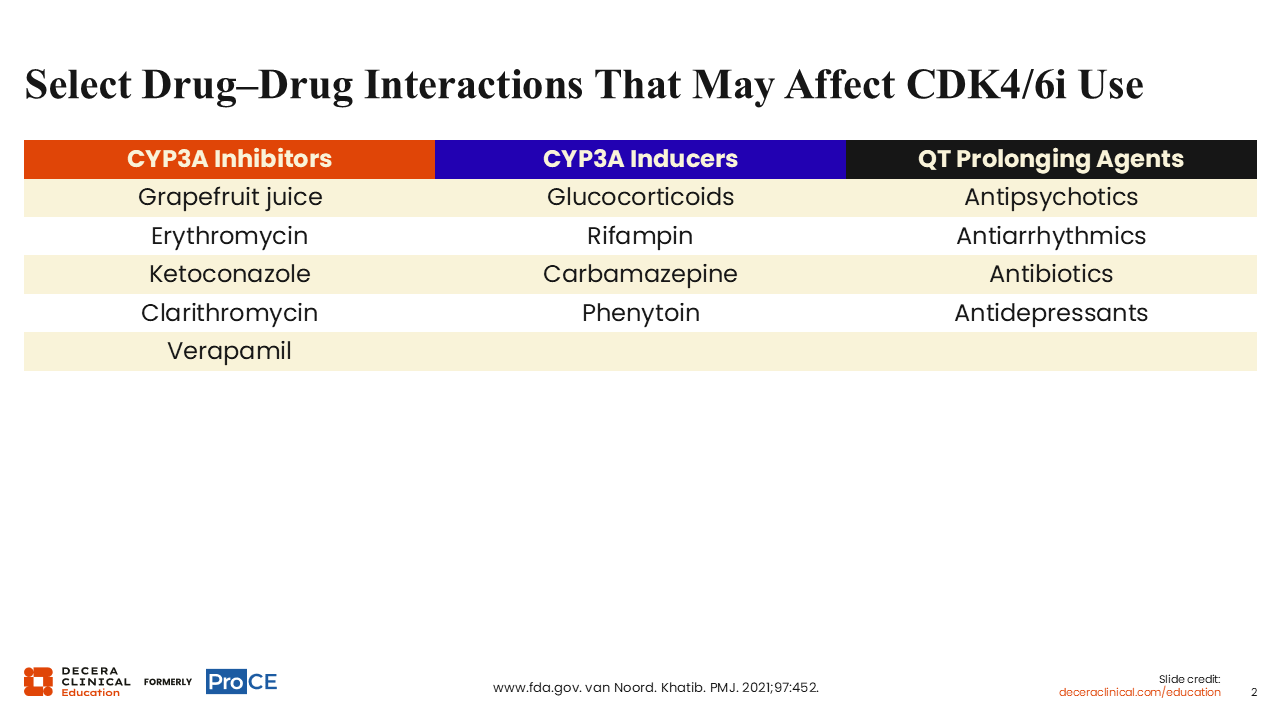
Keeping in mind the drug interactions I mentioned on the previous slide, here are some select CYP3A4 inhibitors and inducers that should be avoided with CDK4/6 inhibitors. If a strong inhibitor cannot be avoided, the recommendation is to dose reduce, and this would also be true for moderate inhibitors with abemaciclib. With ribociclib, it is important to keep in mind other agents that may have QT-prolonging effects, which may change monitoring strategies for these patients.
Key AEs With CDK4/6 Inhibitors: Monitoring and Prevention
Danielle Roman, PharmD, BCOP:
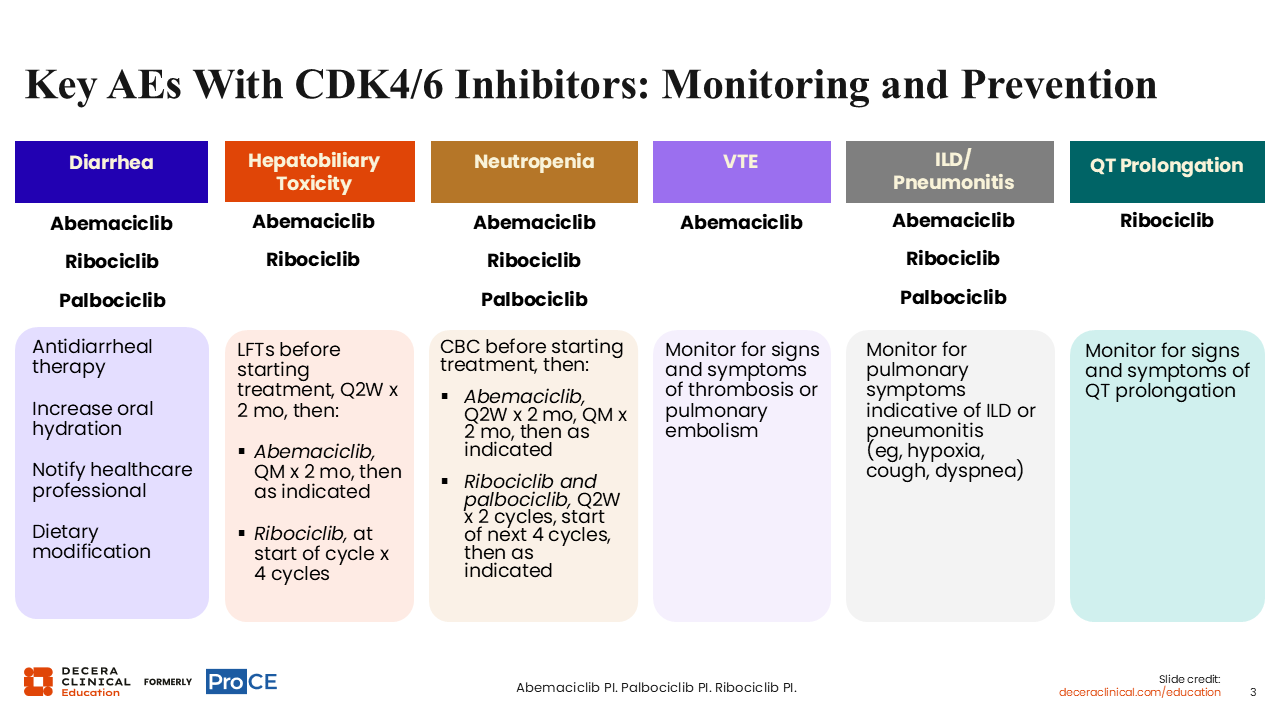
In terms of AEs with this drug class, neutropenia is a major concern. Neutropenia can be seen with all these agents but probably more so with ribociclib and palbociclib. This necessitates close monitoring of CBC with differential, so at baseline and then at frequent intervals, especially for the first 2 cycles. Neutropenia occurs early. Beyond the initial 2-4 months of therapy, if patients have been stable, one can consider decreasing the frequency of monitoring.
Diarrhea is another AE reported with all CDK4/6 inhibitors. However, it is most particularly notable with abemaciclib. Diarrhea is also an early toxicity, so monitoring is very important.
Hepatotoxicity is reported with abemaciclib and ribociclib. We want to monitor liver function tests at baseline and at frequent intervals at the beginning of therapy. If patients remain stable, the monitoring frequency can be decreased according to the prescribing information and clinical circumstances.
QTc prolongation is specific to ribociclib, and it should be monitored for early in therapy. There is an infrequent incidence of venous thromboembolism with abemaciclib and an infrequent incidence of interstitial lung disease or pneumonitis with all 3 agents.1-3
Monitoring and Managing CDK4/6i-Induced Neutropenia
Danielle Roman, PharmD, BCOP:
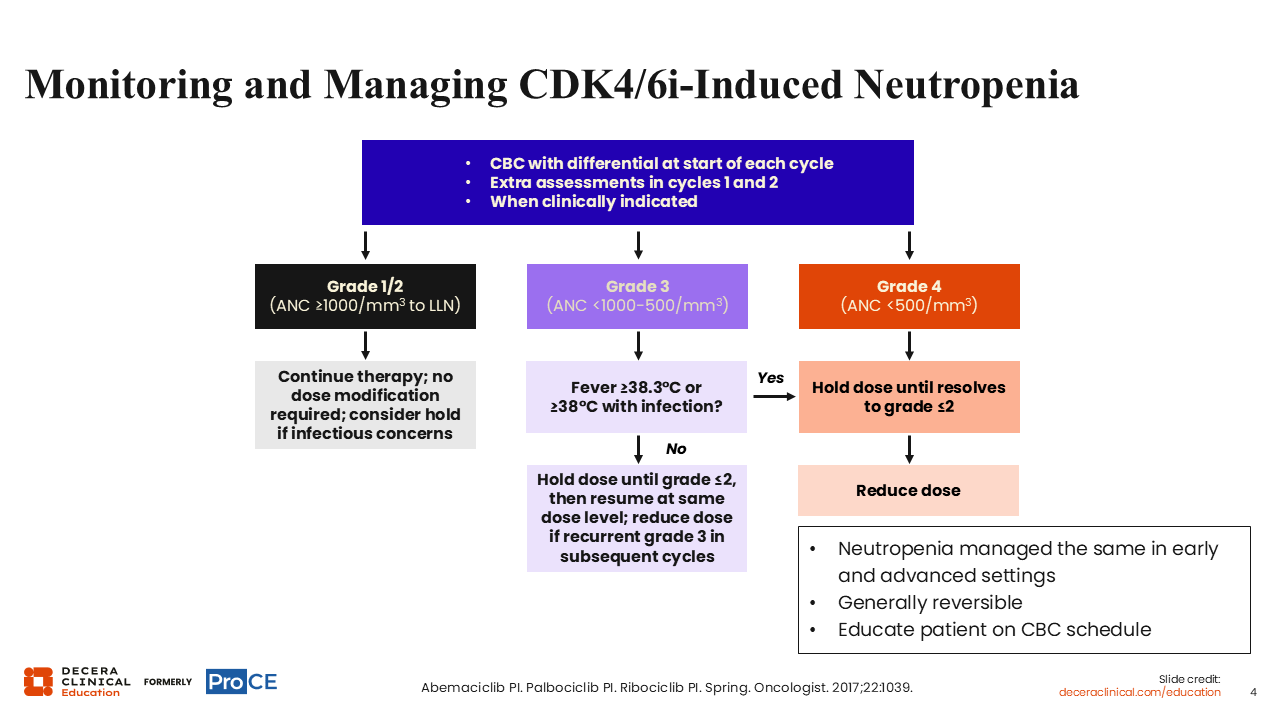
All 3 CDK4/6 inhibitors that are FDA approved in this setting can cause neutropenia. For patients with grade 1/2 neutropenia, defined as an ANC ≥1000 mm3, treatment can continue at their current dose with close monitoring. For patients with grade 3 neutropenia, defined as an ANC <1000- 500 mm3, the CDK4/6 inhibitor should be held until recovery to an ANC of at least 1000 mm3, then resumed at the same dose. If patients have recurrent grade 3 neutropenia or neutropenia that is associated with fever or infection, this would be a point where we would hold and then recommend dose reduction upon resumption of therapy. For patients with grade 4 neutropenia, defined as an ANC <500 mm3, it is recommended to hold until resolution to at least 1000 mm3, then dose reduce.
I do want to call out here that neutropenia is generally rapidly reversible and is not cumulative in the way that we see with chemotherapy.1-4
Monitoring and Managing Abemaciclib-Induced Hepatotoxicity
Danielle Roman, PharmD, BCOP:
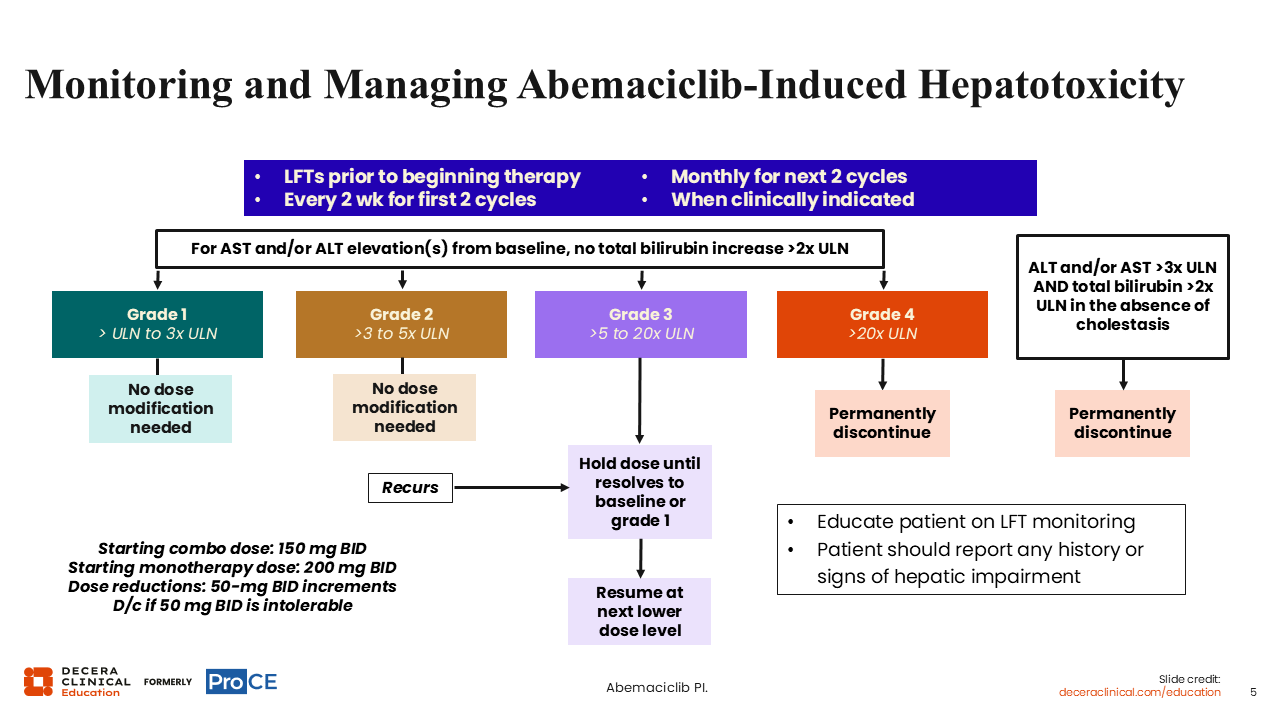
Next, I’ll discuss hepatotoxicity management, focusing on abemaciclib. For patients with a grade 1 or 2 liver function test abnormality, generally no dose modification is needed. For patients with recurrent grade 2 or grade 3 elevations, it is recommended to hold the dose until resolution, then restart at a lower dose level. For patients with grade 4 elevations, defined as >20 times the upper limit of normal (ULN), the recommendation is to permanently discontinue abemaciclib.
I want to note that if these elevations are also associated with or in conjunction with an increased total bilirubin of >2 times the ULN in the absence of cholestasis, permanently discontinuing abemaciclib is recommended.1
Monitoring and Managing Ribociclib-Induced Hepatotoxicity in Early-Stage BC
Danielle Roman, PharmD, BCOP:
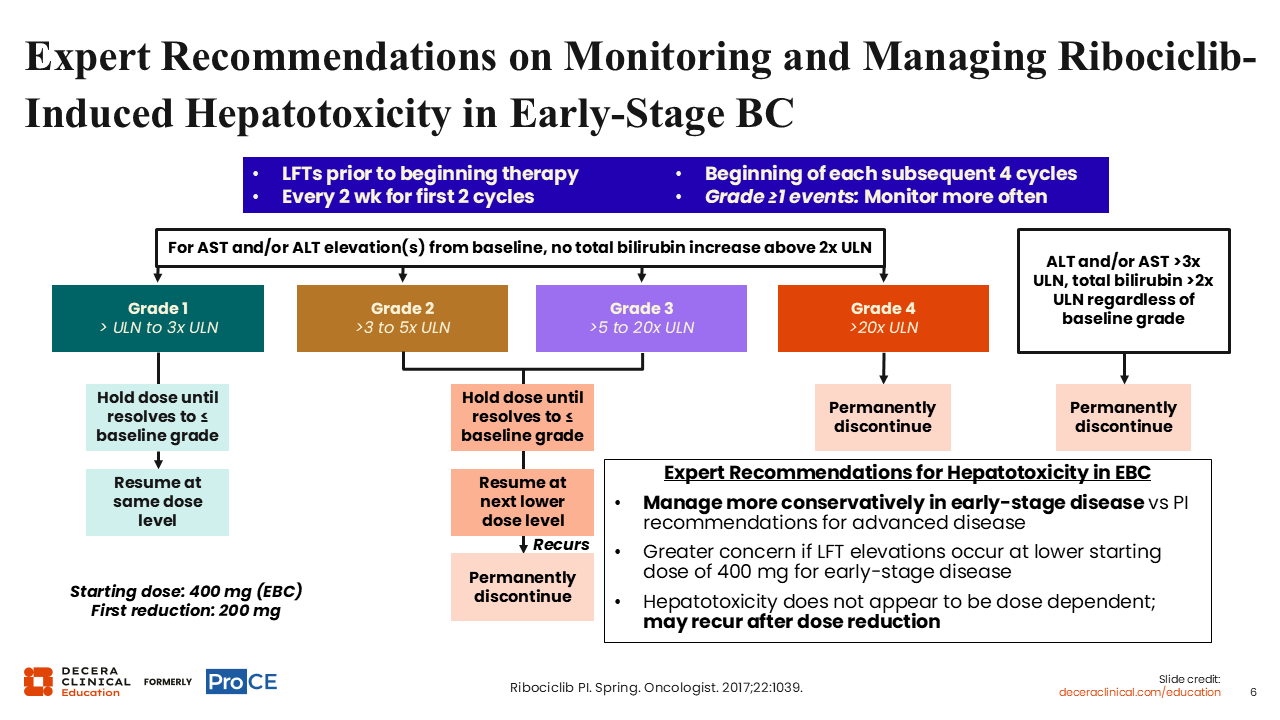
With ribociclib, management of hepatotoxicity requires attention to treatment setting. The approach shown on this slide reflects the faculty’s more conservative expert practice for curative-intent early-stage disease and should be distinguished from the labeled hepatotoxicity algorithm.
For patients in the early-stage setting, management is a bit more conservative. Grade 1 hepatotoxicity prompts interruption until resolution, followed by resumption at the same dose. Grade 2 or 3 elevations prompt interruption until resolution and dose reduction on resumption; recurrent grade 2 or 3 hepatotoxicity prompts discontinuation. Grade 4 hepatotoxicity, or aspartate aminotransferase (AST)/alanine aminotransferase (ALT) elevation with total bilirubin >2 times the ULN in the absence of cholestasis, requires permanent discontinuation.3
An important note here is that hepatotoxicity does not appear to be dose dependent, so it may recur even after dose reduction and requires close monitoring.
Monitoring and Managing Ribociclib-Induced Hepatotoxicity in Advanced BC
Danielle Roman, PharmD, BCOP:
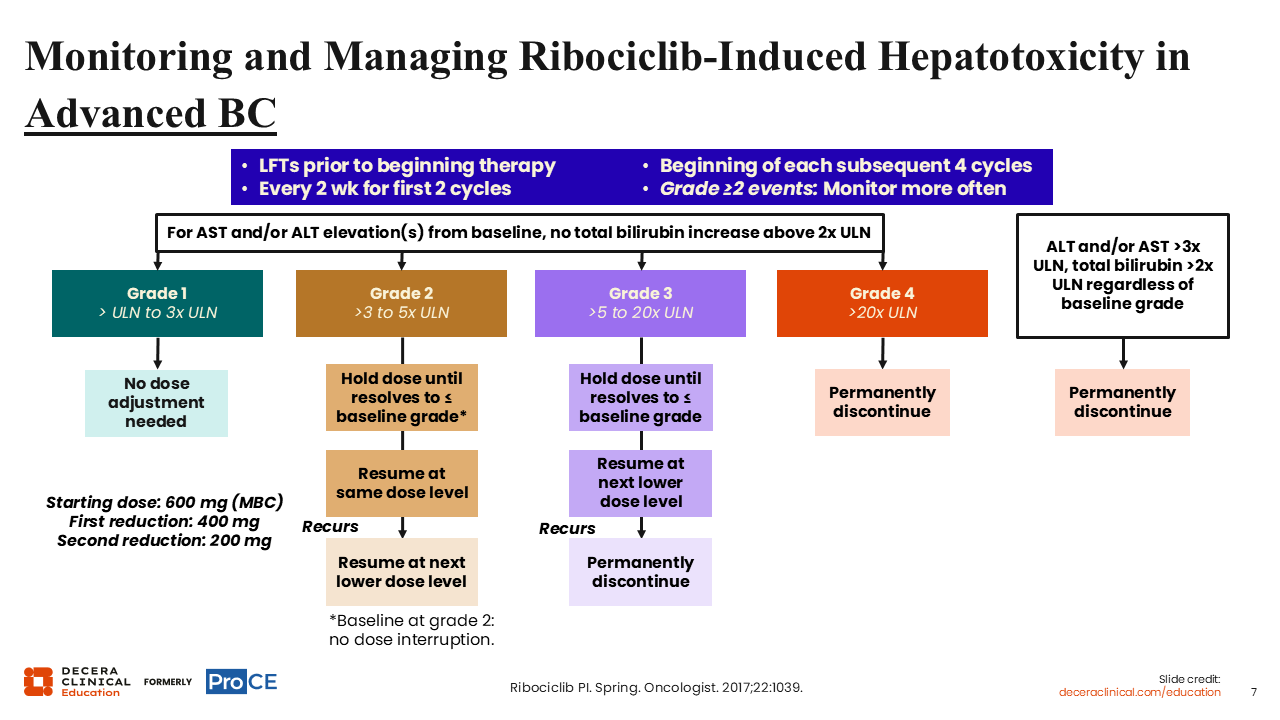
By contrast, the ribociclib prescribing information does not require dose modification for grade 1 AST/ALT elevation. Grade 2 elevation may require interruption depending on the patient’s baseline grade, with resumption after recovery. Recurrent grade 2 or grade 3 elevation generally requires interruption and dose reduction. Grade 4 hepatotoxicity, or AST/ALT elevation with total bilirubin >2 times the ULN in the absence of cholestasis, requires permanent discontinuation.3
Monitoring and Managing Abemaciclib-Induced Diarrhea
Danielle Roman, PharmD, BCOP:
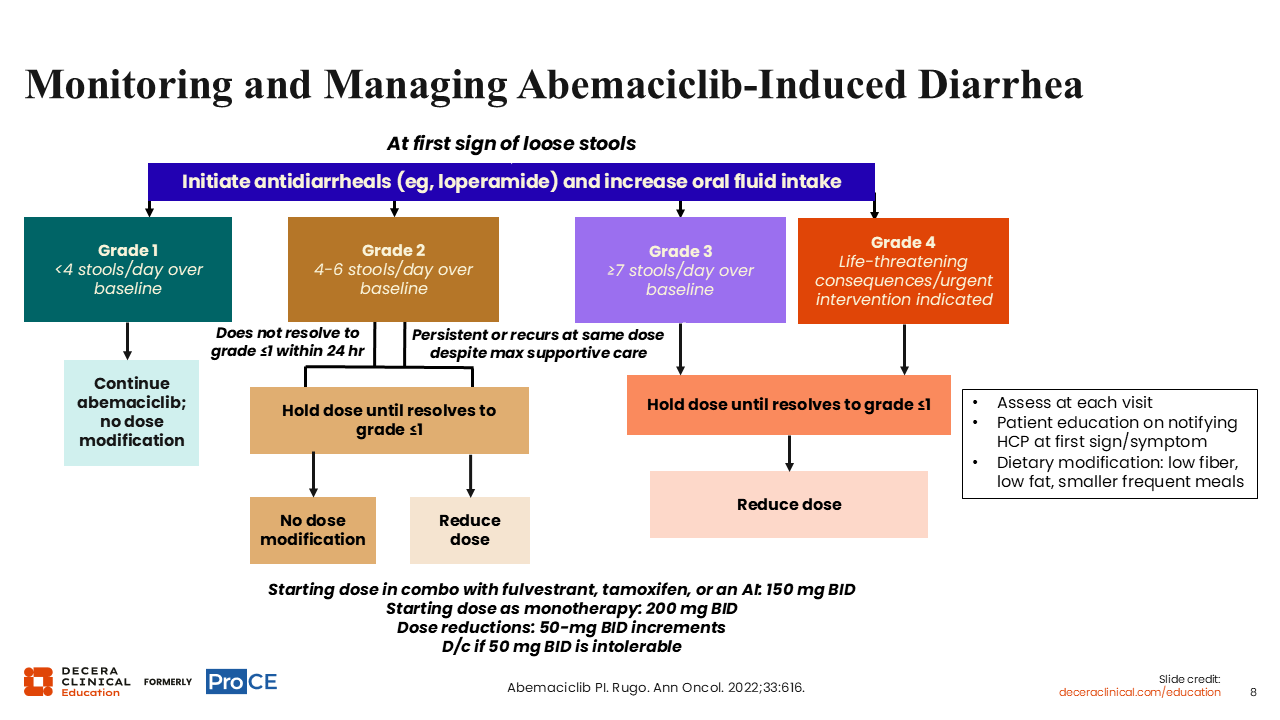
Another important AE seen with CDK4/6 inhibitors is abemaciclib-induced diarrhea. At the first sign of loose stools, patients should be counseled to initiate an antidiarrheal such as loperamide and increase their oral fluid intake. Dietary modifications can be important at this point as well. It is important to counsel patients early on to have loperamide on hand when they are starting abemaciclib.
For patients with grade 1 diarrhea, defined as <4 stools over their baseline per day, we can generally continue with close monitoring. For patients with grade 2 diarrhea, defined as 4-6 stools over baseline per day, we can also generally continue with close monitoring. If there is no resolution within 24 hours, we would want to hold until resolution and then start again at the current dose. If diarrhea is persistent, dose reduction would be recommended.1
Monitoring QT Prolongation With Ribociclib
Danielle Roman, PharmD, BCOP:
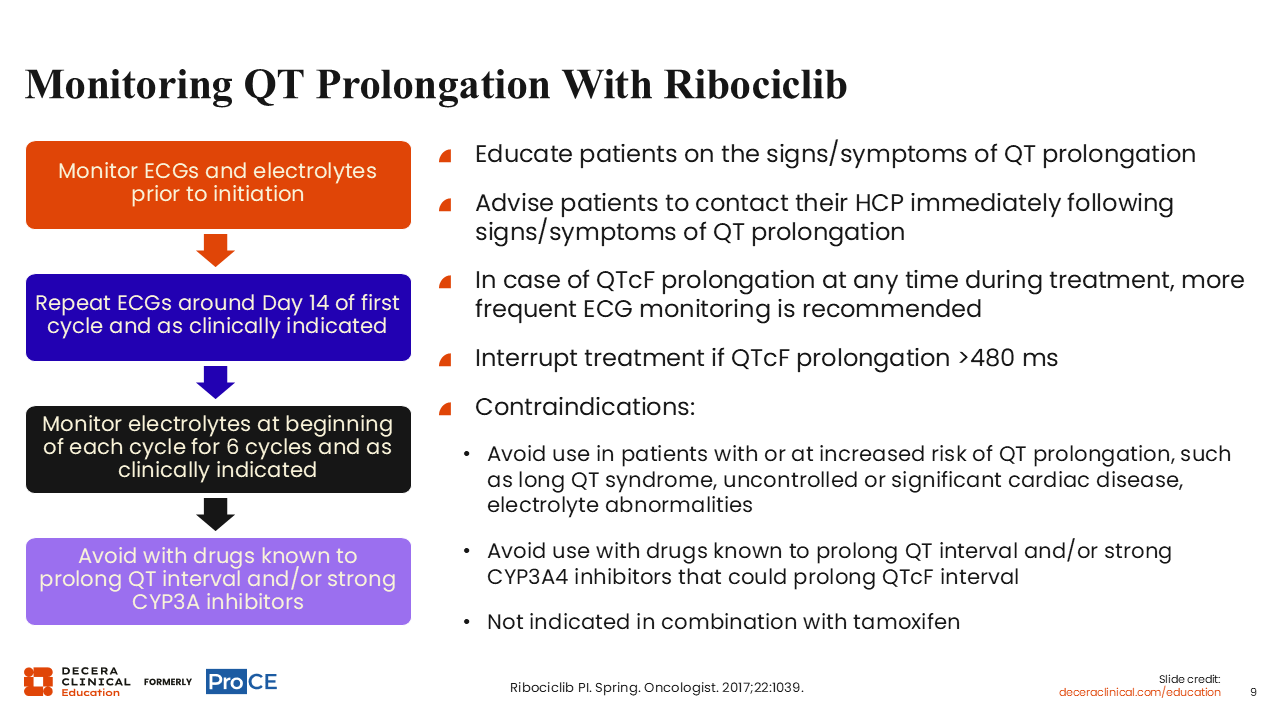
QT prolongation with ribociclib should also be monitored. Patients should have ECGs at baseline and 2 weeks into their first cycle. If stable, we generally do not need to have additional ECGs unless the patient experiences concerning symptoms or starts on another agent with QT-prolonging effects. We also want to be cognizant of electrolyte changes, making sure to maintain adequate potassium and magnesium.3
monarchE: Abemaciclib Benefit Is Maintained With Dose Modifications
Danielle Roman, PharmD, BCOP:
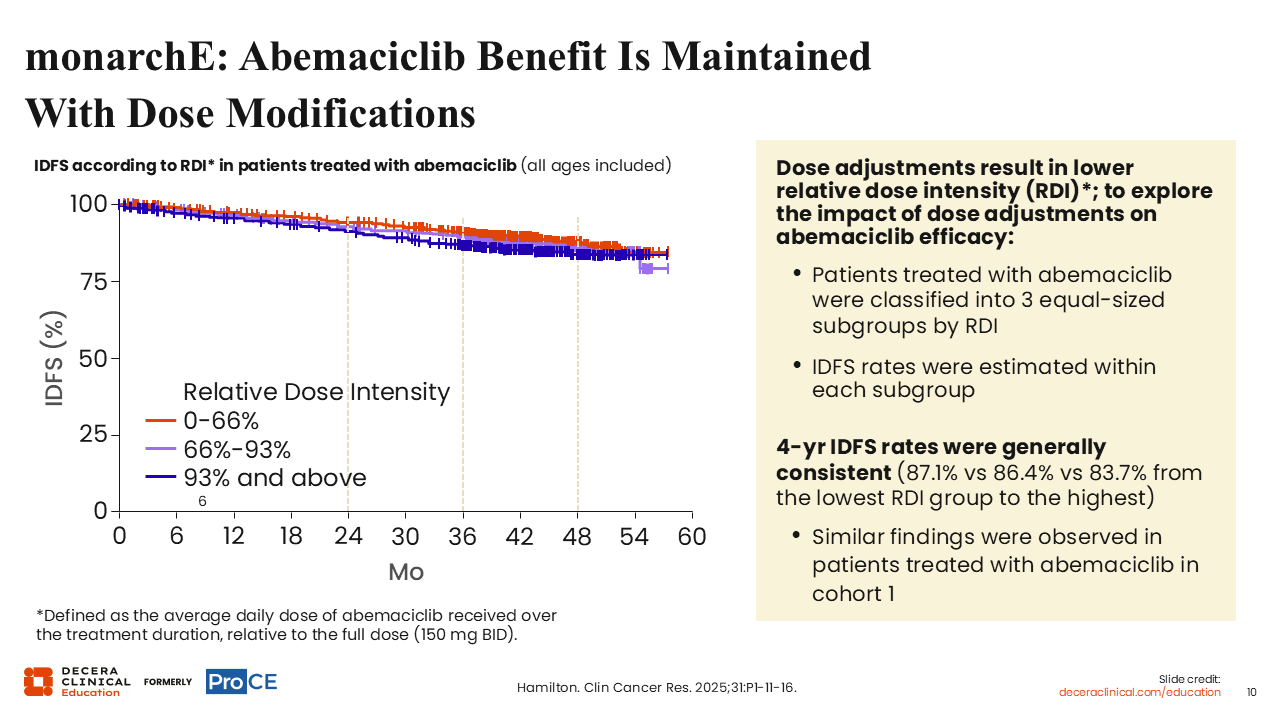
With CDK4/6 inhibitors, there can be some hesitation to hold the dose or dose reduce out of fear of impacting efficacy. Fortunately, there are encouraging data from the early breast cancer setting with both abemaciclib and ribociclib showing that dose reductions do not appear to impact the efficacy of these agents.
For example, on this slide showing data from the monarchE trial, which was a randomized phase III trial that evaluated adjuvant abemaciclib plus ET in patients with high-risk, node-positive, HR-positive/HER2-negative early breast cancer, the overlapping lines, which represent different relative dose intensities with abemaciclib, demonstrate that invasive disease-free survival (iDFS) is not affected by dose modifications. The 4-year iDFS rates were generally consistent.5
NATALEE: iDFS by Dose Reduction
Danielle Roman, PharmD, BCOP:
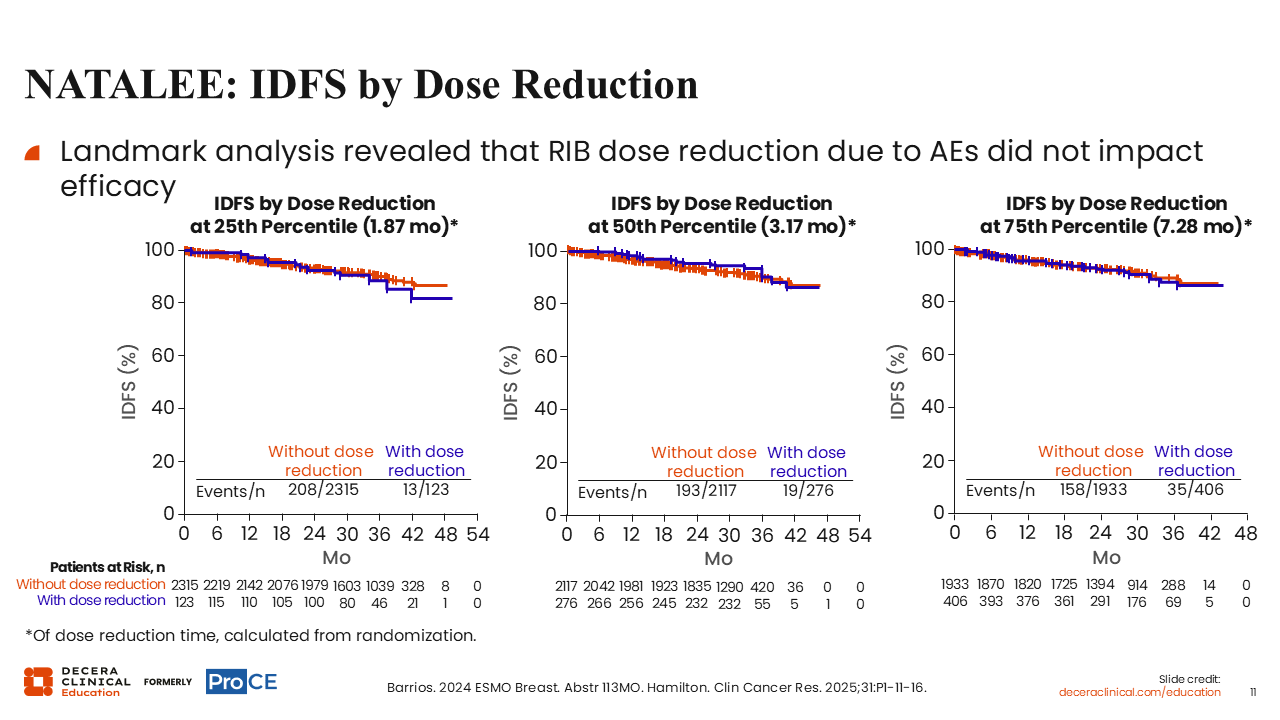
Similarly, NATALEE was a phase III trial that evaluated adjuvant ribociclib plus a nonsteroidal aromatase inhibitor in patients with stage II-III HR-positive/HER2-negative early breast cancer. Patients without ribociclib dose reductions were compared with those with dose reductions, and overlapping iDFS curves, as shown here, provided confidence that dose reductions can help patients stay on therapy without affecting overall efficacy.5
Early Adjustment Matters More Than Dose Intensity
Danielle Roman, PharmD, BCOP:
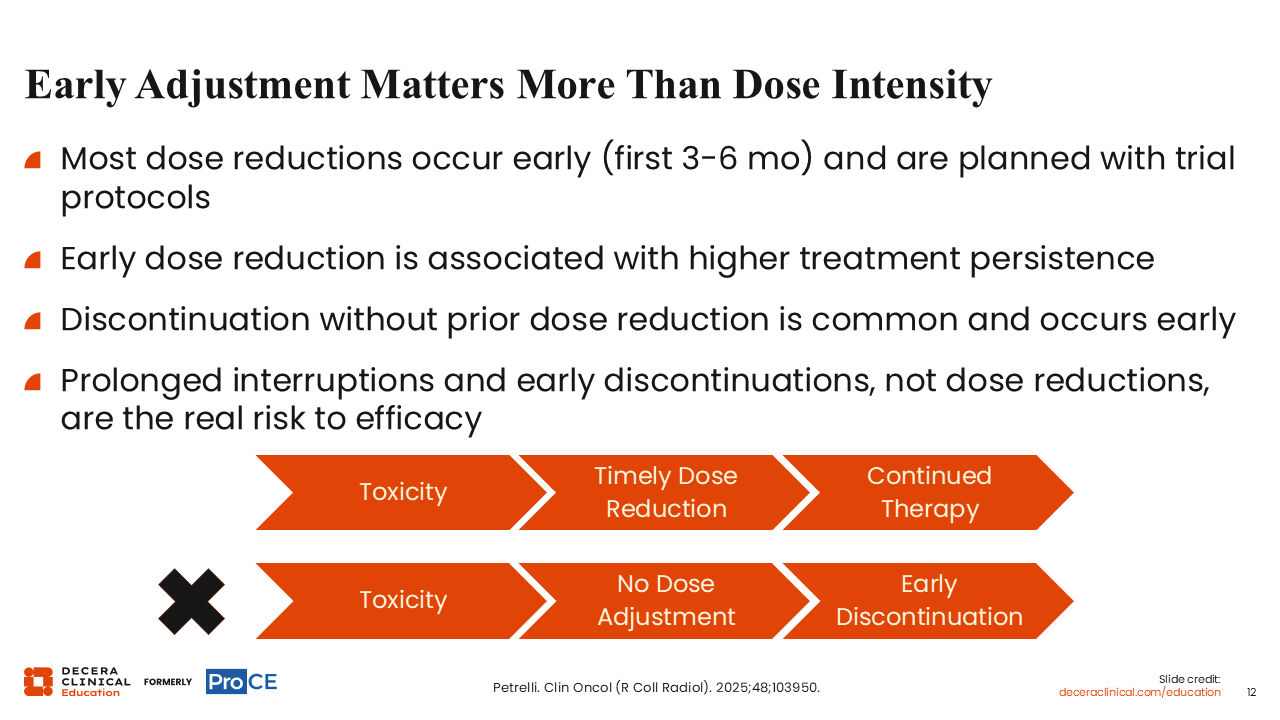
Close monitoring can help identify early toxicities, many of which occur within the first 3-6 months of therapy. Timely supportive care, treatment interruption, and dose reduction can improve tolerability and persistence without evidence from these exploratory analyses that protocol-guided reductions compromise efficacy.
TRADE: Phase II Dose-Escalation Trial of Abemaciclib + ET in HR+/HER2- EBC Planned for Adjuvant Abemaciclib
Danielle Roman, PharmD, BCOP:
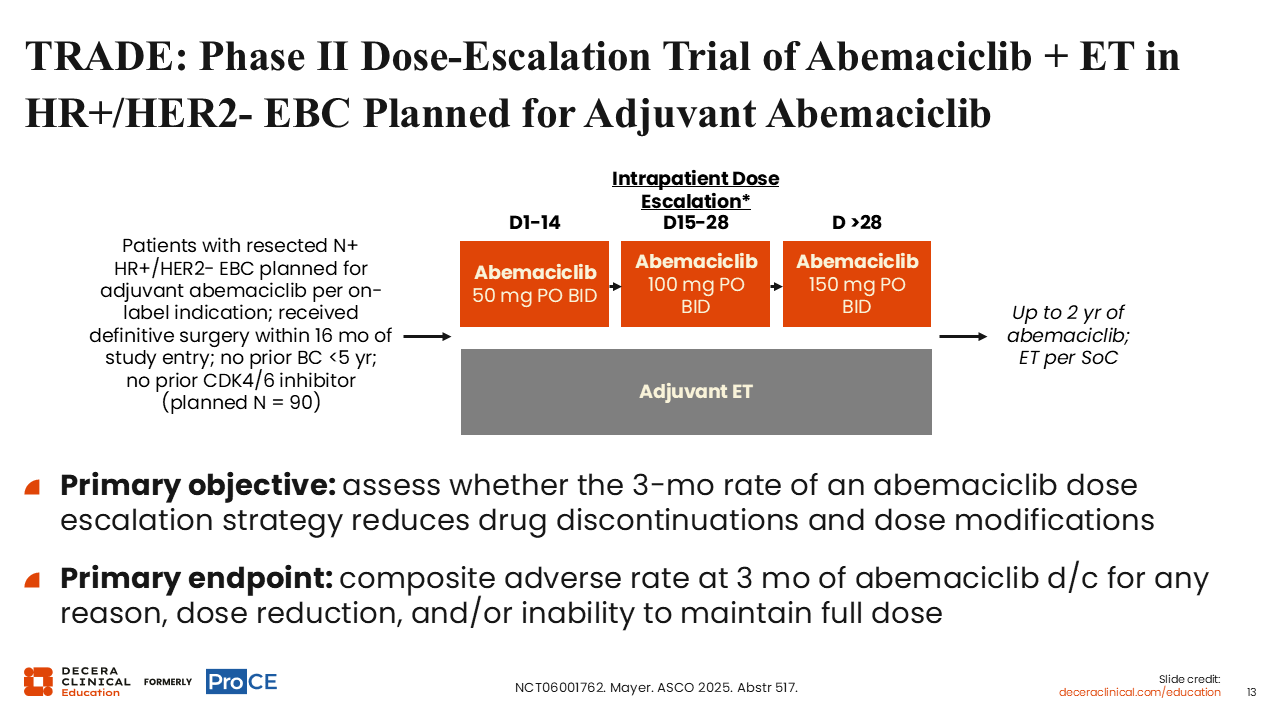
Another trial to highlight is the phase II TRADE study. This study looked at using an escalated approach to abemaciclib dosing and provided important real-world data on how to keep patients on therapy. Since diarrhea occurs early on in therapy for many patients, TRADE assessed whether giving abemaciclib at a low dose of 50 mg twice daily for the first 2 weeks and then, if tolerated, increasing to 100 mg twice daily for the next 2 weeks, followed by the full dose at 150 mg twice daily if patients are tolerating therapy, could reduce drug discontinuations and dose modifications (NCT06001762).6
TRADE: Primary Results
Danielle Roman, PharmD, BCOP:
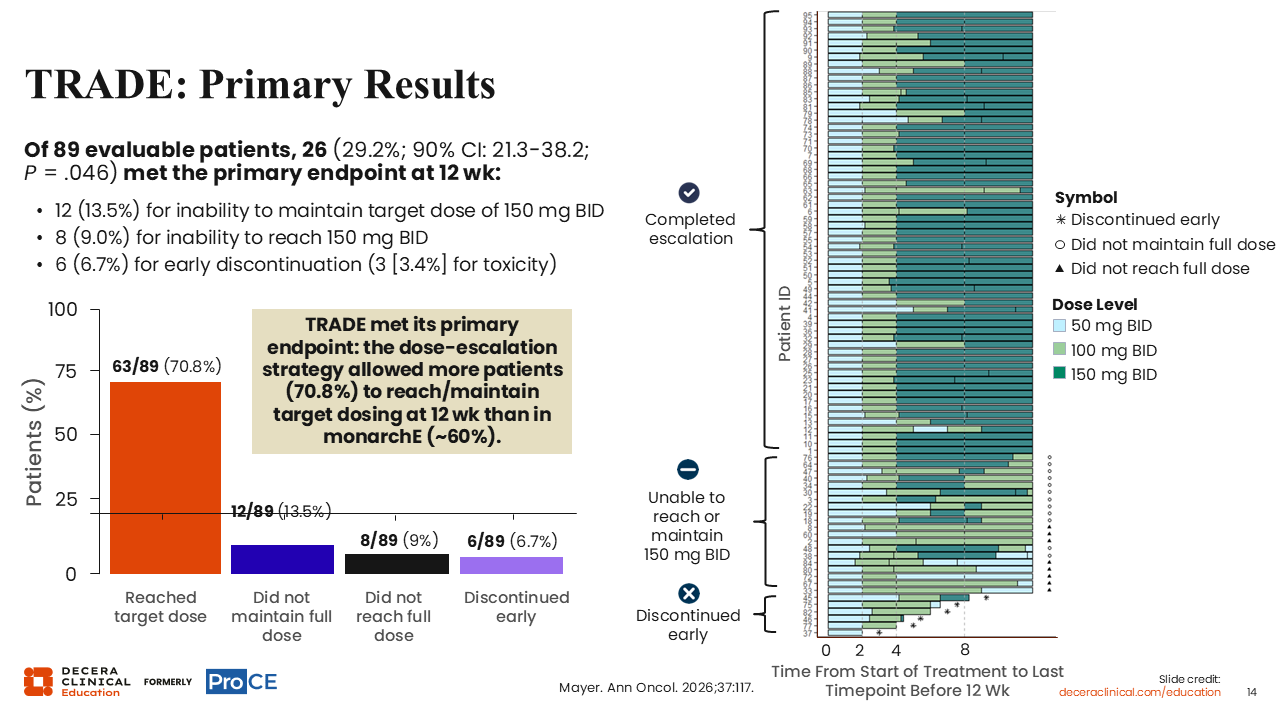
The results were very impressive when looking at the proportion of patients who were able to reach the target dose: 70.8% of patients on this trial (compared to about 60% of patients enrolled in monarchE). As shown in the swimmer’s plot on the right, 83 patients (93.3%) were still taking abemaciclib at 12 weeks, 20 of whom (22.5%) were receiving abemaciclib at a reduced dose. I think this is a great strategy and one that we are using in clinic now to help patients mitigate the early risk of diarrhea.7
Approved PI3K/AKT Pathway Inhibitors: Overview
Danielle Roman, PharmD, BCOP:
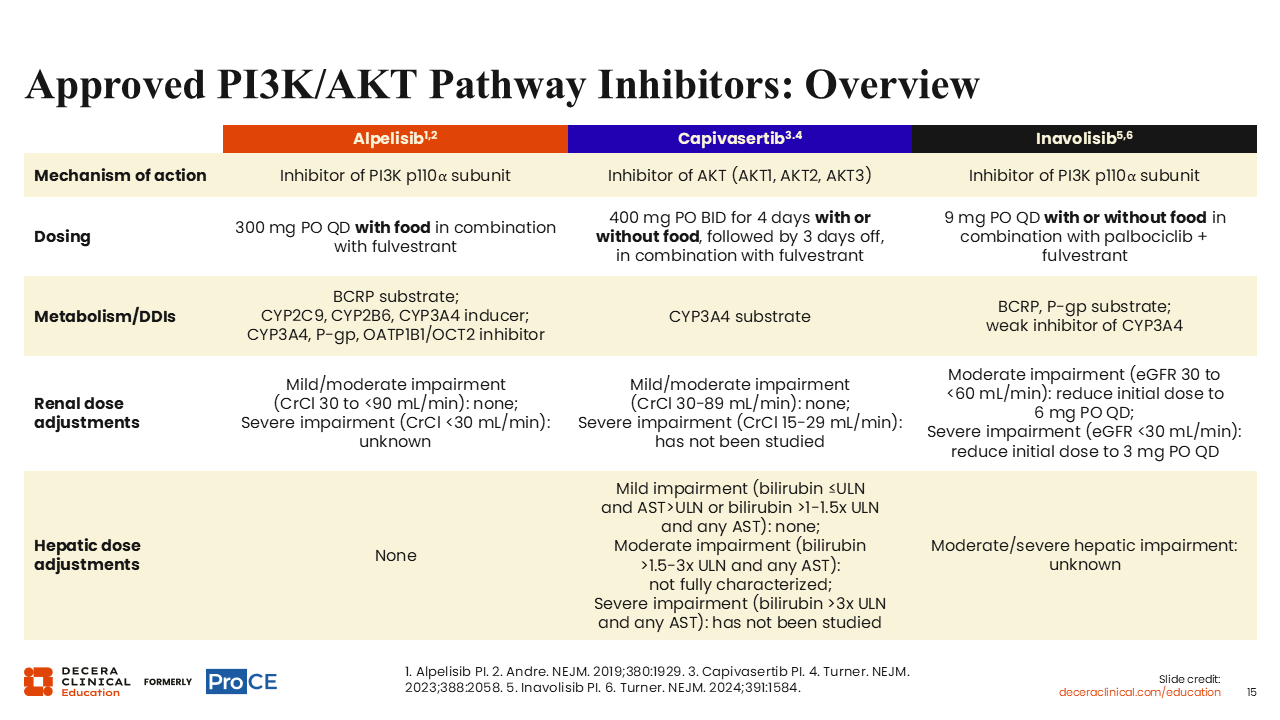
The next key group of targeted agents used for metastatic breast cancer targets the PI3K/AKT pathway. The 2 agents in this class that target PI3K are alpelisib and inavolisib. Capivasertib works in the same pathway but targets AKT, which is just downstream of PI3K.
There are some differences in dosing here. Of importance, alpelisib should be administered with food, and capivasertib is given twice per day, but with an unusual schedule of 4 days on followed by 3 days off. Capivasertib can be challenging for patients, but its dosing was done with the intent to mitigate some of the side effects commonly seen with this class, particularly hyperglycemia.
Of note, all these agents are recommended to be given in combination with fulvestrant. Drug interactions are certainly something that pharmacists should be paying close attention to for any patient initiating therapy and for any changes in their medications over time.
There isn’t much to highlight regarding renal dose adjustments other than inavolisib, which has recommendations for reduction in both moderate and severe renal impairment. Hepatic dose adjustments have not been well characterized, so there are no specific recommendations in this setting.8-10
Approved PI3K/AKT Pathway Inhibitors: Safety
Danielle Roman, PharmD, BCOP:
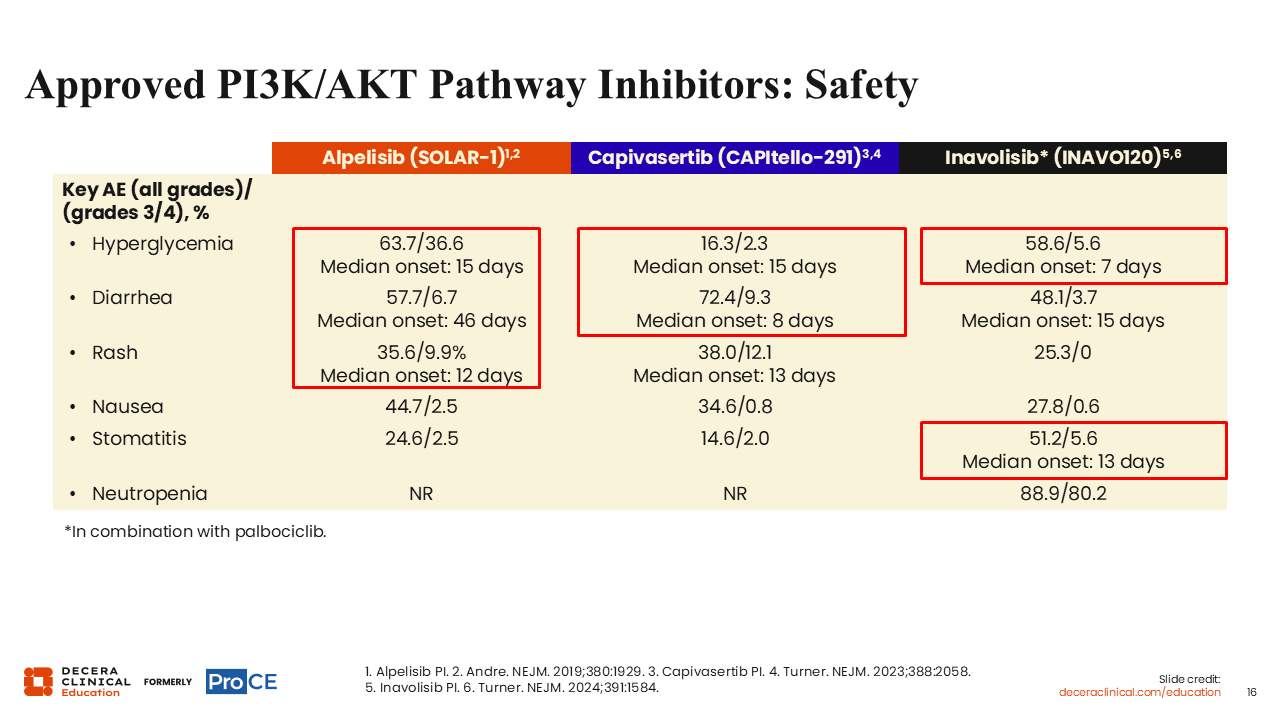
Regarding the safety profile of this class of agents, hyperglycemia is the greatest concern. It occurs more frequently with alpelisib, followed by inavolisib and then capivasertib, and onset can be rapid, often within the first 1-2 weeks of therapy.
I also want to highlight diarrhea as an AE that requires close monitoring and management. It does tend to occur more often with capivasertib, but there is a low incidence overall of grade 3-4 diarrhea (9.3%). Onset is variable: it can be seen early (median onset 8 days) with capivasertib, whereas the median onset with alpelisib in the SOLAR-1 trial was 46 days.
Rash is another AE of concern and may necessitate a prophylactic strategy with an agent like cetirizine. Rash also tends to have an early onset, within the first couple of weeks of therapy.
With inavolisib, stomatitis is also important: approximately half of patients in INAVO120 developed stomatitis. It was usually low grade, but prophylaxis with a corticosteroid-containing mouthwash may help. Pharmacists should counsel patients to report oral pain, ulcers, or difficulty eating or drinking promptly.
It is important to keep in mind that since inavolisib is used in combination with palbociclib, neutropenia can be seen due to this component of the INAVO120 regimen.8-10
PI3K and AKT Inhibitor Toxicity Overview
Danielle Roman, PharmD, BCOP:
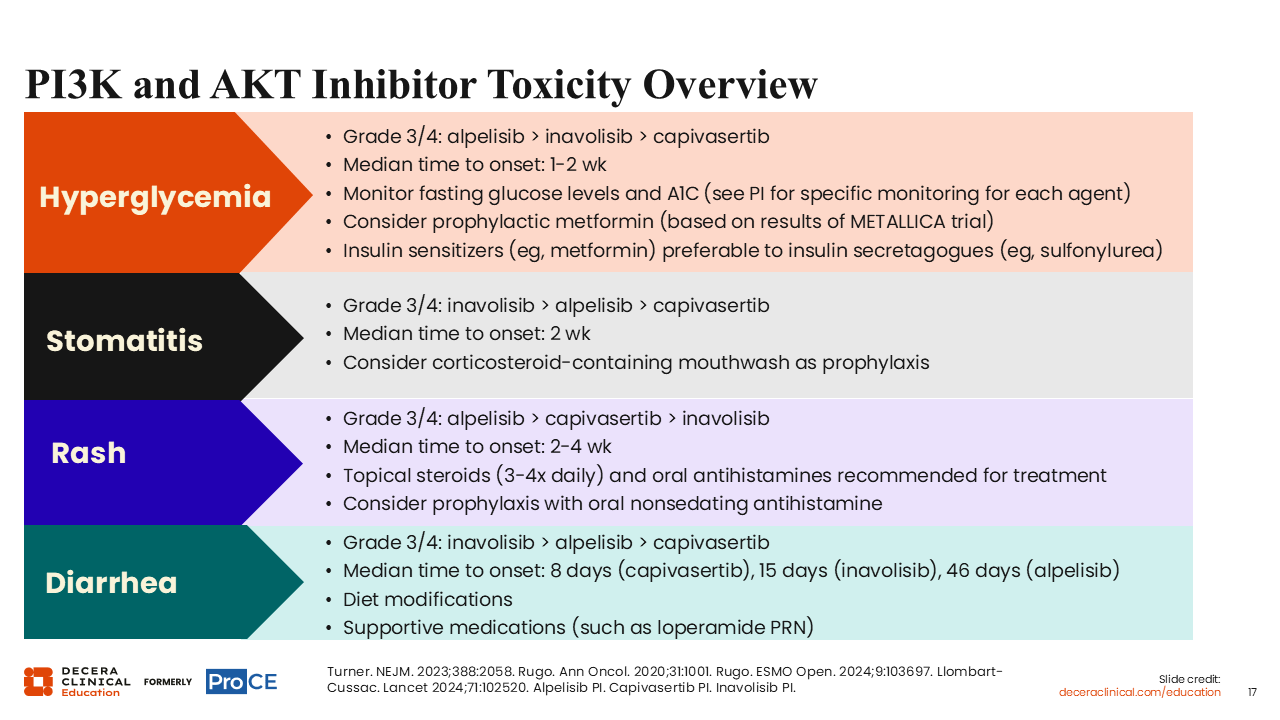
This slide provides an overview of toxicities associated with PI3K and AKT inhibitors. Hyperglycemia is a key AE to identify. The METALLICA trial evaluated prophylactic metformin specifically with alpelisib. Routine extrapolation of prophylactic metformin to capivasertib or inavolisib has not been established and should be individualized.11
For stomatitis, consider steroid-containing mouthwashes with inavolisib.
For rash, topical corticosteroids can be used as a treatment strategy, as well as oral antihistamines. Nonsedating antihistamines such as cetirizine could also be considered as prophylaxis.
For diarrhea, it is important to counsel patients on supportive care strategies.8-10
Hyperglycemia Management
Danielle Roman, PharmD, BCOP:
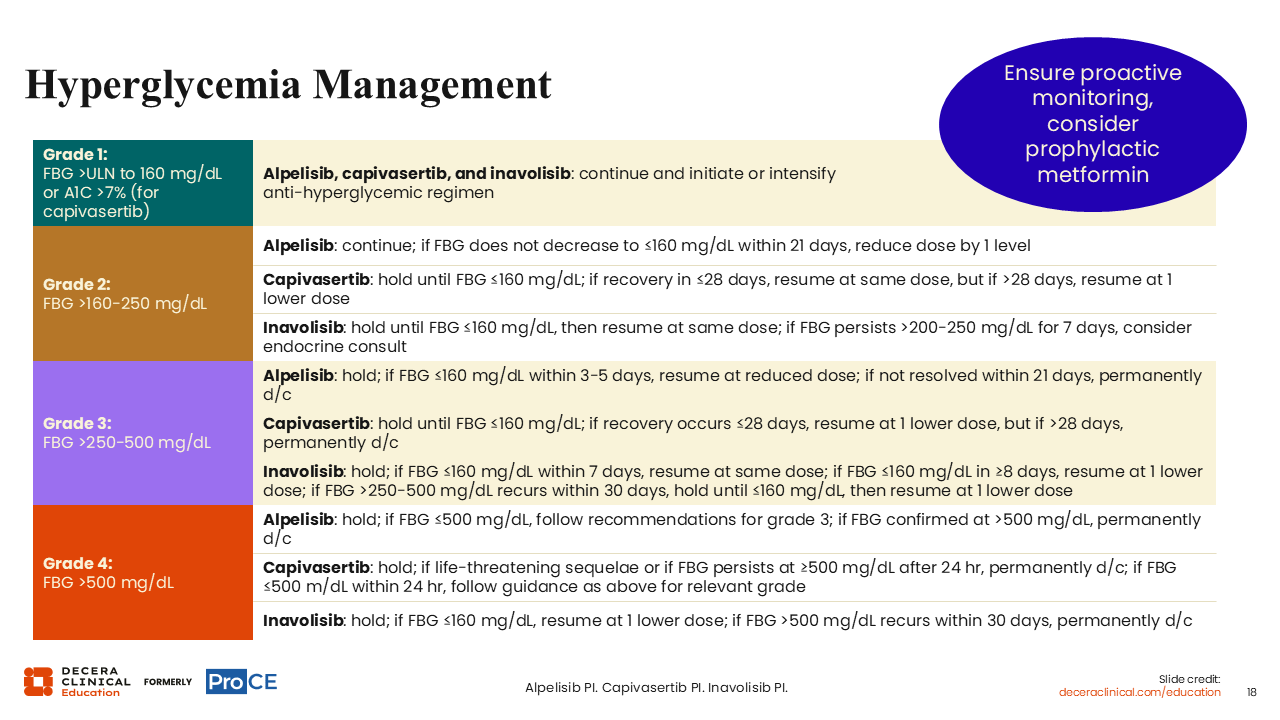
Next, I want to provide a high-level overview of hyperglycemia management. Grade 1 generally requires close monitoring with all 3 agents, but treatment can continue.
Once the hyperglycemia progresses to grade 2, defined as a fasting blood glucose >160 mg/dL, management strategies vary based on agent. For alpelisib, the recommendation is to continue therapy, whereas with capivasertib and inavolisib, the recommendation is to hold. We also see recommendations for resuming at the same dose or at a reduced dose based on how long it takes for recovery of glycemic control.
For grade 3 and 4 hyperglycemia, we hold all of these agents. Resumption depends on time to recovery and is individualized for each agent. Many times we resume at a reduced dose. For patients in the refractory setting, we may consider permanent discontinuation.8-10
Approved PARP Inhibitors: Overview
Danielle Roman, PharmD, BCOP:
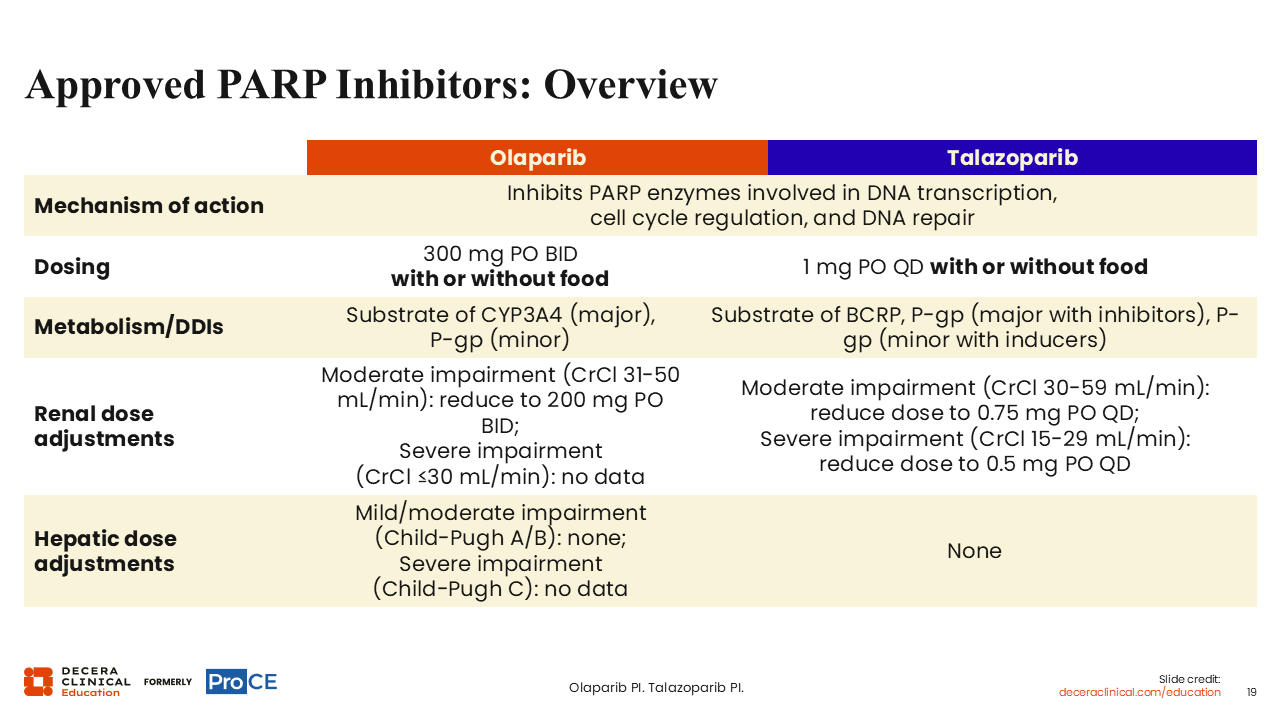
Next, I’ll cover the 2 currently approved PARP inhibitors, olaparib and talazoparib. Both inhibit PARP and are approved for deleterious or suspected deleterious germline BRCA-mutated, HER2-negative locally advanced or metastatic breast cancer. Olaparib also has an adjuvant indication for high-risk, germline BRCA-mutated, HER2-negative early breast cancer after chemotherapy; talazoparib does not.
Olaparib is given twice daily, whereas talazoparib is given once daily. Olaparib is a CYP3A substrate, and renal dose adjustments are recommended for both agents. No dose adjustment is required for mild or moderate hepatic impairment with olaparib or for hepatic impairment with talazoparib; data for olaparib in severe hepatic impairment are limited.12,13
Approved PARP Inhibitors: AE Comparison
Danielle Roman, PharmD, BCOP:
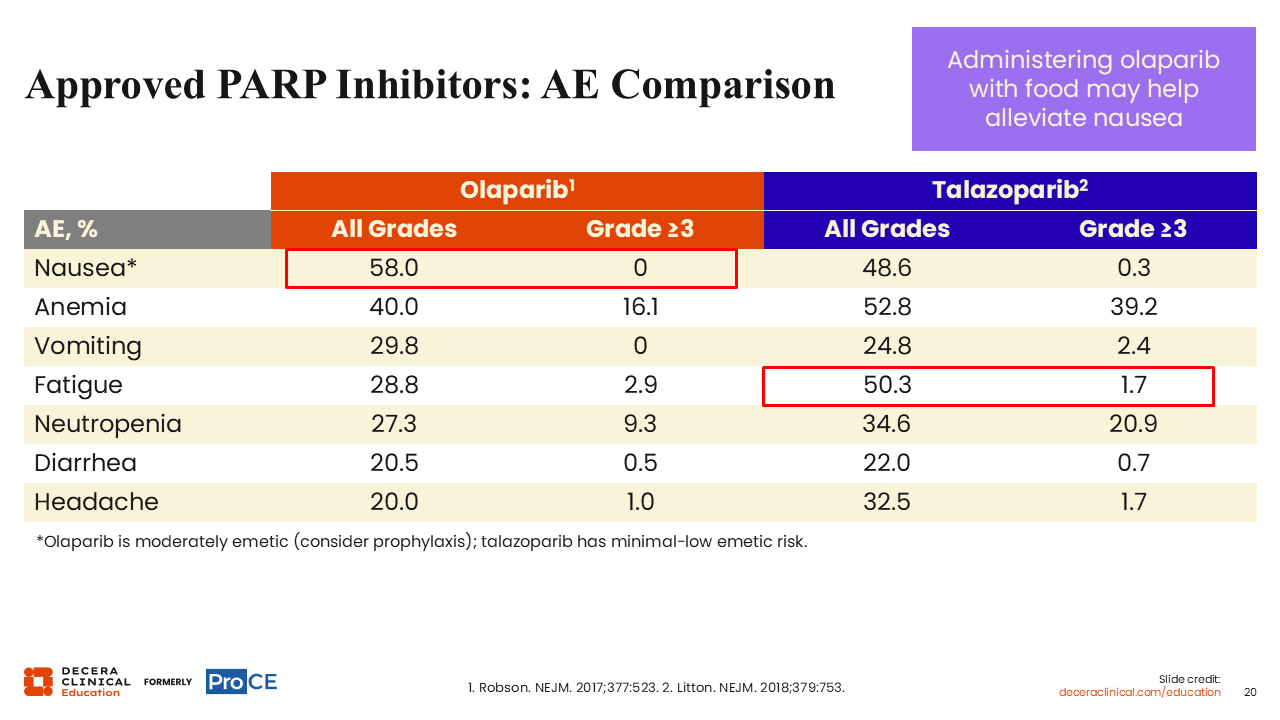
Let’s look closer at the AE profile of these 2 agents. The main AEs to keep in mind are nausea, fatigue, and anemia. Both agents can cause fatigue, with incidences being higher with talazoparib, but it is certainly an AE that is seen across this class.
I want to highlight nausea with olaparib. Generally, nausea can be optimized with supportive care strategies. Administering olaparib with food may help alleviate nausea, and patients should have an antiemetic on hand. Typically, we can start this on an as-needed basis, but for selected patients, it can be helpful to schedule an antiemetic as a prophylactic prior to each dose. Since anemia is a class effect, it is important to monitor CBC as well.14,15
AEs of Approved PARP Inhibitors
Danielle Roman, PharmD, BCOP:
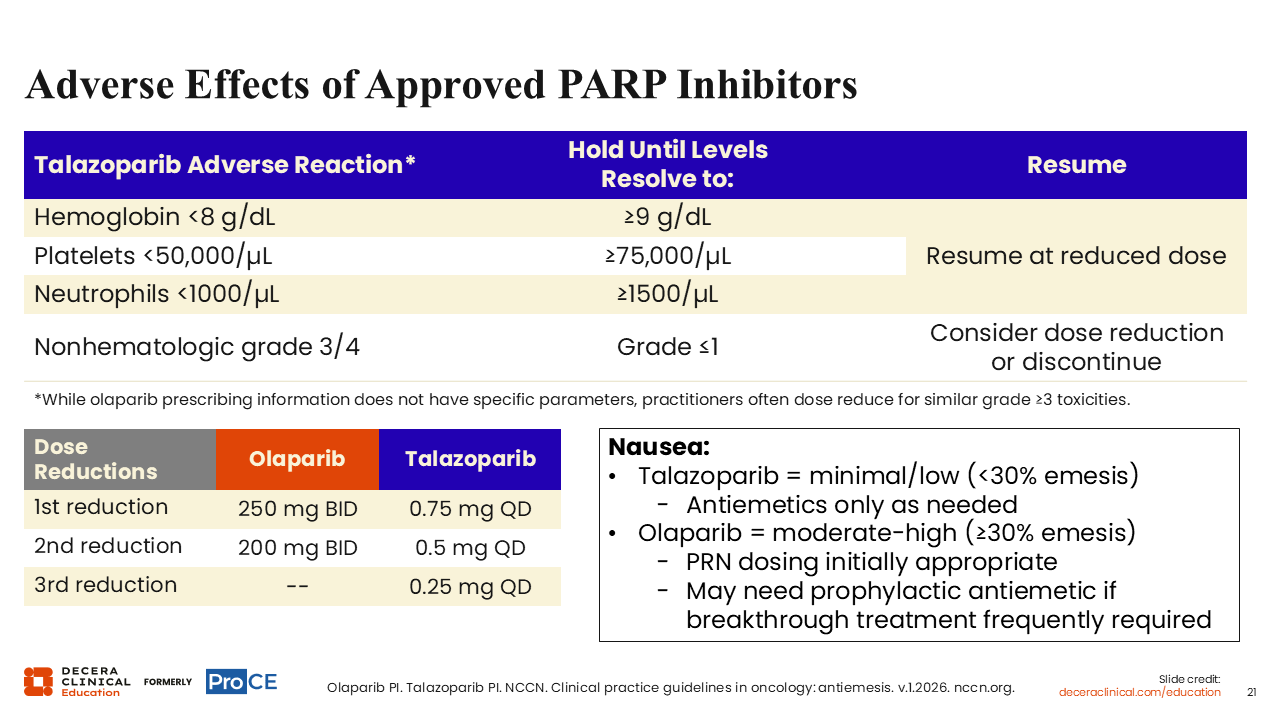
Talazoparib does have some specific recommendations for holding therapy based on the myelosuppressive effects shown here. Although there is not a specific recommendation in the prescribing information, in general, we follow similar guidance when considering a dose hold for olaparib.
I want to reiterate that olaparib is classified as moderately emetogenic. Pharmacists want to ensure that patients have a PRN available to them. It may be reasonable to start with PRN initially, but for patients who are experiencing nausea, consider prophylactic antiemetic therapy to prevent this AE as much as possible.12,13,15
Approved Oral SERDs: Overview
Danielle Roman, PharmD, BCOP:
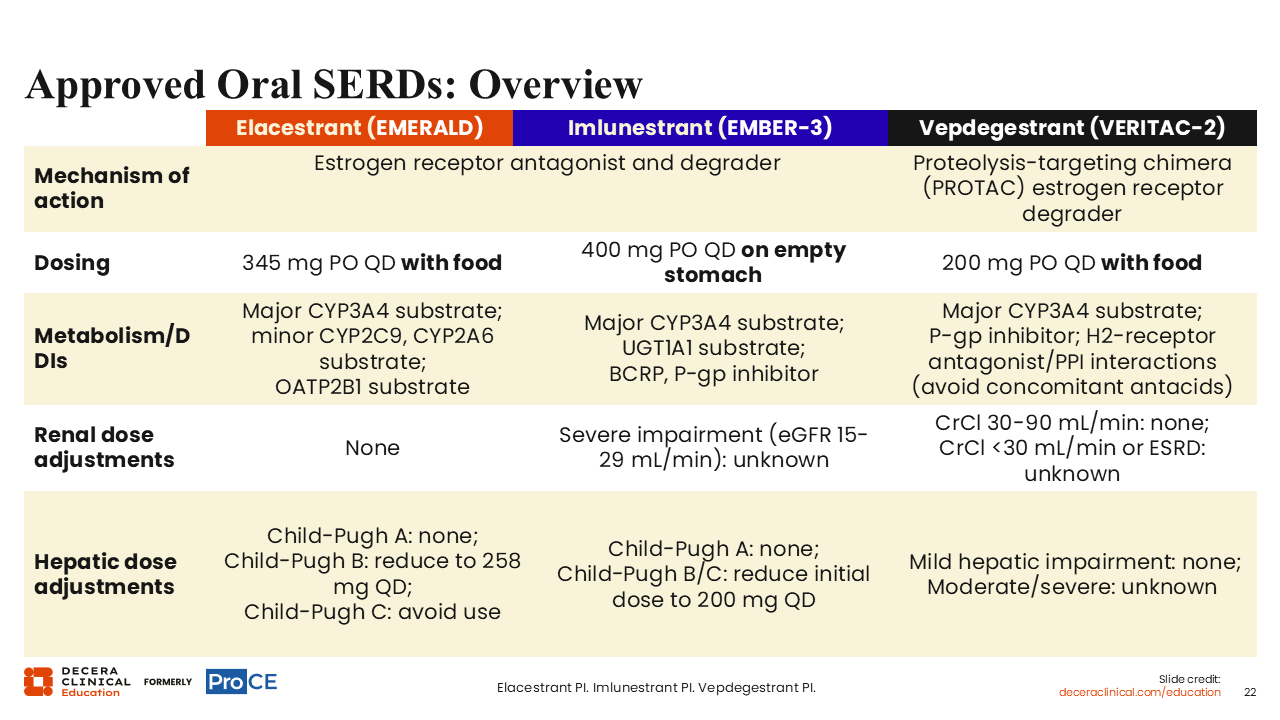
Finally, I’ll review oral SERDs. Until recently, only 2 in this class were approved: elacestrant and imlunestrant. Both are estrogen receptor antagonists, and they work by blocking and degrading the estrogen receptor. The newest addition to this class is vepdegestrant. Vepdegestrant is a proteolysis-targeting chimera (PROTAC) but also works by blocking and degrading the estrogen receptor. However, it has a slightly different mechanism of action, in that it is considered a heterobifunctional agent. It has 2 arms: 1 that binds to the estrogen receptor and 1 that binds to E3 ligase. E3 ligase tags the estrogen receptor for breakdown. Proteasomes then recognize the tag, break down the estrogen receptor, and free the PROTAC molecule to go on to the next estrogen receptor.
Whereas both elacestrant and vepdegestrant should be taken with food, imlunestrant should be taken on an empty stomach. There are a number of drug interactions to pay attention to, so drug interaction screens should be performed at the time that patients begin therapy, as well as with any medication changes. There is nothing specific to note with regard to renal dose adjustments, but for hepatic dose adjustments, imlunestrant does have recommendations to dose reduce for Child-Pugh B/C. There are also recommendations to dose reduce elacestrant for Child-Pugh B and to avoid use for Child-Pugh C.16-18
Approved Oral SERDs: Safety
Danielle Roman, PharmD, BCOP:
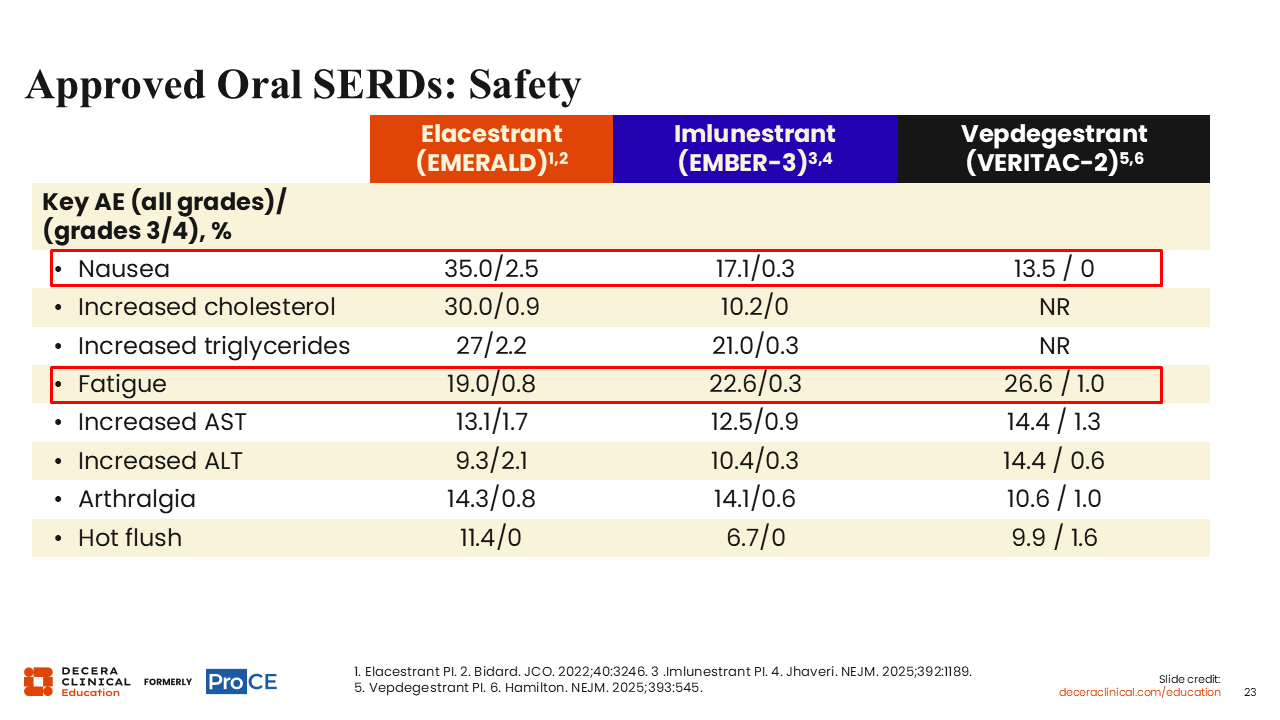
In terms of the AE profile, these agents are generally well tolerated. One of the key AEs to note is nausea. Nausea can occur across these agents but is slightly more common with elacestrant. As pharmacists, we should make sure that patients are counseled on this AE and have a PRN antiemetic at home. Although scheduling a prophylactic antiemetic can be considered, I think it is reasonable to start with PRN, which is sufficient for many patients. Fatigue is another AE to highlight with all 3 of these agents.16-18
Maintaining Adjuvant CDK4/6i Therapy to Maximize Recurrence Risk Reduction
Danielle Roman, PharmD, BCOP:
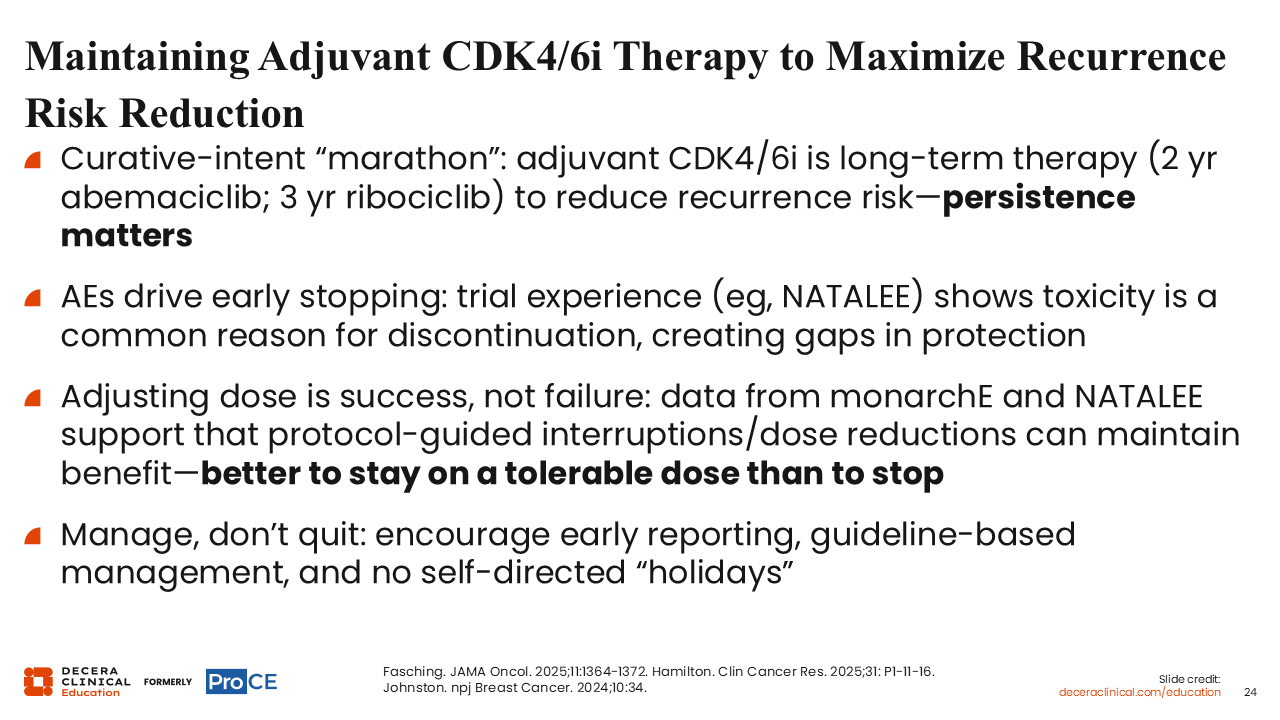
Next, I’ll review strategies for improving persistence and adherence. These treatments may continue for years, and persistence matters. Exploratory analyses from monarchE and NATALEE suggest that protocol-guided dose reductions can support continued treatment without evidence of compromised iDFS. Pharmacists should encourage early AE reporting and provide evidence-based management.
Dose Optimization Is a Marker of Good Care
Danielle Roman, PharmD, BCOP:
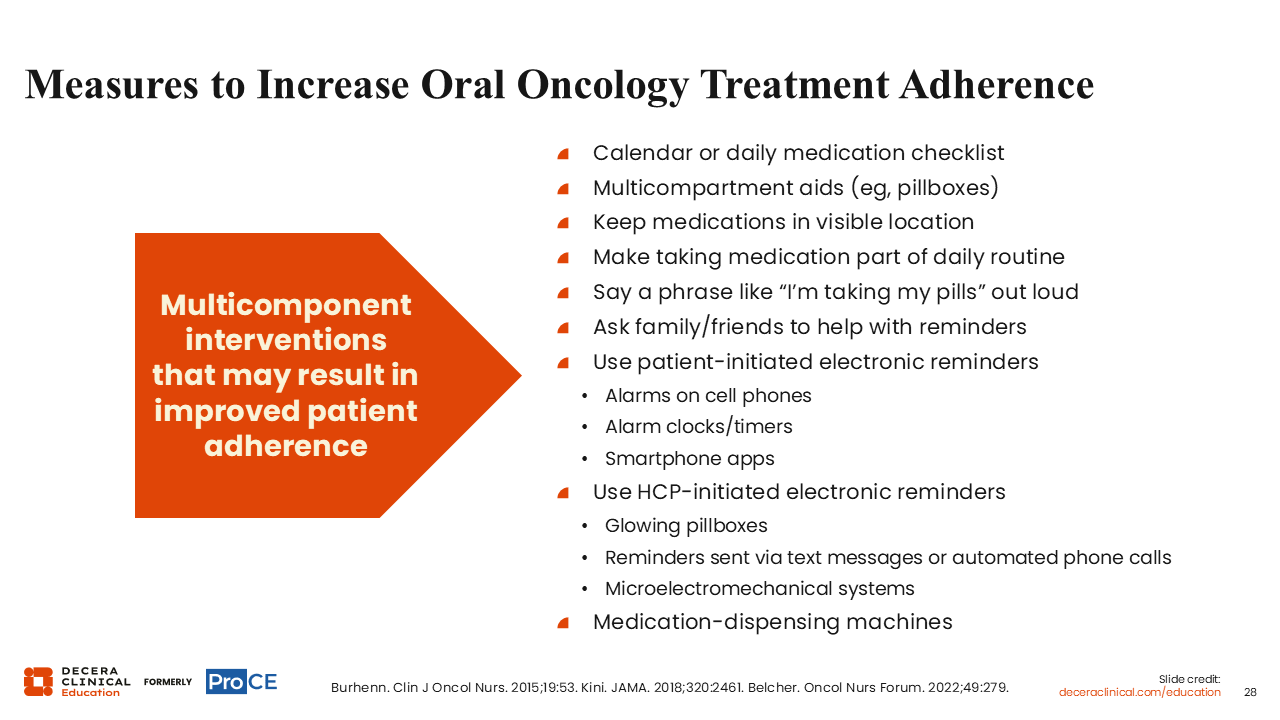
Based on data from the CDK4/6 inhibitor class, it is known in many settings that dose reduction does not impact efficacy. It is not a concern for treatment failure or necessarily a reason to switch agents unless supportive care strategies have been exhausted. Rather, dose reduction is a sign that we are providing active toxicity management, and pharmacists can be an integral part of this therapy.
Strategies to Address Potential Barriers to Care
Danielle Roman, PharmD, BCOP:
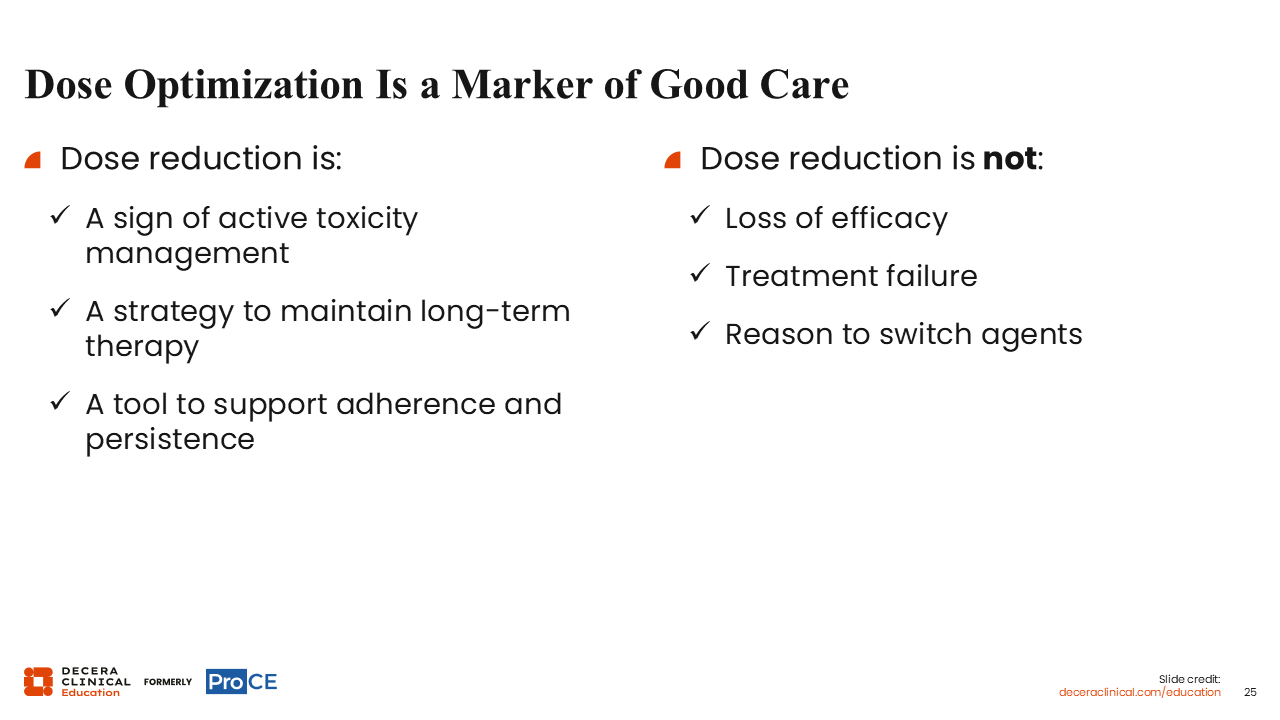
Maintaining open and ongoing communication with patients is essential. Regular follow-up allows for early identification and management of AEs, and fostering a strong patient–provider relationship helps ensure that patients feel supported and engaged in treatment decisions. Educating patients about available management strategies and encouraging timely reporting of symptoms can help them remain on therapy longer, improve treatment adherence, and ultimately enhance their quality of life.
Sometimes, financial toxicity can be a major barrier to these therapies, so having teams that can help patients navigate this can be incredibly helpful. This should be a multidisciplinary team approach.
Optimizing Education and Communication
Danielle Roman, PharmD, BCOP:
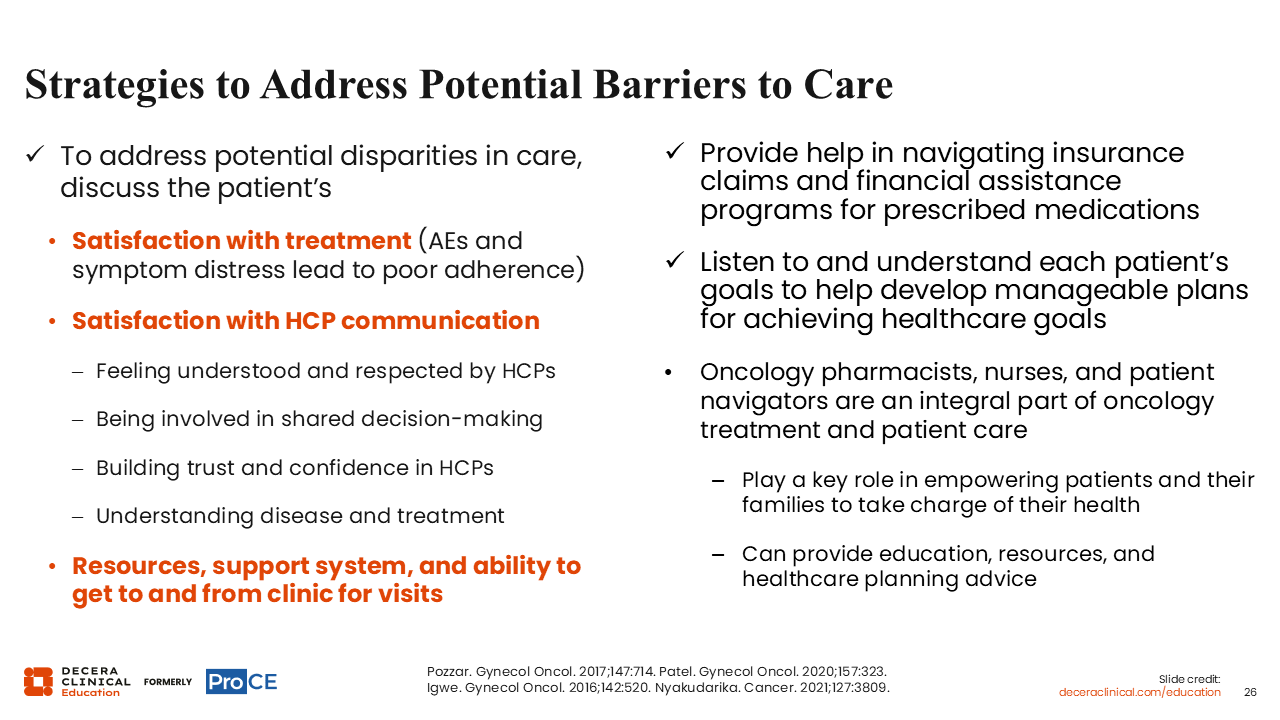
There are a number of education and communication strategies that I find helpful. A few are listed on this slide. Encouraging patients to have a family member present as well as having a pharmacist involved in an education session can be incredibly helpful. We know these agents well and are providing long-term follow-up. This is not just a one-time education session for most patients: it involves following up and providing the information in different forms, such as medication calendars or written information.
Measures to Increase Oral Oncology Treatment Adherence
Danielle Roman, PharmD, BCOP:
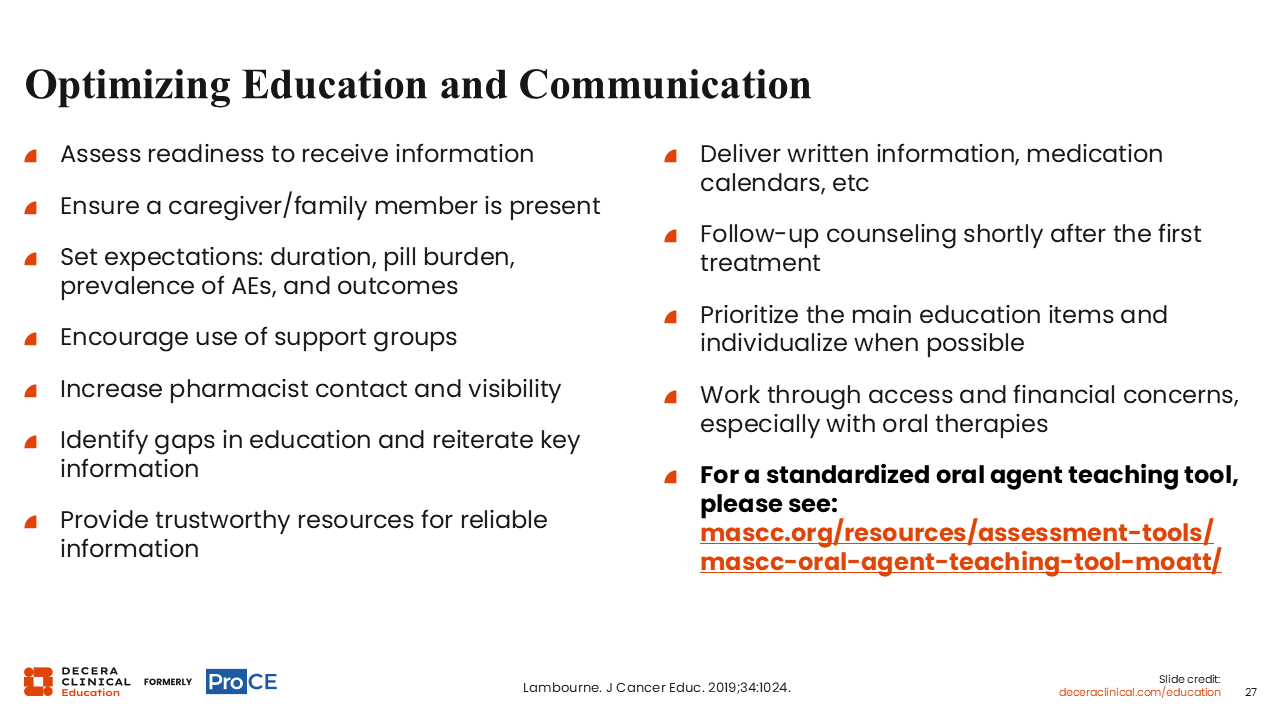
This slide lists strategies for increasing adherence, including calendars, other aids such as medication pill boxes, having friends and family members to help keep accountability, and electronic reminders. All of these approaches, and often a combination, can be helpful for patients.
Reflect and Connect: Keeping Patients on Therapy Safely
Danielle Roman, PharmD, BCOP:
Let’s briefly discuss a case. A patient starting on capivasertib and fulvestrant is very concerned about the AE profile of diarrhea, rash, and hyperglycemia and notes the complicated 4 days on and 3 days off dosing schedule. She says to you, "I want to stay on treatment, but I am worried I am going to mess up the schedule or have side effects that are going to make me stop therapy." What would you say to this patient to help keep her on therapy?
Jordan Hill, PharmD, BCOP:
I think this is a great space for pharmacist intervention. These medications are very complicated, not just their side effects but also their schedules. Fortunately, there are many interventions that we can try to make this patient feel more comfortable.
Starting with the schedule, I would make sure this patient has a calendar and would consider identifying a support system that can assist, like phone reminders, to help with adherence. The other part of adherence is making sure patients feel well on treatment, so adequate prophylaxis approaches can help prevent many of these side effects. I would also educate her on when to reach out and at what point to move beyond over-the-counter medicines if there is no improvement.
Danielle Roman, PharmD, BCOP:
I agree. The schedule is challenging, particularly in patients managing multiple concurrent medications. I have found that calendars with check boxes are helpful. I also agree with the close follow-up, particularly for a patient like this. I would check in with them within the first week and make sure they can relay all the information discussed in the initial education session.