 Back
Back
CE
Targeted Therapy Advances in HR+/HER2- Breast Cancer: Best Practices for Oncology Pharmacists
Pharmacists: 0.50 contact hour (0.05 CEUs)
Released: July 31, 2026
Expiration: January 30, 2027


Activity
Treatment Algorithm for Adjuvant Targeted Therapy in HR+/HER2- EBC
Jordan Hill, PharmD, BCOP:
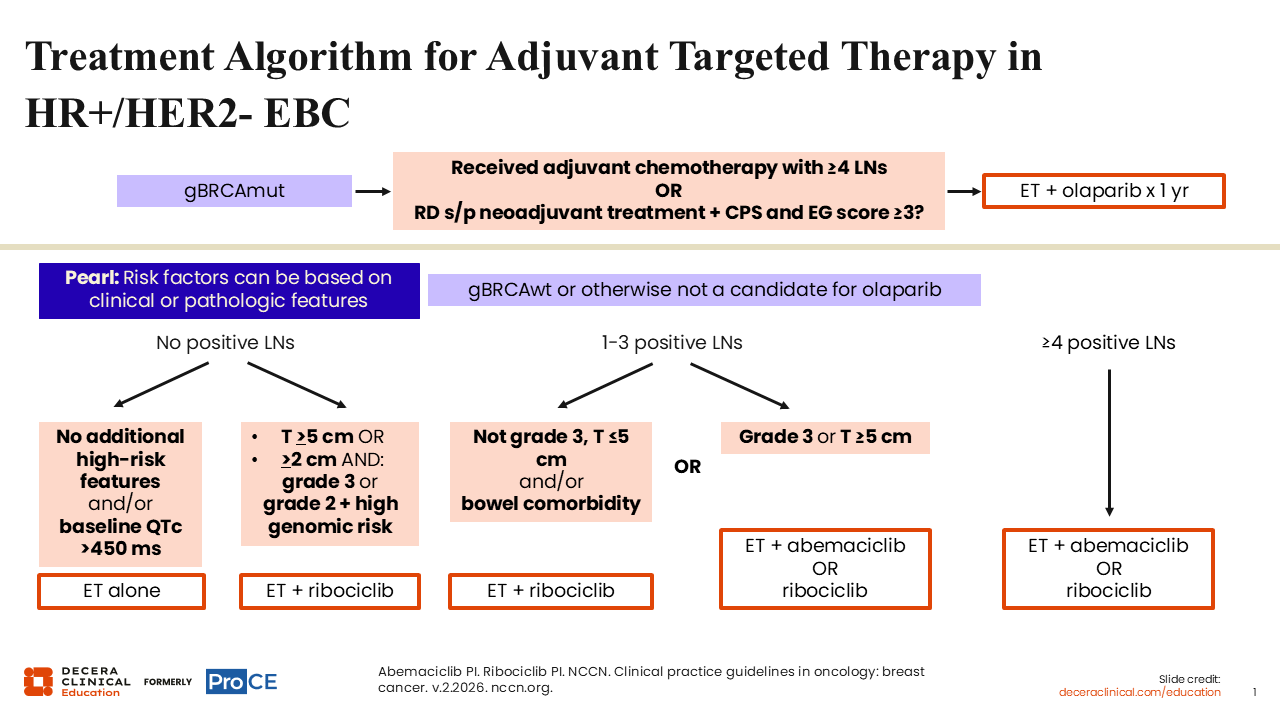
Let’s start by reviewing the data with oral targeted therapies in HR-positive/HER2-negative early breast cancer (EBC). The goal of these therapies is to minimize recurrence risk in patients with high-risk disease. This includes patients with germline BRCA-mutated disease who meet high-risk criteria, as well as patients with germline BRCA wild-type disease and high-risk clinical features, such as tumors measuring ≥2 cm with additional high-risk features or positive lymph nodes.1
What Is “High Risk” in HR+/HER2- EBC?
Jordan Hill, PharmD, BCOP:
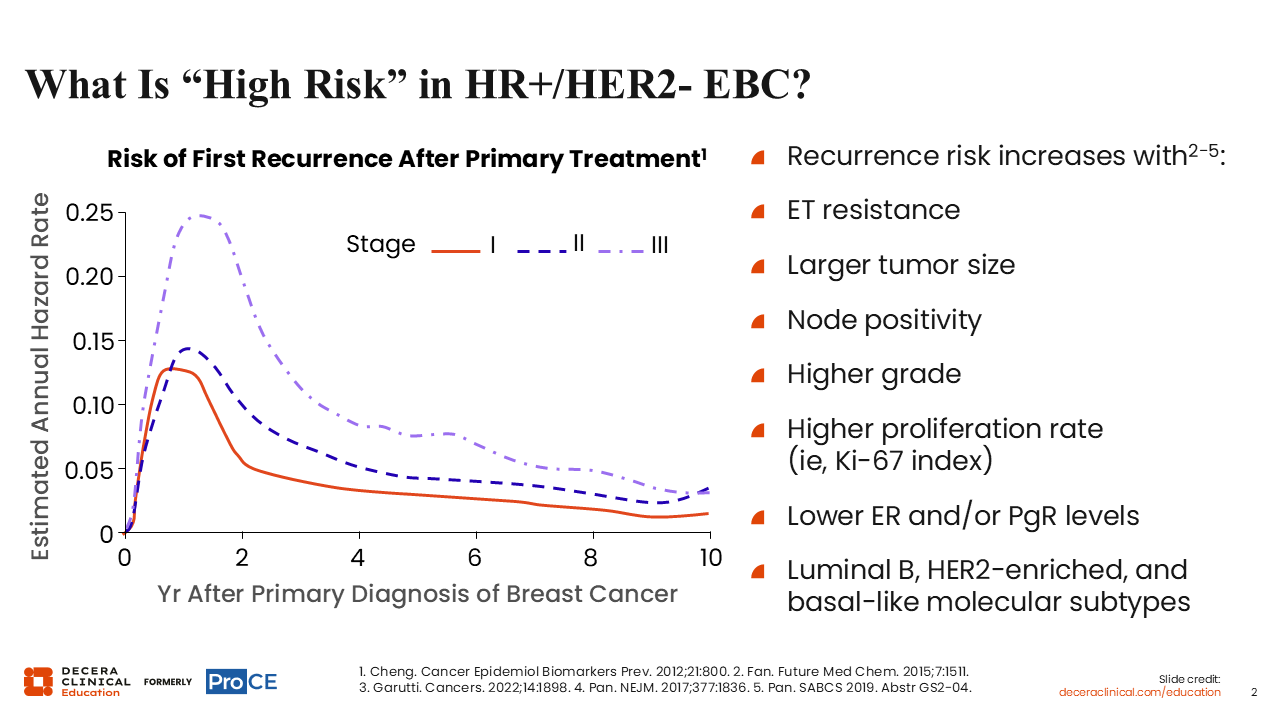
How is high risk defined in HR-positive/HER2-negative EBC? Recurrence risk increases with larger tumor sizes, node positivity, higher grades, higher proliferation rates, certain subtypes, and lower estrogen receptor (ER) and/or progesterone receptor levels. Many of these clinical factors are accounted for in the inclusion criteria for EBC-targeted therapies.2-5
Adjuvant EBC Trials With CDK4/6 Inhibitors
Jordan Hill, PharmD, BCOP:
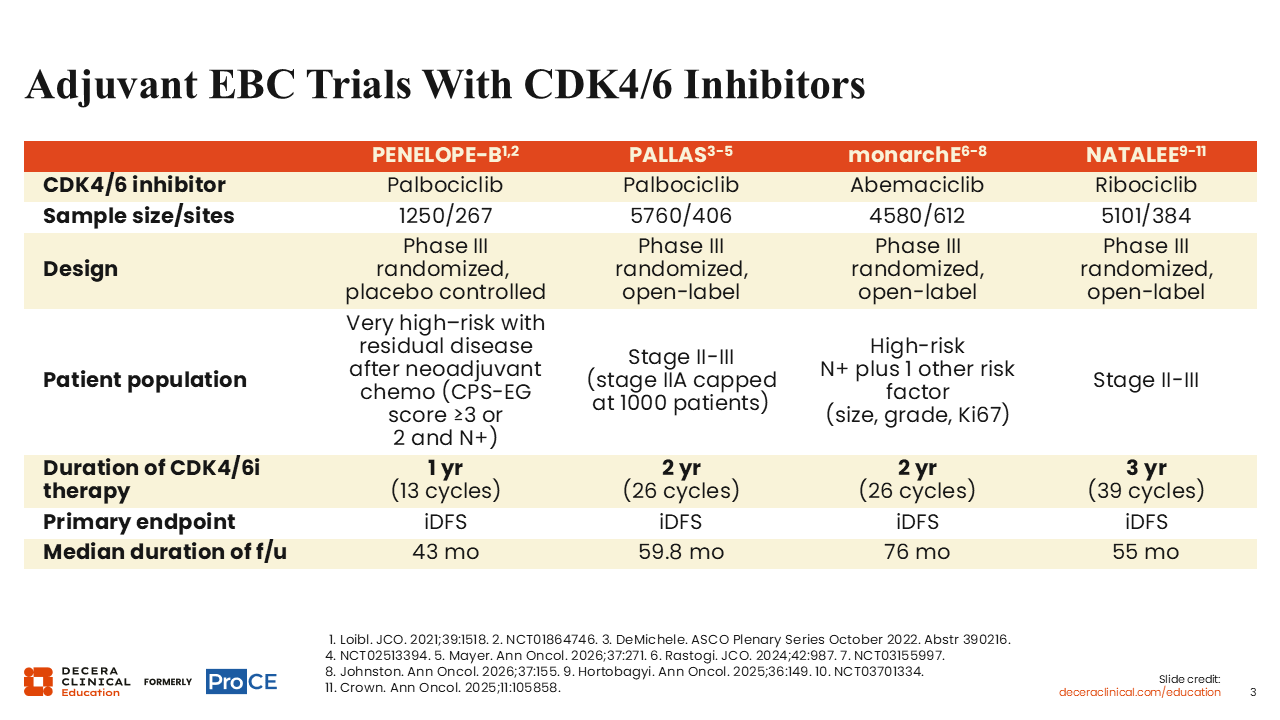
Several studies have evaluated the use of adjuvant CDK4/6 inhibitors, with varying definitions of high risk as well as durations of adjuvant CDK4/6 inhibitor therapy. There were 2 trials with positive results: monarchE and NATALEE.
monarchE included patients who had either 1-3 positive nodes and an additional high-risk feature or 4 positive nodes. Patients received abemaciclib 150 mg twice daily for 2 years combined with endocrine therapy (ET).6
NATALEE differed slightly in trial design, in that patients with 1-3 positive nodes were not required to have an additional high-risk feature, and some node-negative patients were included if they had a tumor measuring ≥2 cm and an additional high-risk feature. Patients received 3 years of ribociclib dosed at 400 mg on Days 1 through 21 of a 28-day cycle combined with a nonsteroidal aromatase inhibitor (NSAI).7
monarchE: Sustained iDFS Benefit at 7 Yr
Jordan Hill, PharmD, BCOP:
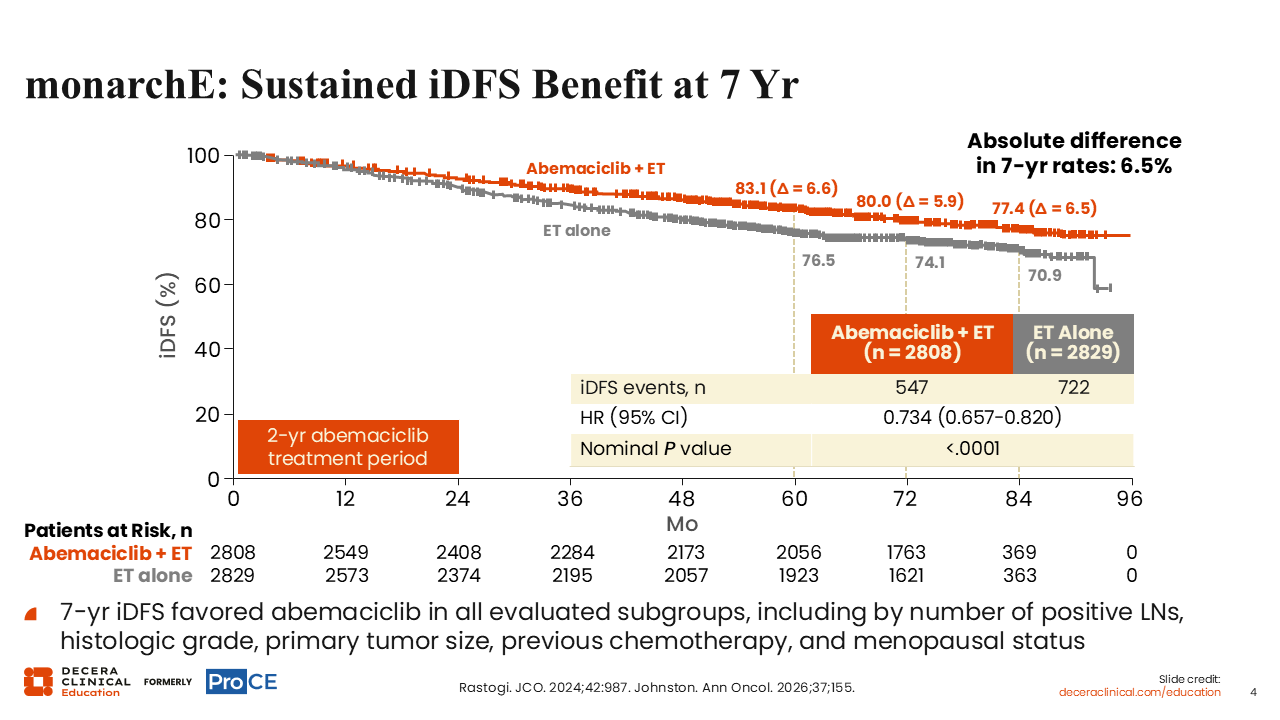
In monarchE, 2 years of abemaciclib significantly (P <.0001) improved invasive disease-free survival (iDFS), the primary endpoint, vs ET alone, as demonstrated by the Kaplan-Meier curves shown on this slide. At 7 years, the iDFS benefit was sustained, with a 6.5% difference between treatment arms.6
monarchE: OS in ITT (Key Secondary Endpoint)
Jordan Hill, PharmD, BCOP:
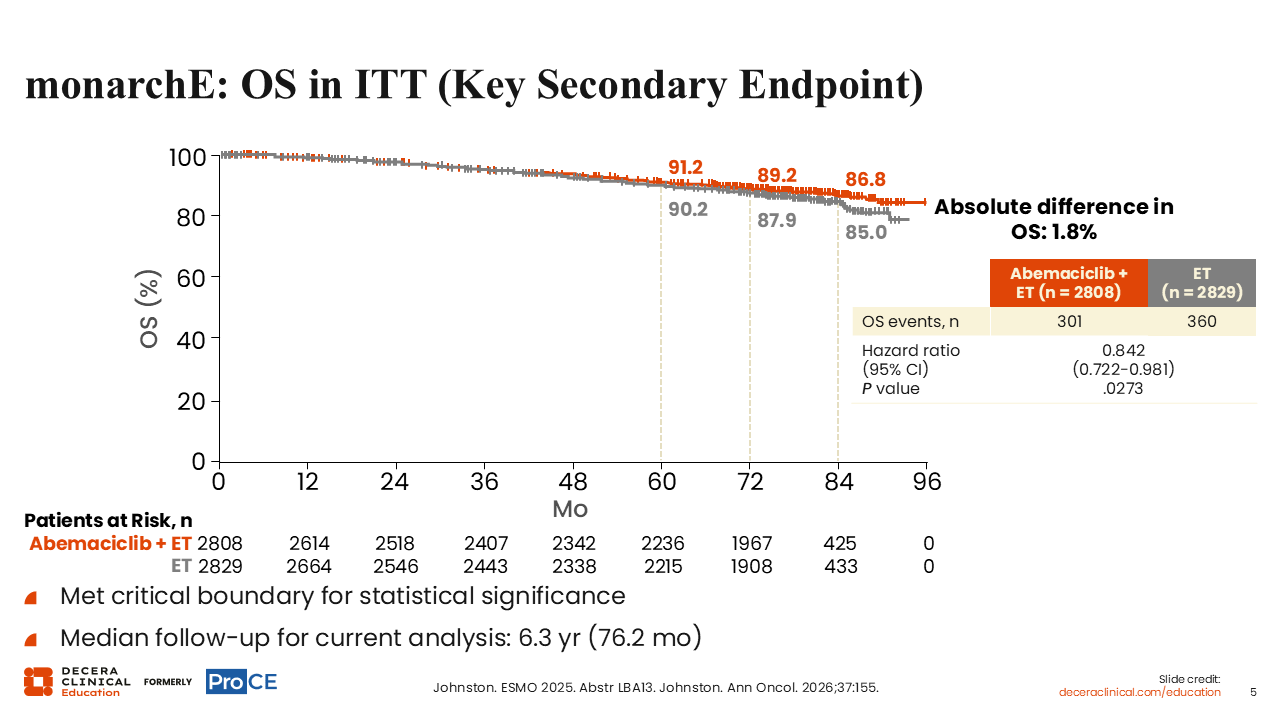
Two years of abemaciclib also significantly (P = .0273) improved overall survival (OS) vs ET alone. At a median follow-up of 6.3 years, the absolute difference in OS was 1.8%.6
NATALEE: iDFS
Jordan Hill, PharmD, BCOP:
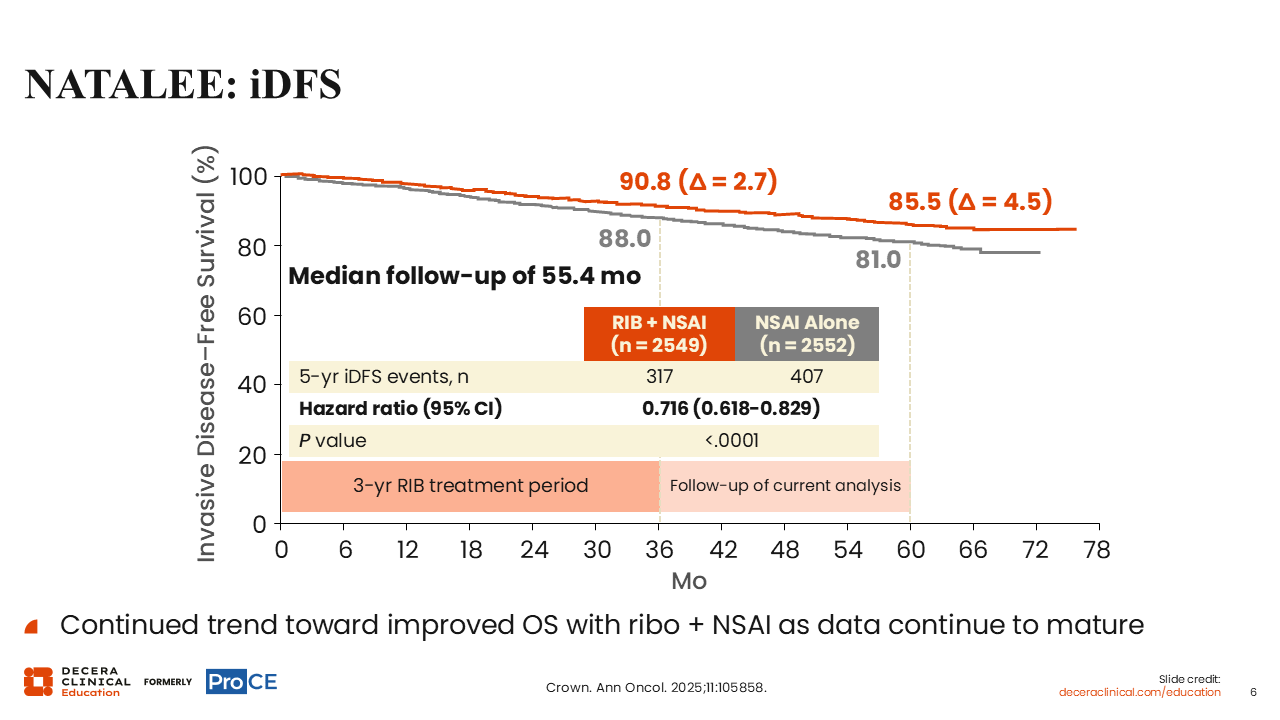
Although NATALEE does not have as long a follow-up period as monarchE, there were significant (P <.0001) improvements in iDFS, the primary endpoint, in the ribociclib plus NSAI arm vs the NSAI alone arm. Similar to monarchE, the absolute differences in iDFS are continuing to increase in magnitude with each additional year of follow-up, which is very promising, so longer follow-up data from NATALEE are eagerly awaited.
OS data are immature, but a continued trend toward improved OS with the addition of ribociclib has been noted.7
Biomarker Testing for Breast Cancer: BRCA
Jordan Hill, PharmD, BCOP:
Patients with germline BRCA mutations are at an increased risk of recurrence given the aggressive clinical and biological features that tend to be associated with these mutations. Prevalence does differ by ethnicity, race, and age. Recommendations for testing include triple-negative breast cancer regardless of age, individuals meeting criteria for a personal or family history, male sex, and when considering olaparib as adjuvant therapy.1,8

OlympiA: Adjuvant Olaparib vs Placebo for BRCA1/2m High-Risk,HER2- EBC
Jordan Hill, PharmD, BCOP:
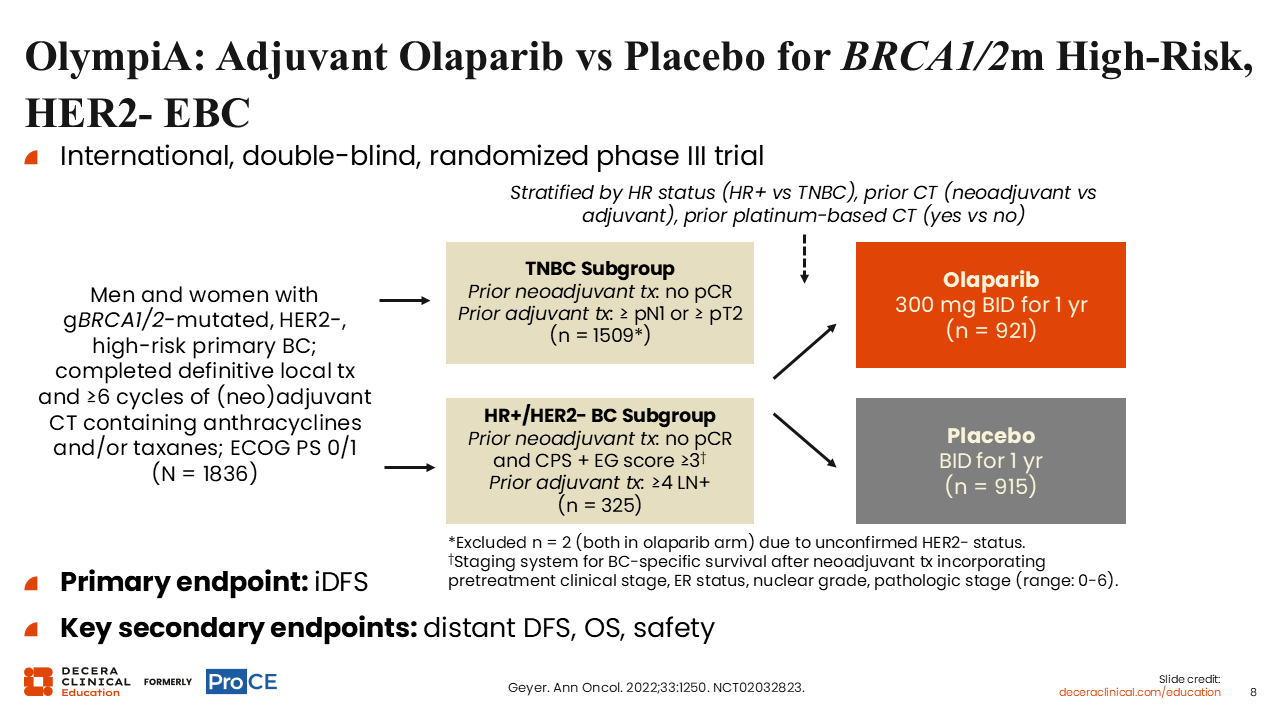
The phase III OlympiA trial evaluated 1 year of adjuvant olaparib in patients with high-risk, germline BRCA1/2-mutated, HER2-negative EBC. High-risk criteria differed by subtype and treatment setting. For triple-negative breast cancer, patients treated with adjuvant chemotherapy had pT2 and/or pN1 disease, whereas those treated with neoadjuvant chemotherapy had residual invasive disease. Patients with HR-positive/HER2-negative disease required ≥4 positive nodes after adjuvant chemotherapy or residual disease after neoadjuvant chemotherapy with a CPS+EG score ≥3. The primary endpoint was iDFS.9
OlympiA: iDFS in ITT (Third Interim Analysis)
Jordan Hill, PharmD, BCOP:
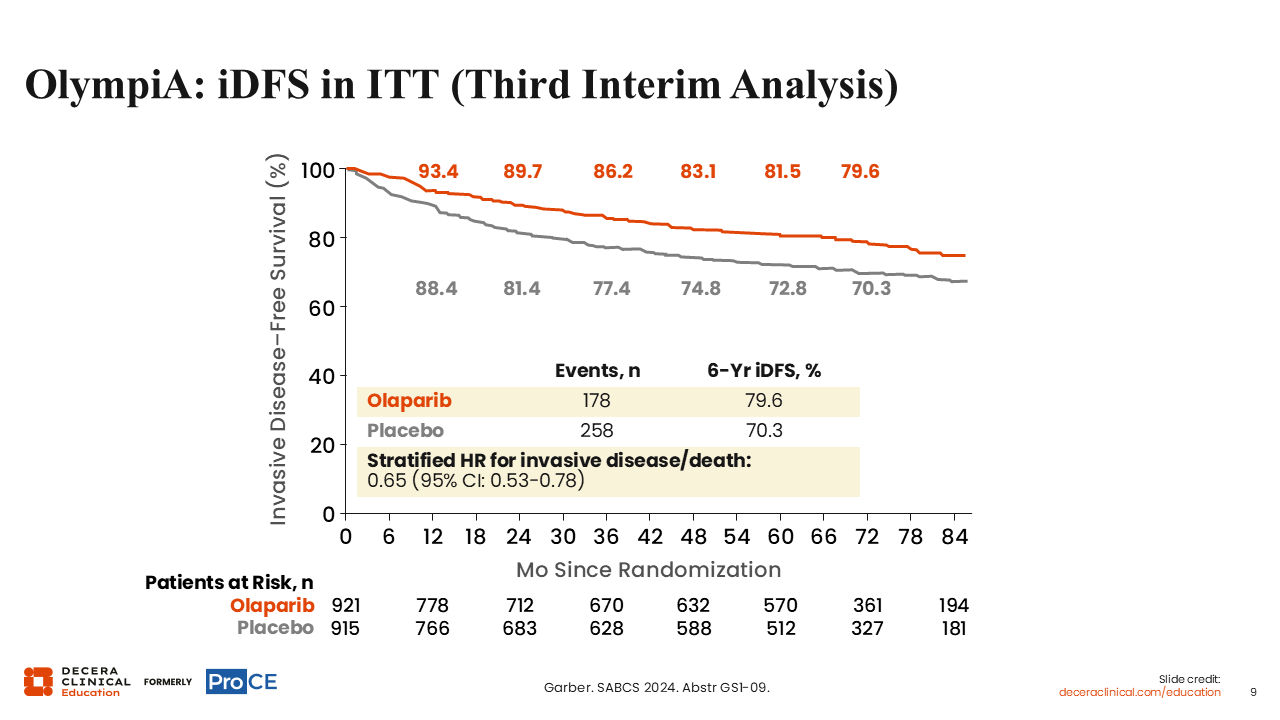
At the third interim analysis, patients who were randomized to receive olaparib 300 mg twice daily for 1 year continued to demonstrate a meaningful improvement in iDFS, with 6-year iDFS rates of 79.6% vs 70.3% with olaparib vs placebo (hazard ratio: 0.65).10
OlympiA: OS in ITT (Third Interim Analysis)
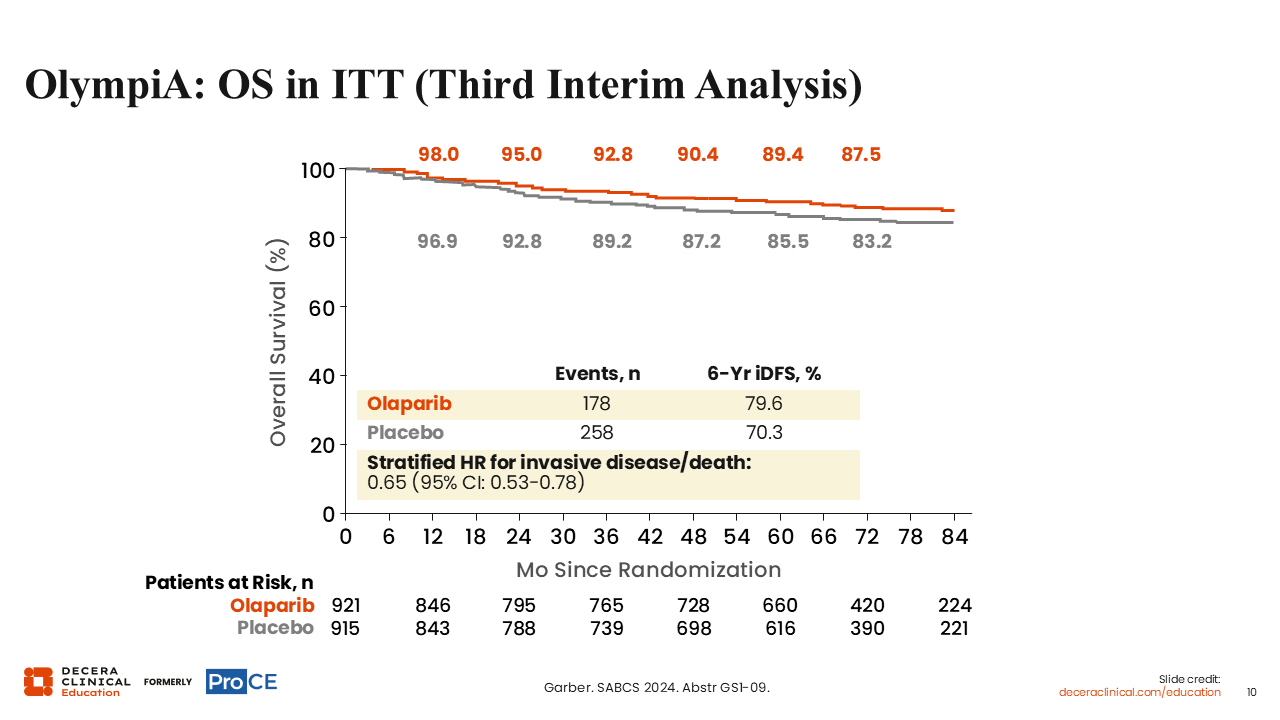
A similar trend in OS was observed, with 6-year OS rates of 87.5% vs 83.2% with olaparib vs placebo (hazard ratio: 0.72).10
Overall, these are very exciting improvements for this high-risk patient group.
Treatment Algorithm for HR+/HER2- MBC
Jordan Hill, PharmD, BCOP:
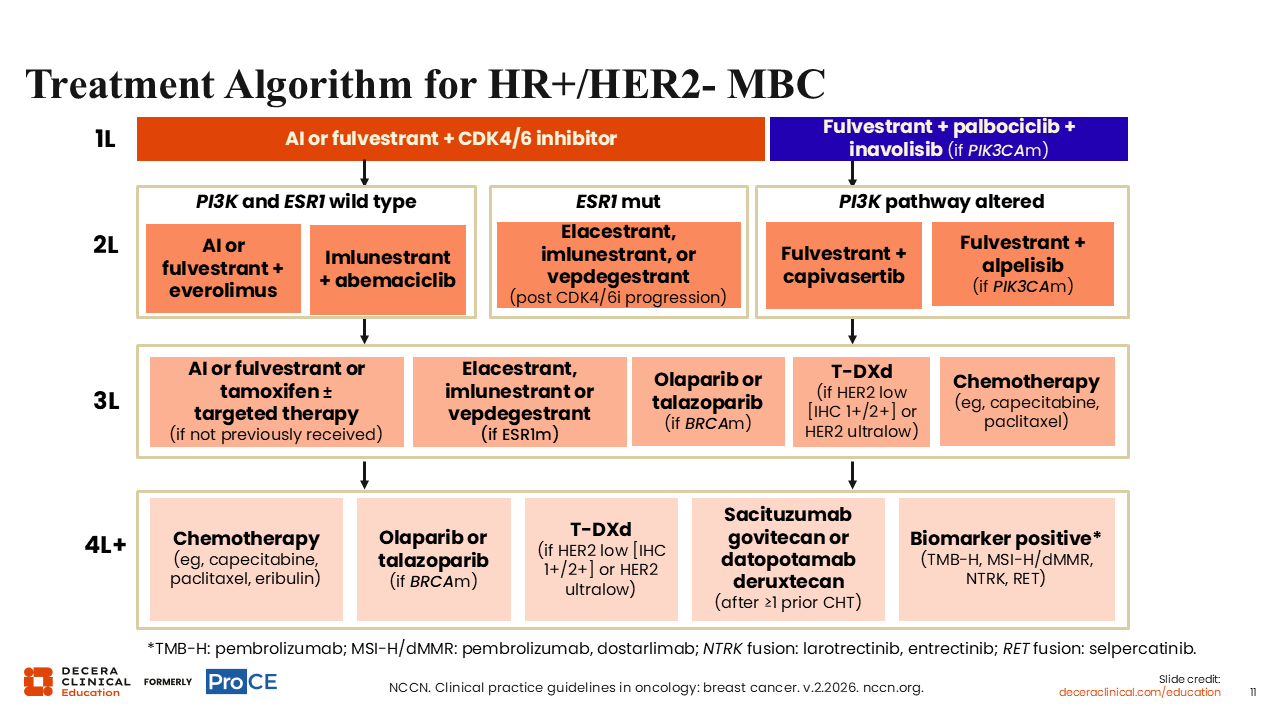
Let’s now turn to the MBC space. For HR-positive/HER2-negative MBC, the treatment algorithm is heavily biomarker driven, with even first-line therapy often dependent on the presence of certain biomarkers.1
Role of Biomarker Testing in ER+/HER2- MBC
Jordan Hill, PharmD, BCOP:
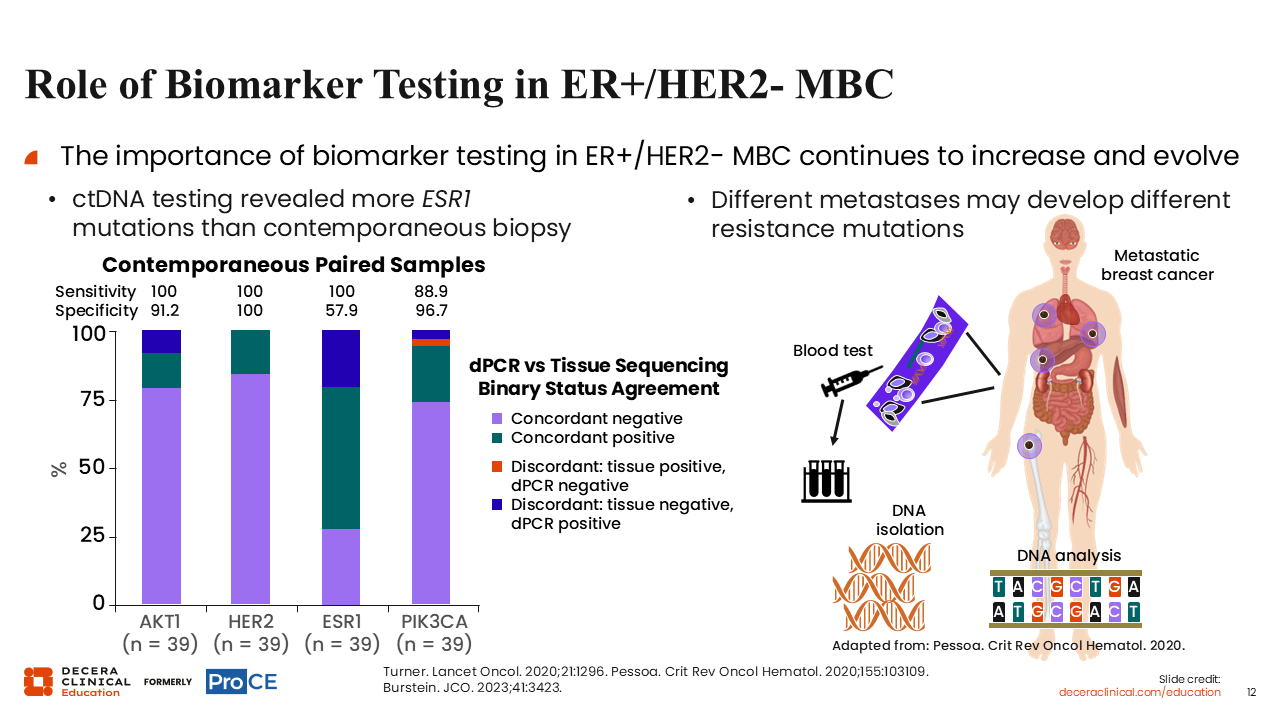
Biomarker testing is done 1 of 2 ways: through circulating tumor DNA (ctDNA), which is better able to account for heterogeneity, or through tissue, which can be beneficial in the setting of very low amounts of ctDNA. Another important consideration is timing, as new genomic alterations can develop as the cancer progresses.11-13
Utility of Tumor Genomic Profiling in MBC
Jordan Hill, PharmD, BCOP:
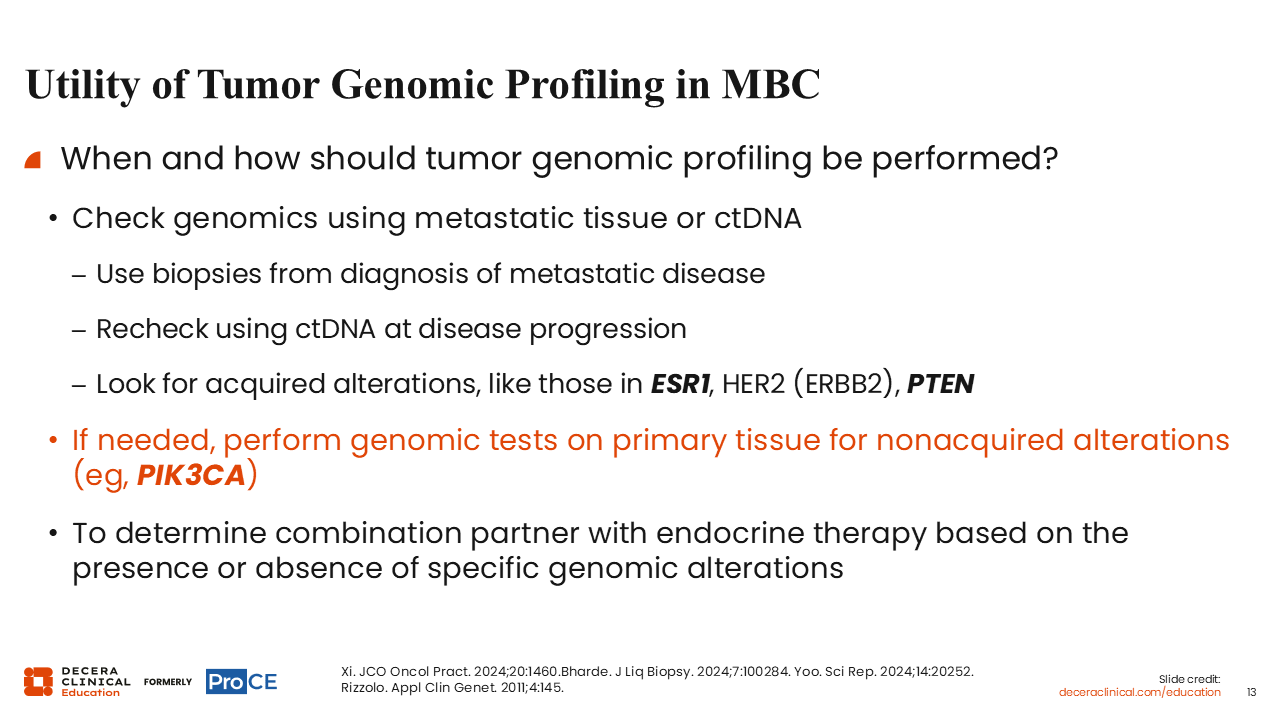
When an acquired alteration such as an ESR1 mutation is clinically relevant, testing at progression is important. PIK3CA alterations are often present earlier and can sometimes be assessed in archival primary or metastatic tissue. However, repeat testing may be appropriate if prior testing was negative, incomplete, or no longer representative.13,14
Biomarkers Associated With FDA-Approved Therapies
Jordan Hill, PharmD, BCOP:
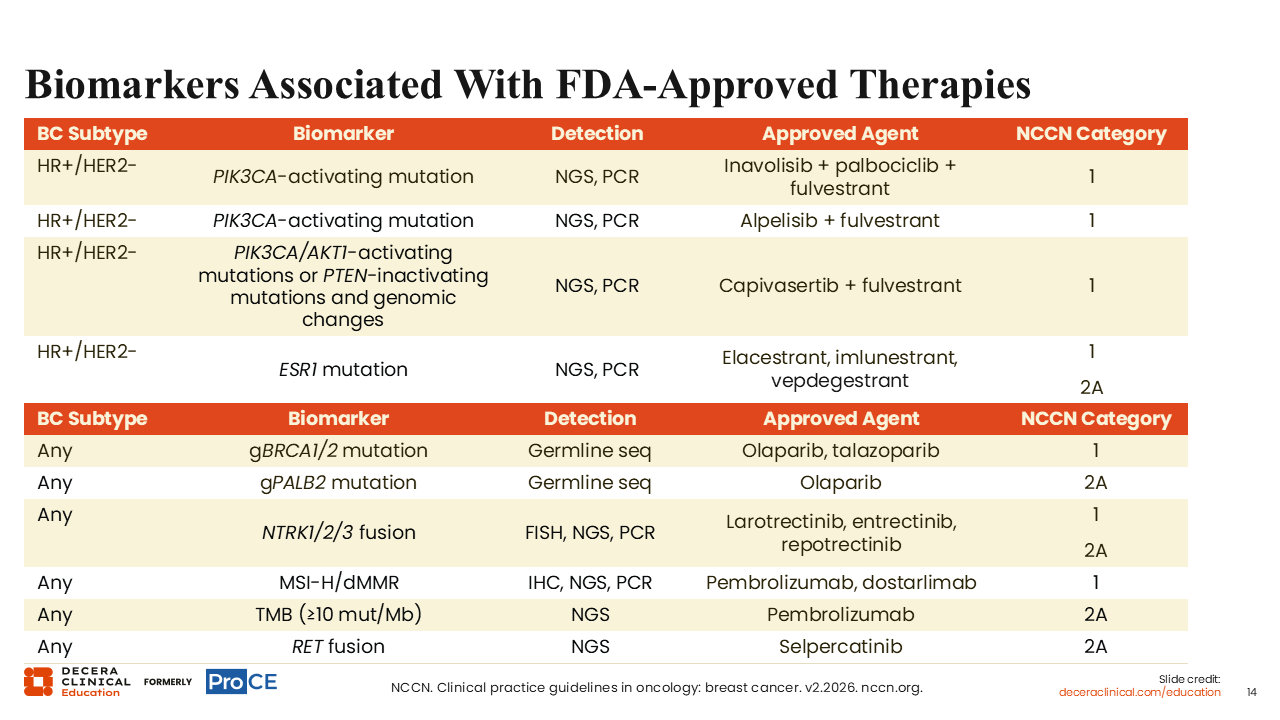
Although there are numerous biomarker-associated therapies in MBC, our focus will be on those used specifically in HR-positive/HER2-negative disease. These include the inavolisib/palbociclib/fulvestrant triplet for PIK3CA-mutated early relapse, alpelisib plus fulvestrant for PIK3CA-mutated disease, capivasertib plus fulvestrant for PIK3CA/AKT1/PTEN-altered disease, and approved ESR1-directed therapies.
INAVO120: First-line Therapy for Early Relapse and PIK3CA-Mutated HR+/HER2- Advanced/Metastatic BC
Jordan Hill, PharmD, BCOP:
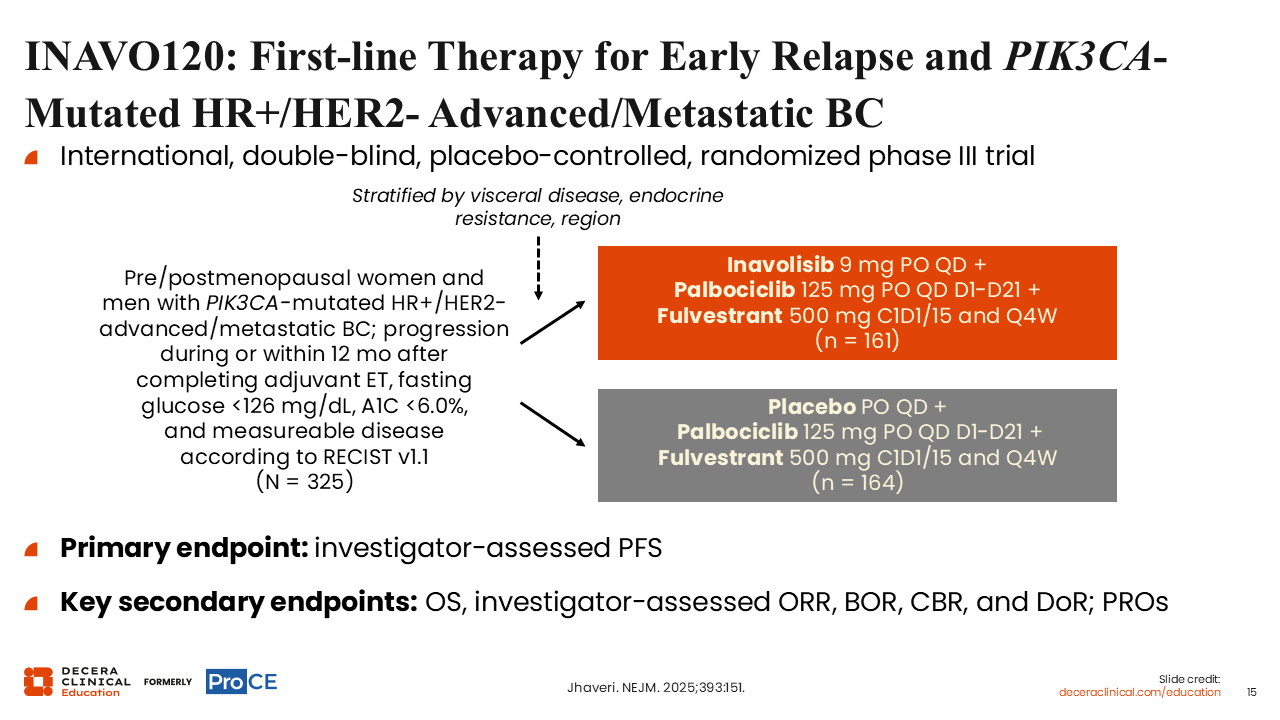
The targeted therapy inavolisib was studied in the phase III INAVO120 trial, in which patients were randomized to receive either a triplet combination of inavolisib, palbociclib, and fulvestrant or placebo, palbociclib, and fulvestrant. In addition to having a PIK3CA mutation, these patients were also required to have progressed either during or within 12 months of completing adjuvant ET. Therefore, the trial enrolled a selected population with PIK3CA-mutated, endocrine-resistant disease rather than all first-line patients with a PIK3CA mutation. The primary endpoint was investigator-assessed PFS.15
INAVO120: PFS and OS
Jordan Hill, PharmD, BCOP:
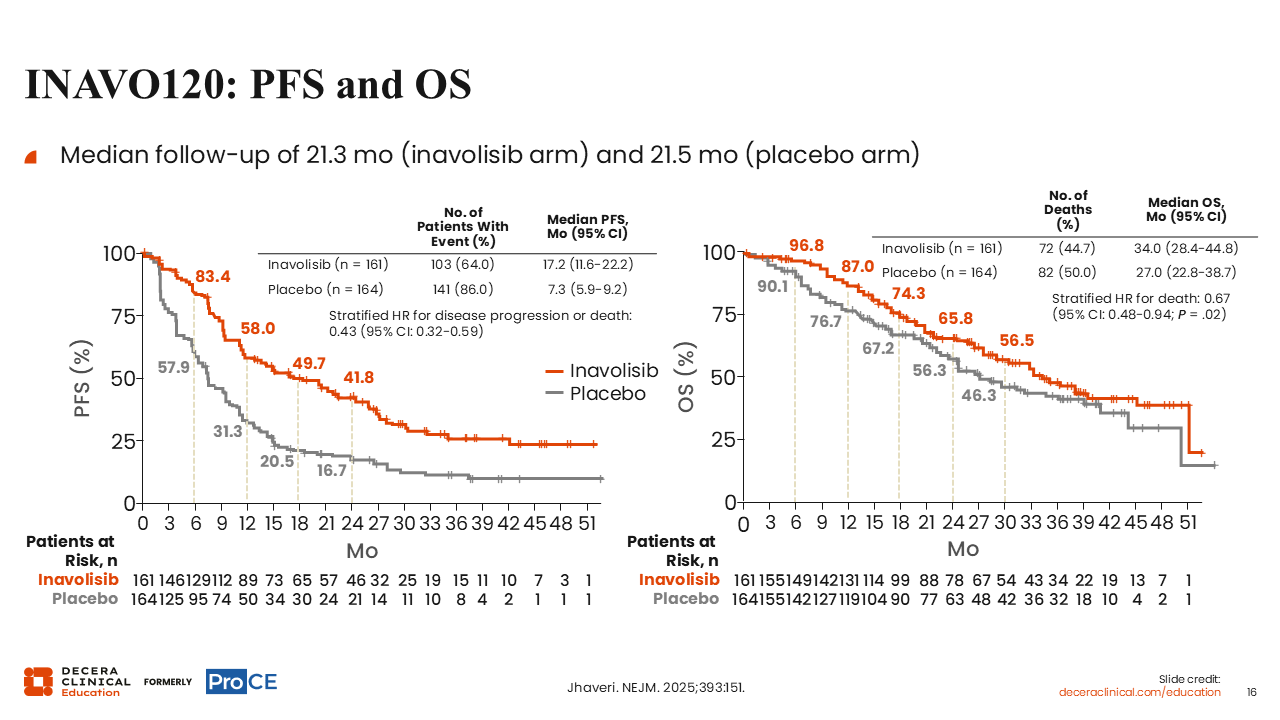
With a median follow-up of just under 2 years, there was an early and sustained separation of PFS curves (left), with a median PFS of 17.2 vs 7.3 months for inavolisib vs placebo and 24-month PFS rates of 41.8% vs 16.7%. Also reported was a 7-month and statistically significant improvement in OS with inavolisib (hazard ratio: 0.67; P = .02). This is encouraging as this population is typically associated with a poorer prognosis given their rapid progression.15
CAPItello-291: Capivasertib + Fulvestrant in AI-Resistant, HR+/HER2- ABC
Jordan Hill, PharmD, BCOP:
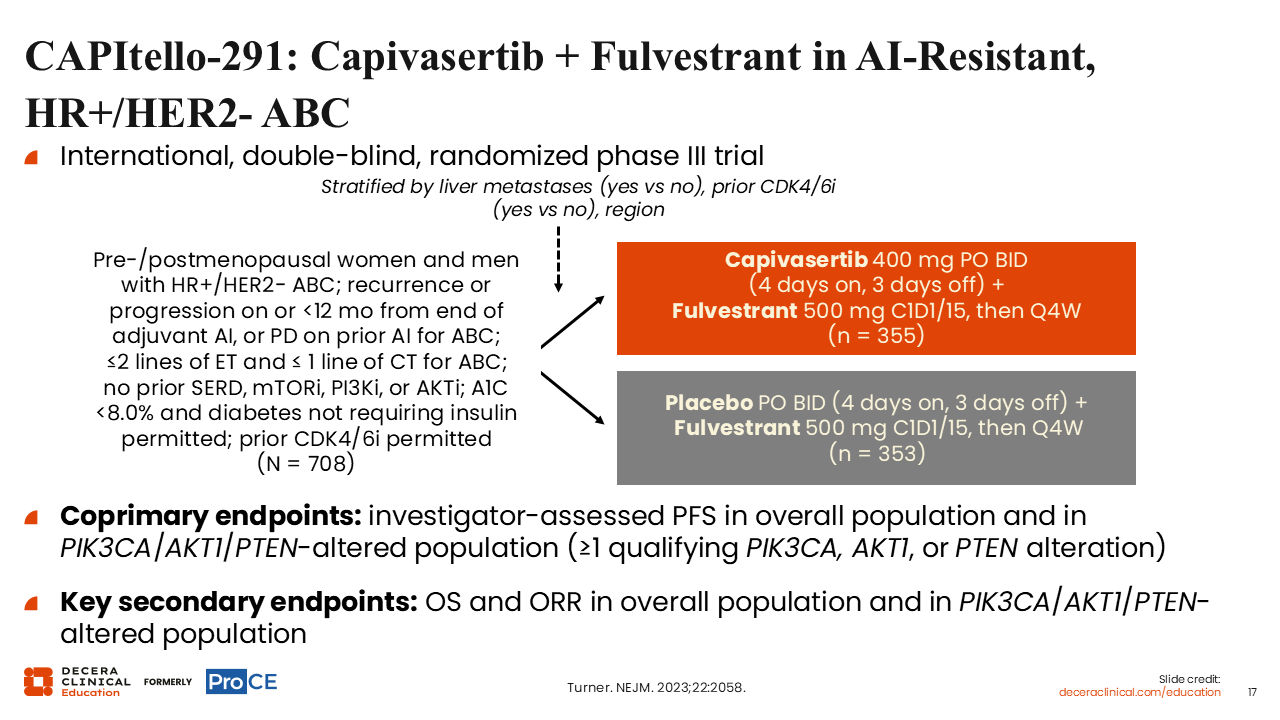
The phase III CAPItello-291 trial evaluated capivasertib in combination with fulvestrant vs placebo and fulvestrant in the second-line setting. Here, patients had to have received ≥1 prior line of ET, with the majority having received a prior CDK4/6 inhibitor. The coprimary endpoints were investigator-assessed PFS in the overall population and in the population harboring a PIK3CA/AKT1/PTEN alteration.16
CAPItello-291: PFS in Overall Population and Patients With AKT-Pathway Alteration
Jordan Hill, PharmD, BCOP:
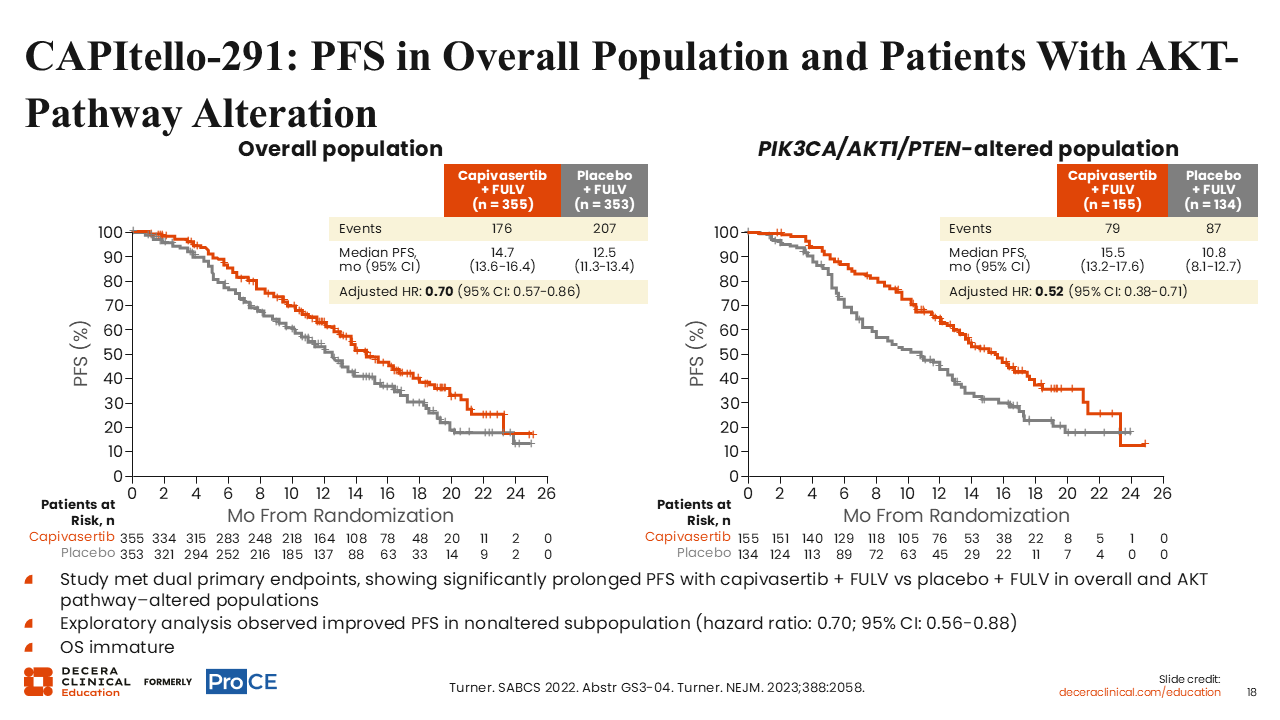
In the overall population, median PFS was 14.7 vs 12.5 months with capivasertib combined with fulvestrant vs placebo and fulvestrant (adjusted hazard ratio: 0.70). Although patients without an AKT pathway alteration did not have significantly improved PFS with capivasertib, those with an alteration did derive a significant improvement in PFS (median PFS: 15.5 vs 10.8 months; adjusted hazard ratio: 0.52).16
CAPItello-291: PFS in Overall Population and Patients With AKT-Pathway Alteration
Jordan Hill, PharmD, BCOP:
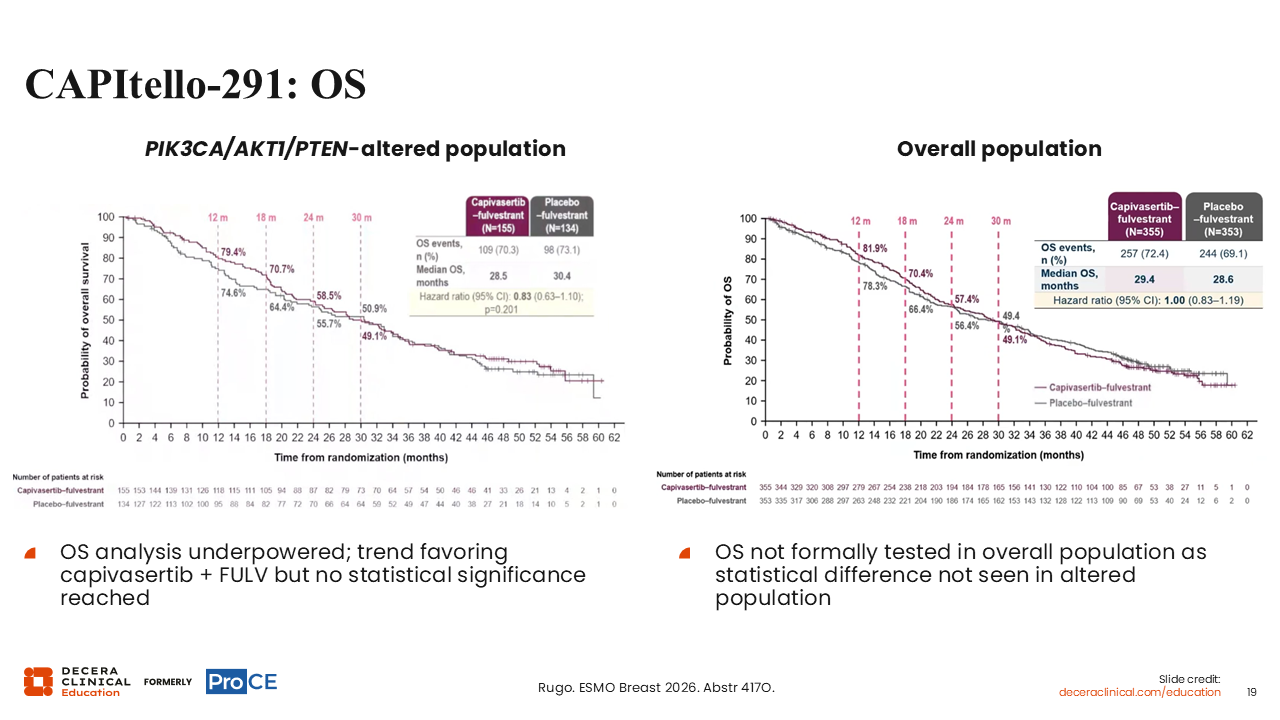
At the final OS analysis, capivasertib plus fulvestrant was not associated with a statistically significant improvement in OS. In the PIK3CA/AKT1/PTEN–altered population, the OS hazard ratio was 0.83 (95% CI: 0.63-1.10; P = .201), whereas the hazard ratio in the overall population was 1.00 (95% CI: 0.83-1.19). Several supportive endpoints favored capivasertib, including PFS2 in both the altered population (15.9 vs 11.1 months; hazard ratio: 0.68) and the overall population (15.4 vs 12.7 months; hazard ratio: 0.85), as well as time to first subsequent chemotherapy or death. Although these findings do not demonstrate an OS benefit, they suggest that the disease-control benefit may extend beyond initial progression.17
Select PI3K Pathway Trials in ER+/HER2- MBC
Jordan Hill, PharmD, BCOP:
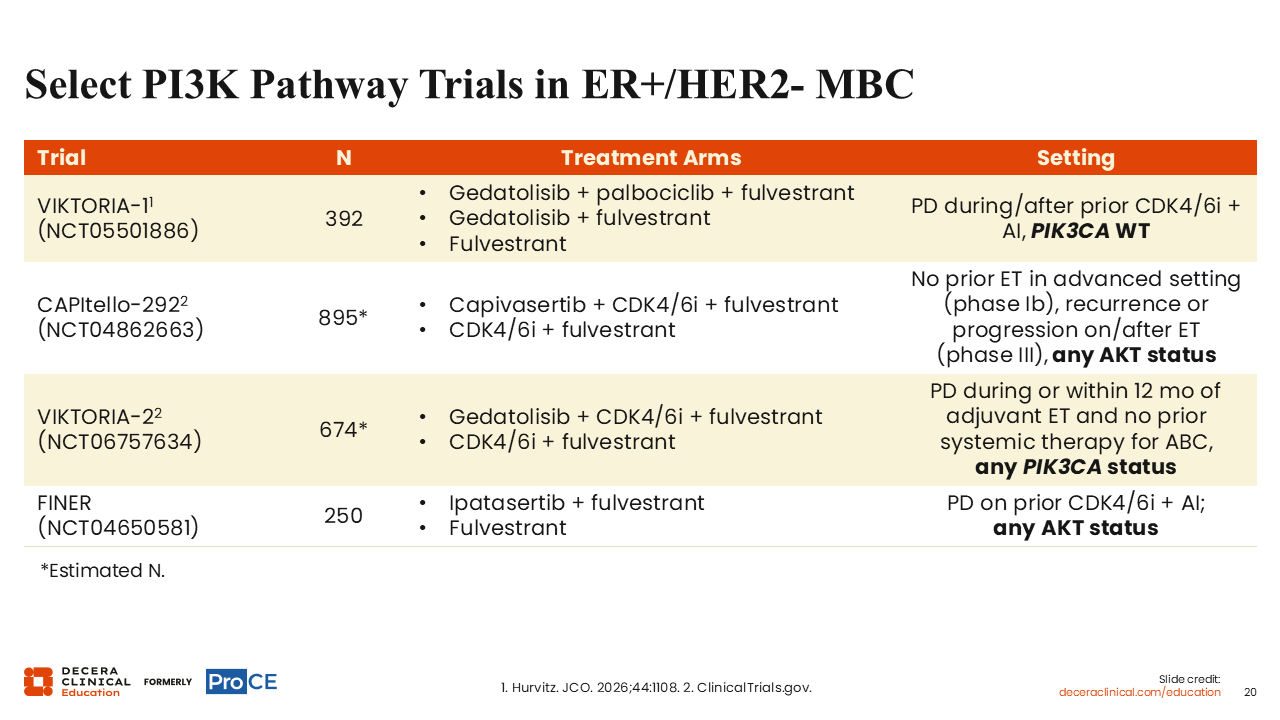
Several ongoing trials are looking at PI3K inhibitors. Recently, VIKTORIA-1 supported FDA approval of gedatolisib with fulvestrant, with or without palbociclib, for adults with HR-positive/HER2-negative locally advanced or MBC without a PIK3CA mutation after progression on at least 1 line of ET in the metastatic setting. The other trials shown remain ongoing.18 I look forward to following results from these as they are reported.
Novel Endocrine Therapies May Address Endocrine Resistance in MBC
Jordan Hill, PharmD, BCOP:
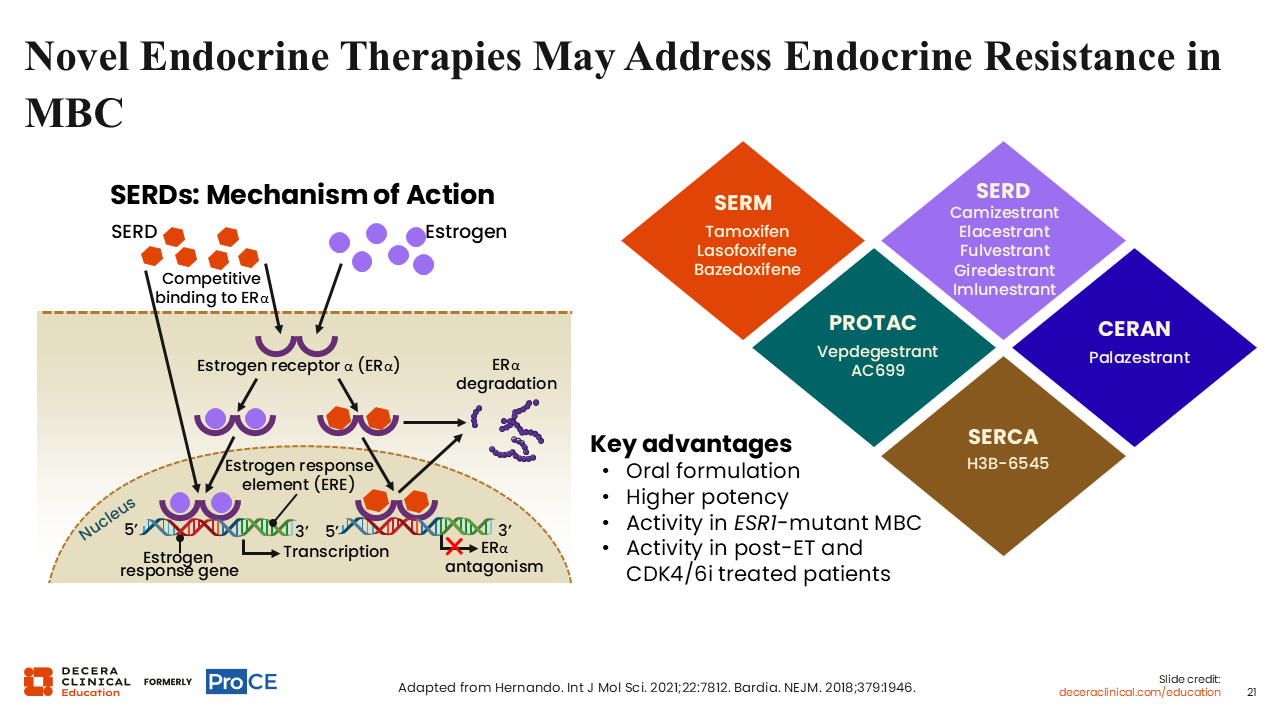
Finally, novel ETs such as oral SERDs and proteolysis-targeting chimeras (PROTACs) are proving to be especially effective in patients with ESR1 mutations, given their improved bioavailability and higher potency compared to fulvestrant. Hopefully these therapies will help address endocrine resistance in MBC.
ESR1 Mutations in Advanced Breast Cancer
Jordan Hill, PharmD, BCOP:
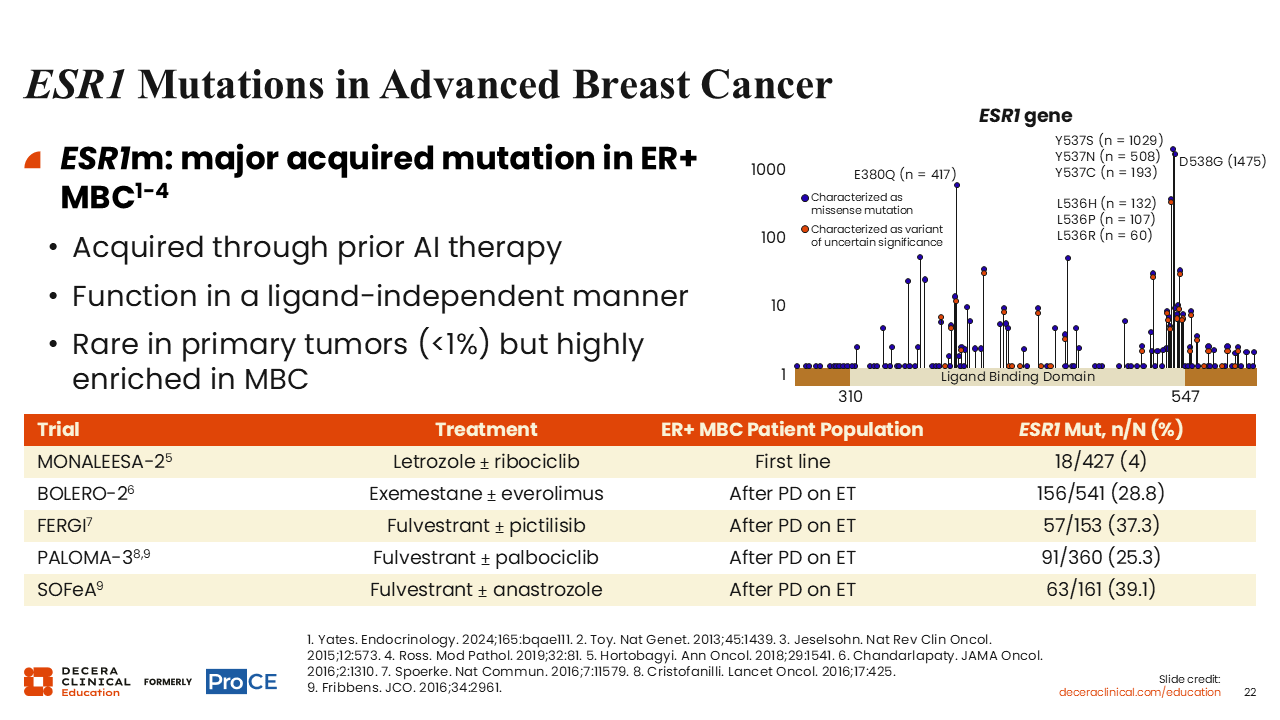
ESR1 mutations are acquired through prior aromatase inhibitor therapy and are therefore much rarer in primary tumors than in MBC.19 The clinical trials shown here helped establish that ESR1 mutations are largely acquired after aromatase inhibitor exposure and are associated with endocrine resistance.
EMERALD: Elacestrant vs Investigator’s Choice SoC ET in ER+/HER2- MBC
Jordan Hill, PharmD, BCOP:
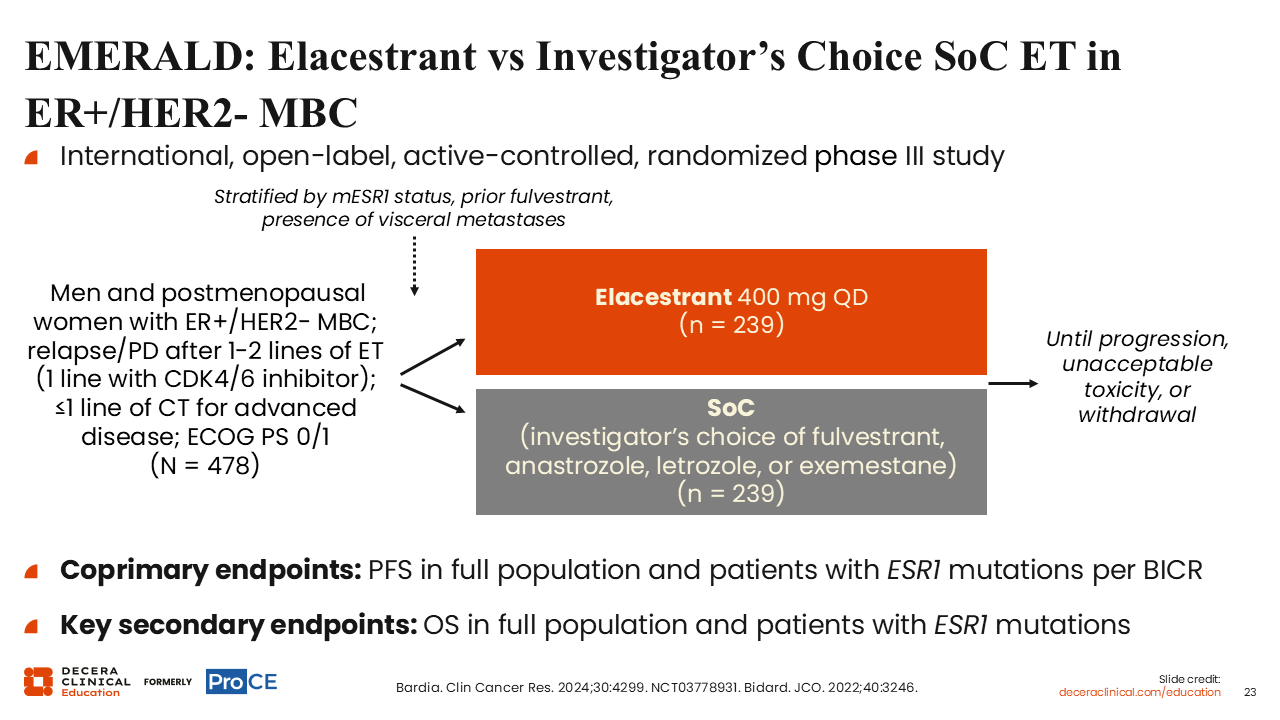
Elacestrant was the first FDA-approved oral SERD. It was compared with standard of care (SoC) ET in the phase III EMERALD trial, where patients were required to have received 1-2 prior lines of ET, including a prior CDK4/6 inhibitor. Coprimary endpoints were PFS in the overall population and in patients with ESR1 mutations.20
EMERALD: PFS With Elacestrant vs SoC in ITT and Population With ESR1mut+ Disease
Jordan Hill, PharmD, BCOP:
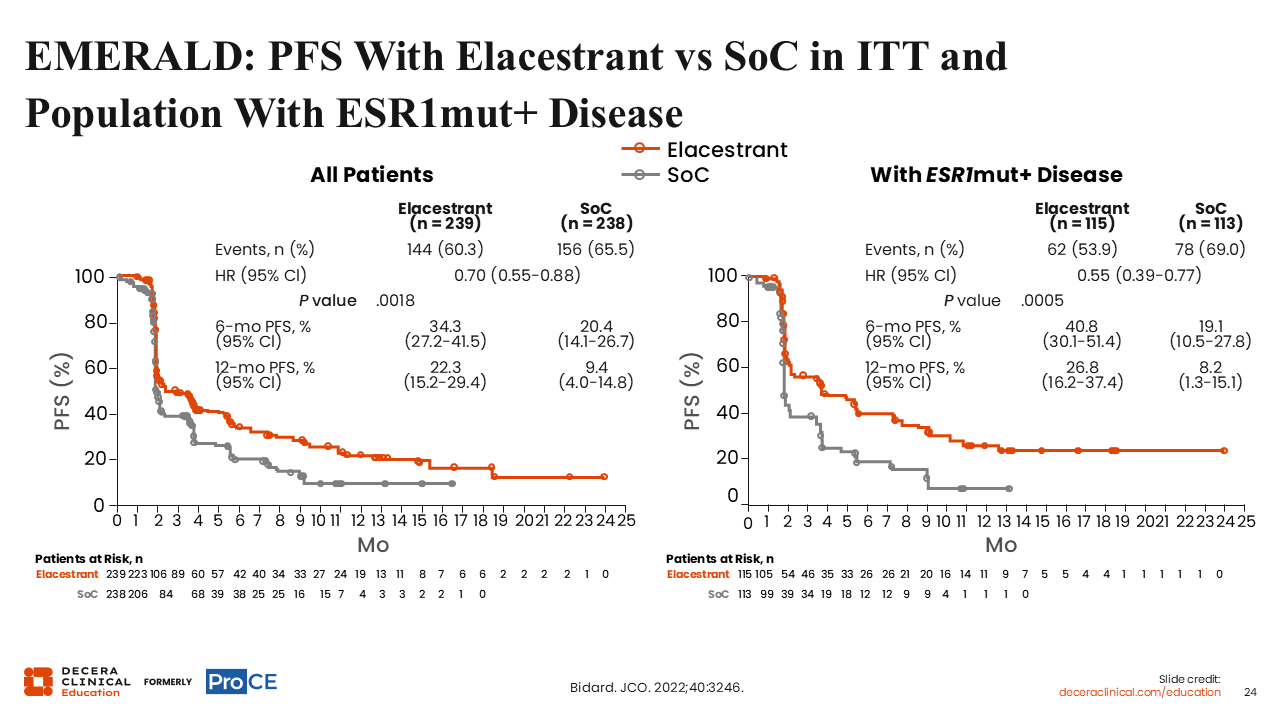
Although patients with or without an ESR1 mutation were included, only those with an ESR1 mutation derived significant (P = .0005) improvements in PFS with elacestrant vs fulvestrant, with 6- and 12-month PFS rates of 40.8% and 26.8%, respectively, for the elacestrant arm, and 19.1% and 8.2%, respectively, for the SoC arm.20
EMERALD: PFS by Duration of CDK4/6i in ESR1m Population
Jordan Hill, PharmD, BCOP:
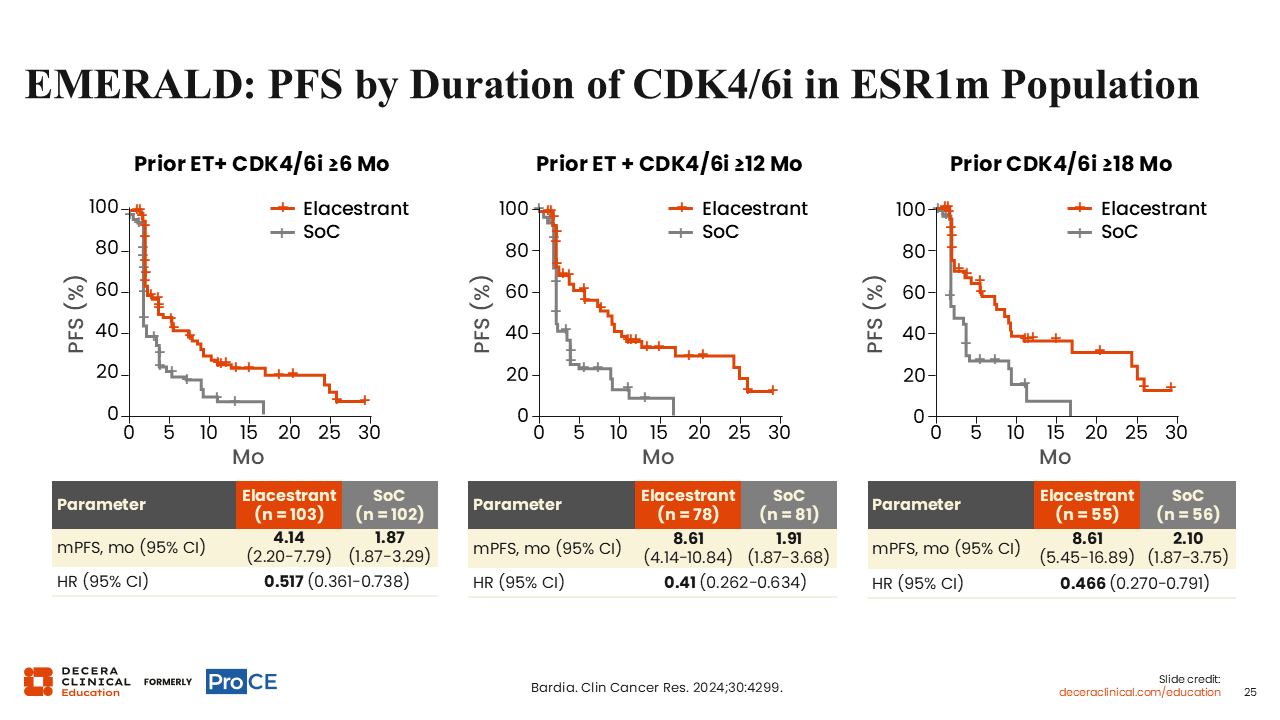
Further subgroup analyses in the ESR1-mutant population showed a more pronounced PFS benefit with elacestrant vs SoC among patients who had received prior ET plus a CDK4/6 inhibitor for ≥12 months than among those with shorter prior treatment duration.21
EMBER-3: Imlunestrant ± Abemaciclib vs SoC for ER+/HER2- ABC
Jordan Hill, PharmD, BCOP:
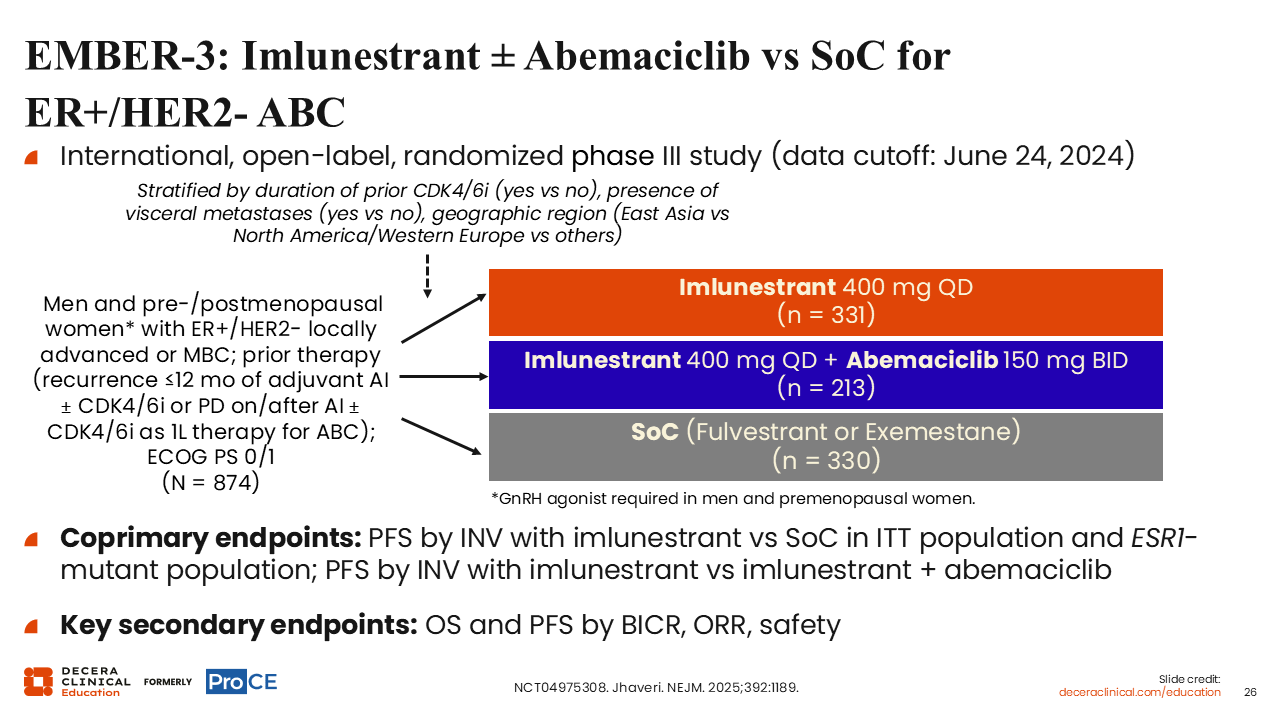
Imlunestrant with or without abemaciclib was studied in the phase III EMBER-3 trial and compared with SoC plus fulvestrant or exemestane. Here, patients must have received prior ET, and most but not all had previously received a CDK4/6 inhibitor. It is important to note that this was a 3-arm trial. Coprimary endpoints were investigator-assessed PFS with imlunestrant vs SoC in the intention-to-treat population and in the ESR1-mutant population, as well as investigator-assessed PFS with imlunestrant vs imlunestrant combined with abemaciclib.22
EMBER-3: PFS and OS With Imlunestrant Alone vs SoC
Jordan Hill, PharmD, BCOP:
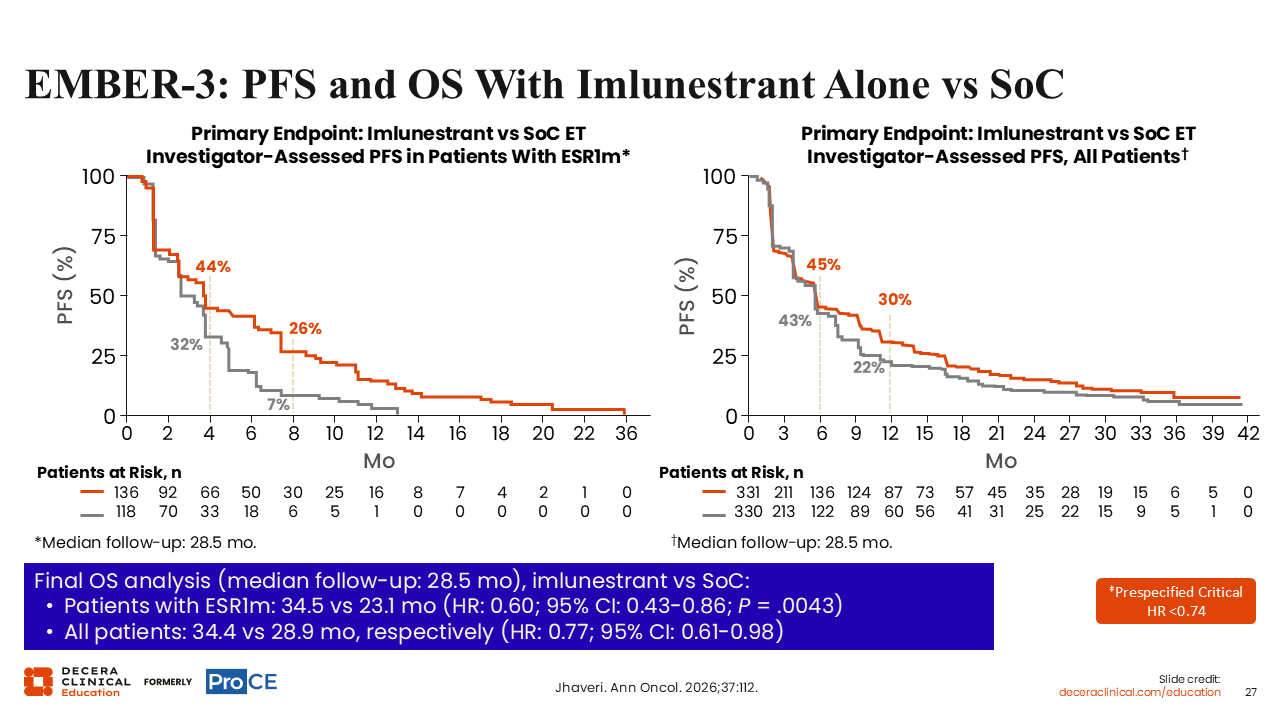
Single-agent imlunestrant was associated with a significant improvement in PFS vs SoC, mostly in patients with ESR1 mutations, with an 8-month PFS rate of 26% with imlunestrant vs 7% with SoC.
At the final OS analysis, with a median follow-up of 29.5 months, median OS was 34.5 months vs 23.1 months with imlunestrant vs SoC among the ESR1-mutant population, demonstrating a clinically meaningful improvement (P = .0043).23
EMBER-3: PFS With Imlunestrant ± Abemaciclib
Jordan Hill, PharmD, BCOP:
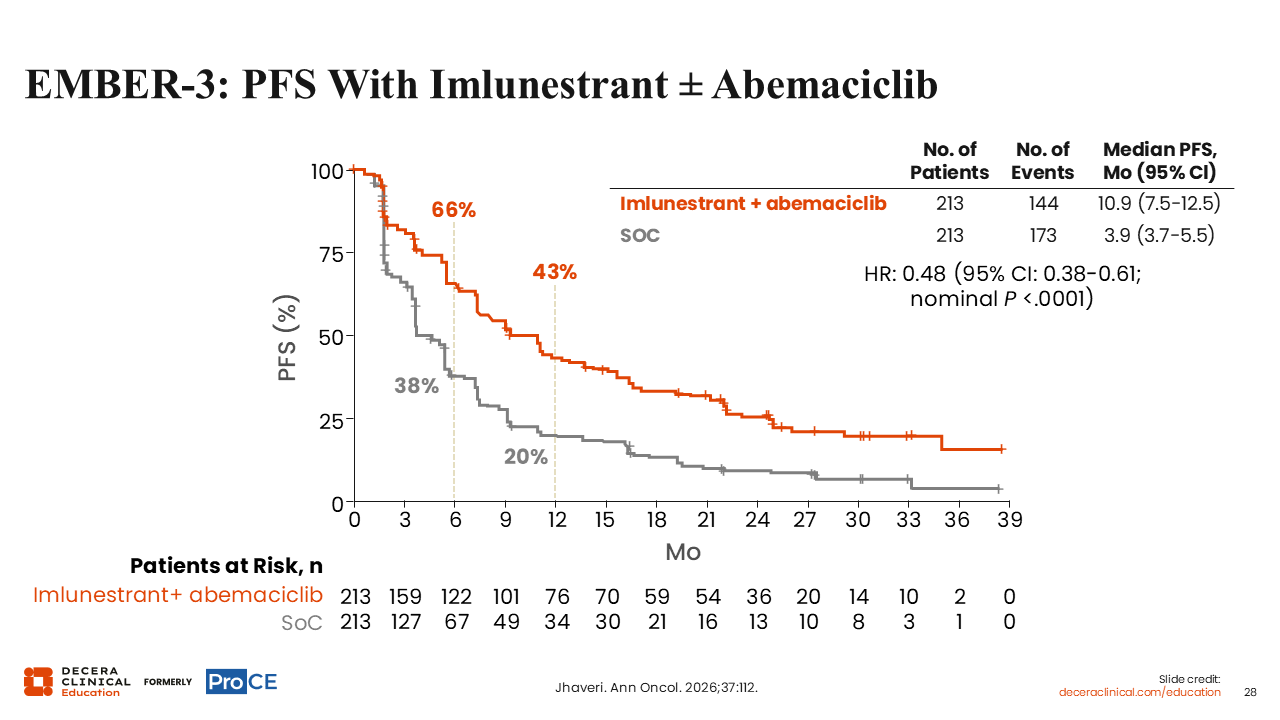
In patients who received imlunestrant in combination with abemaciclib, however, a PFS benefit was seen regardless of ESR1 status. Median PFS was 10.9 months for the imlunestrant/abemaciclib combination arm and 3.9 months for the SoC arm (nominal P <.0001). Although this combination is off-label as of July 2026, it is a potential option in the NCCN guidelines.1 EMBER-3 was the first phase III trial to report positive results for an oral SERD in combination with a CDK4/6 inhibitor, demonstrating improved PFS with imlunestrant plus abemaciclib.23
Select Trials of Novel Endocrine Therapies in ER+/HER2- MBC
Jordan Hill, PharmD, BCOP:
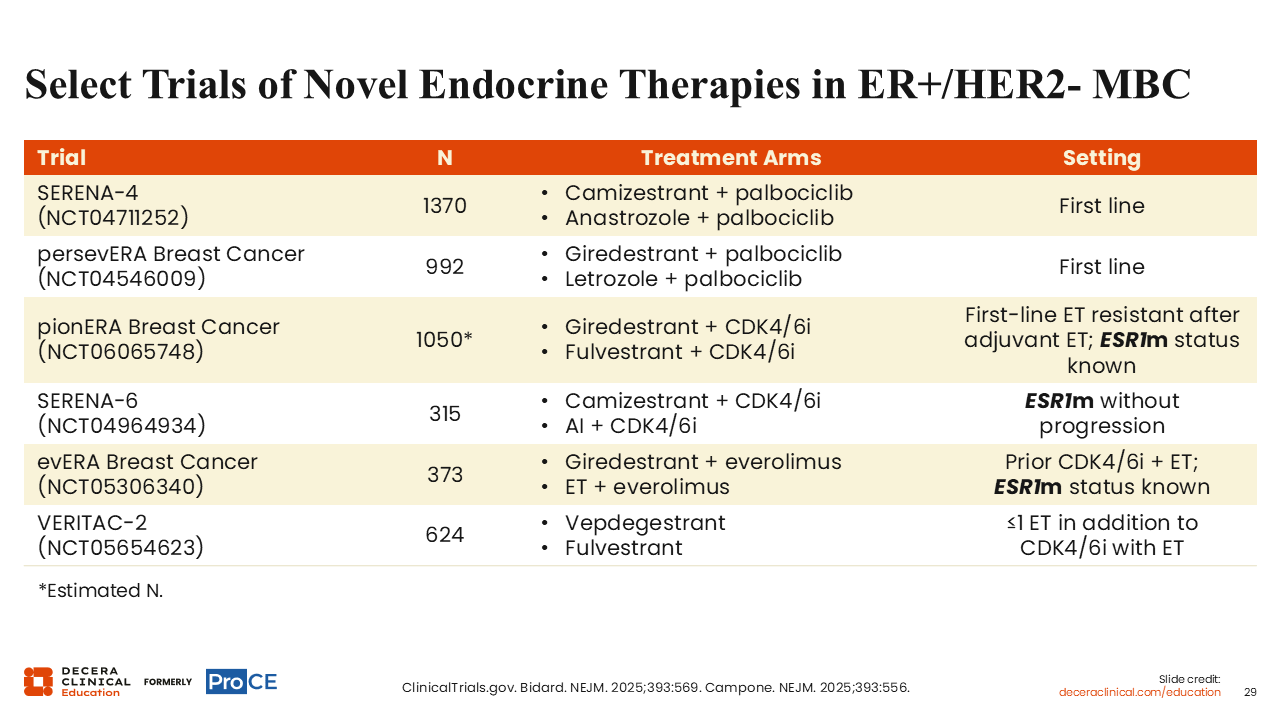
This table summarizes select trials of novel ETs in ER-positive/HER2-negative MBC, including the recently approved vepdegestrant,24 the first FDA-approved PROTAC therapy based on data from the phase III VERITAC-2 trial. In VERITAC-2, vepdegestrant showed improved PFS compared with fulvestrant, specifically in patients with an ESR1 mutation, with a median PFS of 5.0 months with vepdegestrant and 2.1 months with fulvestrant (P <.001).25
This makes 3 FDA-approved therapies for patients with ESR1-mutated ER-positive/HER2-negative MBC after progression on ET, with several other ongoing trials.
Reflect and Connect: Translating Biomarker Results Into Pharmacist-Led Care
Jordan Hill, PharmD, BCOP:
When biomarker testing identifies a targetable alteration in a patient with HR-positive/HER2-negative MBC, what is the biggest challenge you face in translating that result into a safe and practical treatment plan?
Danielle Roman, PharmD, BCOP:
I think 1 of the biggest challenges is translating results from clinical trials into real-world practice. Patients enrolled in trials are often highly selected and closely monitored, whereas the patients I treat in everyday practice frequently have multiple comorbidities, are older, and may be less ideal candidates for targeted therapies.
This is particularly relevant with PI3K pathway inhibitors. Many patients already have hyperglycemia or other metabolic concerns, making treatment selection, monitoring, and toxicity management more complex. Ensuring these therapies can be used safely while maintaining their benefit is challenging. Fortunately, emerging clinical trial data are helping to define strategies that improve safety, such as the use of prophylactic metformin to manage treatment-related hyperglycemia. As our experience grows, we are becoming better equipped to deliver these therapies safely and effectively in routine clinical practice.
Jordan Hill, PharmD, BCOP:
I absolutely agree. In my practice, many patients have baseline risk factors that can increase the likelihood of treatment-related toxicities, which can make certain targeted therapies more challenging to use than in clinical trial populations. The patients I see in routine practice often differ significantly from those enrolled in trials and require more individualized treatment and monitoring strategies.
Another challenge is obtaining the molecular information needed to guide treatment decisions. Many patients with HR-positive/HER2-negative MBC have disease confined to the bone, which can complicate biomarker testing. These patients may have low levels of ctDNA, limiting the utility of liquid biopsy, and bone lesions can be difficult sites for tissue biopsy. As a result, obtaining adequate samples for molecular profiling and identifying actionable alterations can be particularly challenging in this population.