Back
Back
CE
Advances in Smoldering and Transplant-Eligible Newly Diagnosed Multiple Myeloma: Risk Stratification, MRD-Guided Therapy, and Emerging Treatment Strategies
Pharmacists: 0.50 contact hour (0.05 CEUs)
Released: July 31, 2026
Expiration: January 30, 2027


Activity
Multiple Myeloma
James A. Davis, PharmD, BCOP:
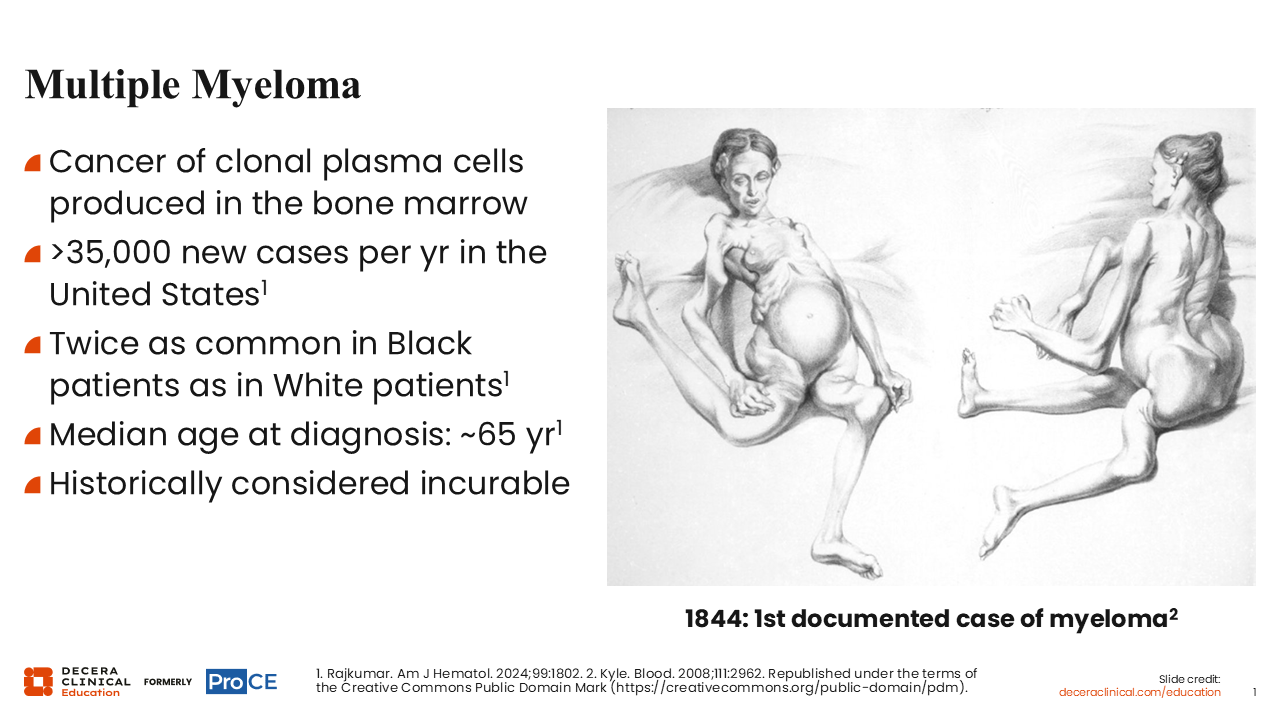
MM is a cancer that develops from plasma cells, a type of white blood cell found in the bone marrow. MM is the second most common hematologic malignancy, with more than 35,000 new cases diagnosed per year in the United States. It is twice as common in Black patients as in White patients, with a median age at diagnosis of approximately 65 years.1 Historically, it has been considered an incurable malignancy, with periods of remission, then relapse, followed by remission if controlled.
Diagnostic Criteria for Plasma Cell Disorders
James A. Davis, PharmD, BCOP:
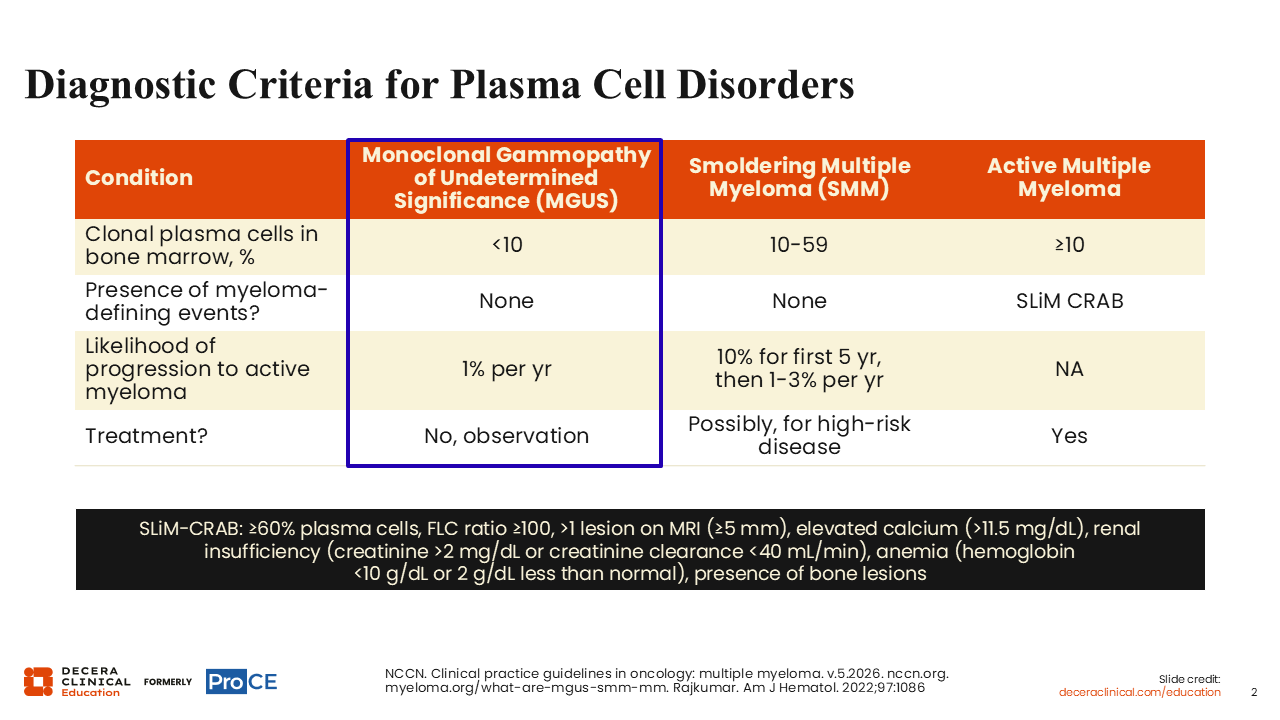
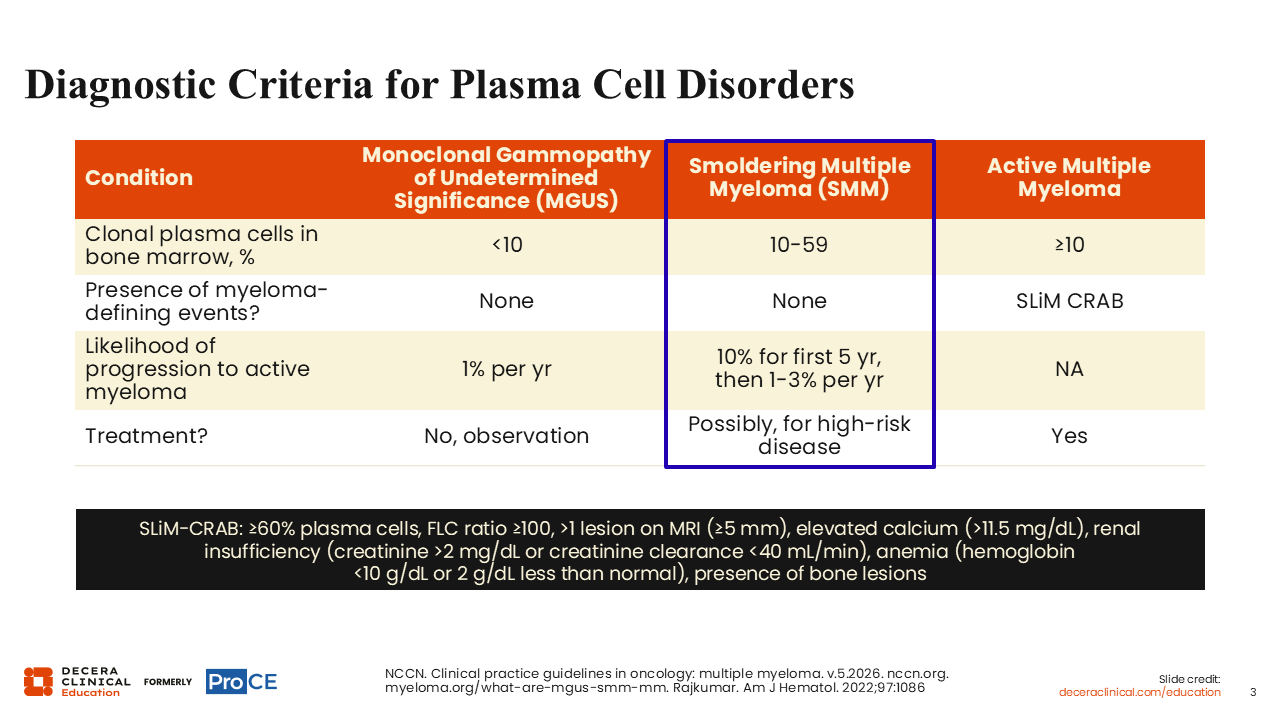
In general, MM is diagnosed after 2 preceding events, and most patients experience 1 of these 2 events before developing active MM. Approximately 5% of individuals older than 50 years of age likely have monoclonal gammopathy of undetermined significance (MGUS). The likelihood of progression from MGUS to MM is approximately 1% per year. This means that if patients are diagnosed with MGUS at 50 years of age, by the time they reach 80 years of age, there is a 30% chance that their disease will progress to MM. Currently, MGUS is not treated; it is monitored.2
Diagnostic Criteria for Plasma Cell Disorders
James A. Davis, PharmD, BCOP:
Another pre-MM condition is SMM. Patients with SMM have elevated clonal plasma cells in their bone marrow. However; they do not have an MM-defining event, shown at the bottom of this slide, typically referred to as SLiM-CRAB criteria. The likelihood of progression from SMM to active MM is much higher than for MGUS: 10% over the first 5 years after diagnosis and then 1% to 3% thereafter. In approximately the last decade, healthcare professionals (HCPs) have started treating some cases of SMM.
Active MM is defined as plasma cells that are cancerous in the bone marrow. Patients with active MM have at least 1 MM-defining event. For these patients, treatment should always be initiated.2
A focus of this module is determining which patients with SMM may benefit from treatment.
Historic Models for Risk Stratification of SMM
James A. Davis, PharmD, BCOP:
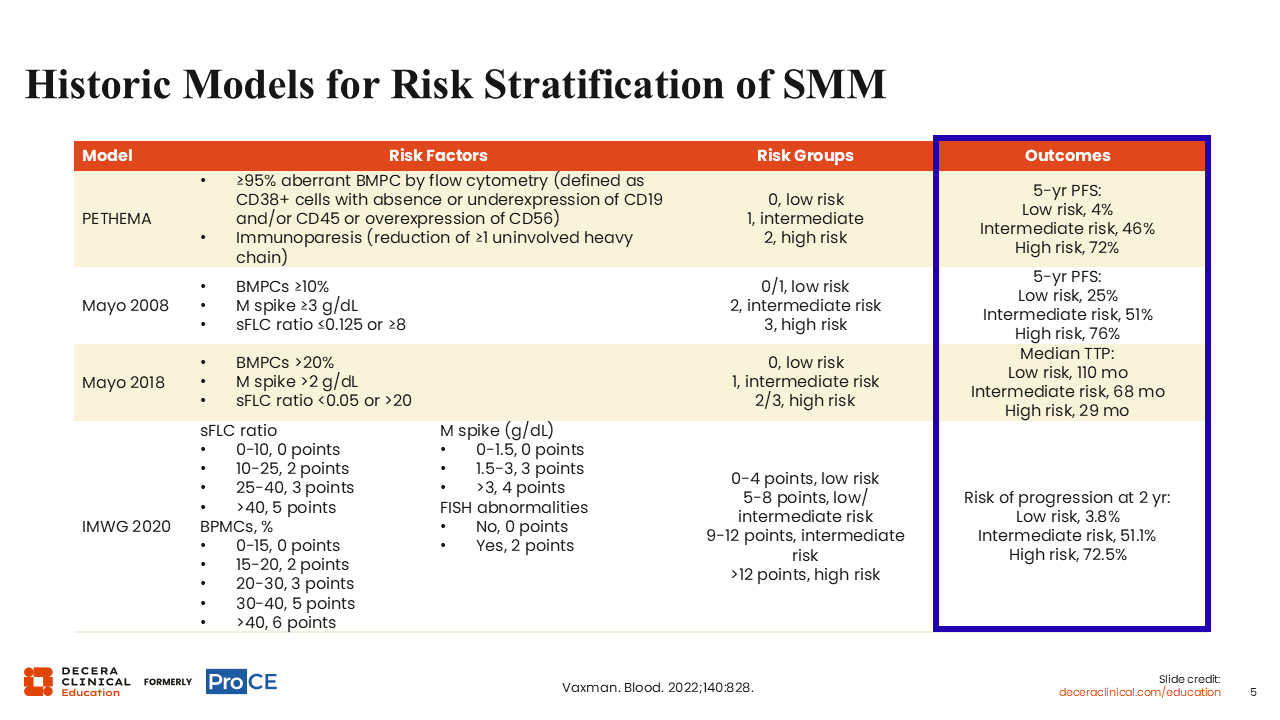
There are several historic models for risk stratifying patients with SMM. We have gone from the PETHEMA model to the Mayo Clinic 2008 criteria to the Mayo Clinic 2018 criteria to the most recent International Myeloma Working Group (IMWG) 2020 criteria.
Patient outcomes depend on several risk factors. Patients with lower-risk disease, regardless of the stratification model used, have a lower risk of progression to active MM than patients with high-risk disease.3
IMWG-2020 Refined Model of 2/20/20 SMM Risk Stratification
James A. Davis, PharmD, BCOP:
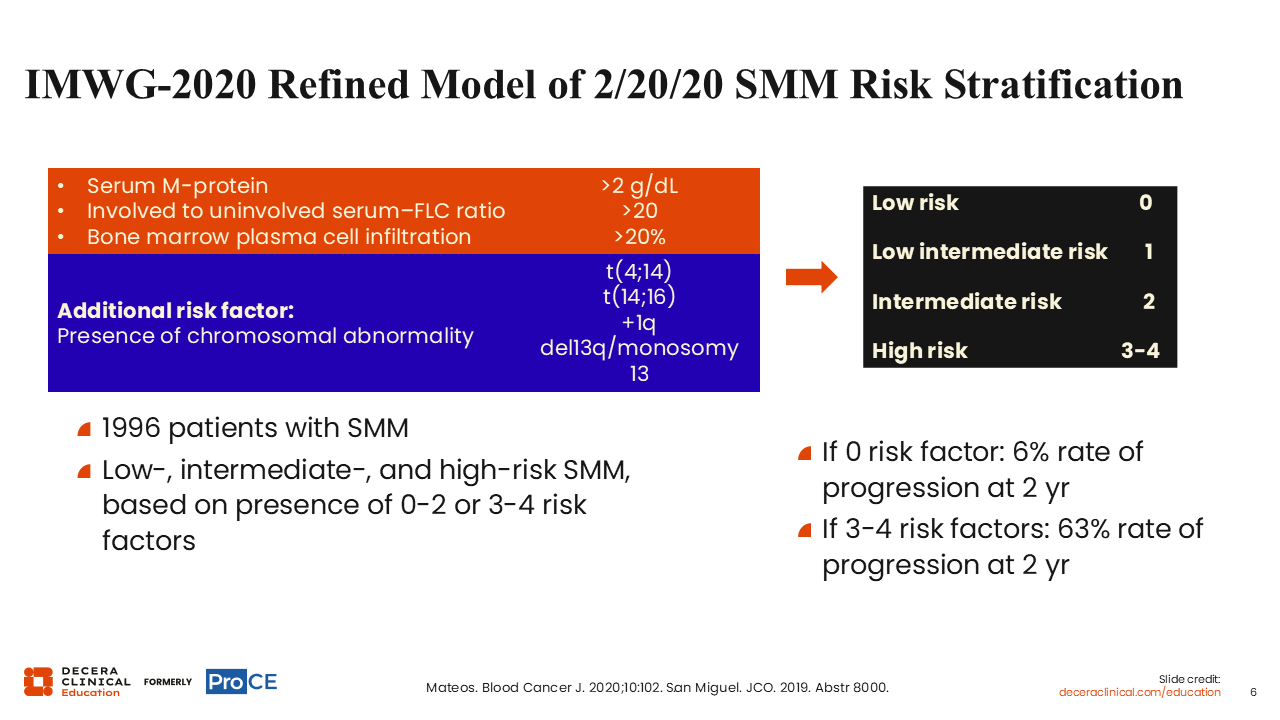
In 2020, the IMWG refined the 2018 Mayo Clinic model used to risk stratify SMM. This is referred to as the 2/20/20 model, which stands for serum M-protein >2 g/dL, involved-to-uninvolved serum free light chain ratio >20, and bone marrow plasma cell infiltration >20%.
The criteria shown in orange represent the 2018 Mayo Clinic criteria. In 2020, the IMWG decided to look at cytogenetic risk factors since they were playing a large role. The risk factors shown here in blue were then added. Now, patients are stratified into 4 categories: low risk, low intermediate risk, intermediate risk, and high risk.
For a patient with high-risk SMM, defined as 3-4 risk factors, the risk of transforming into active MM is 63% at 2 years vs 6% for patients with low-risk SMM.4 This is the risk model that most HCPs currently use today in 2026.
Ongoing SMM Debate: To Treat or Not to Treat
James A. Davis, PharmD, BCOP:
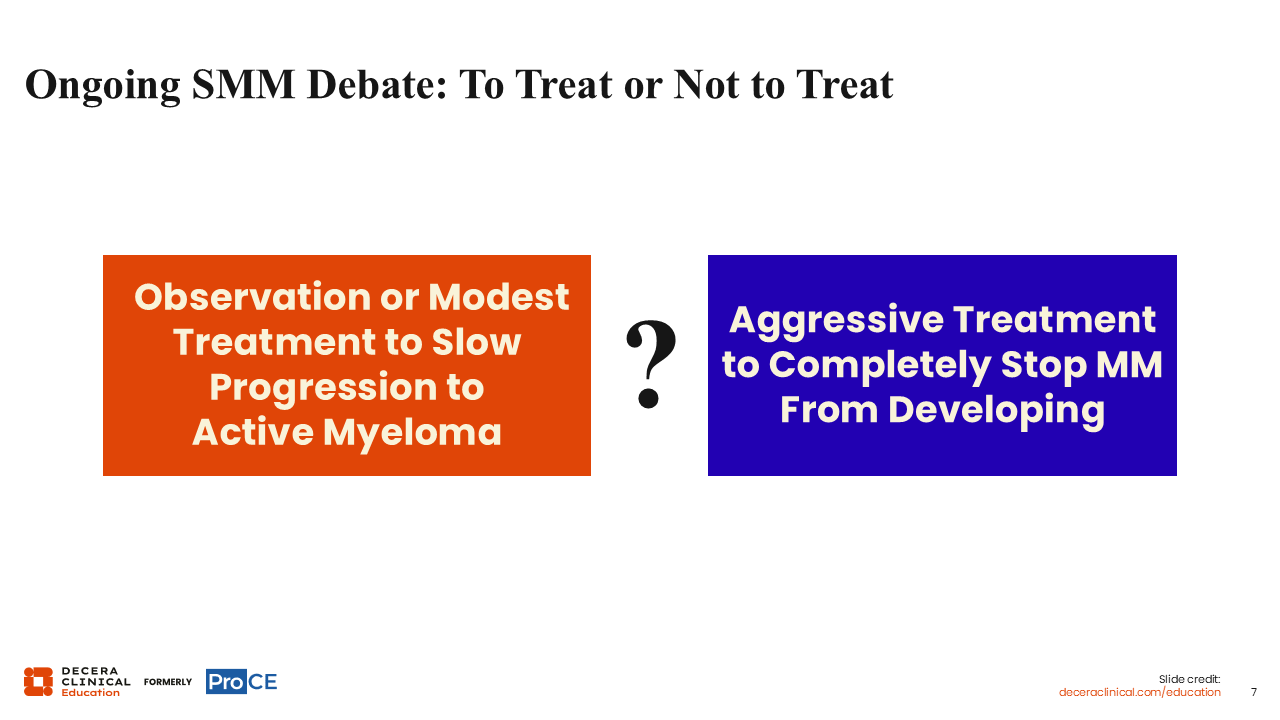
There is ongoing debate among HCPs about whether to treat patients with SMM, especially those with low-risk, intermediate-risk, or high-risk SMM. Some HCPs may want to observe rather than treat because they know that patients, especially those at lower risk, likely will not progress to active MM and do not want to risk the adverse effects that come along with treatment. Other HCPs favor aggressive treatment or some kind of treatment to stop transformation. I will talk about why this is controversial.
SMM: Randomized Trials Without Clear Survival Benefit
James A. Davis, PharmD, BCOP:
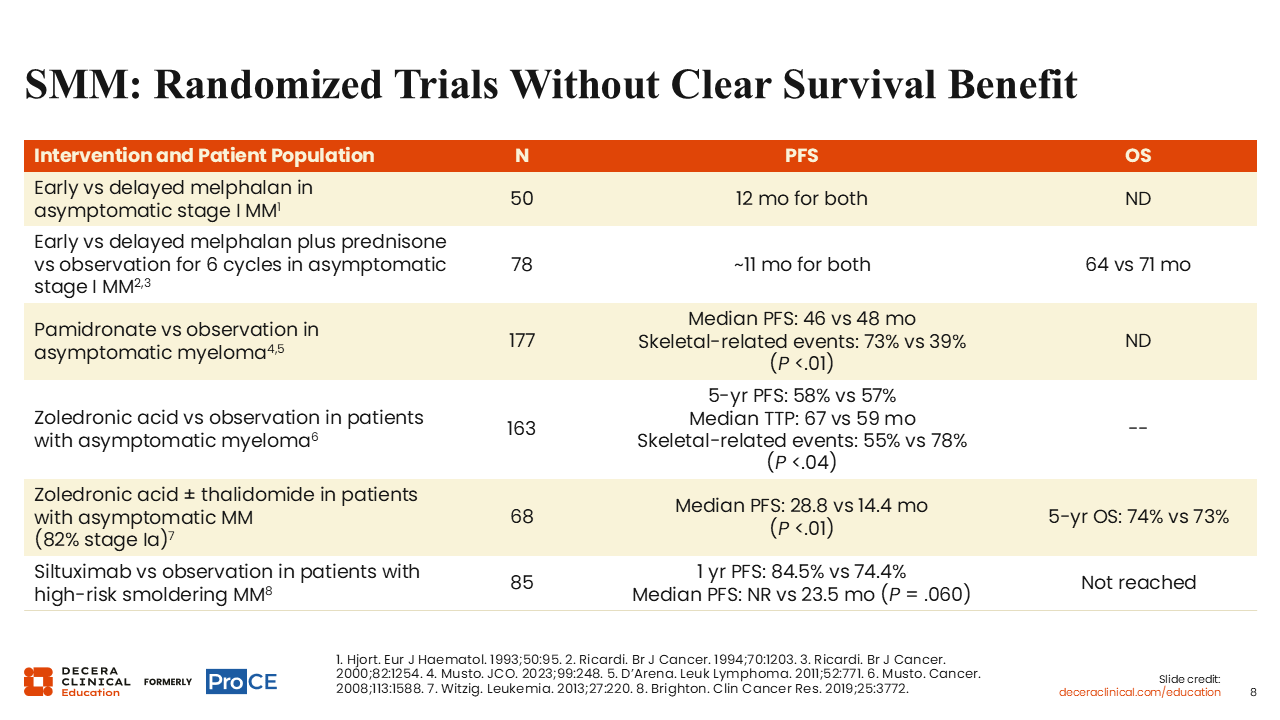
Some trials have demonstrated no clear survival benefit for patients with SMM, some of which date back to 1993 and 1994. The trials in the first 2 rows looked at melphalan, one of the classic alkylating chemotherapies. The investigators found no clear difference in PFS or overall survival (OS) in patients who received melphalan vs observation.
QuiRedex: Rd and R Maintenance vs Observation in High-Risk SMM
James A. Davis, PharmD, BCOP:
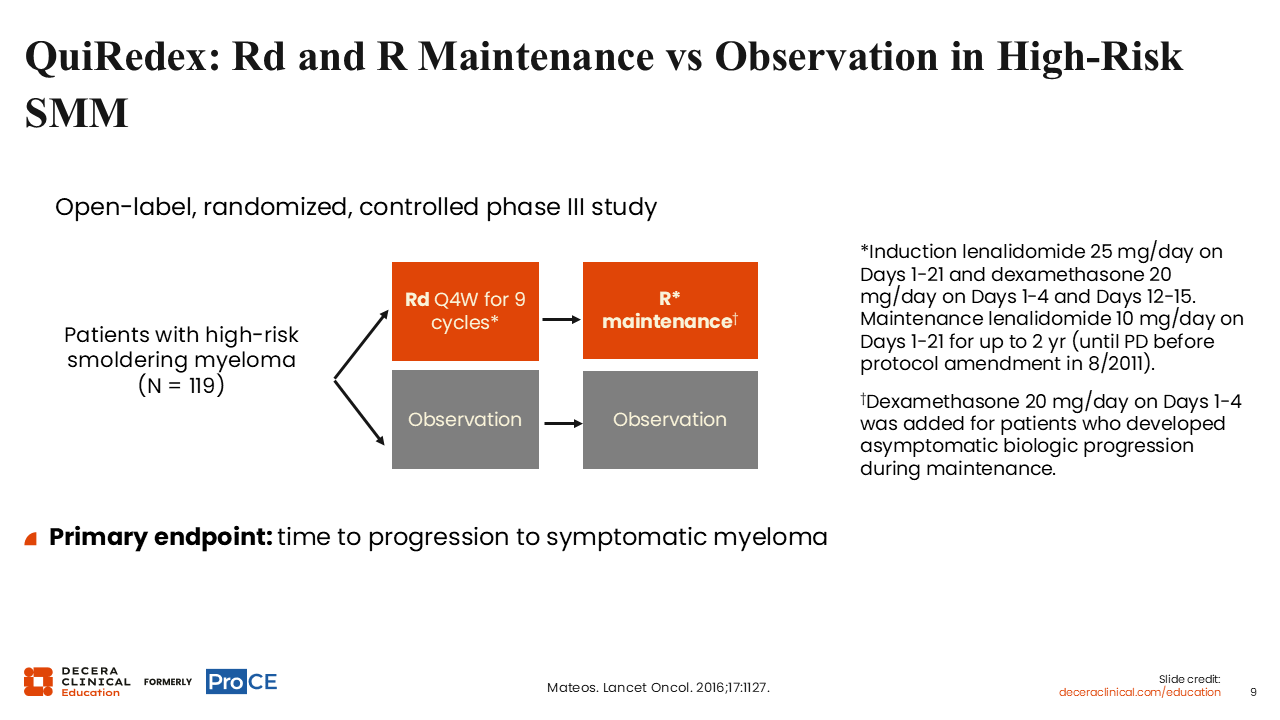
More recently, the phase III QuiRedex trial evaluated lenalidomide-based therapy vs observation. Patients with high-risk SMM were randomized to standard observation or Rd every 4 weeks for 9 cycles, followed by lenalidomide maintenance. The primary endpoint was time to progression to symptomatic MM.5
QuiRedex: Survival
James A. Davis, PharmD, BCOP:
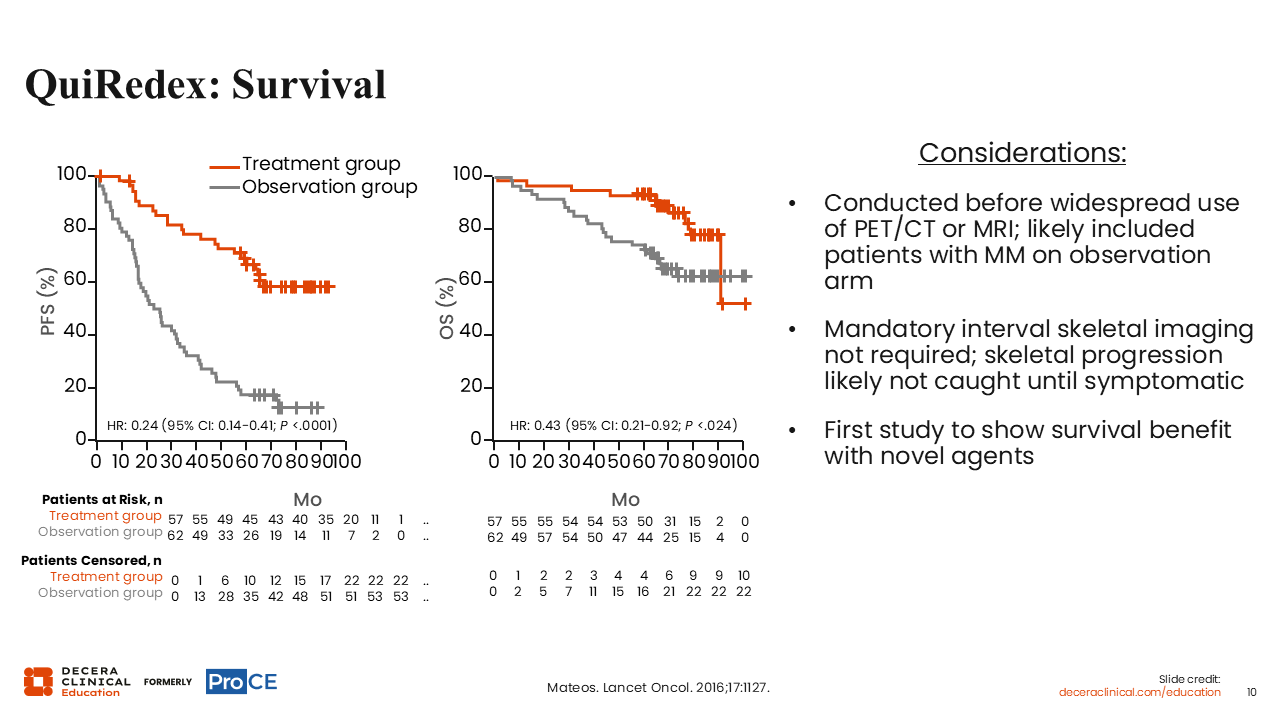
Investigators found that the treatment group (ie, the lenalidomide-based group) did significantly better in terms of PFS (P <.0001).5 However, it is important to keep in mind that this trial was conducted before the widespread use of more advanced imaging like PET/CT scans or MRI. Therefore, the observation arm likely included patients who had active MM. It also did not mandate interval skeletal imaging, so if a patient progressed with an asymptomatic bone lesion, transformation to active MM was likely missed. Nevertheless, this was the first study to show an actual survival benefit with novel agents.
ECOG-ACRIN-E3A06: Lenalidomide vs Observation in SMM
James A. Davis, PharmD, BCOP:
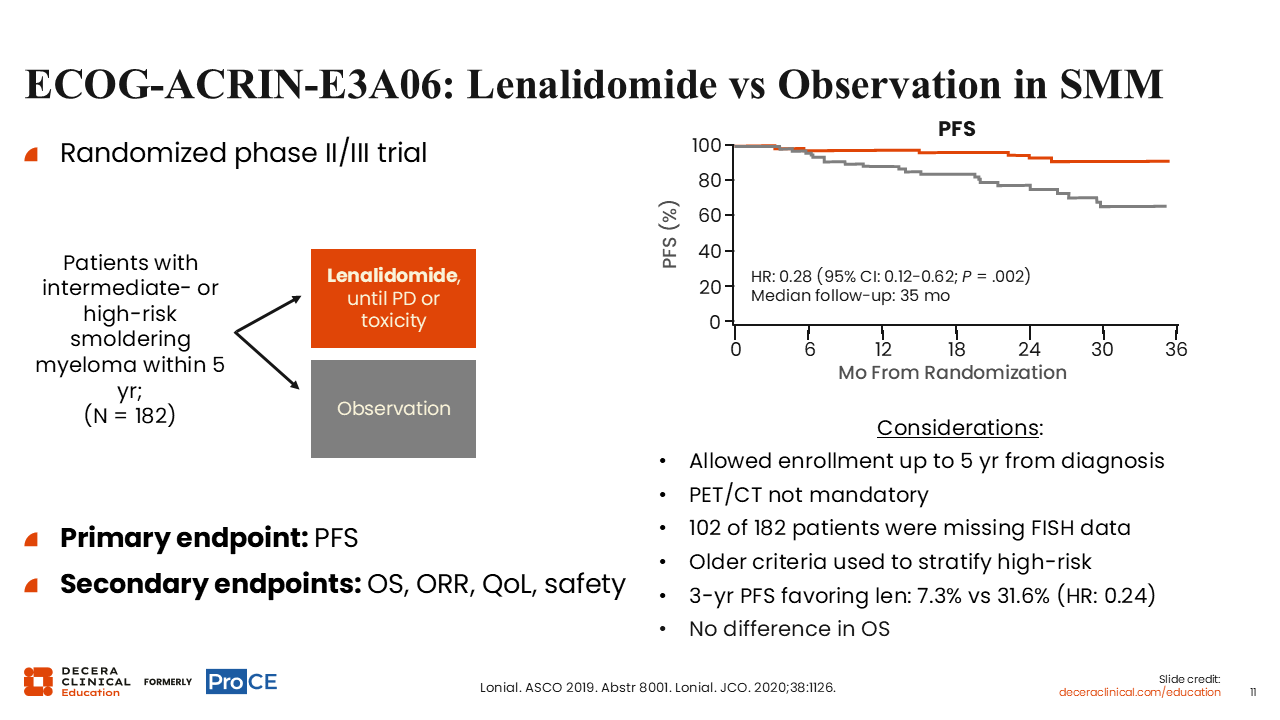
Similarly, the randomized phase II/III ECOG-ACRIN-E3A06 trial looked at lenalidomide alone vs observation in patients with high-risk SMM. Participants were randomized into 2 arms, lenalidomide or observation, and as shown on the top right, the lenalidomide group did significantly better (P = .002) in terms of PFS.
Some caveats of this trial included enrollment up to 5 years from diagnosis, meaning that some patients may have been diagnosed with SMM several years prior. Advanced PET/CT scans were not mandatory, and more than one half of the patients in this trial did not have fluorescence in situ hybridization or cytogenetic data. Thus, some of the older systems were used to risk stratify these patients. Many of these patients may not have been considered high risk by today’s standards.
Although 3-year PFS favored the lenalidomide group vs observation (31.6% vs 7.3%), there was no difference in OS.6 Based on these 2 trials, lenalidomide is now a guideline-recommended option for patients with high-risk SMM.7
AQUILA: Daratumumab vs Active Monitoring for High-Risk SMM
James A. Davis, PharmD, BCOP:
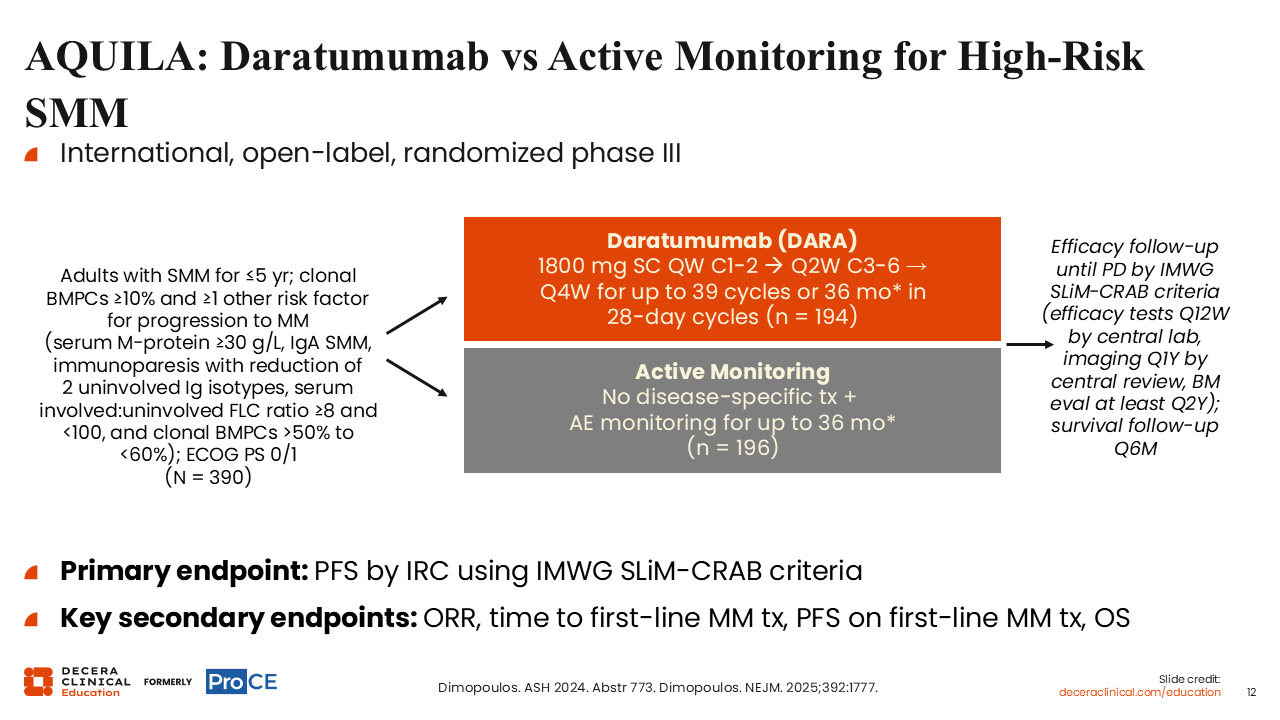
More recently, the phase III AQUILA trial randomized patients to daratumumab (SC every week for 2 cycles, biweekly for 4 cycles, and then monthly for up to 36 months or 3 years) or active monitoring/observation. The primary endpoint was PFS using IMWG SLiM-CRAB criteria.8
AQUILA: Baseline Disease Characteristics and Disease Progression
James A. Davis, PharmD, BCOP:
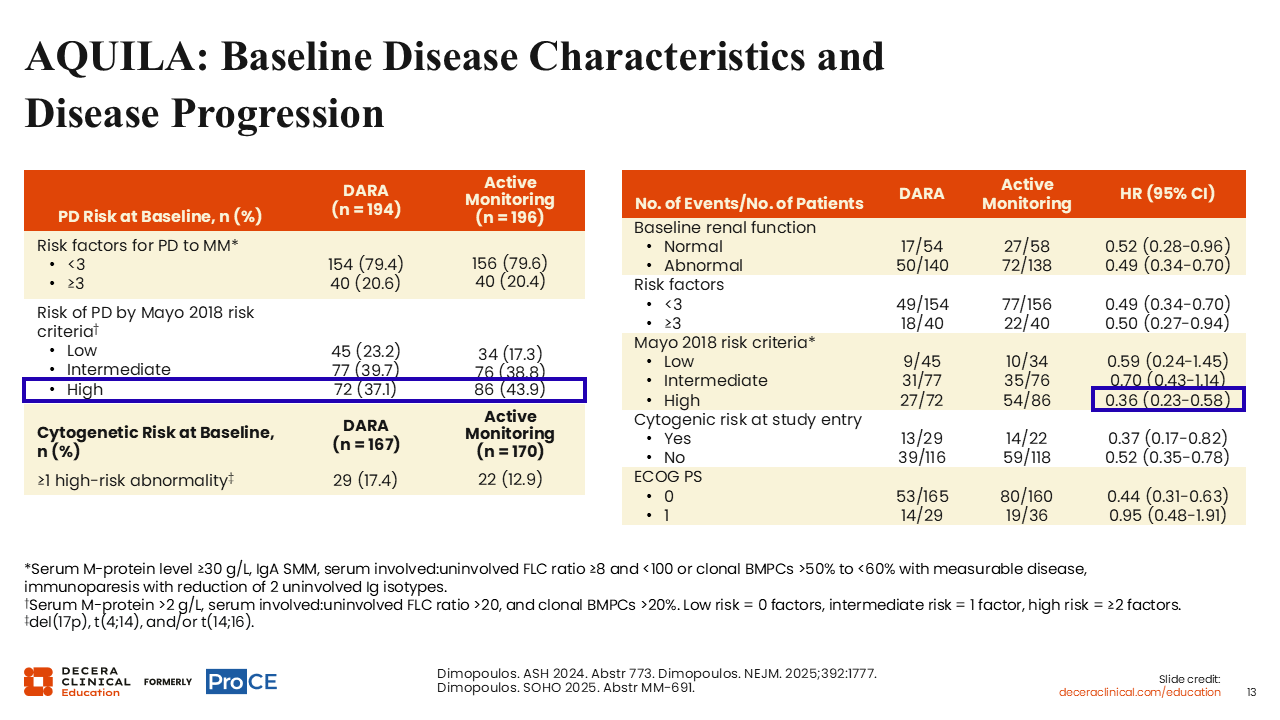
Before I discuss the efficacy data, it should be noted that even though the results of this trial were published in 2025, the investigators originally used the Mayo 2008 risk criteria to stratify patients but then altered the design to stratify participants using the more recent Mayo 2018 risk criteria. After stratification using the newer model, approximately 37% to 44% of patients screened met the criteria for high-risk MM. With the even newer 2020 IMWG criteria, it is possible that even fewer of these patients would have been considered high risk.8
AQUILA: PFS and PD or Deaths by IRC
James A. Davis, PharmD, BCOP:
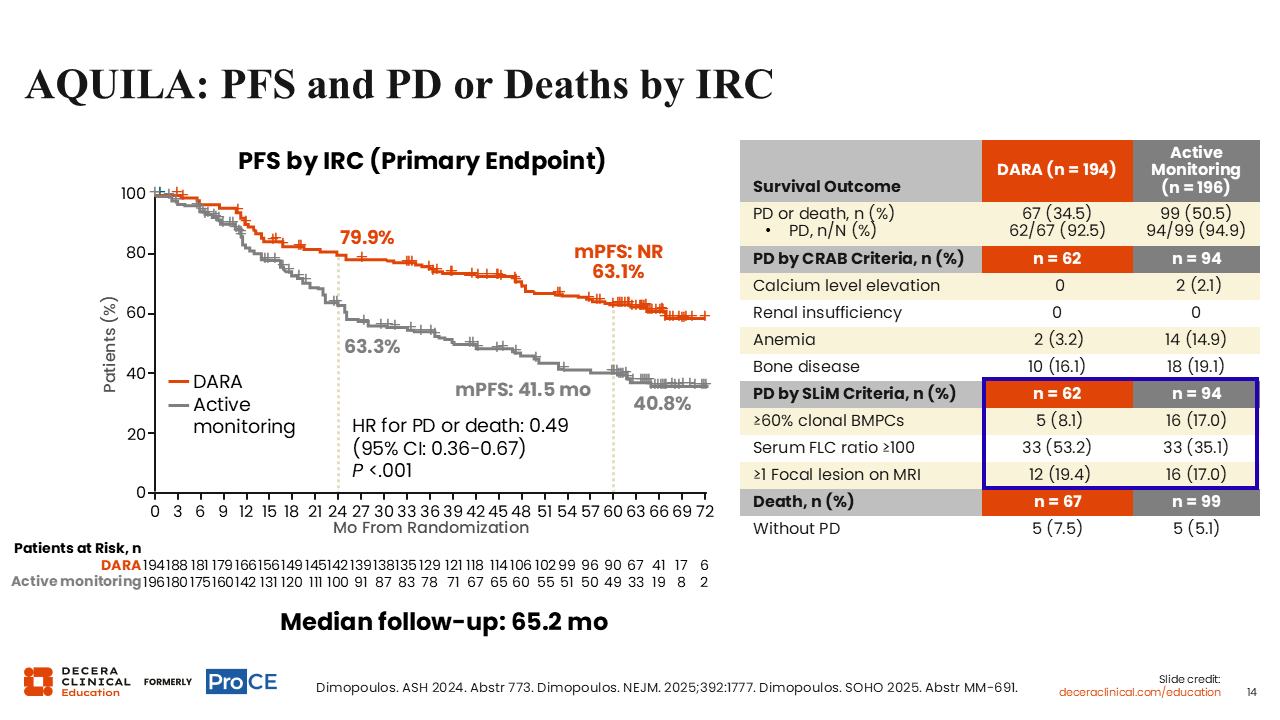
Nevertheless, based on the 2018 criteria, patients considered high risk who were treated with daratumumab experienced significantly better outcomes than those who were actively monitored. Specifically, at 5 years, the PFS rate in all-comers who had received daratumumab was 63.1% vs 40.8% with active monitoring
Most progression events were those included in SLiM criteria, typically asymptomatic MM-defining events such as a free light chain ratio ≥100 or clonal plasma cells ≥60%, and not CRAB criteria like bone disease, anemia, or acute renal function.8
Of note, even though more patients who received daratumumab experienced disease progression, most of those progressions were not symptomatic.
AQUILA: OS Benefit
James A. Davis, PharmD, BCOP:
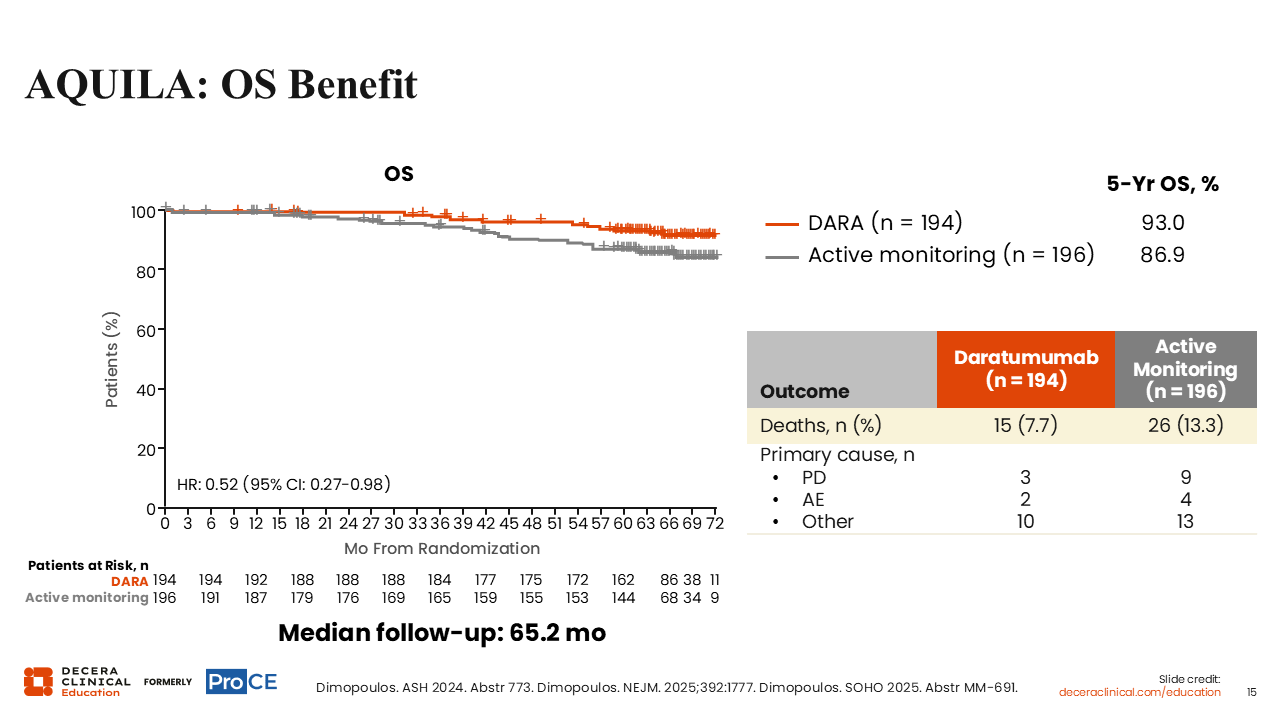
At 5 years, OS also favored daratumumab (93% vs 87% with active monitoring). Of importance, this was one of the first trials to show an OS benefit for patients with high-risk SMM.8
AQUILA: Safety
James A. Davis, PharmD, BCOP:
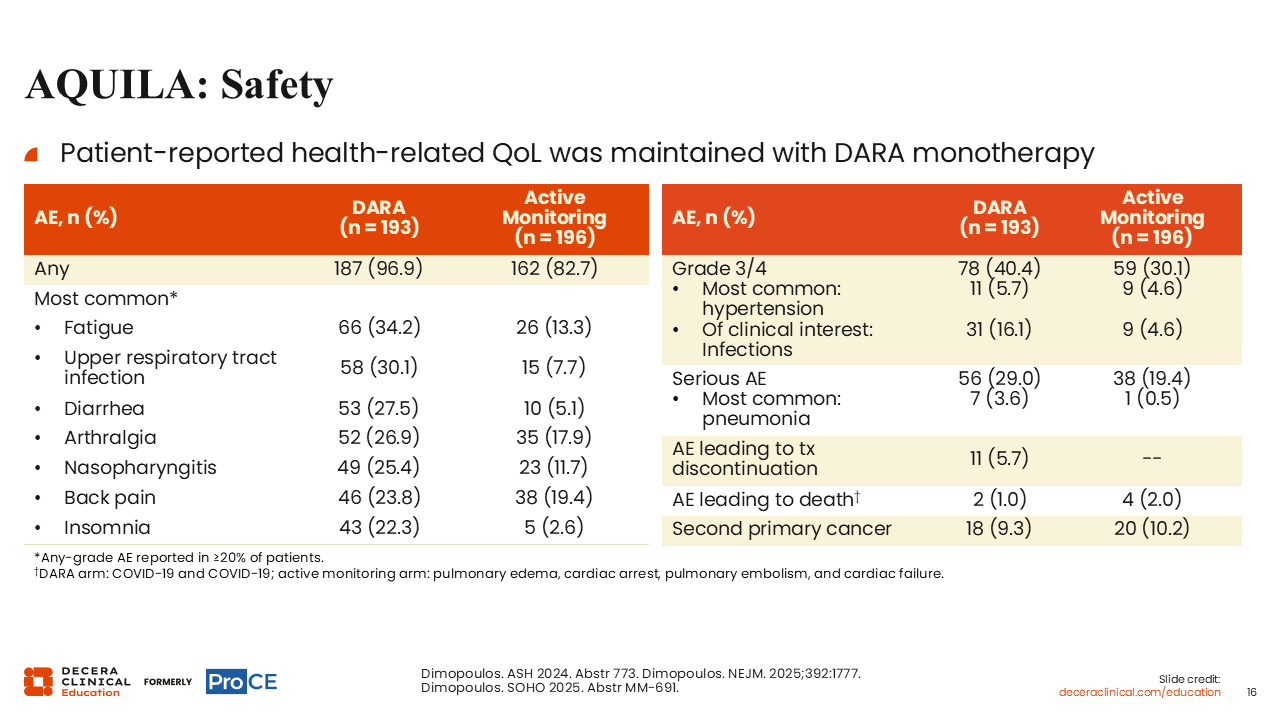
What about safety? Daratumumab was fairly well tolerated, but I do want to highlight that upper respiratory tract infection occurred in approximately 30% of patients on the daratumumab arm vs approximately 8% on the active monitoring arm.
Typically, when I talk to patients about the risks of using daratumumab, whether for SMM or active MM, I focus on infections, most of which are pneumonia or upper respiratory tract infections.8
Pipeline Trials in High-Risk SMM
James A. Davis, PharmD, BCOP:
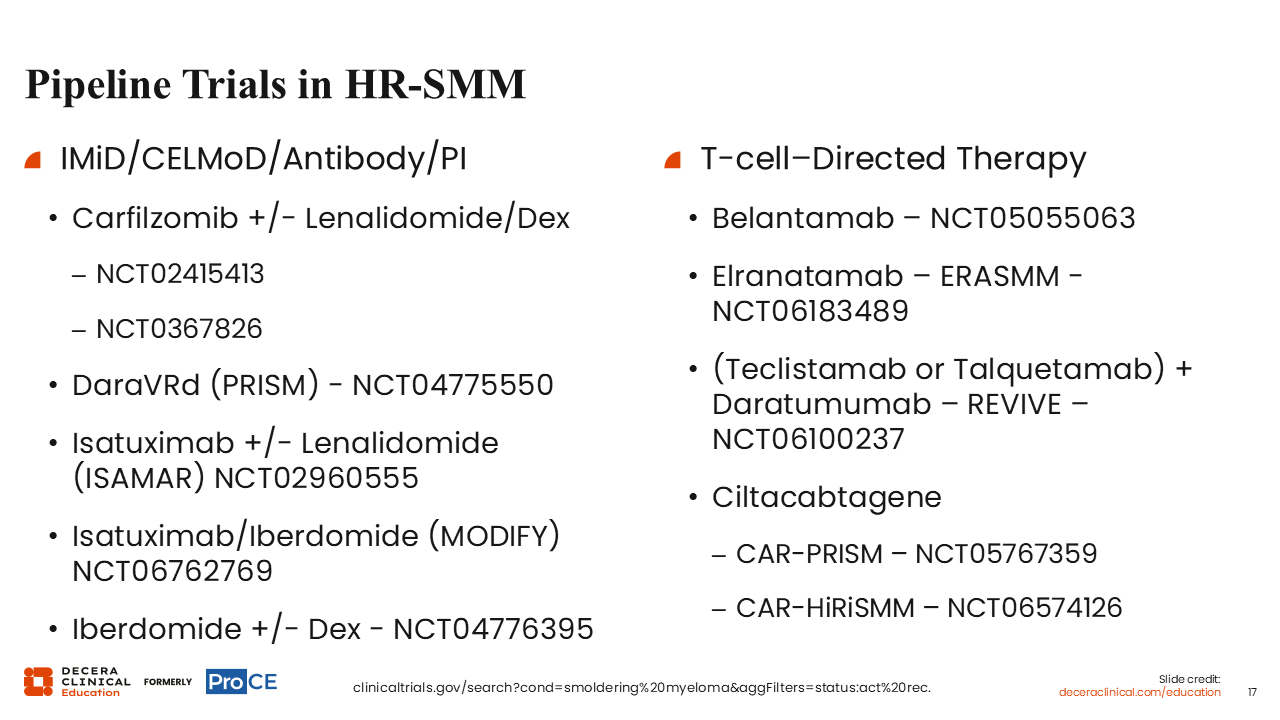
There are trials in the pipeline for patients with high-risk SMM, including those investigating cereblon E3 ligase modulatory drugs and immunomodulators; T-cell–directed therapies like belantamab mafodotin, elranatamab, teclistamab, or talquetamab (plus daratumumab); and even CAR T-cell therapies.
Expert’s Algorithm for Managing SMM
James A. Davis, PharmD, BCOP:
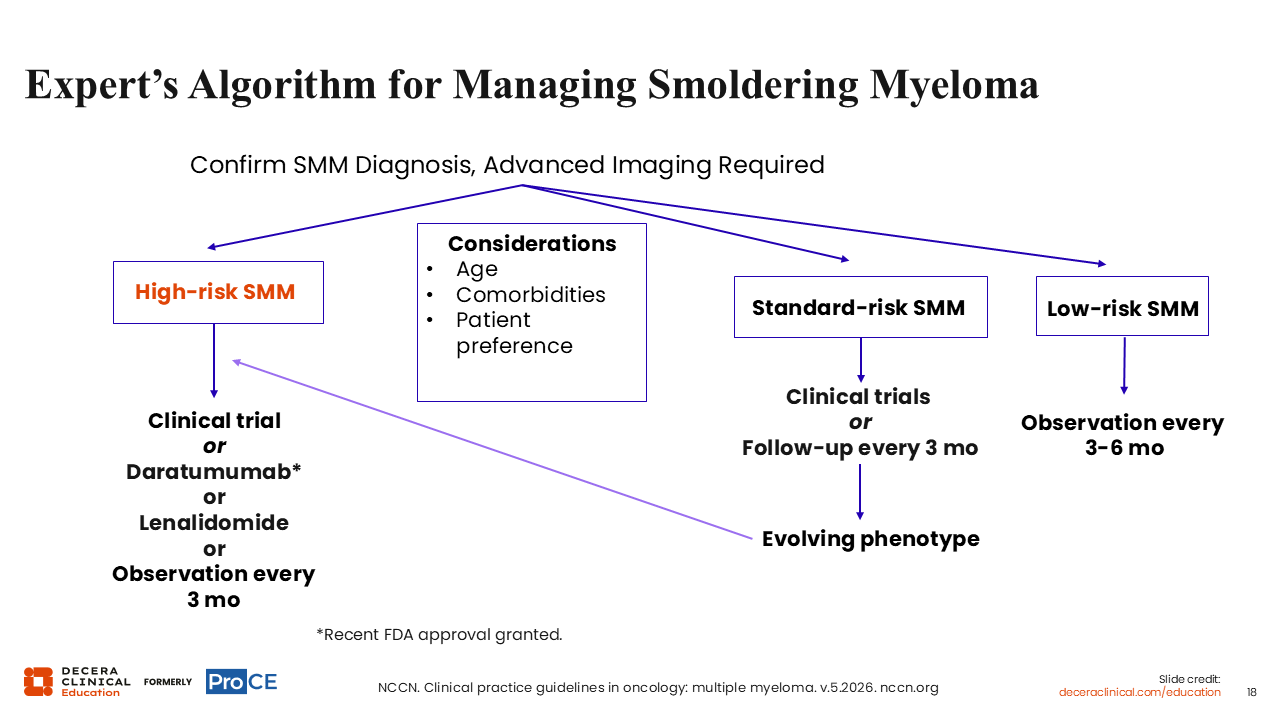
How does an HCP determine which patients to treat? Patients with low-risk SMM are typically not offered treatment because the risk of transforming to active MM is very low. Observation typically involves checking their labs and seeing them either virtually or in clinic every 3-6 months.
For patients with standard-risk or intermediate-risk SMM, enrollment on a clinical trial is recommended if that is an option. If not, these patients are typically followed every 3 months or so, checking labs. If their MM labs start going up, they would likely be classified as having high-risk SMM or active MM.
If patients have high-risk SMM by one of the newer criteria, they can be offered a clinical trial, if available. They can also be offered daratumumab based on the AQUILA data. Lenalidomide is a lower-category option based on the previous 2 trials discussed. Some patients may not want treatment, or some HCPs may not want to treat all patients with high-risk SMM, and these patients can be offered observation every 3 months.7 There is really no wrong answer here.
Scope of the Problem in Newly Diagnosed MM
Kelley L. Julian, PharmD, BCOP:
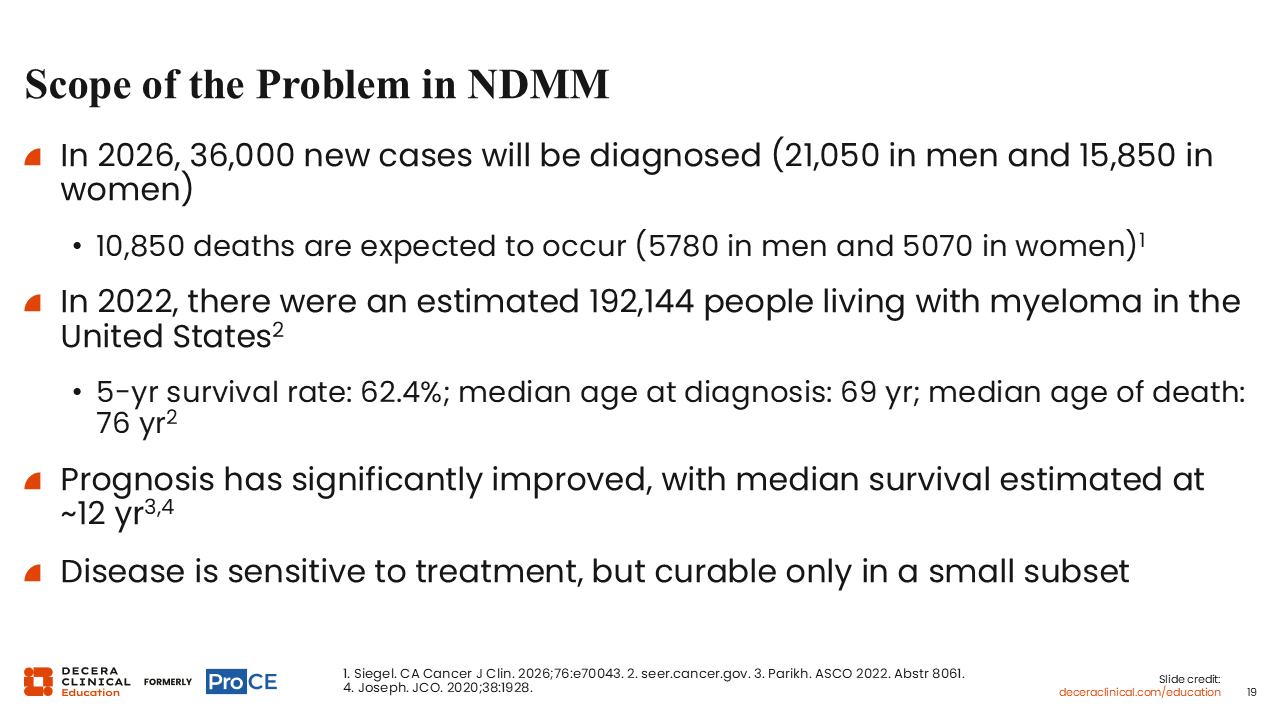
Let’s now review the treatment of newly diagnosed MM. In 2026, more than 36,000 new cases will likely be diagnosed, with more in men than in women, and more than 10,000 deaths are expected to occur. Based on 2022 data, nearly 200,000 patients living in the United States had MM, with a 5-year survival rate close to 60%. This is slowly increasing in a short amount of time, probably because of novel agents being instituted in earlier lines of therapy. Although these outcomes are promising, MM is largely regarded as an incurable cancer. A small subset may be curable, but HCPs are still trying to move the needle. Now let’s talk about some of the approaches being used to do that.9-12
MM Treatment Paradigm
Kelley L. Julian, PharmD, BCOP:
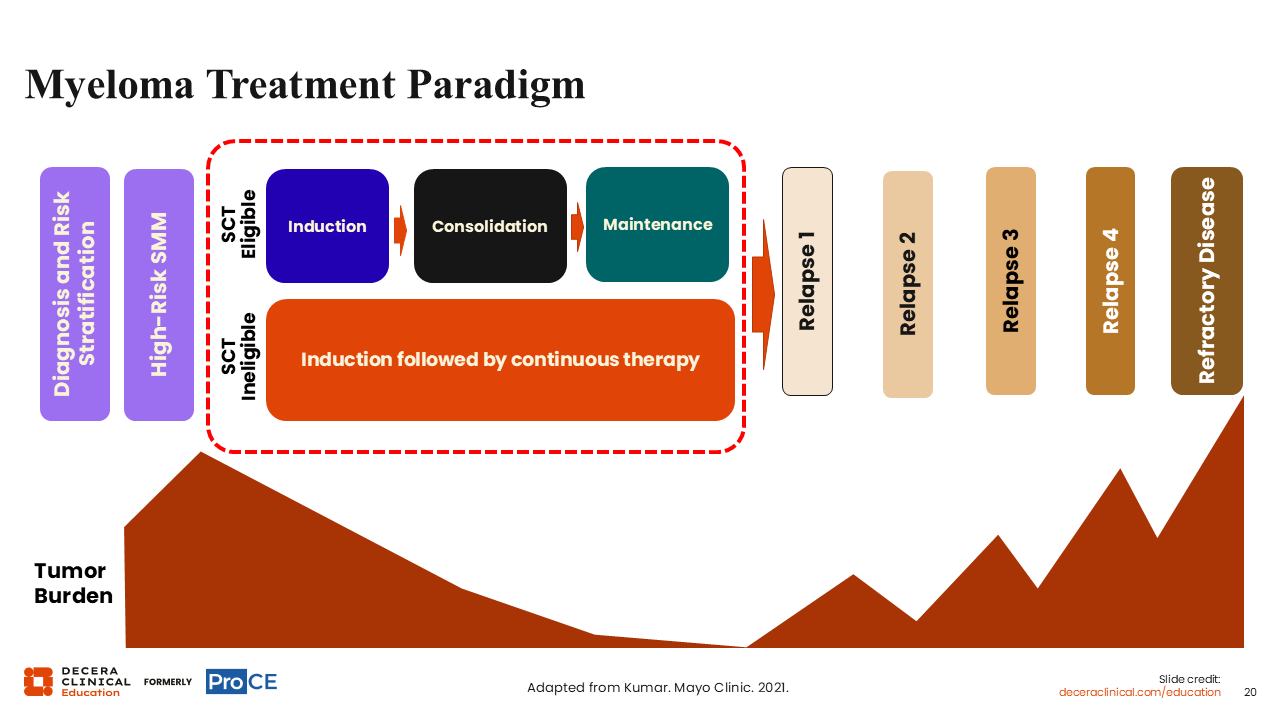
Regarding the treatment paradigm, I will focus on transplant-eligible patients. These patients will undergo induction therapy followed by transplant and then intensive consolidation and maintenance therapy. It is important to note that tumor burden can start off very high. The goal is to get these patients into a stringent complete response (CR), a deep response, as early as possible because with each subsequent relapse, the tumor burden will increase.
2024 IMS/IMWG Consensus on Defining High-Risk MM
Kelley L. Julian, PharmD, BCOP:
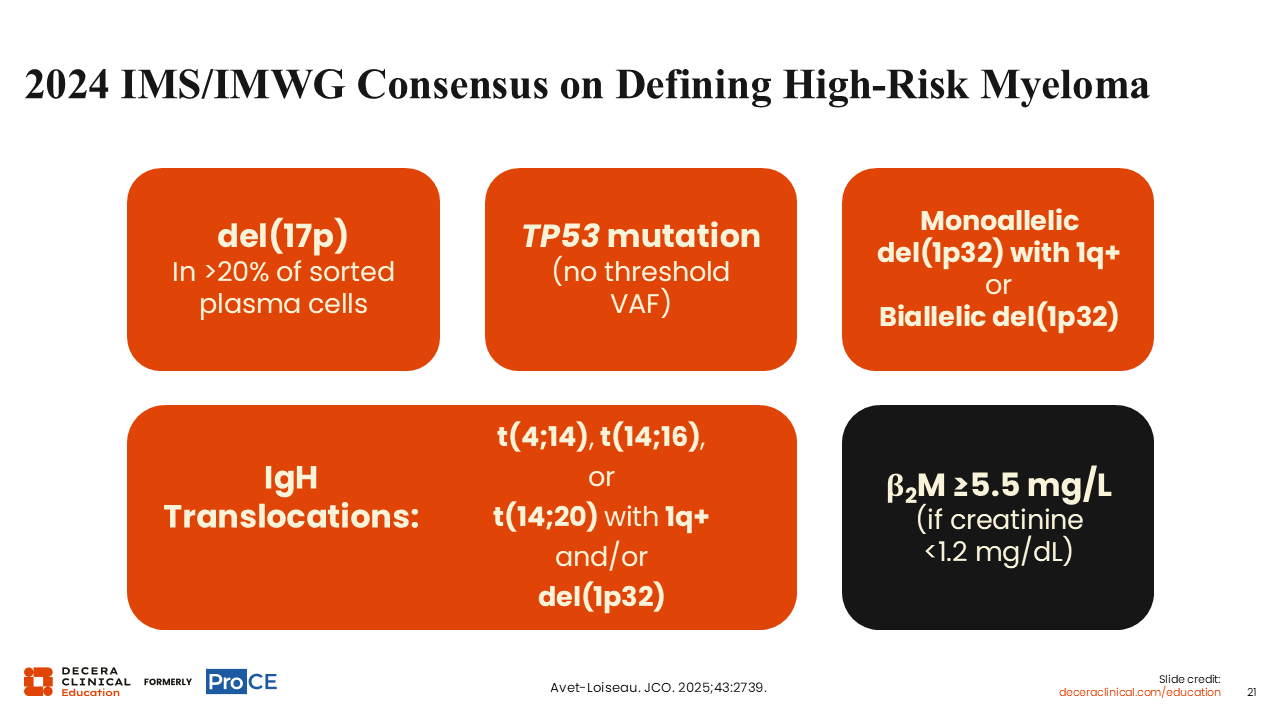
First, let’s set the stage. The 2024 International Myeloma Society/IMWG published a consensus on the definition of high-risk MM, representing a shift from simple clinical staging to a biologically driven definition. The main goal of this consensus was to move beyond the Revised International Staging System or Second Revision International Staging System because many HCPs felt they did not accurately capture the most aggressive 20% of cases in this era of anti-CD38–based quadruplet therapy.
The different boxes here represent criteria used to classify high-risk MM. For example, the presence of deletion 17p in >20% of sorted plasma cells is listed as a risk factor, but often patients can present with a lower threshold of deletion 17p–positive plasma cells who still could be considered high risk based on other factors. Other risk factors include TP53 mutation, with no threshold on the variant allele frequency, and β2-microglobulin ≥5.5 mg/L when the creatinine level is seminormal (ie, <1.2 mg/dL).13 This means that a high disease burden may be more difficult to treat.
It is also important to note that we have a functional definition of high risk, which includes patients who are primary refractory, those who do not respond to induction therapy, or who experience early relapse (within the first 12-18 months of treatment).
Depth of Response Matters!
Kelley L. Julian, PharmD, BCOP:
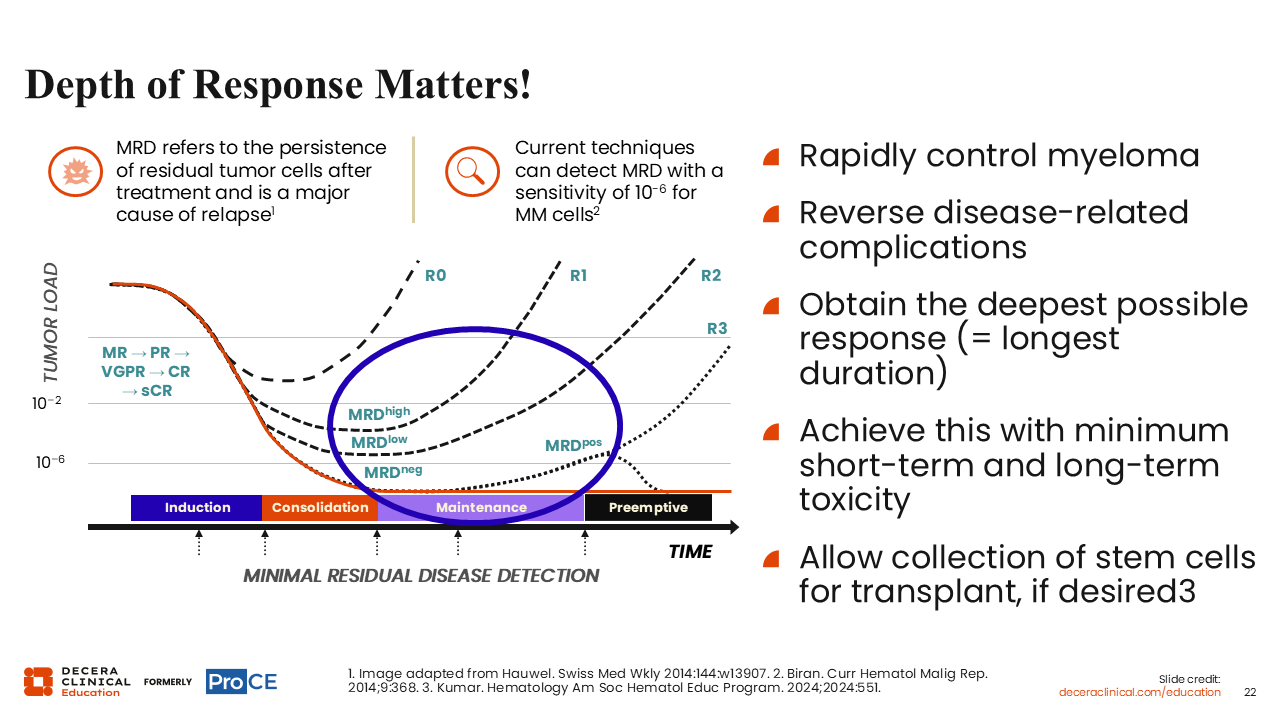
I want to mention that the depth of response matters. MRD is checked early and often (as early as after the first 4 cycles of induction therapy) in patients with MM. As denoted here by the blue circle, there are varying degrees of MRD: MRD negative, MRD low, or MRD high.
HCPs often check for MRD during treatment, indicated by the locations of the arrows shown here.14 The goal is to implement a response-adapted approach for treating MM based on whether the patient is standard risk or high risk. As illustrated here, the earlier MRD negativity is achieved and the deeper the response, the better the outcomes.
Newly Diagnosed MM and the Evolving Role of CD38 mAb Therapy
Kelley L. Julian, PharmD, BCOP:
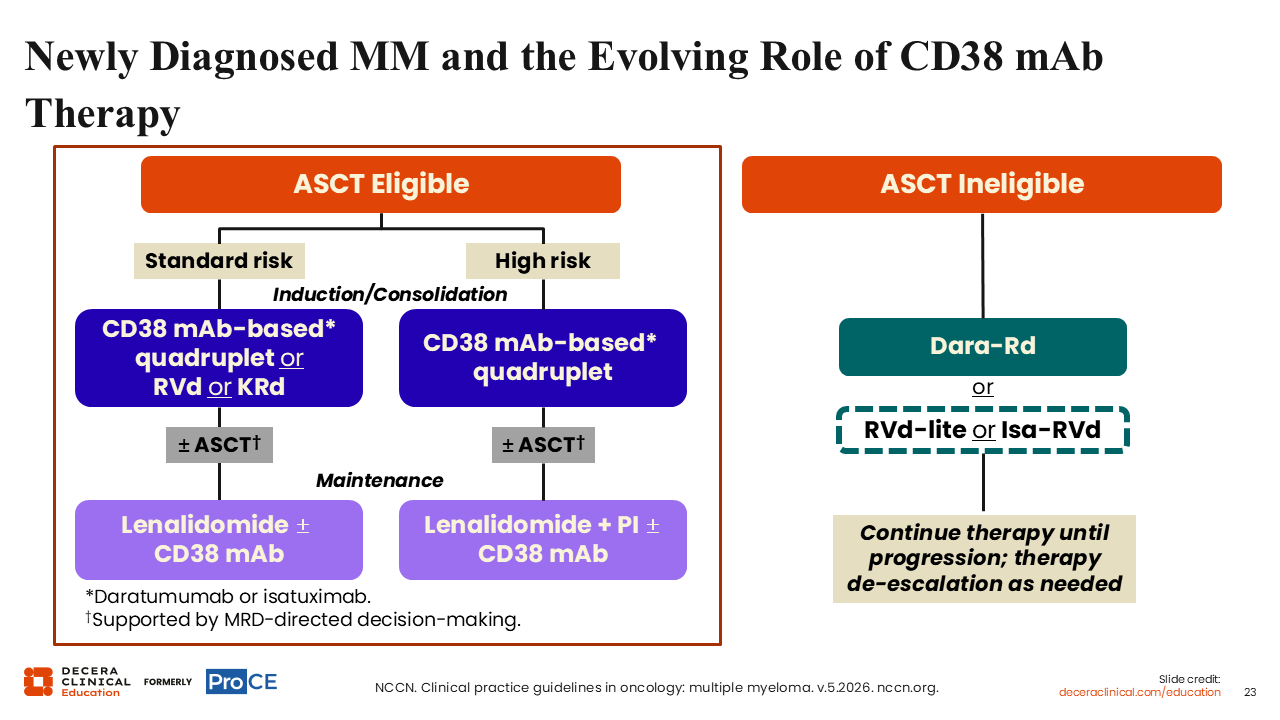
Continuing to focus on transplant-eligible patients, regardless of risk category, they are probably going to receive quadruplet therapy. Occasionally, a patient may begin treatment with a triplet followed by a fourth drug later on if the patient’s ECOG PS improves. A risk-adapted approach is used for induction treatment. If deemed eligible, patients will undergo autologous stem cell transplant and receive some type of maintenance treatment that includes a lenalidomide backbone and either doublet or triplet therapy.7
The Evolution of MM Therapy
Kelley L. Julian, PharmD, BCOP:
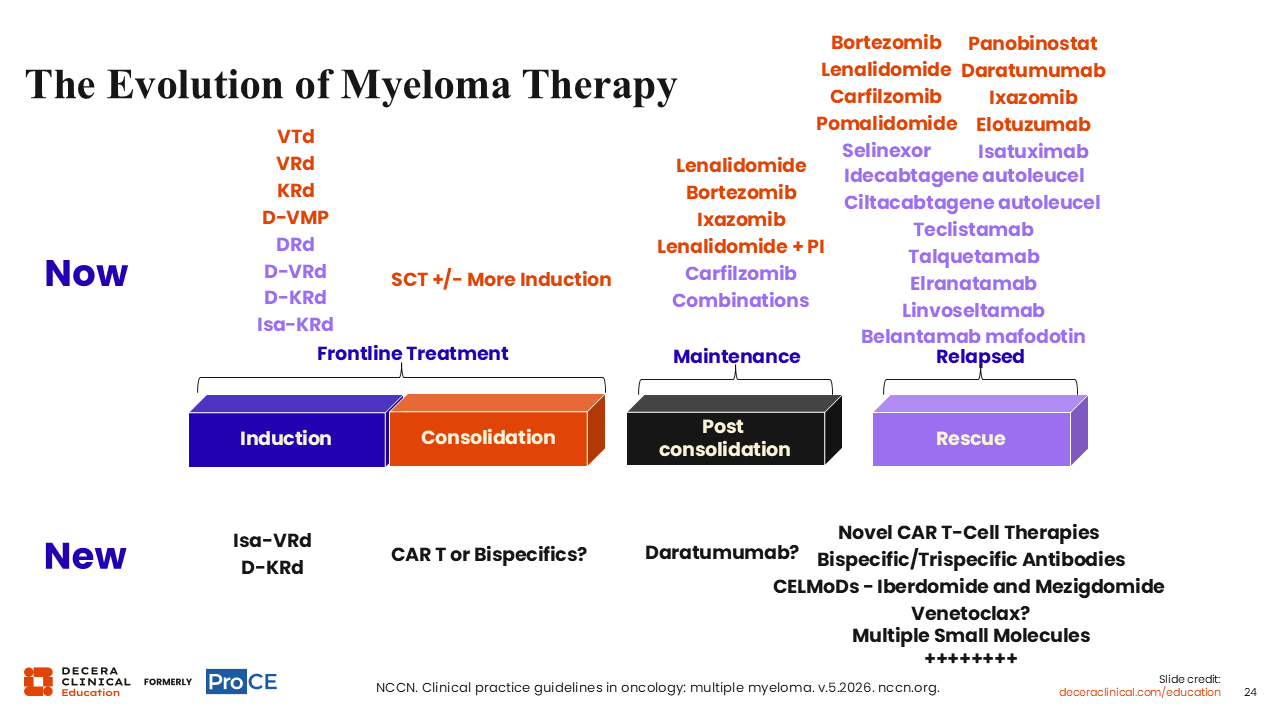
This slide illustrates the evolution of MM therapy, with many options being studied. I will focus on frontline treatment with induction and consolidation therapy. The combination regimens listed in orange are older and more traditional strategies. The field is moving into the newer agents, shown in light purple, and even newer agents listed at the bottom in black. There are many exciting drugs in the pipeline, and CAR T-cell therapies and bispecific antibodies are some of the agents currently being investigated in earlier lines.7
Rationale for Anti-CD38 + Immune Modulators in MM
Kelley L. Julian, PharmD, BCOP:
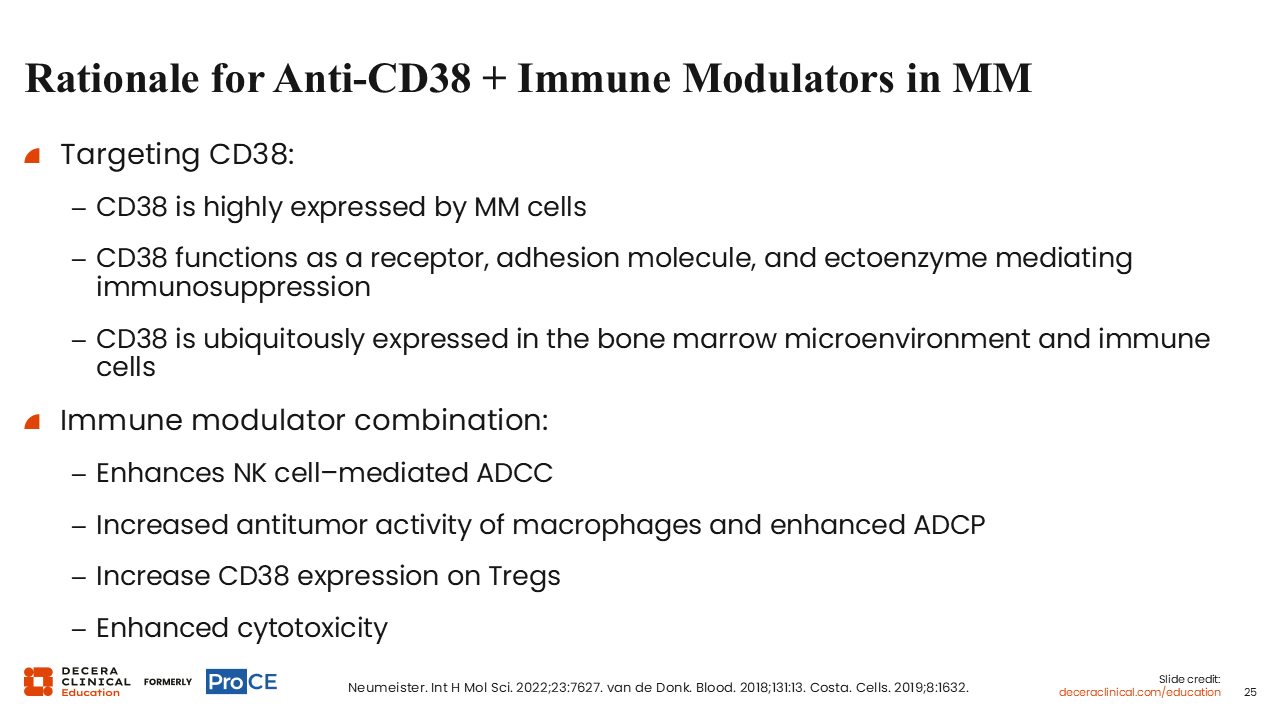
The backbone of quadruplet therapies is an anti-CD38 monoclonal antibody. Targeting CD38 is important because it is highly expressed on MM cells. The CD38 protein functions as a receptor and adhesion molecule as well as an ectoenzyme that mediates immunosuppression. It is ubiquitously expressed in the bone marrow microenvironment and immune cells. This means that when anti-CD38 monoclonal antibodies are used, the MM cells are targeted, leaving non-MM cells alone.
Anti-CD38 monoclonal antibodies are often paired with an immune modulator like lenalidomide or pomalidomide, and this synergy enhances cytotoxicity and increases CD38 expression on regulatory T-cells. This synergy is why these 2 types of drugs are used to treat patients with MM.15-17
Cycles of Relapse and Remission in MM
Kelley L. Julian, PharmD, BCOP:
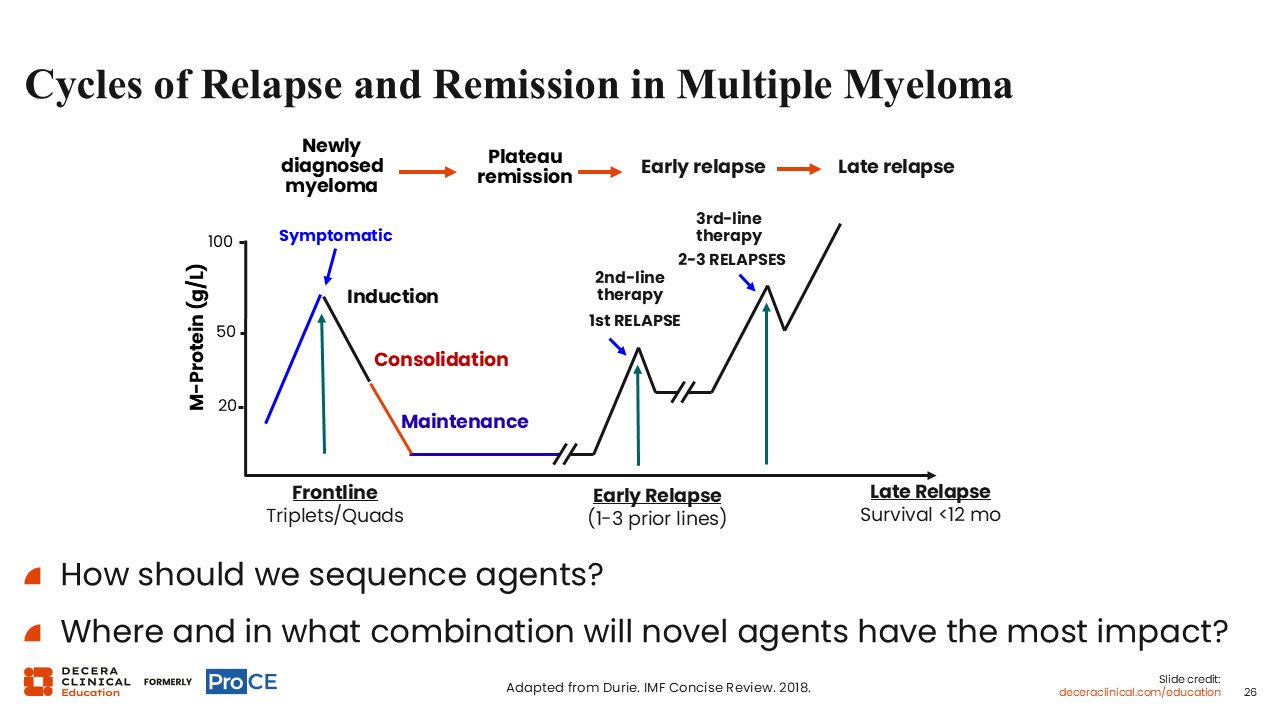
This slide illustrates the cycles of relapse and remission often seen in MM. Questions asked every day include, “How should we sequence these agents?” and “In what combination will these novel agents have the most impact?”
Treating the disease upfront has been highly successful, and patients can achieve long-term remission, but how do we keep them there, and if we modify or optimize therapy on the frontline, does it allow for longer remission?
Also, with each relapse, the disease (or M-protein spike indicated here) becomes more difficult to treat over time. The goal is to keep patients from relapsing as long as possible.
Induction Regimens in TE Patients With Newly Diagnosed MM: Efficacy
Kelley L. Julian, PharmD, BCOP:
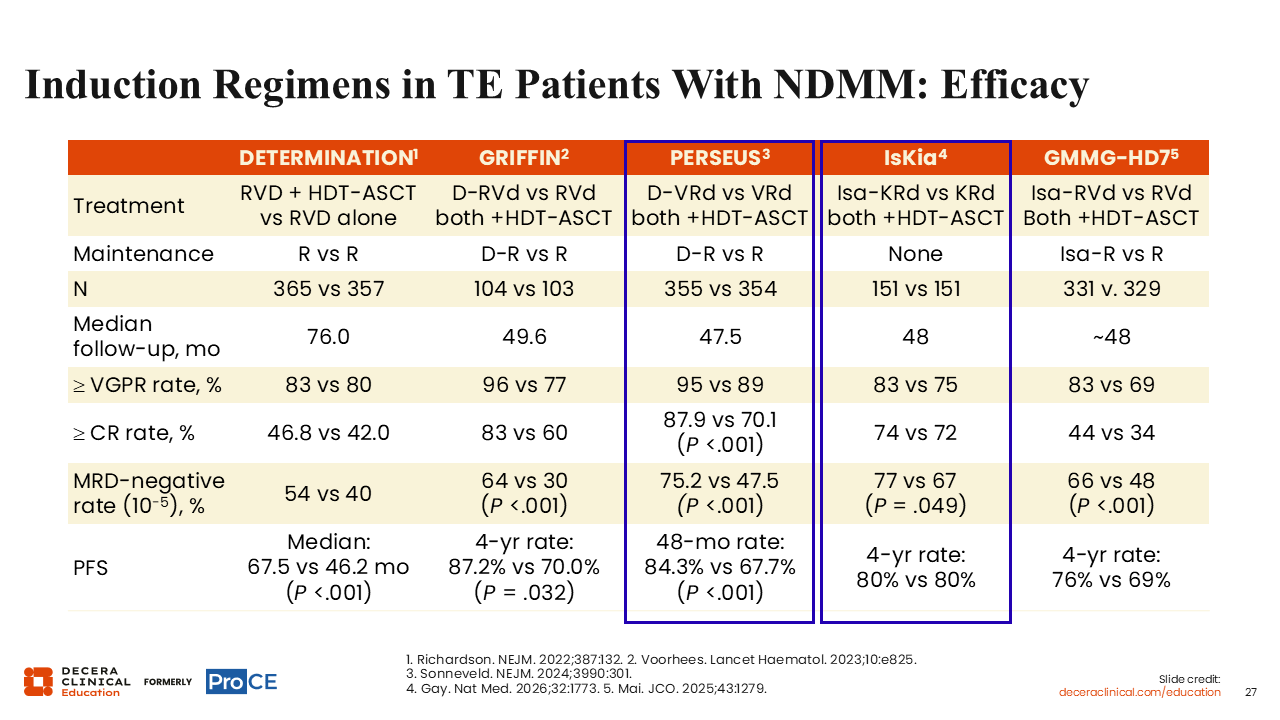
It is important to keep in mind the balanced treatment arms for all of the listed studies when reviewing the very good partial response, CR, MRD-negative rates, and PFS. It should be noted that cross-trial comparisons are problematic because of study population differences.
The phase III DETERMINATION was a major landmark study that evaluated the role of early autologous stem cell transplant vs keeping it in reserve for when the patient relapsed. What we learned from this trial was that for clinical practice, there is a significant PFS benefit, delaying first relapse by almost 2 years, in patients who received transplant upfront. However, this did not lead to an OS benefit.18
GRIFFIN19 was a phase II trial, and PERSEUS20 was a phase III trial. Both aimed to evaluate daratumumab/bortezomib/Rd as the frontline quadruplet of choice vs triplet therapy as induction therapy in transplant-eligible patients. GRIFFIN provided the initial proof-of-concept using IV daratumumab, and PERSEUS confirmed these findings in a larger population using the SC formulation. There were higher rates of MRD negativity in the quadruplet arm vs the triplet arm in both studies. Both trials demonstrated PFS benefit with CD38-targeted agents.
The IsKia trial showed that an isatuximab-based quadruplet with carfilzomib or bortezomib was effective in high-risk patients and those with a double-hit mutation status.21
The GMMG-HD7 trial was a major landmark trial evaluating MRD negativity with RVd with (quadruplet) or without (triplet) isatuximab. Investigators reported a significantly higher rate (P <.0001) of MRD negativity after induction with the quadruplet vs the triplet.22
In summary, we have exciting new quadruplet and triplet therapies in the frontline setting of MM.
MRD Is Prognostic for Both PFS and OS
Kelley L. Julian, PharmD, BCOP:
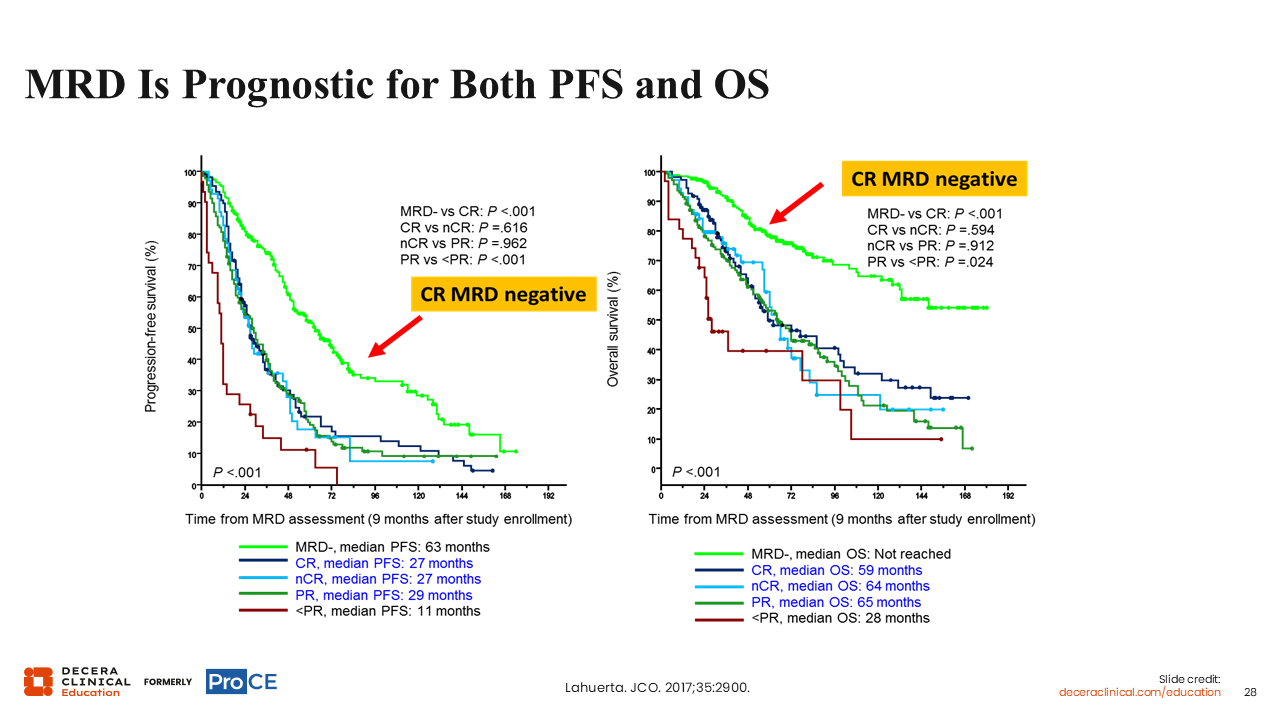
Remember that MRD is prognostic for both PFS and OS in MM. As shown here, MRD-negative status surpasses the prognostic value of CR achievement for both PFS and OS, regardless of risk category or induction treatment. The same result was also seen in transplant-eligible and elderly fit patients with MM.23 What this means is that standard CR is no longer a high enough bar to predict survival because MRD-negative status represents a much deeper clearance of disease response.
PERSEUS: VRd ± Daratumumab in Transplant-Eligible Newly Diagnosed MM
Kelley L. Julian, PharmD, BCOP:
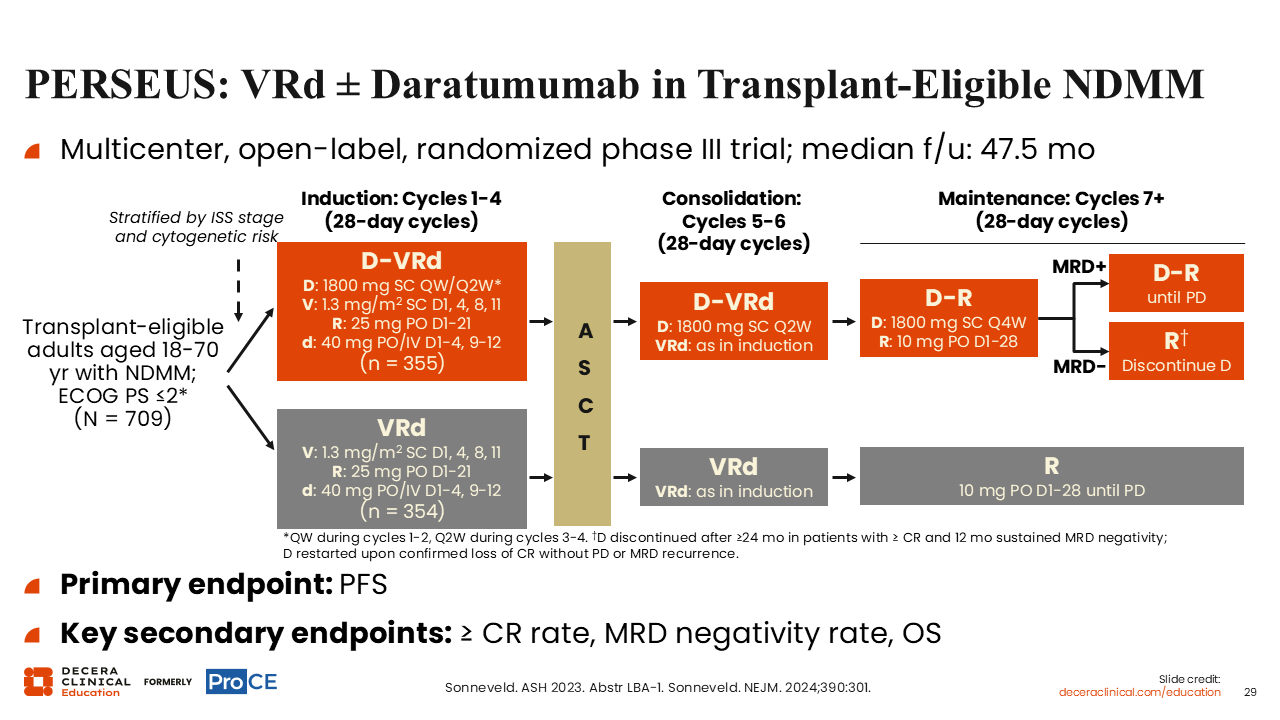
The unique feature of PERSEUS is that patients received MRD-driven maintenance. All patients on the quadruplet arm received 4 cycles of induction followed by transplant, 2 cycles of consolidation, and then daratumumab/lenalidomide maintenance. Based on MRD status, participants were able to de-escalate to lenalidomide alone (if MRD negative) or stay on an intensive daratumumab/lenalidomide regimen (if MRD positive). The primary endpoint was PFS.20
PERSEUS: PFS and MRD Negativity Rate
Kelley L. Julian, PharmD, BCOP:
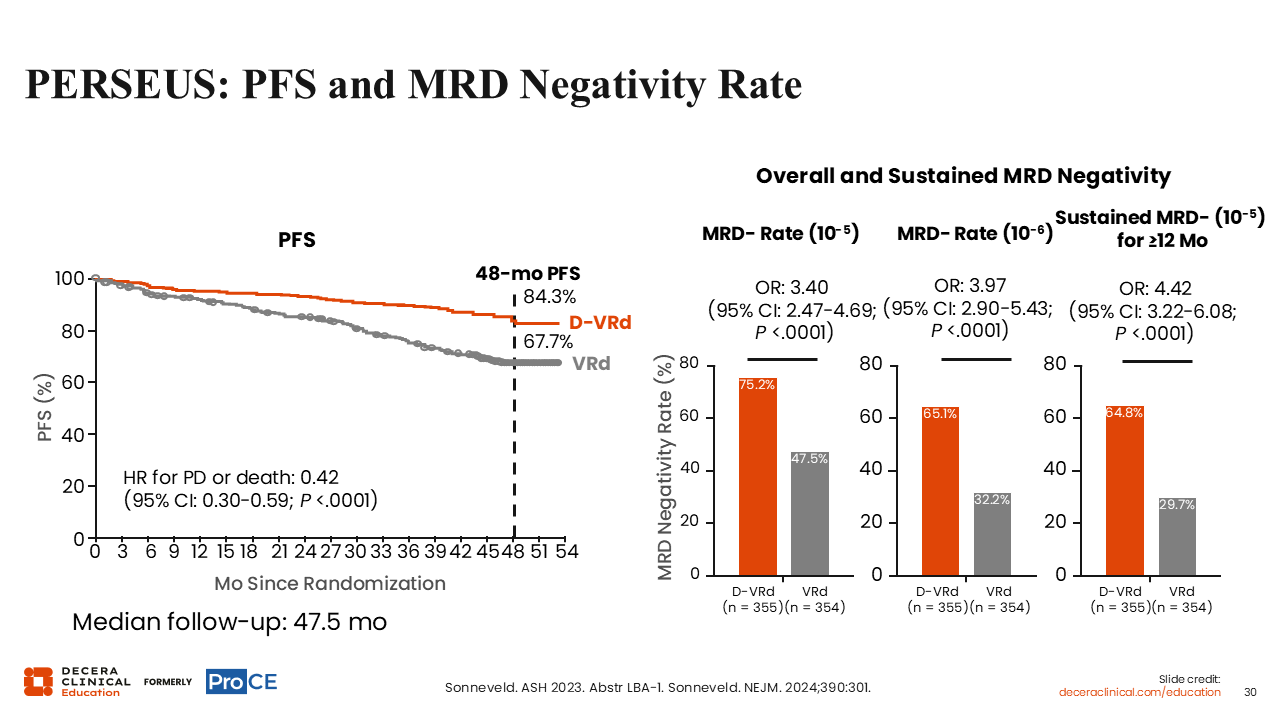
At the 48-month mark, there was a nice separation of curves, with an 84.3% PFS rate in patients on the quadruplet arm vs 67.7% on the triplet arm. When looking at overall MRD negativity, MRD-negativity rates were better with the quadruplet vs the triplet at both thresholds (10-5 and 10-6), with an odds ratio of 3.4 and almost 4.0, respectively. Moreover, MRD negativity was sustained at the 12-month mark.20
Trials of Isatuximab Quadruplet Therapy in Newly Diagnosed MM
Kelley L. Julian, PharmD, BCOP:
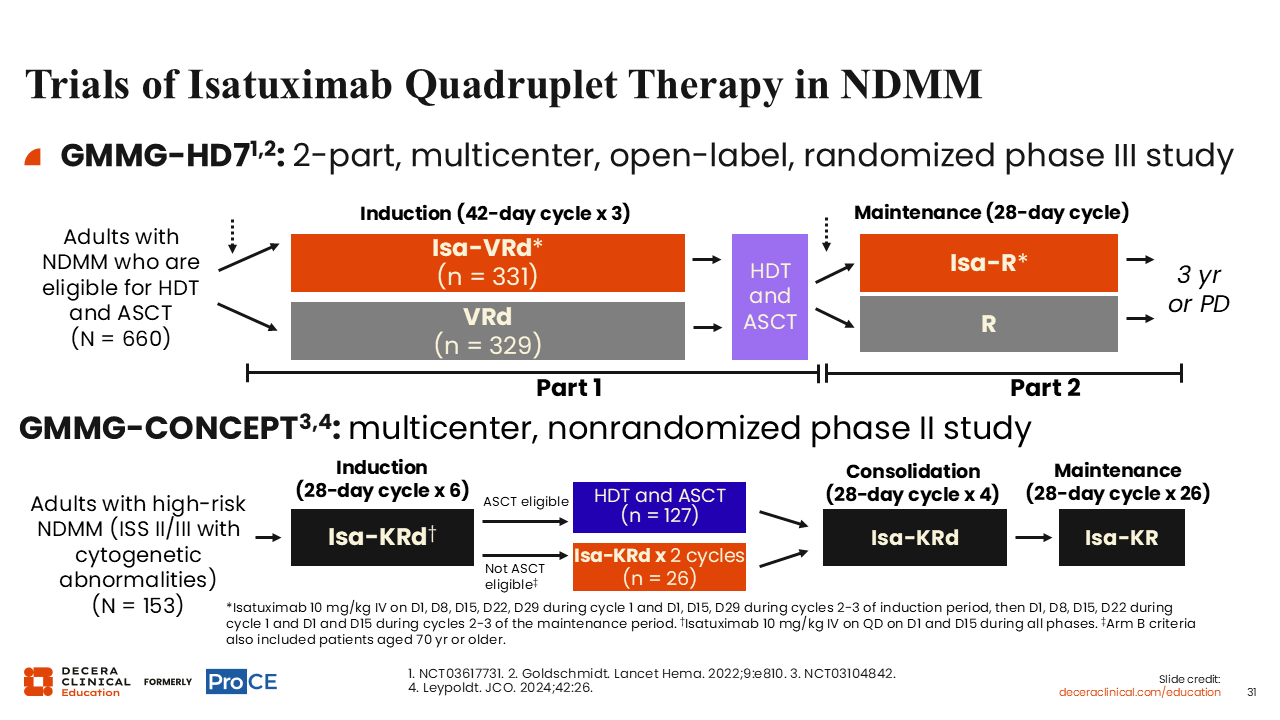
Shown here are the trial designs for the phase III GMMG-HD7 study and the phase II GMMG-CONCEPT study, both evaluating isatuximab-based quadruplet therapy in patients with newly diagnosed MM. Because of the relevance with MRD, we will focus on the GMMG-CONCEPT trial.
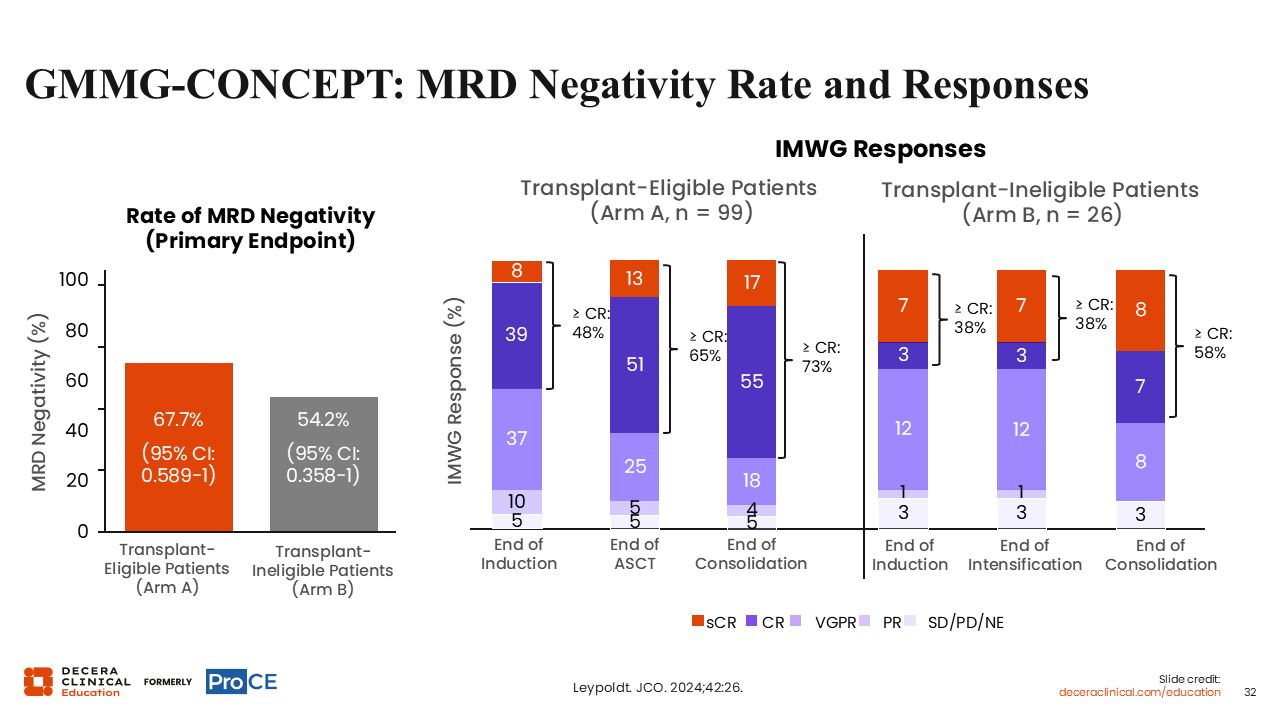
GMMG-CONCEPT: MRD-Negativity Rate and Responses
Kelley L. Julian, PharmD, BCOP:
In GMMG-CONCEPT, investigators reported increased rates of MRD negativity with the quadruplet regimen vs the triplet regimen. When MRD status was assessed at the end of induction, end of transplant, and end of consolidation, there was a deepening of response and an increase in the percentage of patients who achieved CR across the board.24
MIDAS: MRD-Driven Strategy Following Isa-KRd Induction in Transplant-Eligible Newly Diagnosed MM
Kelley L. Julian, PharmD, BCOP:
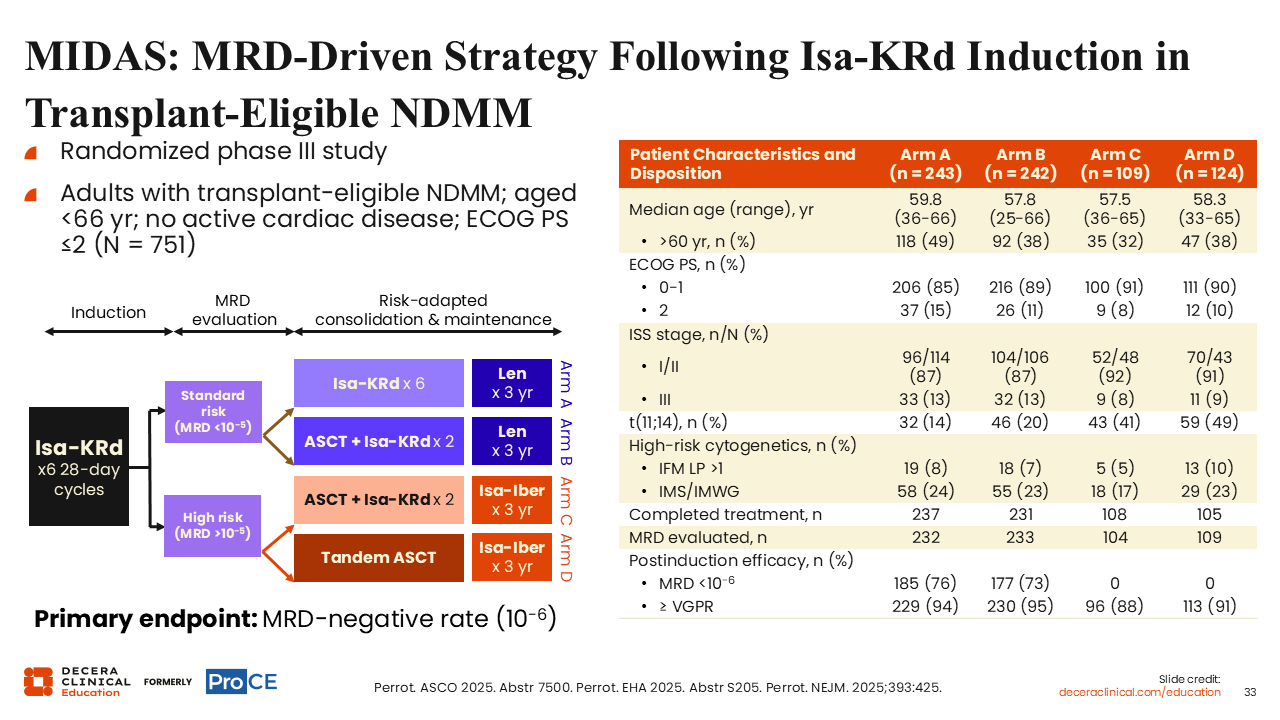
The phase III MIDAS trial was the first study to demonstrate that a true response-adaptive therapy is feasible in MM. This was a very complex trial with 4 treatment arms.
All participants were treated with isatuximab/carfilzomib/Rd (Isa-KRd) for 6 cycles of induction followed by a risk-adapted consolidation and maintenance approach. Patients at standard risk were randomized to Arms A and B and treated with either 6 cycles of Isa-KRd or 2 cycles of Isa-KRd plus transplant, followed by lenalidomide maintenance. Patients at high risk were randomized to Arms C and D and treated with 2 cycles of Isa-KRd plus transplant or tandem transplant followed by isatuximab/iberdomide maintenance.25
MIDAS: MRD Negativity
Kelley L. Julian, PharmD, BCOP:
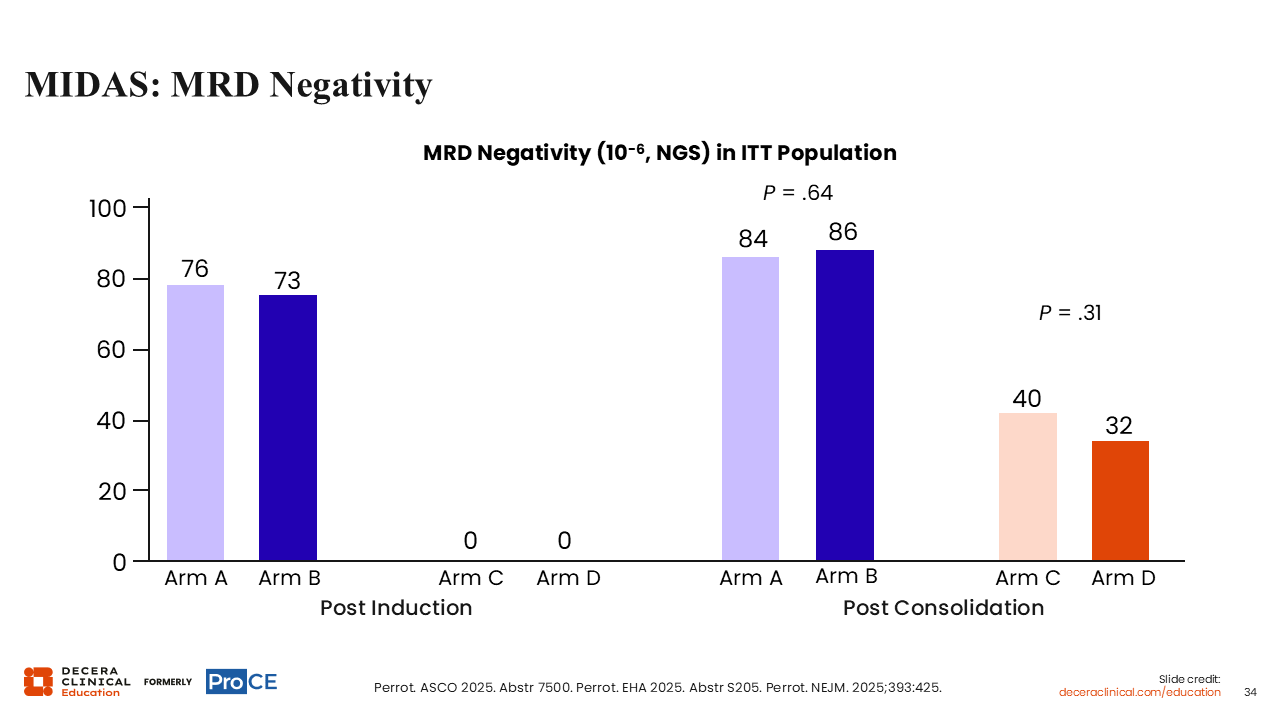
Between Arms A and B (standard risk), there was no major difference in the percentage of patients who achieved MRD negativity post consolidation (P = .64), suggesting that for patients who achieve early deep molecular clearance with Isa-KRd, transplant does not significantly deepen the response. Between Arms C and D (high risk), tandem transplant followed by potent quadruplet consolidation was not superior to single transplant followed by quadruplet consolidation (P = .31), and the quality of the drug-based consolidation was as effective, if not more effective, than the tandem transplant.25
AURIGA: Daratumumab/Lenalidomide vs Lenalidomide as Posttransplant Maintenance Therapy for Newly Diagnosed MM
Kelley L. Julian, PharmD, BCOP:
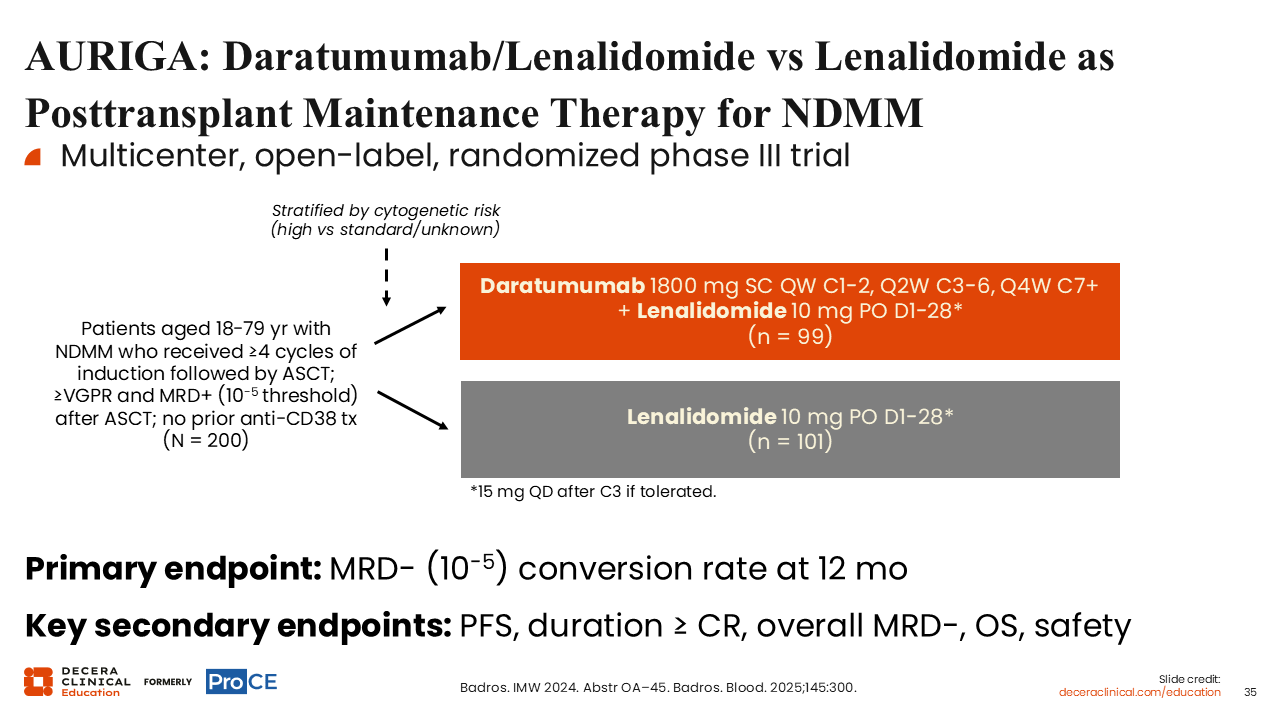
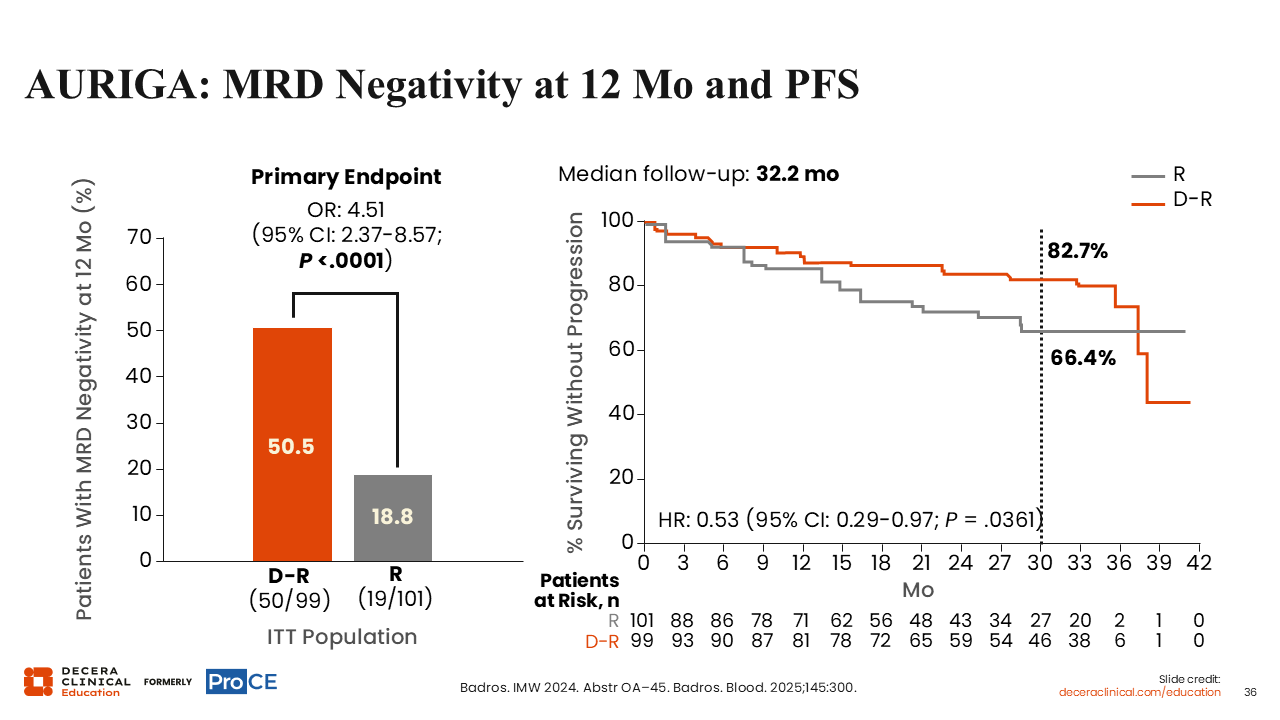
The last trial to discuss is the phase III AURIGA trial, which focused on maintenance therapy for newly diagnosed MM, stratified by cytogenetic risk. MRD-positive patients were treated with daratumumab plus lenalidomide or lenalidomide alone, and the primary endpoint was MRD negativity at 12 months.
AURIGA: MRD Negativity at 12 Months and PFS
Kelley L. Julian, PharmD, BCOP:
As shown here, with an odds ratio of 4.51, patients were almost 5 times more likely to be MRD negative at 1 year post treatment with the doublet vs lenalidomide alone. PFS was also prolonged with the daratumumab plus lenalidomide vs lenalidomide alone, further supporting a response-adapted approach in the maintenance setting.26
Summary of Transplant-Eligible Newly Diagnosed MM
Kelley L. Julian, PharmD, BCOP:
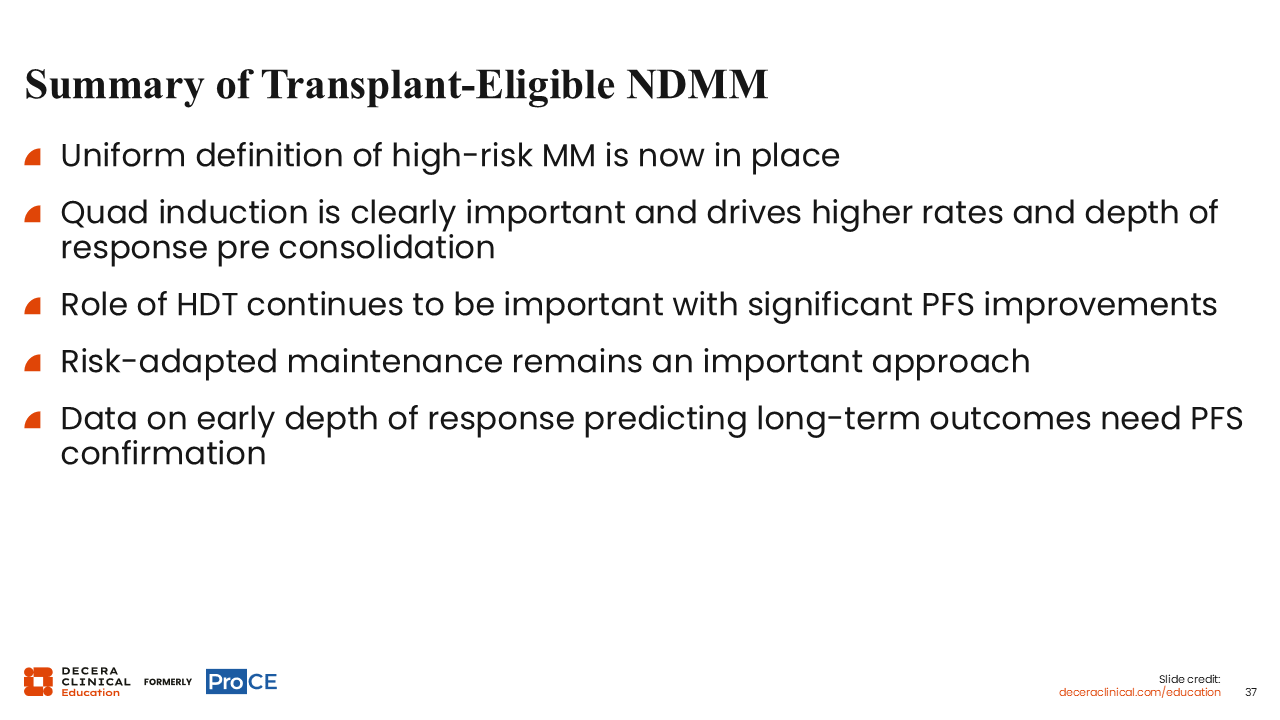
In summary, a uniform definition of high-risk MM is now in place. Quadruplet induction therapy is clearly important and drives higher rates and depth of response. The role of transplant continues to be important but is not suitable for all patients. A risk-adapted maintenance approach remains important. Finally, data on early depth of response predicting long-term outcomes needs to be validated through PFS confirmation.