Back
Back
CE
Frontline Management of Transplant-Ineligible Multiple Myeloma: Optimizing Therapy, Supportive Care, and Patient Outcomes
Pharmacists: 0.50 contact hour (0.05 CEUs)
Released: July 31, 2026
Expiration: January 30, 2027


Activity
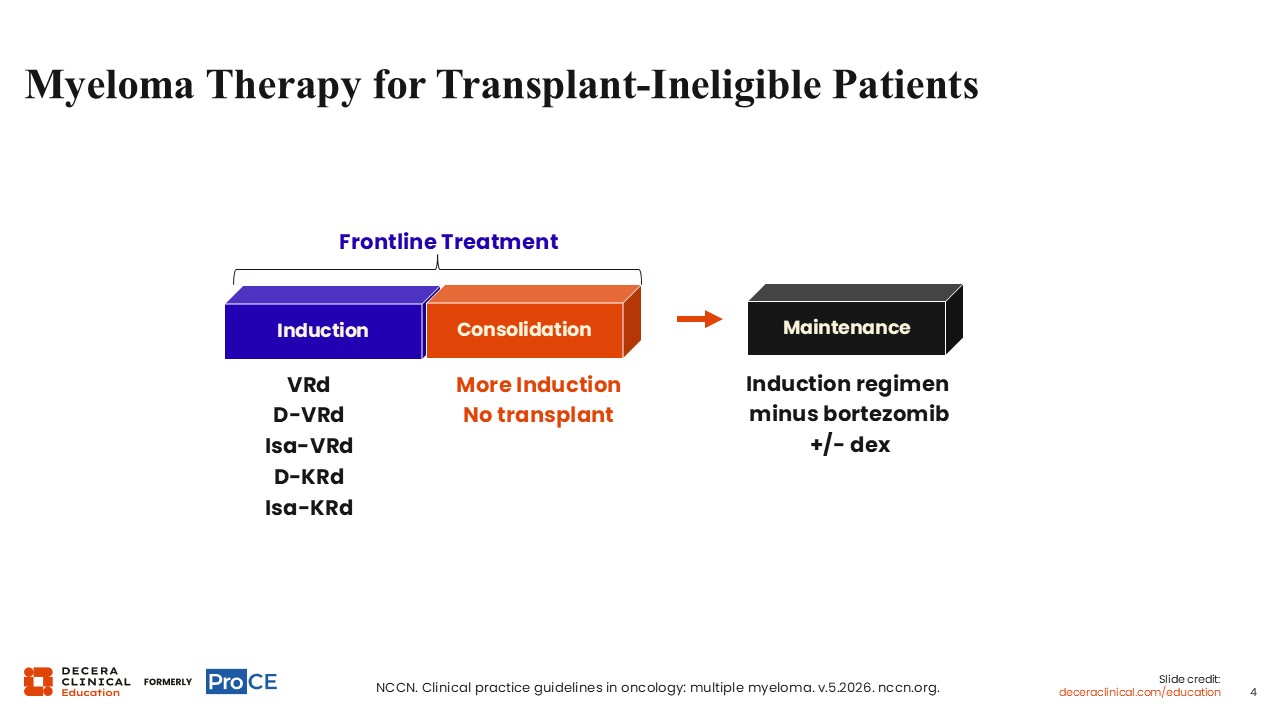
Myeloma Therapy for Transplant-Ineligible Patients
James A. Davis, PharmD, BCOP:
Patients with MM who are not eligible for or defer transplant are generally treated with triplet or quadruplet regimens that include an anti-CD38 monoclonal antibody, a proteasome inhibitor, and/or an immunomodulatory drug as induction therapy, followed by additional induction therapy as consolidation, and eventually moving to maintenance, skipping the transplant altogether.
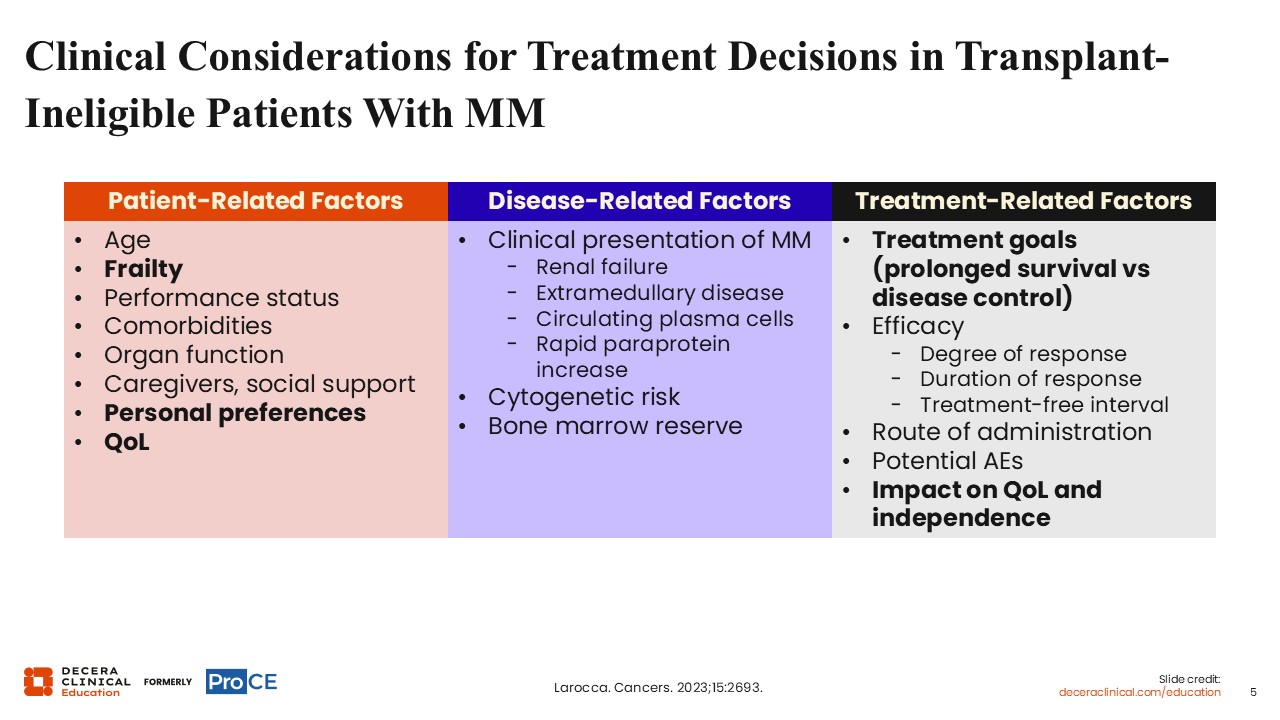
Clinical Considerations for Treatment Decisions in Transplant-Ineligible Patients With MM
James A. Davis, PharmD, BCOP:
There are numerous factors to consider for a patient who is ineligible for transplant. This slide lists several of those factors and can be used as a reference. Frailty has really come into focus in the last 3-5 years, shifting from the traditional factor of age as a number to qualify or disqualify someone for transplant. Instead, frailty is a measure of not only age but also performance status and comorbidities.
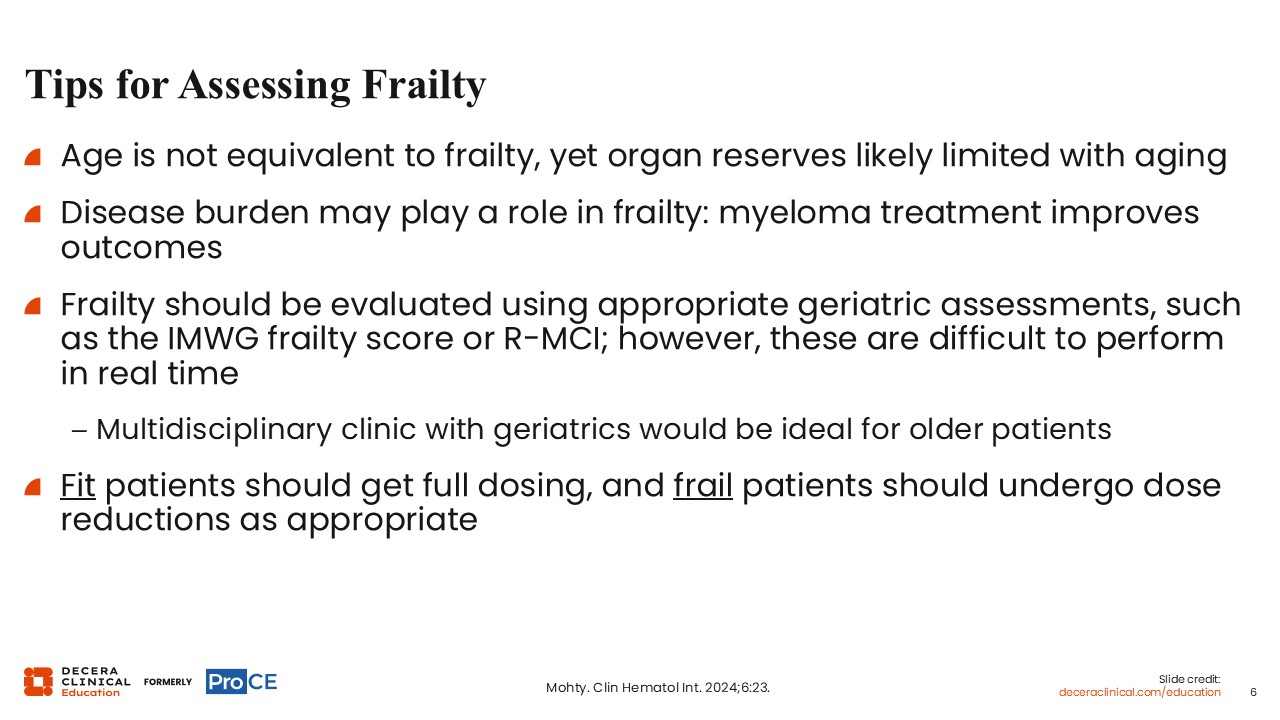
Tips for Assessing Frailty
James A. Davis, PharmD, BCOP:
This slide lists a number of tips for assessing frailty. Essentially, age is just a number. Disease burden may play a role. Frailty should be assessed using appropriate frailty scores, which I review on the next slide, but in general, fit patients should receive full target dosing, and frail patients should undergo dose reductions where appropriate.
Key Frailty Scoring Systems for MM
James A. Davis, PharmD, BCOP:
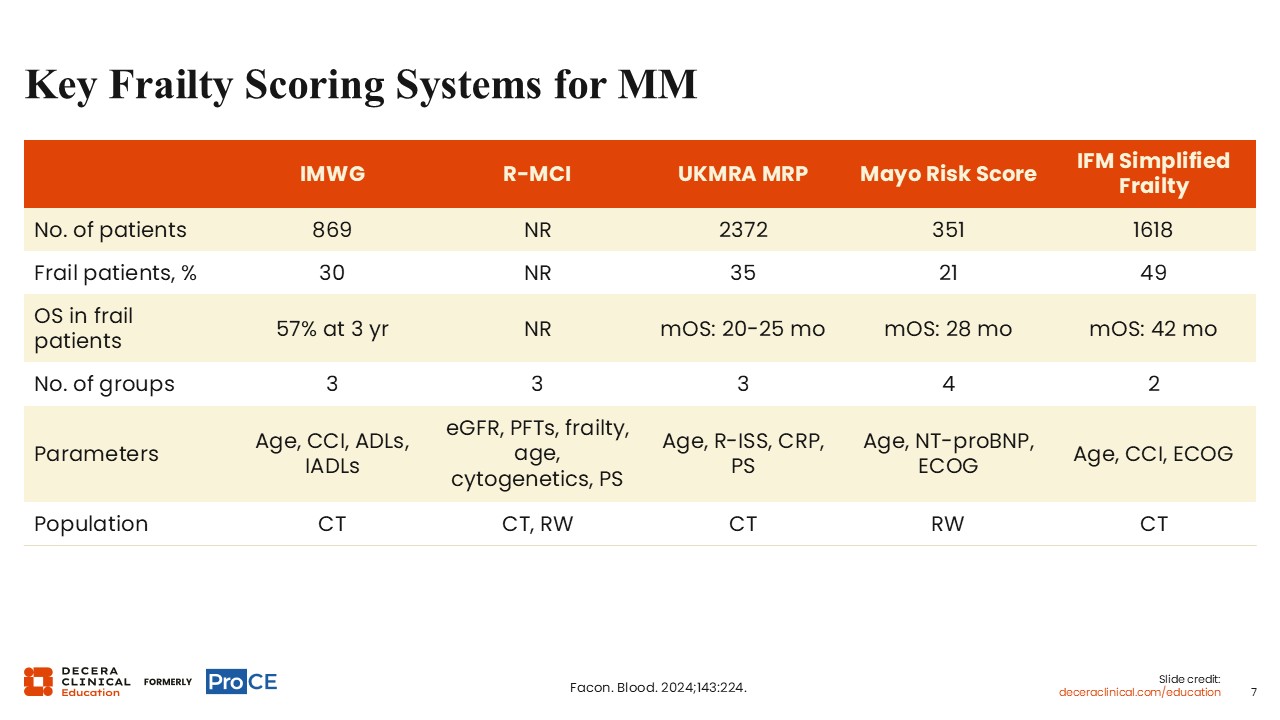
It is important to assess whether older patients meet frailty criteria to determine whether they are eligible for transplant or CAR T-cell therapy. Some of the frailty scoring systems used to guide treatment decisions in older adults with MM include the International Myeloma Working Group frailty index, the Intergroupe Francophone du Myélome Simplified Frailty Scale, the Revised Myeloma Comorbidity Index, and the UK Myeloma Research Alliance Risk Profile. These systems incorporate factors such as age, comorbidities, functional status, and performance status to classify patients as fit, intermediate fit, or frail, helping healthcare professionals individualize therapy intensity and better predict toxicity and survival outcomes.1
Triplet Trials in Transplant-Ineligible Newly Diagnosed MM
James A. Davis, PharmD, BCOP:
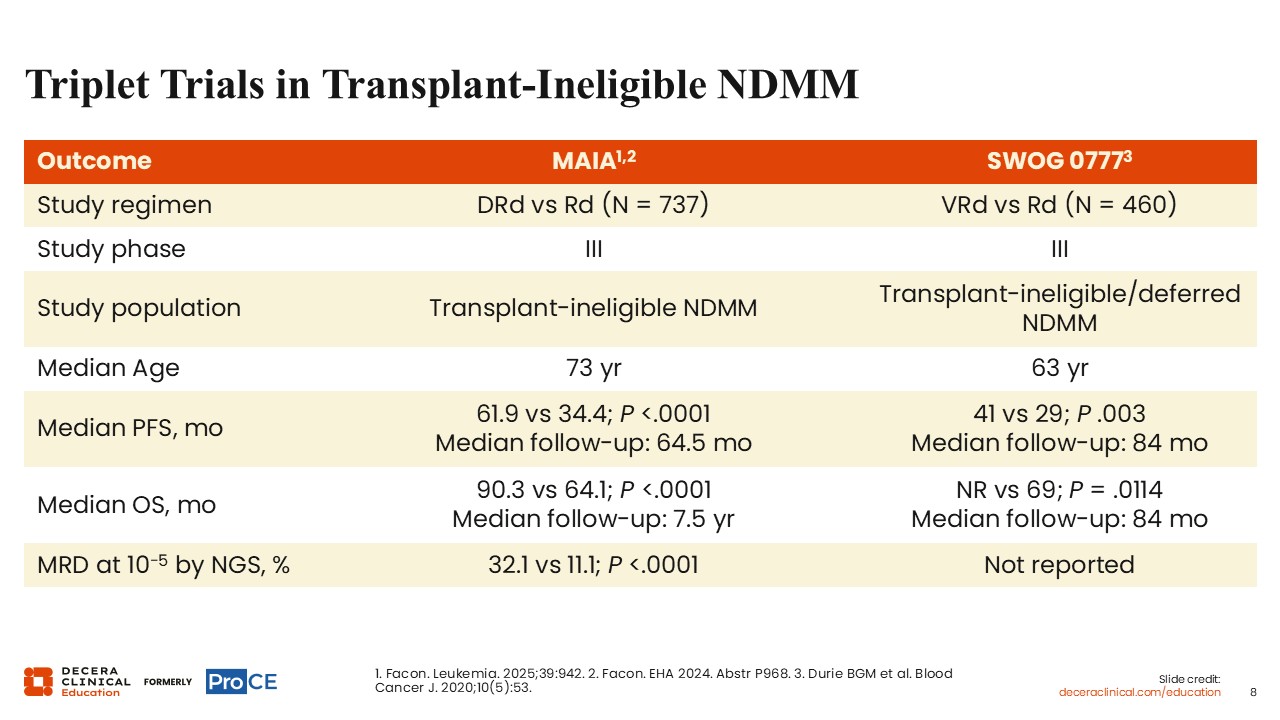
There are 2 landmark clinical trials that evaluated triplet therapy in patients who are ineligible for transplant. First, the phase III SWOG 0777 trial looked at the classic VRd triplet vs Rd. The median patient age was 63 years, which is somewhat young. Overall, investigators found that patients who received the triplet did better in terms of PFS (median PFS: 41 months vs 29 months; P = .003) and overall survival (OS) (median OS: not reached vs 69 months; P = .0114) vs those who received the doublet.2
More recently, as shown on the left, the phase III MAIA trial evaluated a daratumumab-based triplet vs Rd. In this trial, the median patient age was 73 years. These patients did better at the long-term data cutoff, with a median follow-up of 64.5 months, in terms of PFS (median PFS: 61.9 months vs 34.4 months; P <.001) as well as OS at a median follow-up of 7.5 years (median OS: 90.3 months vs 64.1 months; P <.001).3,4
Transplant-Ineligible Quadruplet Trials
James A. Davis, PharmD, BCOP:
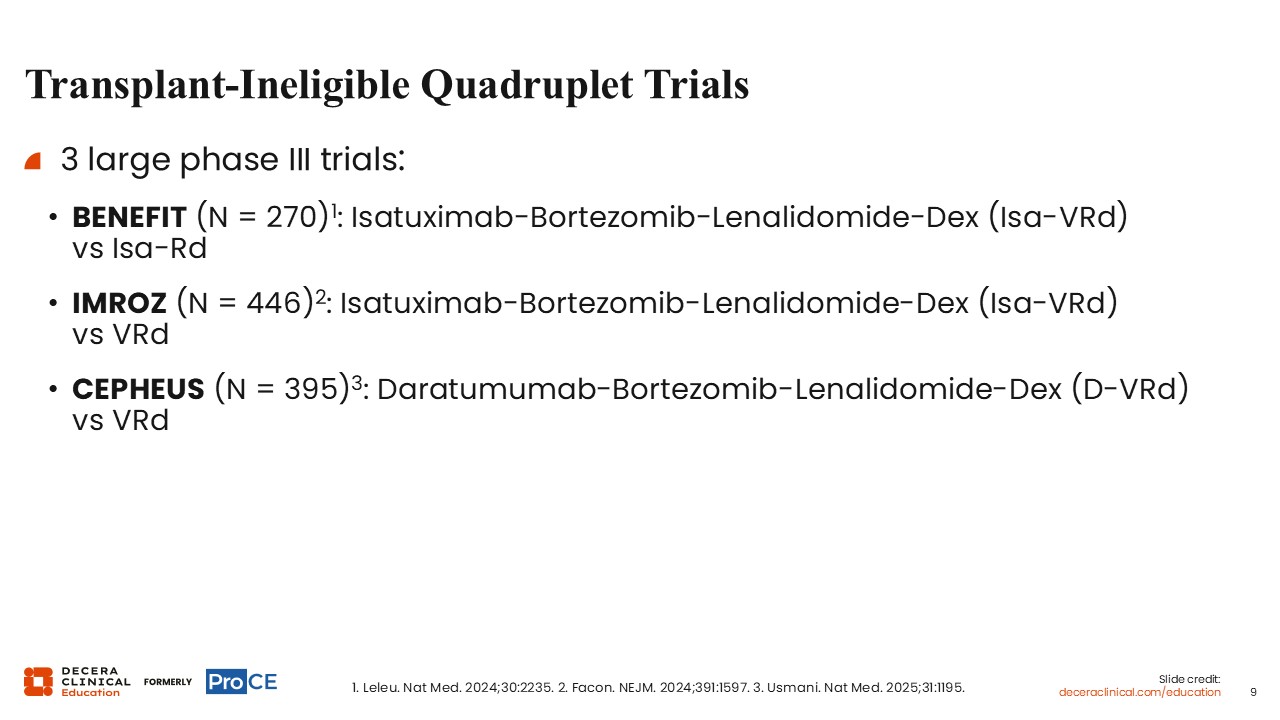
The 2 landmark trials set the stage for 3 large, international randomized trials that compared triplet therapies with quadruplet therapies: BENEFIT, IMROZ, and CEPHEUS.
BENEFIT: Isatuximab Plus VRd in Transplant-Ineligible Newly Diagnosed MM
James A. Davis, PharmD, BCOP:
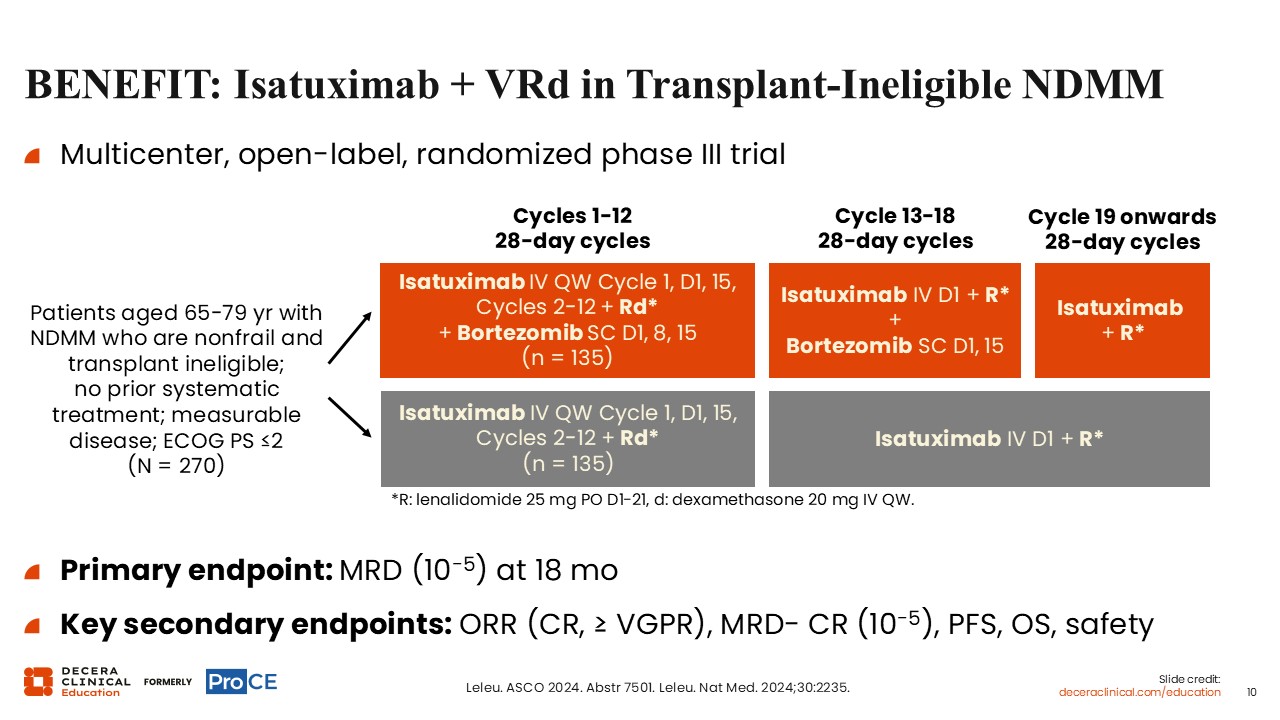
The phase III BENEFIT trial recruited patients across 60 centers in France and randomized participants to either a quadruplet regimen (Isa-VRd) or a triplet regimen (Isa-Rd). The only difference was the addition of bortezomib to the experimental group, shown in orange on the slide.5
BENEFIT: MRD Negativity Rate and PFS in ITT Population
James A. Davis, PharmD, BCOP:
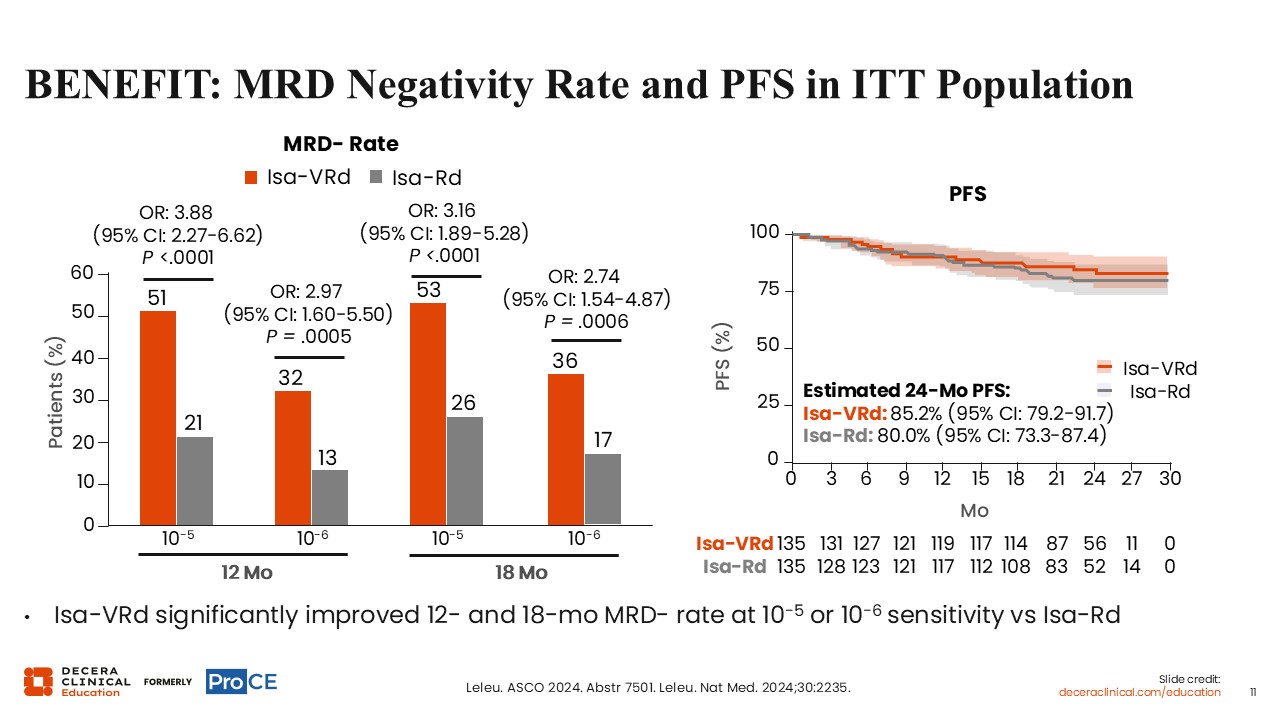
Shown on this slide are the measurable residual disease (MRD)–negative rate and PFS. Patients in the quadruplet arm reached MRD negativity at a significantly higher rate than those in the triplet arm, and the PFS benefit at 2 years was approximately 5%.
Based on these data, Isa-VRd is now an option for transplant-ineligible patients.5
IMROZ: Isatuximab Plus VRd in Transplant-Ineligible Newly Diagnosed MM
James A. Davis, PharmD, BCOP:
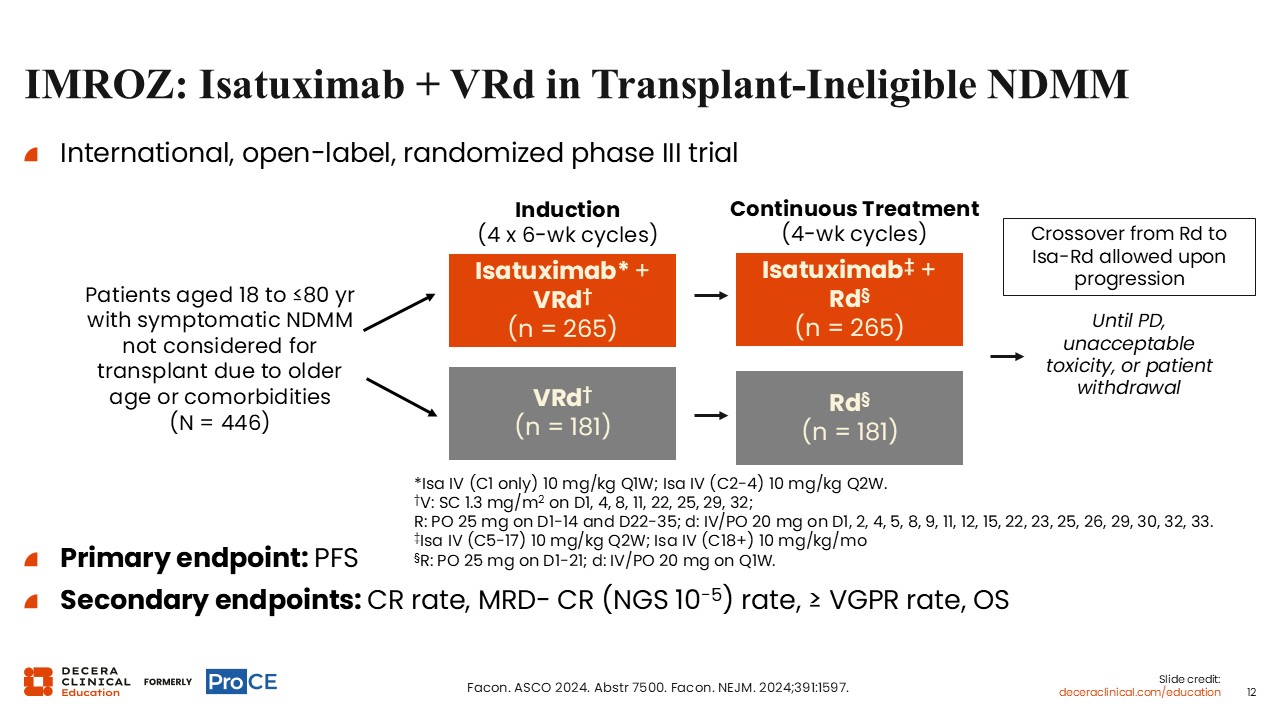
The phase III IMROZ trial was slightly different. Instead of isolating the effect of bortezomib like in BENEFIT, in IMROZ, investigators isolated the effect of isatuximab, an anti-CD38 antibody, and compared Isa-VRd with VRd, followed by continuous maintenance with either Isa-Rd or Rd, respectively. The primary endpoint was PFS.6
IMROZ: PFS and MRD Negativity Rate
James A. Davis, PharmD, BCOP:
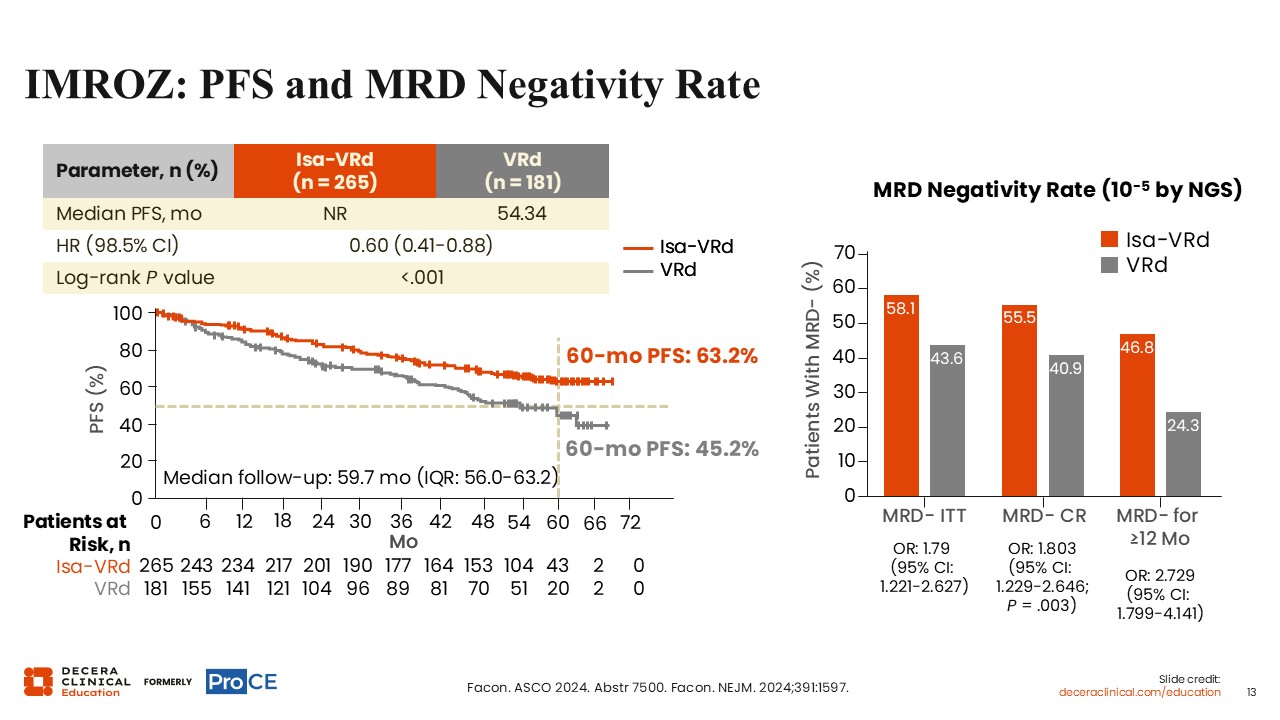
At 60 months, PFS favored the quadruplet arm (63.2% vs 45.2%), with median PFS of not reached vs 54.34 months (P <.001). As shown on the right, the MRD-negativity rate at 10-5 also favored the 4-drug regimen over the 3-drug regimen in the intention-to-treat population and among patients who achieved a complete response, with sustained MRD negativity for at least 12 months.6
CEPHEUS: Daratumumab Plus VRd in Newly Diagnosed MM Without Planned Transplantation
James A. Davis, PharmD, BCOP:
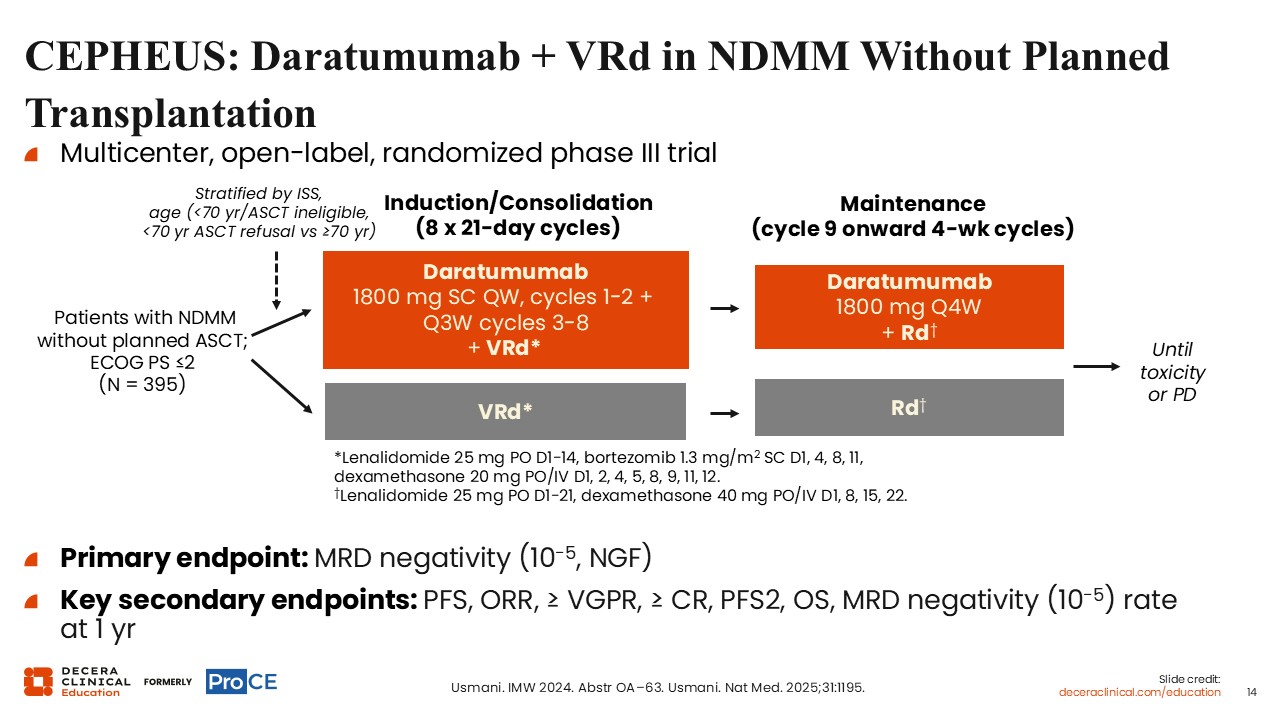
The final phase III trial looking at a quadruplet regimen in transplant-ineligible patients was the CEPHEUS trial, which evaluated daratumumab plus VRd vs VRd alone followed by maintenance with either daratumumab plus Rd or Rd alone, respectively. The primary endpoint was MRD negativity at a sensitivity of 10-5.7
CEPHEUS: PFS and MRD Negativity Rate
James A. Davis, PharmD, BCOP:
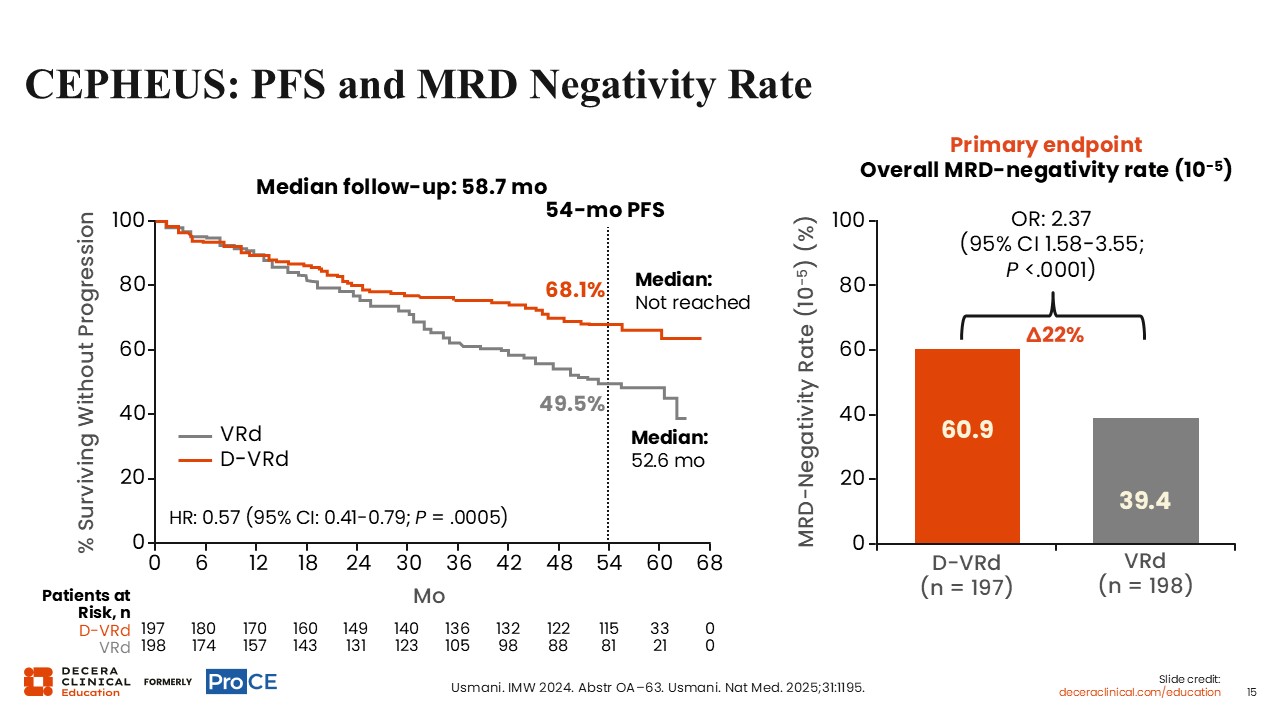
At a median follow-up of 58.7 months, the 54-month PFS rates were 68.1% with the quadruplet vs 49.5% with the triplet, and median PFS was not reached vs 52.6 months, respectively.
The primary endpoint, MRD negativity, is shown on the right side of the slide. Consistent with previous results, the MRD-negativity rate was higher in patients who received the quadruplet (60.9% vs 39.4%), a difference of approximately 22%.7
Safety of Quadruplet Therapy in Transplant-Ineligible Patients
James A. Davis, PharmD, BCOP:
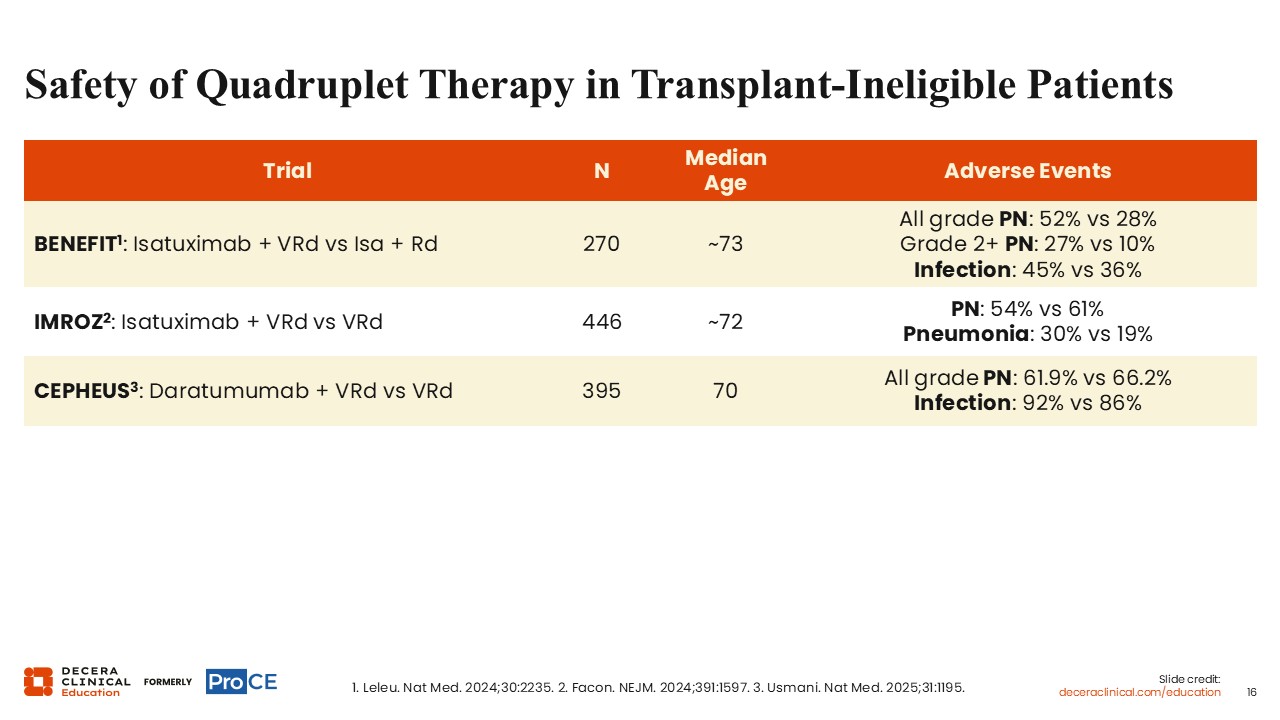
In terms of efficacy, 4 drugs tend to be more beneficial than 3 drugs, but this comes at a cost.
The BENEFIT trial showed that patients who received bortezomib in the quadruplet arm had higher rates of peripheral neuropathy than those who did not receive bortezomib. The rate of infection was also slightly higher with bortezomib, but not all were serious infections.5
Similar results were obtained in IMROZ and CEPHEUS, in which all patients received bortezomib. Rates of peripheral neuropathy were similar between treatment arms, and rates of infection were slightly higher with the addition of a CD38-targeting antibody.6,7
Down With Dex!
James A. Davis, PharmD, BCOP:
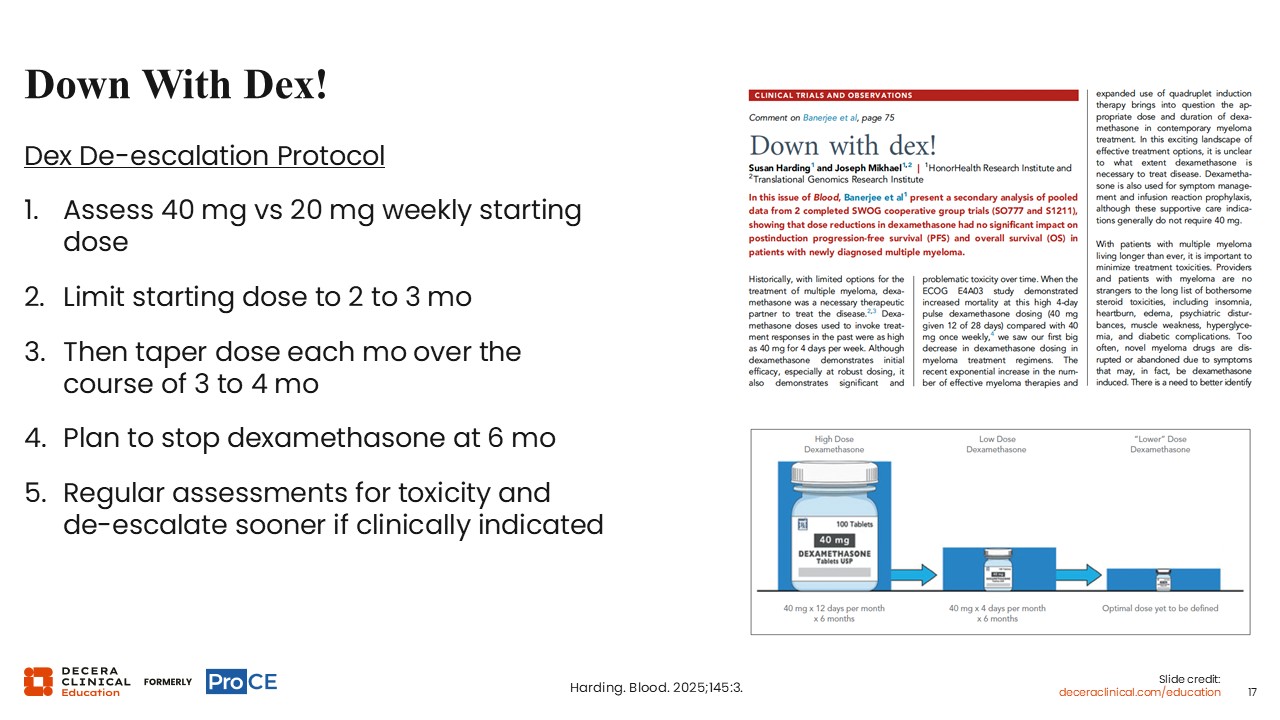
Many patients who are ineligible for transplant are indeed older, and older patients generally do not do well with dexamethasone. Even some younger patients do not do well with dexamethasone.
Retrospective data have shown that de-escalating dexamethasone after patients achieve a response, whether it be a very good partial response or complete response, after a certain number of cycles does not negatively affect efficacy.8
At our center, when patients achieve a response or experience adverse effects, we do not hesitate to decrease or eliminate dexamethasone in as early as cycle 3.
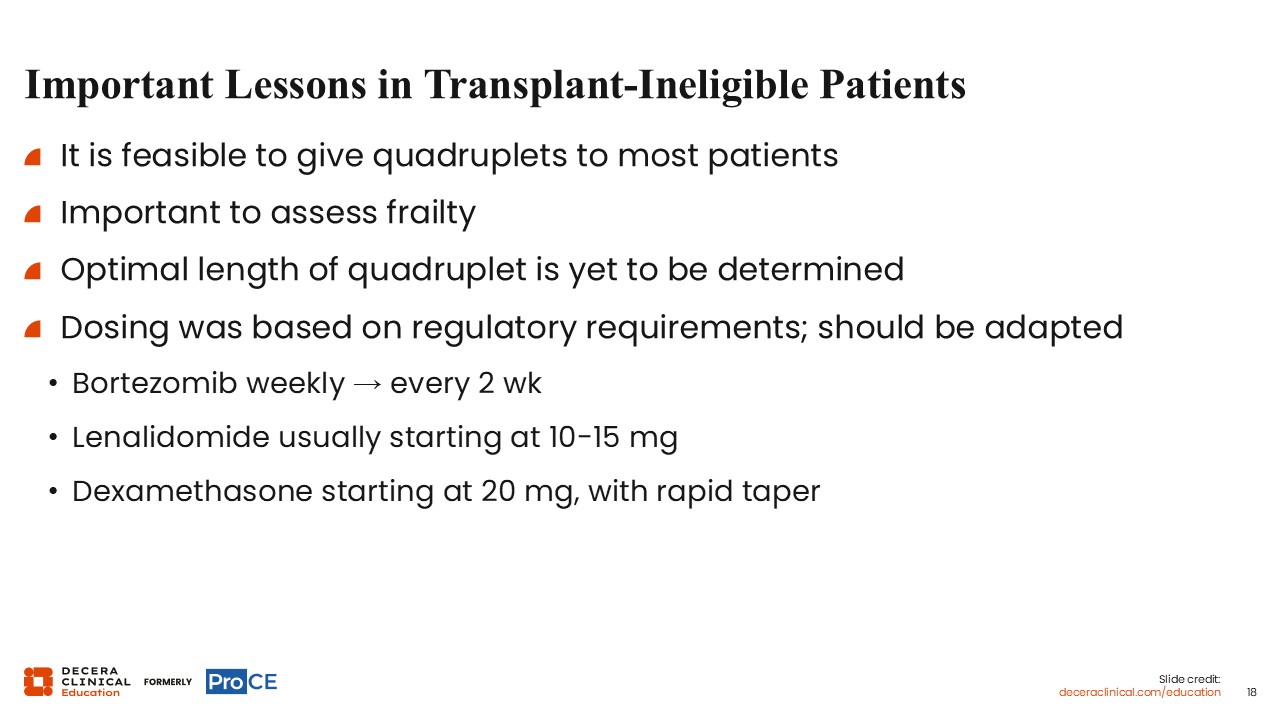
Important Lessons in Transplant-Ineligible Patients
James A. Davis, PharmD, BCOP:
Here are some important lessons in transplant-ineligible patients. Most patients are eligible unless they are too frail to receive 4 drugs instead of 3. Frailty is indeed important to assess. The optimal length of quadruplet therapy is not yet known, but most patients, depending on the study, are receiving between 4 and 9 cycles of quadruplet therapy before de-escalating to maintenance. The dosing is also different among studies.
The BENEFIT study used weekly bortezomib. IMROZ and CEPHEUS used twice-weekly bortezomib. Bortezomib for long periods of time can increase neuropathy risk, so this should be considered when treating patients who are older or frail. The same is true for lenalidomide. Typically, lenalidomide is started at a lower dose, as is dexamethasone, because of some of these adverse effects.