Back
Back
CE / CME
Emerging Targeted Therapies for HNSCC: A Focus on EGFR-Directed Bispecific Antibodies
Physician Assistants/Physician Associates: 0.25 AAPA Category 1 CME credit
Pharmacists: 0.25 contact hour (0.025 CEUs)
Physicians: maximum of 0.25 AMA PRA Category 1 Credit™
Nurse Practitioners/Nurses: 0.25 Nursing contact hour
Released: July 28, 2026
Expiration: January 27, 2027

Activity
Outcomes for R/M HNSCC With Pembrolizumab
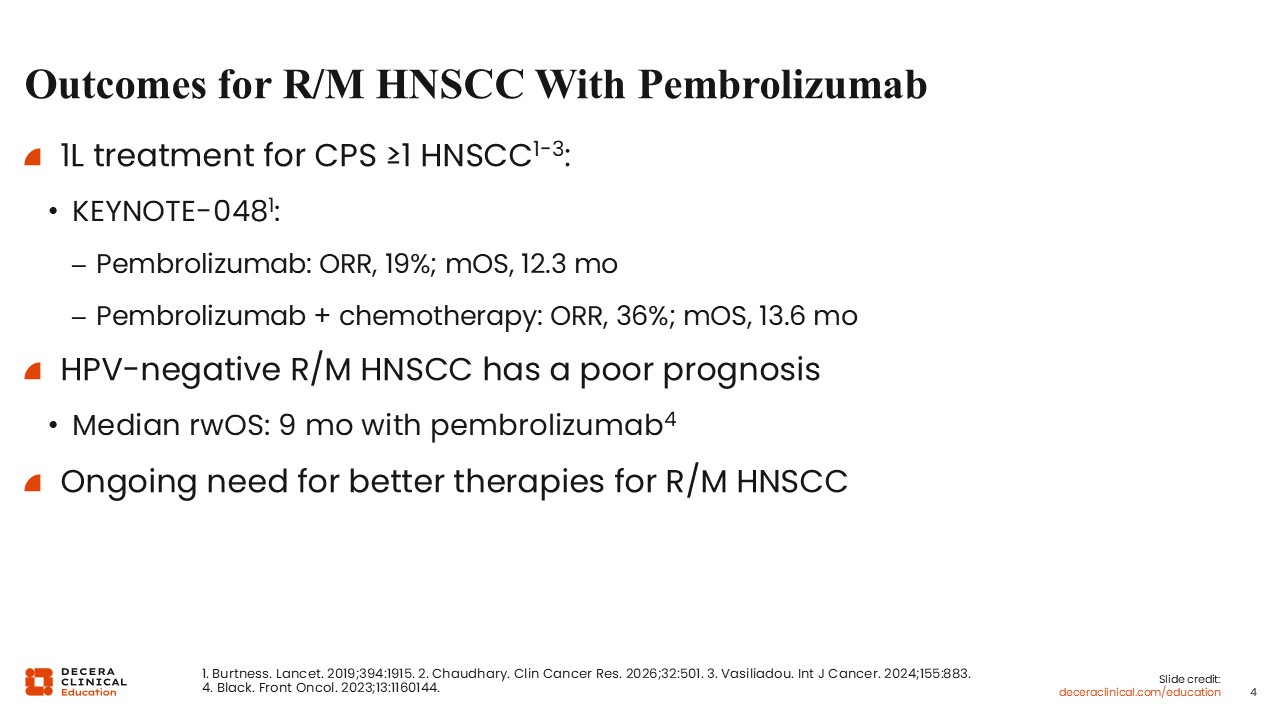
Outcomes for R/M HNSCC with pembrolizumab are overall relatively modest. In the phase III KEYNOTE-048 study, the objective response rate (ORR) for pembrolizumab monotherapy in patients with a PD-L1 CPS of ≥1 was 19%, and median overall survival (OS) was 12.3 months.
When chemotherapy was added to pembrolizumab, the ORR increased to 36%, and the median OS increased to 13.6 months.
These data were obtained from patients with R/M HNSCC and a PD-L1 CPS of ≥1, irrespective of HPV status. However, we know that HPV-negative R/M HNSCC has a poorer prognosis than HPV-positive disease.[Burtness 2019]
According to real-world data, the median OS for HPV-negative disease is only 9 months with pembrolizumab monotherapy.[Black 2023] This underscores an ongoing need for better therapies for patients with R/M HNSCC.
Novel Therapeutic Approaches for R/M HNSCC
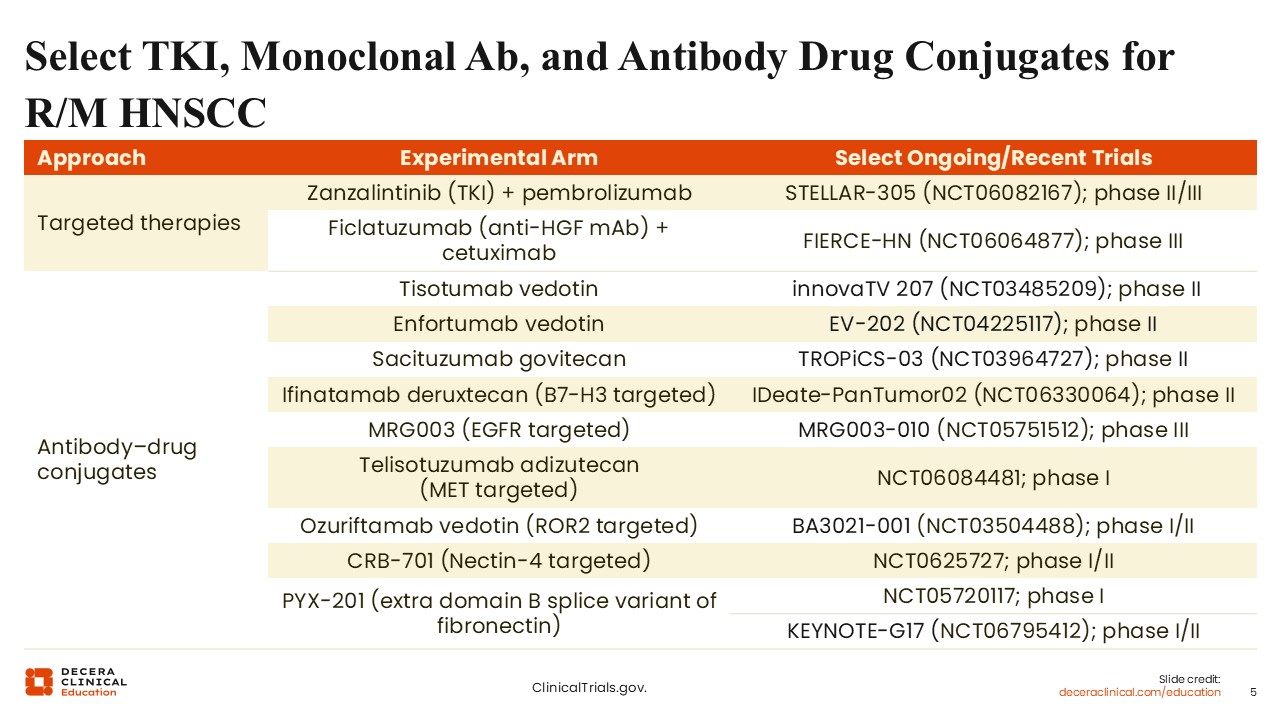
There are a number of novel therapies that are undergoing clinical evaluation for R/M HNSCC. The next few slides summarize some of these approaches.
One important approach is targeted therapies. Representative examples include zanzalintinib, a multi-tyrosine kinase inhibitor, which is being evaluated in combination with pembrolizumab in the front-line setting in the phase II/III STELLAR-305 study.
In the second-line setting, ficlatuzumab, an anti-hepatocyte growth factor monoclonal antibody targeting c-MET, is being evaluated in combination with cetuximab in the phase III FIERCE-HN study for HPV-negative R/M HNSCC.
Antibody-drug conjugates (ADCs) are an exciting area of clinical investigation. For head and neck cancers, many agents have been evaluated, including those that have established roles in other solid tumors. These include tisotumab vedotin, enfortumab vedotin, and sacituzumab govitecan.
In addition, a number of novel ADCs are under evaluation at present. These include ifinatamab deruxtecan, which targets B7-H3, and MRG003, which targets EGFR and is currently in phase III testing.
In addition, telisotuzumab adizutecan, which targets MET, is in phase I testing. Ozuriftamab vedotin, which targets ROR2, is also in phase II testing. Of particular interest for HPV-positive disease are ADCs targeting nectin-4 such as CRB-701.
Beyond cell-based or cell-surface targets, we also have novel ADCs that target the extracellular area, such as PYX-201, which targets the extra domain B splice variant of fibronectin.
Select Vaccines and Cellular Therapies
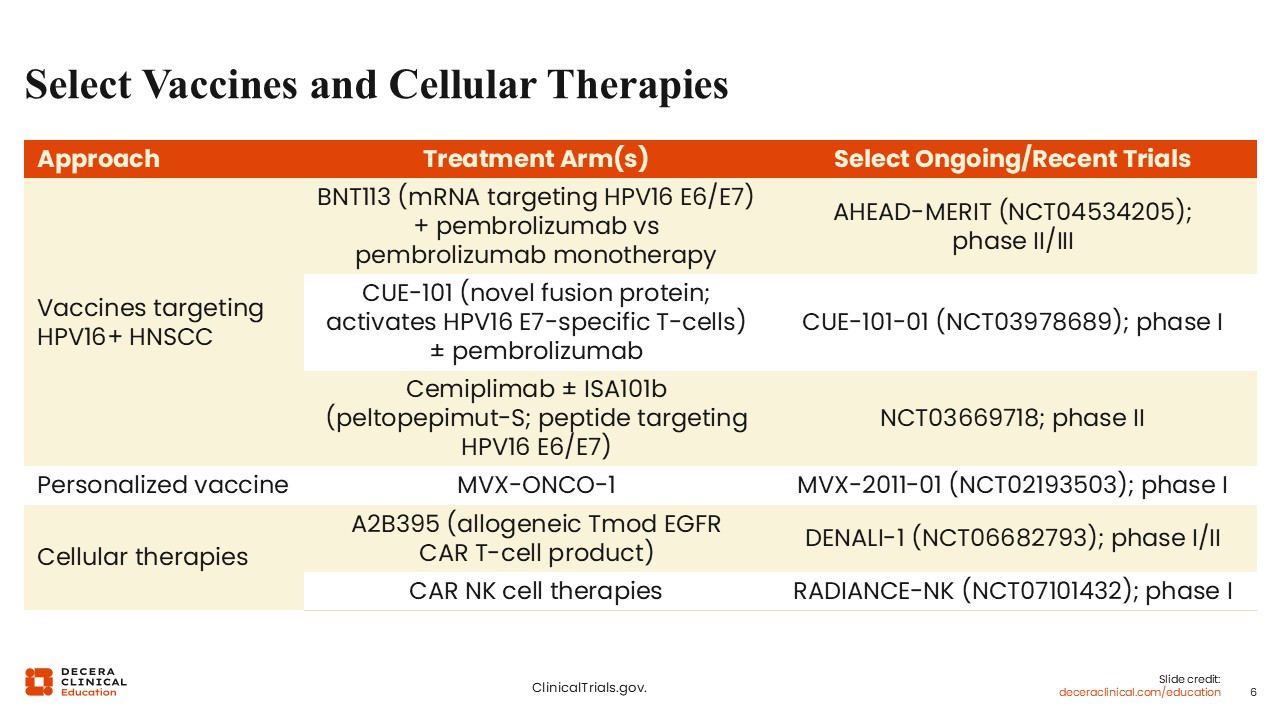
Vaccines remain a very exciting area of investigation as well, particularly those focused on HPV-positive disease. There are a number of vaccines in ongoing trials. For example, BNT113, an mRNA vaccine targeting HPV genotype 16 proteins E6 and E7, is being evaluated in combination with pembrolizumab compared to pembrolizumab alone in the AHEAD-MERIT phase II/III trial.
In addition, CUE-101, a novel fusion protein, is being evaluated with or without pembrolizumab. Others include ISA101b, another peptide targeting HPV16 E6/E7.
Personalized vaccines like MVX-ONCO-1 remain an exciting area of interest for HPV-positive and HPV-negative HNSCC.
Novel Therapeutic Approaches for R/M HNSCC: EGFR Bispecifics
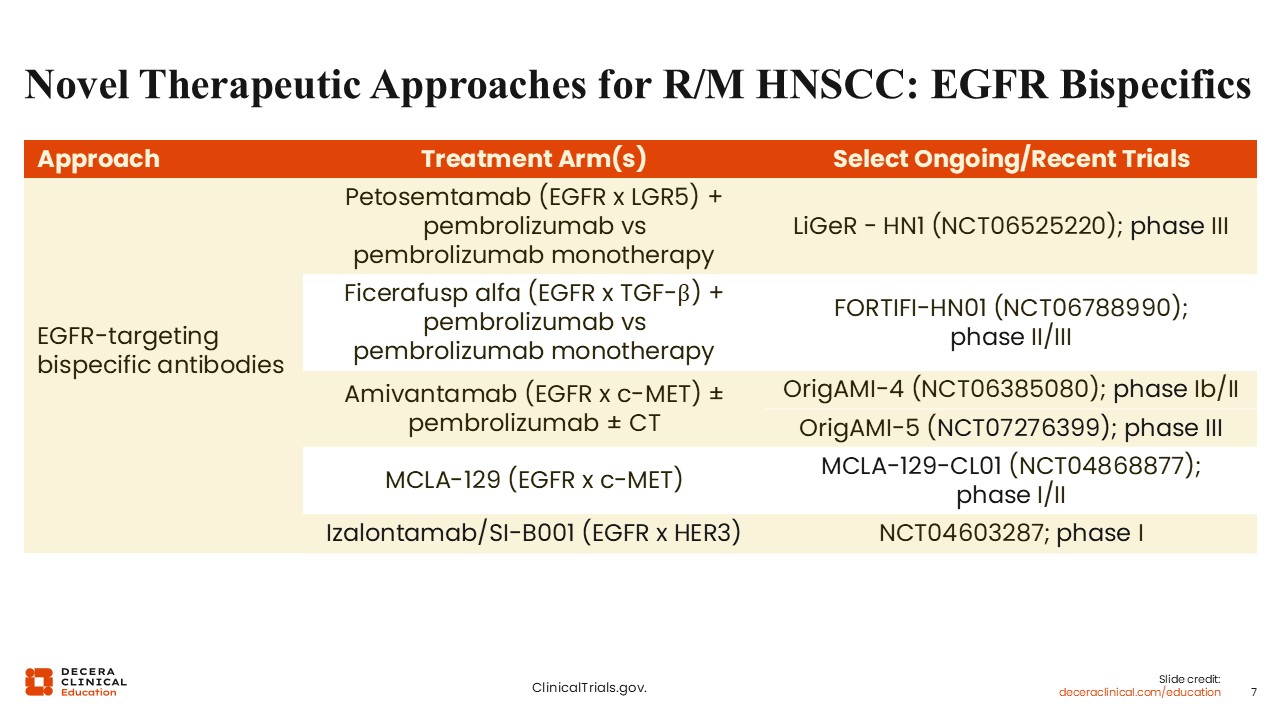
Finally, bispecific antibodies targeting EGFR are an active area of investigation. Petosemtamab is a bispecific EGFR x LGR5 antibody being evaluated in both the frontline and second-line settings.
Ficerafusp alfa, targeting EGFR and TGF-beta, is being evaluated in the frontline setting in the phase II/III FORTIFI-HN01 study in combination with pembrolizumab. Amivantamab, which targets EGFR and c-MET, is currently under investigation with or without pembrolizumab, and with or without chemotherapy across several treatment settings.
In addition, some earlier phase studies are evaluating compounds that include MCLA-129, which targets EGFR and c-MET, as well as SI-B001, a bispecific antibody that targets EGFR and HER3.
Emerging Agents in Phase III Clinical Trials: EGFR-Targeting Bispecific Antibodies
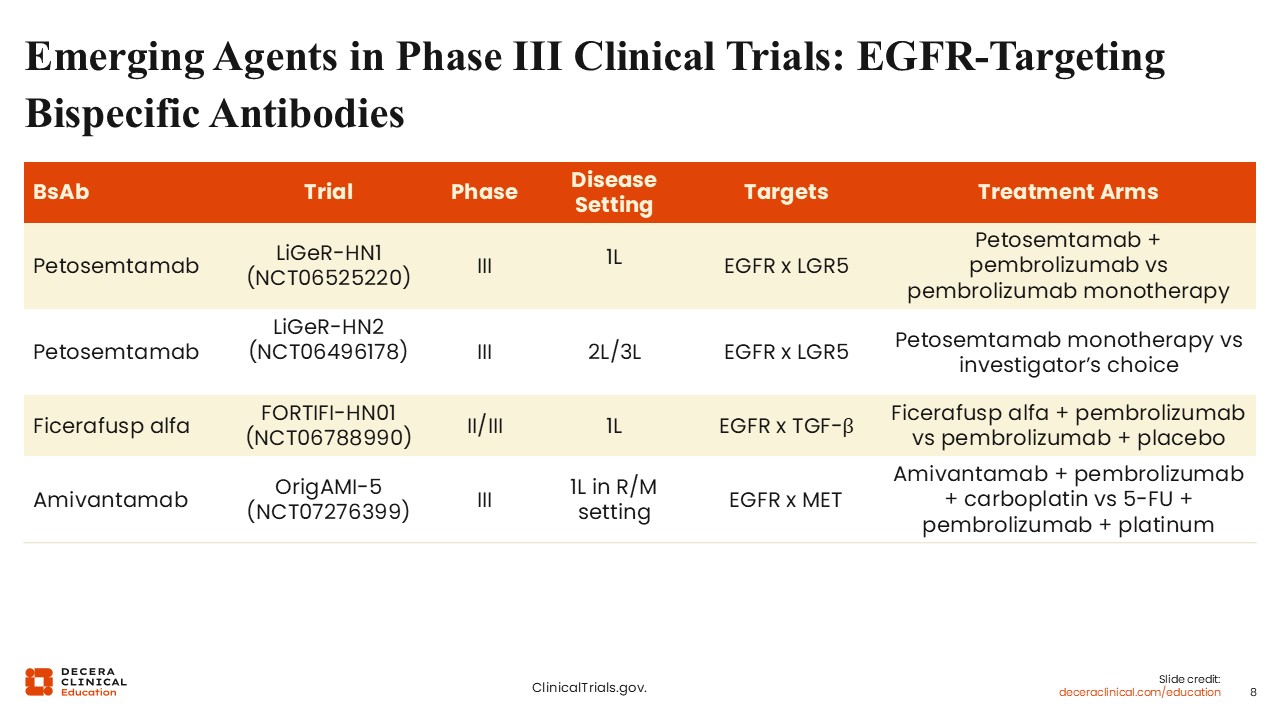
For this module, we will be focusing on EGFR-directed bispecific antibodies. As mentioned previously, petosemtamab is being evaluated in combination with pembrolizumab compared to pembrolizumab monotherapy in the frontline setting as well as in the second and third line settings compared to investigator's choice in the phase III LiGeR-HN2 study.
Ficerafusp alfa is being investigated in the ongoing phase III FORTIFI-HN01 study in combination with pembrolizumab compared to pembrolizumab and placebo.
Then, OrigAMI-5 is evaluating amivantamab with pembrolizumab and chemotherapy compared to platinum-based chemotherapy with pembrolizumab.
Novel Combination: Anti-EGFR + Anti–PD-1
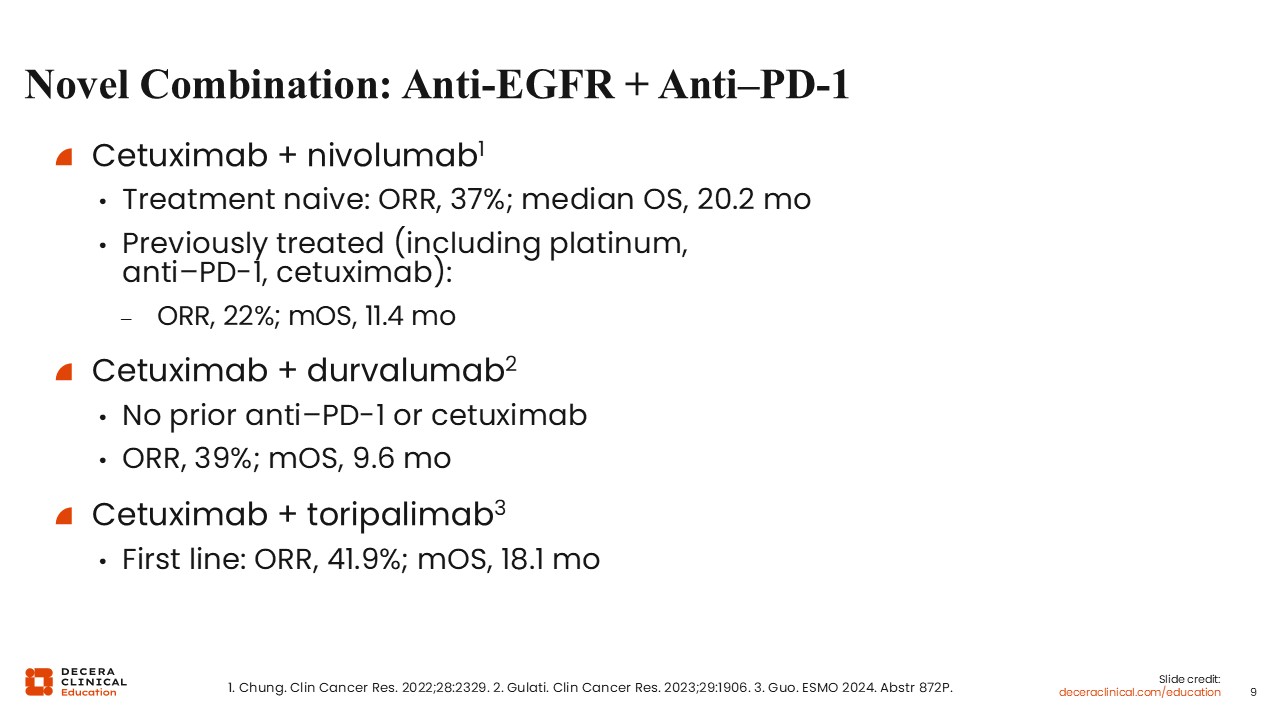
Early studies evaluated cetuximab in combination with various anti-PD-1 agents, including nivolumab, durvalumab, and toripalimab, and demonstrated that combining anti-EGFR and anti-PD-1 therapies resulted in an improvement in ORRs to around 30% to 40% and an improvement in median OS of to up to 20.2 months in some phase II studies.[Chung 2022, Gulati 2023, Guo 2024]
OrigAMI-4: Amivantamab in R/M HNSCC
These findings really formed the basis for newer-generation EGFR antibodies, particularly bispecific antibodies like amivantamab, which targets EGFR and c-MET.
Amivantamab: EGFR x c-MET Bispecific Antibody
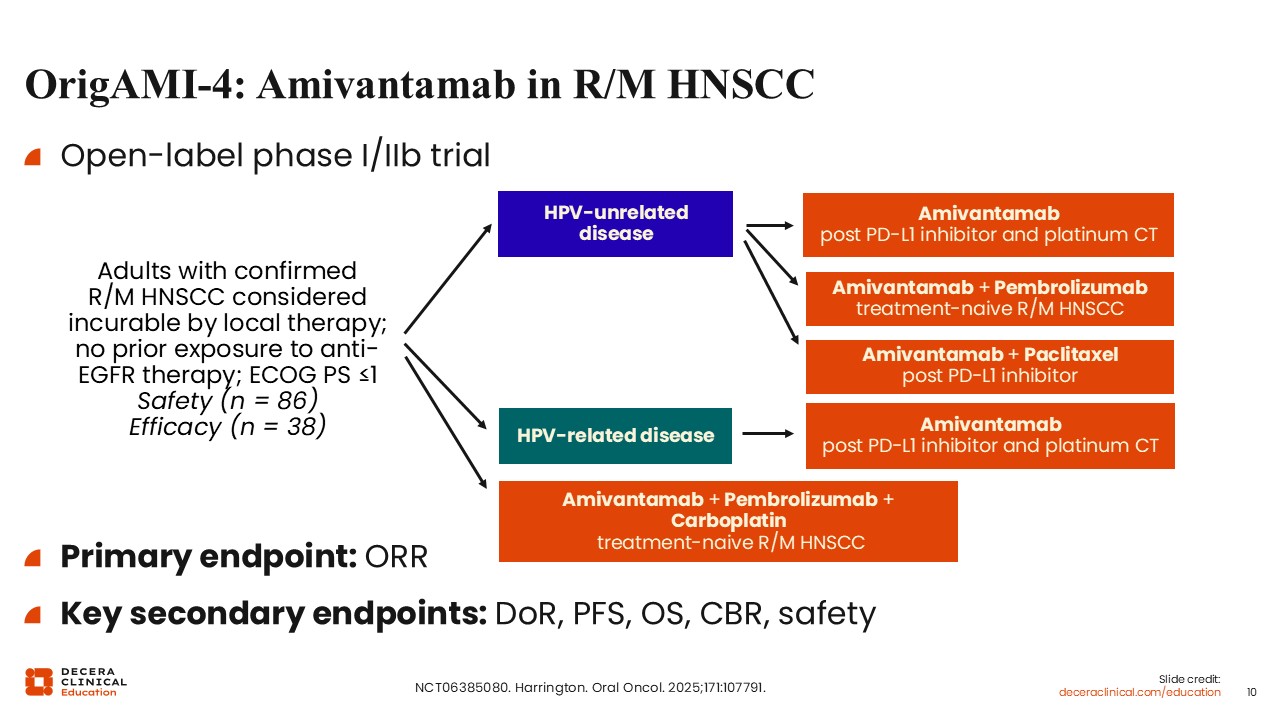
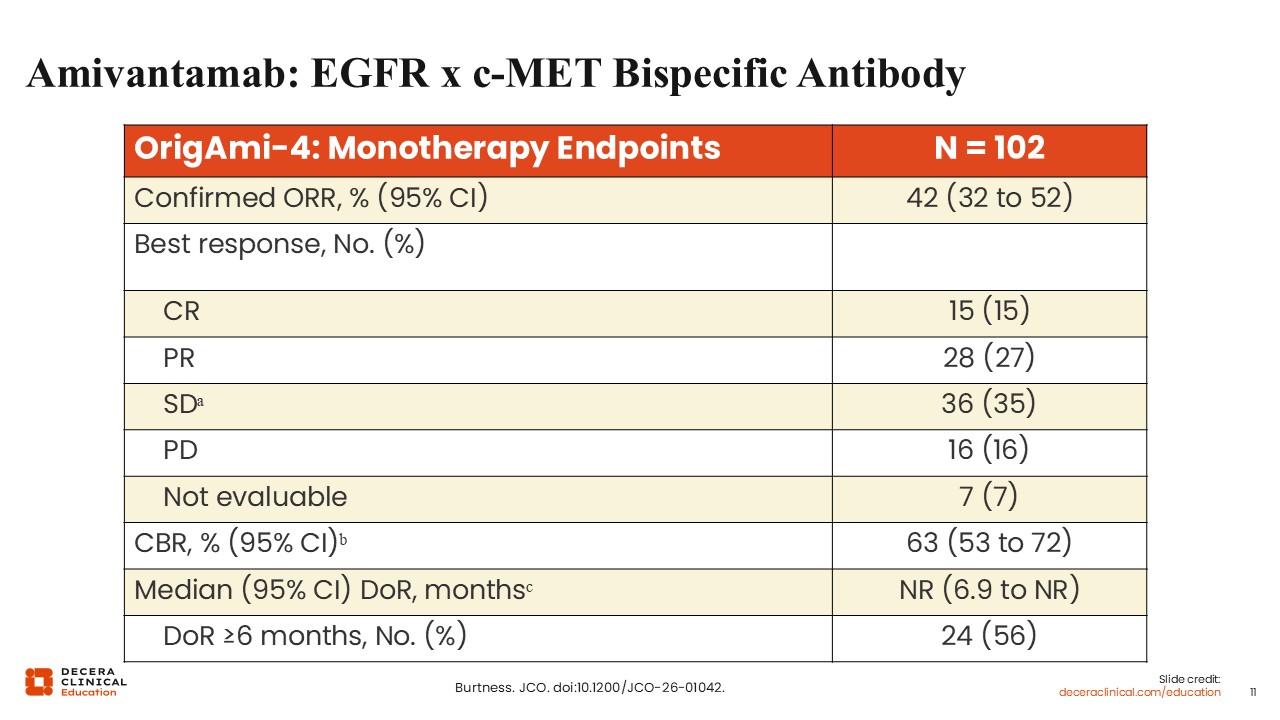
In OrigAMI-4, subcutaneous amivantamab monotherapy was evaluated among patients with HPV-negative R/M HNSCC who had prior platinum and immune checkpoint inhibitor exposure. Among these patients, the confirmed ORR was 42%, including 15 complete responses and 28 partial responses.
Treatment-emergent adverse events included hypoalbuminemia, rash, and fatigue. Notably, 15% of patients experienced infusion-related reactions, but none of them were grade 3 or higher. [Burtness 2026]
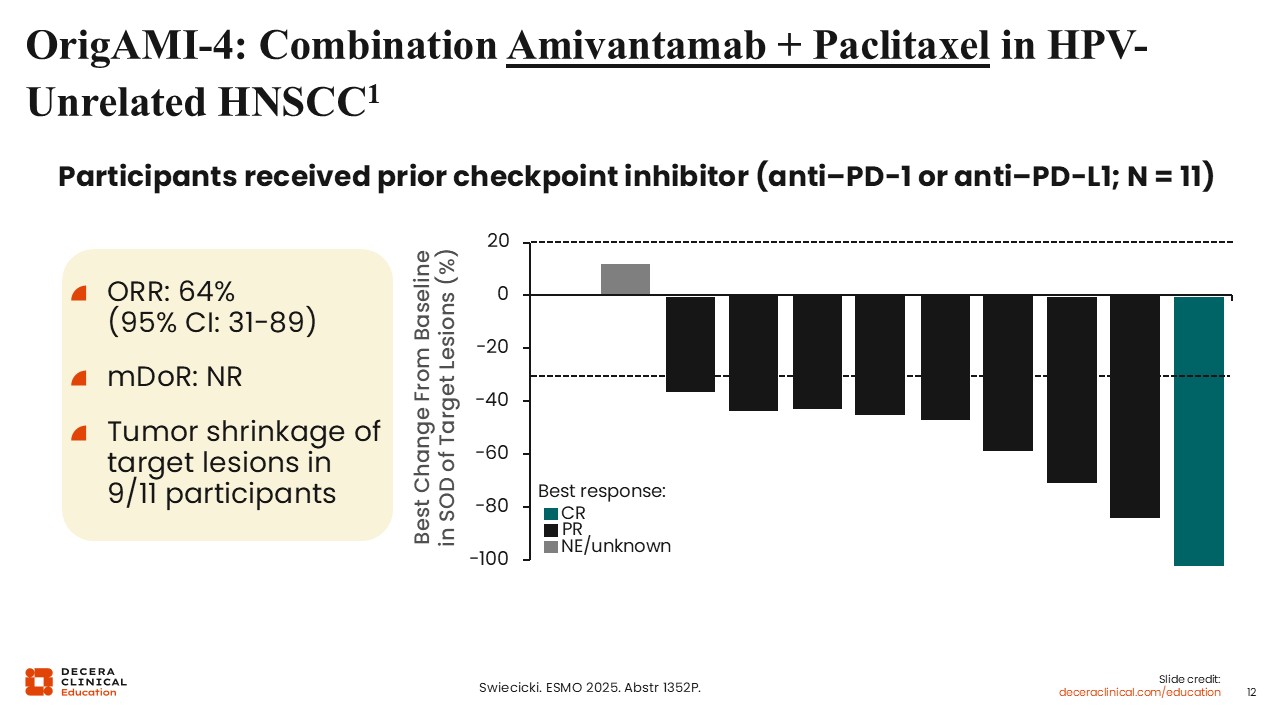
OrigAMI-4: Combination Amivantamab + Paclitaxel in HPV-Unrelated HNSCC1
In this cohort of patients, the objective response rate was 64% with objective tumor shrinkage in nine of 11 patients. The safety findings for subcutaneous amivantamab plus paclitaxel aligned with the known safety profiles of each agent. Most AEs were low grade, primarily grade 1 or 2, and were related to EGFR/MET inhibition. The most frequently reported events included acneiform dermatitis, fatigue, and stomatitis, with no administration-related reactions observed. [Swiecicki 2025]
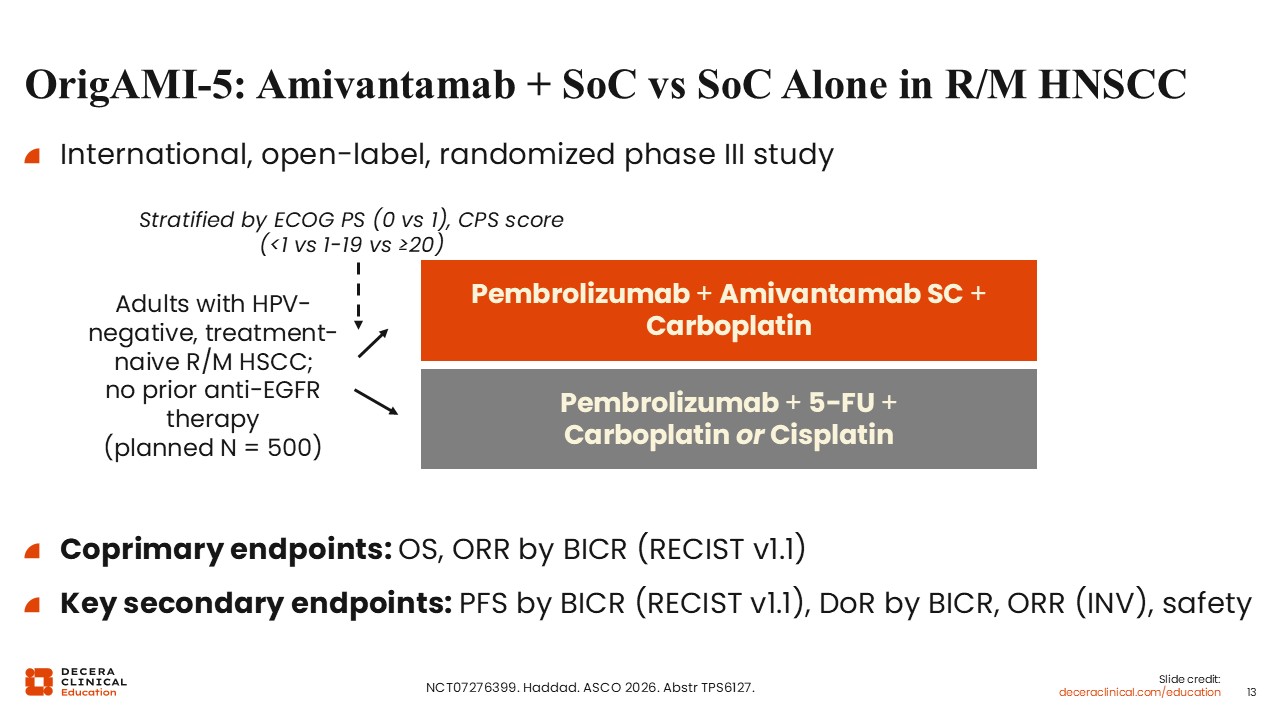
OrigAMI-5: Amivantamab + SoC vs SoC Alone in R/M HNSCC
Amivantamab is now being evaluated in the registrational OrigAMI-5 phase III study for previously untreated HPV-negative R/M HNSCC.
In this study, patients are randomly assigned 1:1 to subcutaneous 2400 mg of amivantamab every week for 3 weeks (3360 mg if ≥80 kg; first dose: 1600 mg or 2240 mg if ≥80 kg), then Q3W + paclitaxel 175 mg/m² Q3W plus pembrolizumab and carboplatin or standard of care chemotherapy with pembrolizumab. Patients are enrolled irrespective of PD-L1 CPS score.[Haddad 2026]
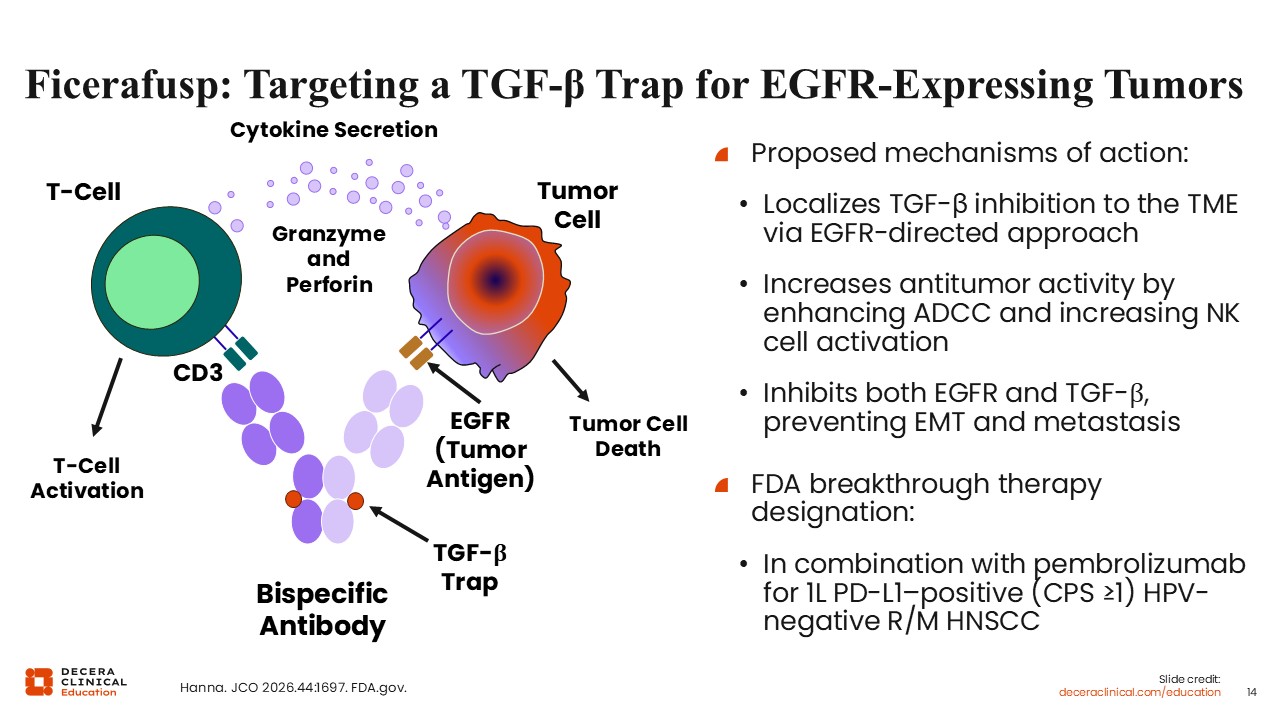
Ficerafusp: Targeting a TGF-β Trap for EGFR-Expressing Tumors
Ficerafusp alfa is a novel bifunctional antibody that targets EGFR and TGF-beta. It is proposed to localize TGF-beta inhibition to the tumor microenvironment and thereby allow enhanced anti-tumor activity. The dual inhibition of EGFR and TGF-beta prevents epithelial mesenchymal transition and metastasis.[Hanna 2026]
Ficerafusp alfa has been granted FDA breakthrough designation in combination with pembrolizumab for front-line PD-L1, CPS-positive, HPV-negative, R/M HNSCC.
Multicenter Phase I/Ib Trial of Ficerafusp alfa + Pembrolizumab in HPV-Negative R/M HNSCC With CPS ≥1
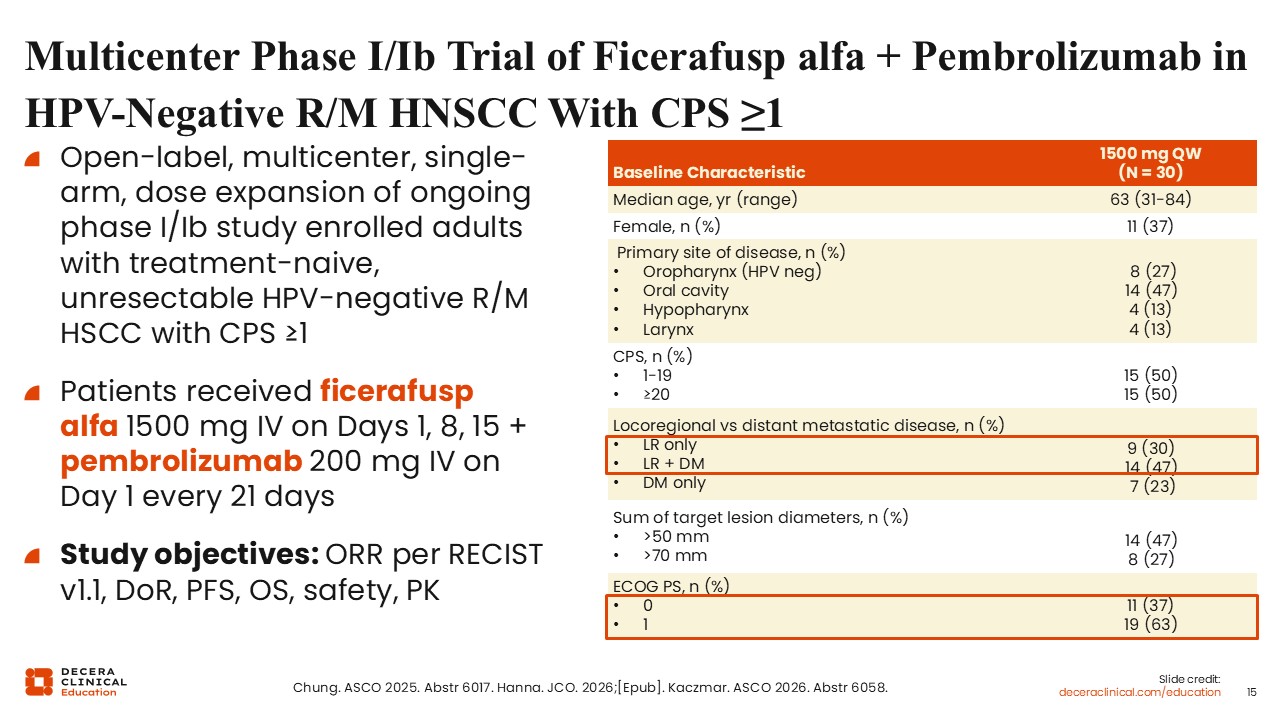
This designation is based on the results of an ongoing phase I/Ib dose expansion study evaluating first line ficerafusp alfa with pembrolizumab for advanced EGFR-driven solid tumors. The most mature data have been presented for ficerafusp alfa 1500 milligrams given weekly in combination with 200 mg pembrolizumab every three weeks. [Hanna 2026]
In this cohort, patients were treatment-naive R/M HNSCC that were PD-L1 positive. About half of patients had PD-L1 CPS scores that were low at 1-19, and the other half had CPS scores of 20 or higher. [Hanna 2026]
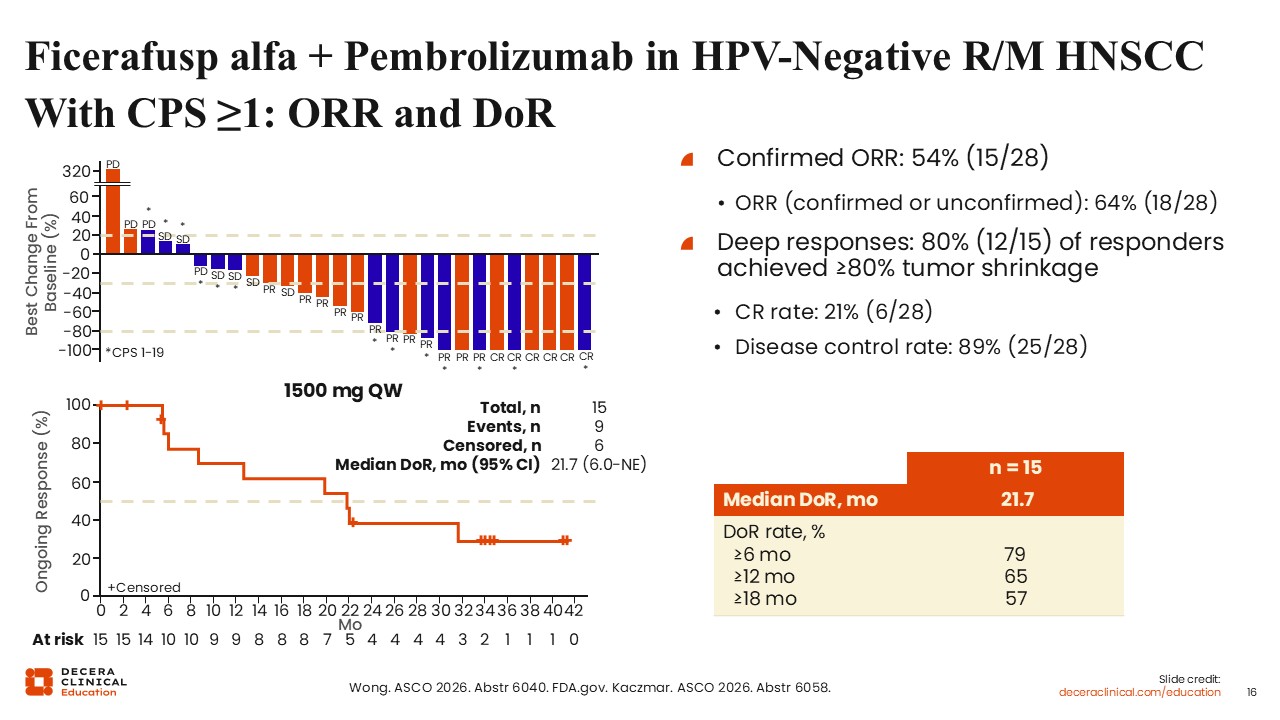
Ficerafusp alfa + Pembrolizumab in HPV-Negative R/M HNSCC With CPS ≥1: ORR and DoR
The confirmed ORR for ficerafusp alfa with pembrolizumab in HPV-negative R/M HNSCC (n=30) was 54%. Deep responses were noted in 80% of responders as defined by 80% or more tumor shrinkage. This includes a complete response rate of 21% and a disease control rate of 89%. Patients responded quickly, with a median time to response of 1.4 months. The median DoR was 21.7 months and the median PFS was 9.9 months. [Hanna 2026]
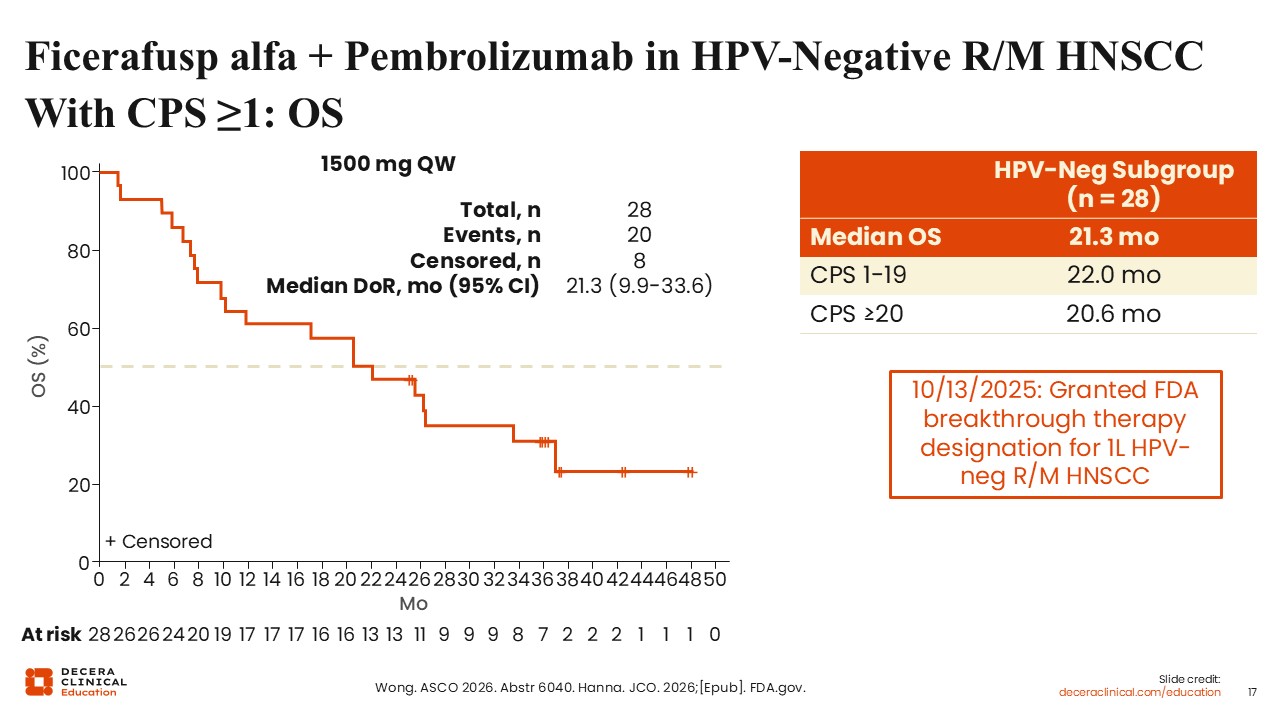
Ficerafusp alfa + Pembrolizumab in HPV-Negative R/M HNSCC With CPS ≥1: OS
The median OS was 21.3 months. This was seen irrespective of PD-L1 CPS score. The two-year OS rate was 46%.[Hanna 2026, Wong 2026]
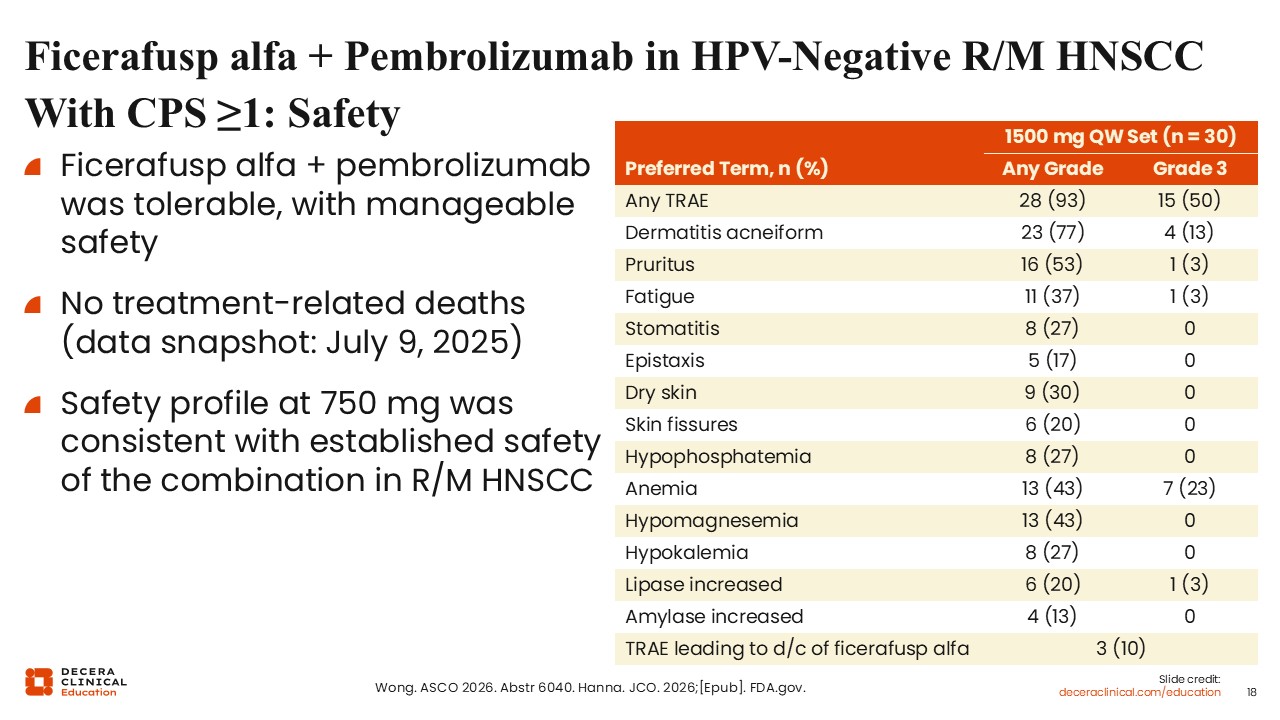
Ficerafusp alfa + Pembrolizumab in HPV-Negative R/M HNSCC With CPS ≥1: Safety
The side effects of ficerafusp alfa in combination with pembrolizumab are consistent with the mechanism of EGFR and TGF-beta inhibition for ficerafusp alfa. Most commonly skin toxicity was seen with dermatitis acneiform and pruritus that was mostly grade 1/2. Some mild anemia was also noted, but very few TRAEs led to ficerafusp alfa discontinuation. [Wong 2026]
FORTIFI-HN01: Ficerafusp alfa + Pembrolizumab for 1L HPV-Negative, PD-L1–Positive (CPS ≥1) R/M HNSCC
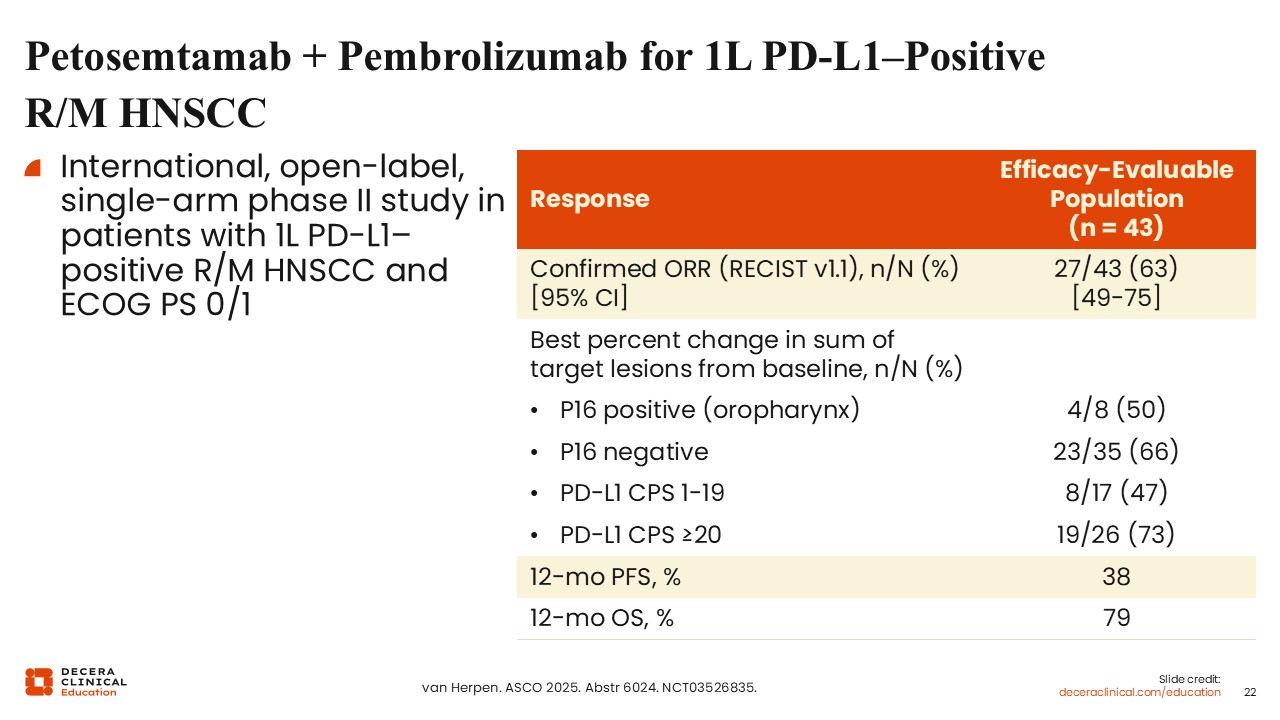
Based on these data, FORTIFI-HN01 is an ongoing phase II/III randomized study for HPV-negative, PD-L1 positive R/M HNSCC. In the phase III portion patients are randomized 2:1 to ficerafusp alfa with pembrolizumab or placebo and pembrolizumab. [Ferrarotto 2026]
Petosemtamab: EGFR x LGR5 Bispecific Antibody
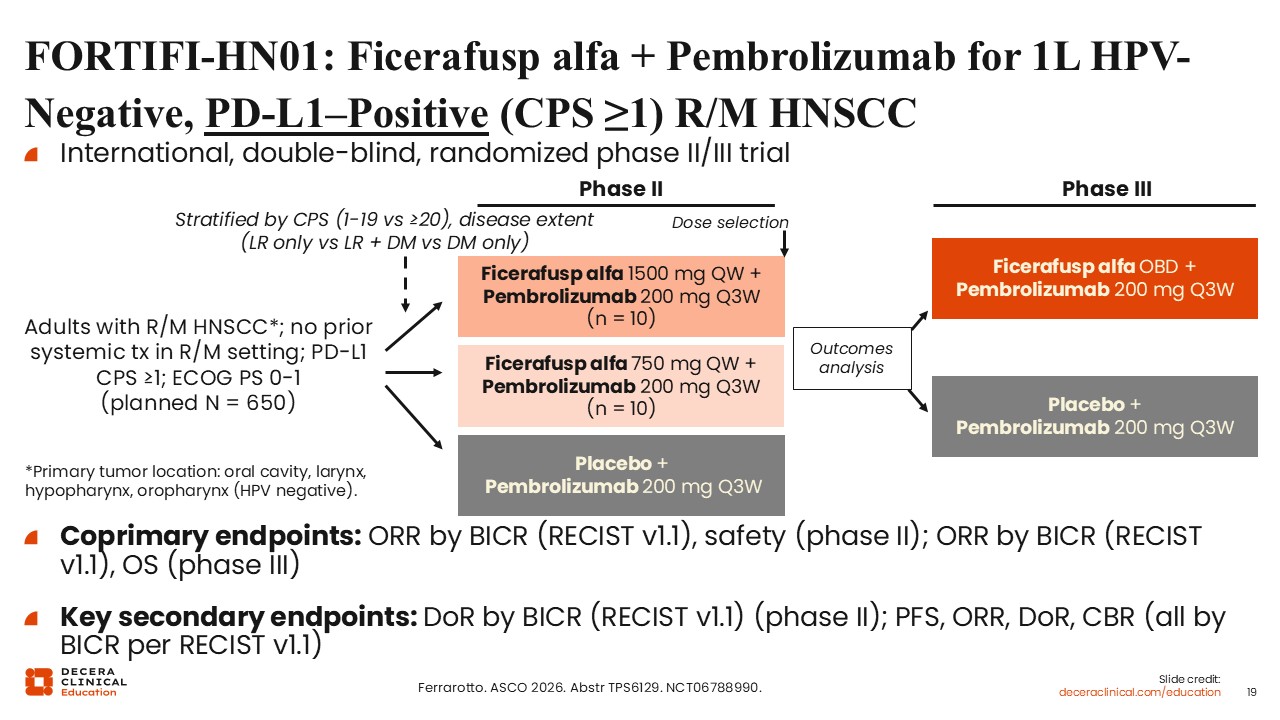
Petosemtamab is a bispecific antibody targeting EGFR and Leucine-rich repeat-containing G-protein coupled receptor 5 (LGR5)[TMcDonald 1998]. It has also been granted breakthrough designation by the FDA as monotherapy in the second-line setting after platinum-based chemotherapy and anti-PD-(L)1 therapy, as well as in the frontline setting in combination with pembrolizumab for PD-L1 positive R/M HNSCC.
Petosemtamab in Advanced HNSCC
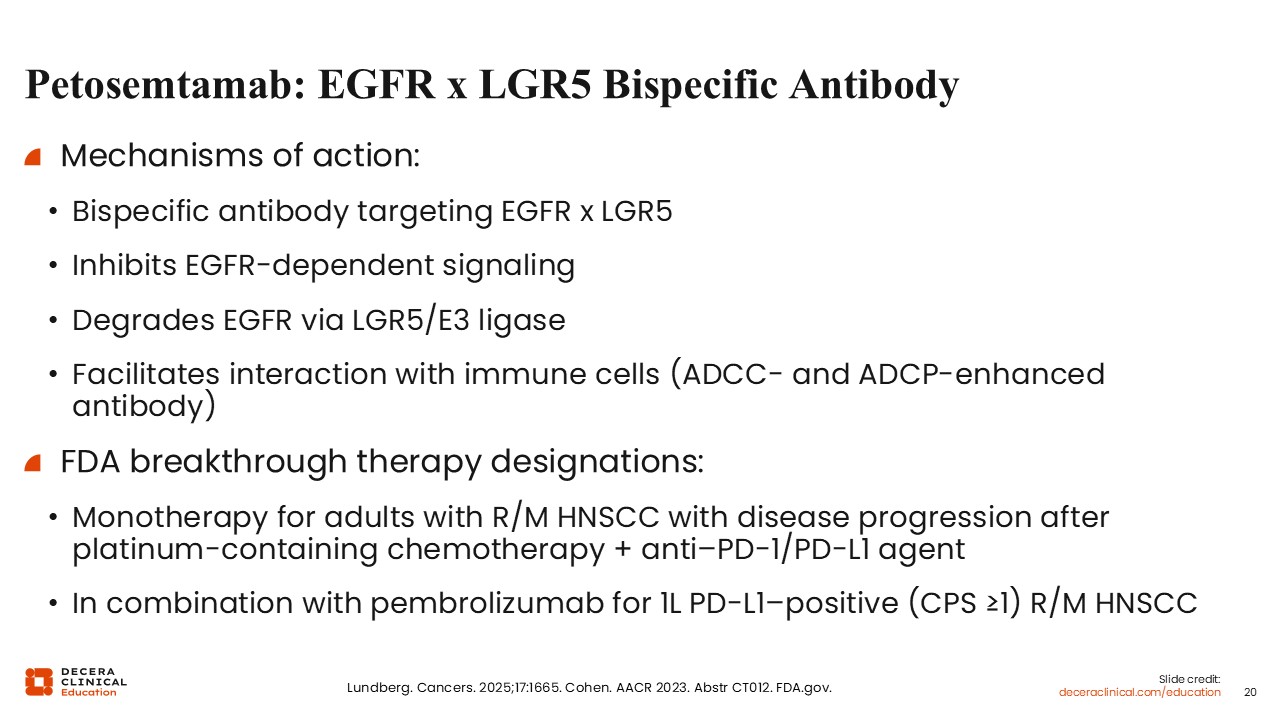
As monotherapy, the ORR of petosemtamab in the second-line-plus setting for advanced HNSCC was 37.2%, with a median PFS of 5.3 months and a DoR of 6 months. [Cohen 2023]
Petosemtamab + Pembrolizumab for 1L PD-L1–Positive R/M HNSCC
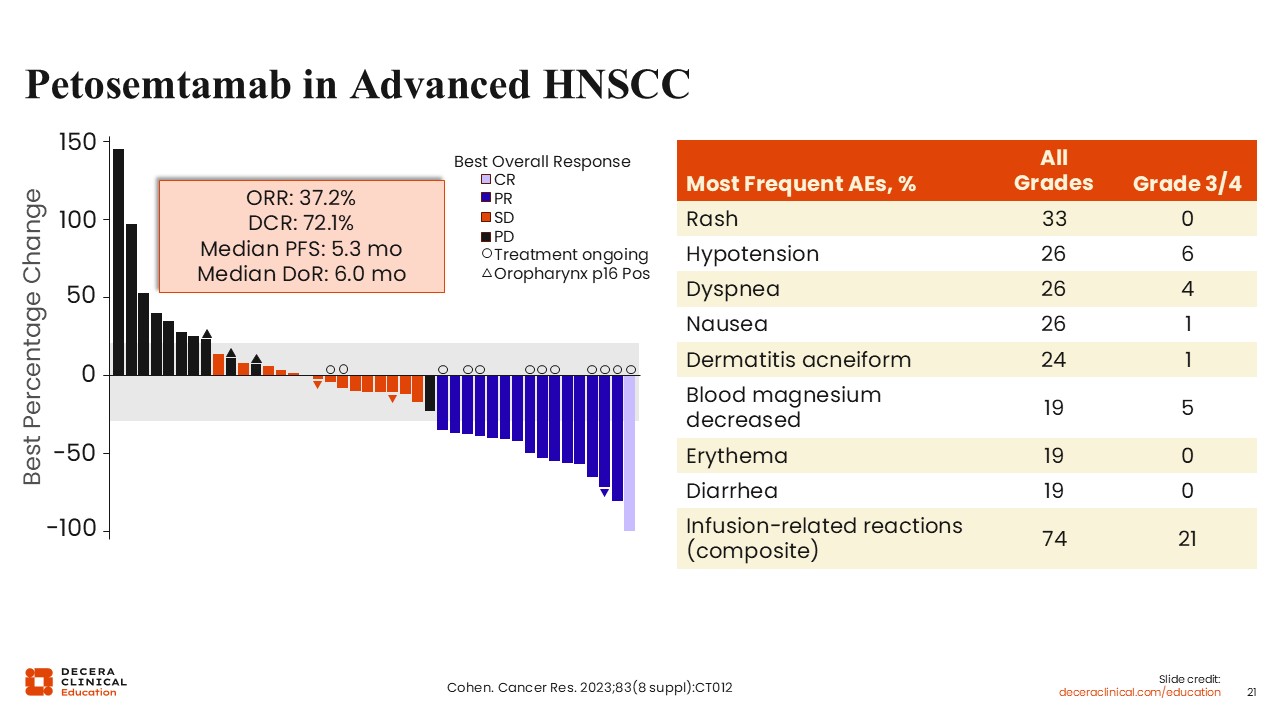
In an on-going phase II study evaluating petosemtamab and pembrolizumab in the front-line for R/M HNSCC patients, the confirmed ORR was 63%. These responses were seen in both P16 positive oropharyngeal patients as well as patients with P16 negative HNSCC. Responses were also seen in PD-L1 CPS 1-19, as well as in patients with CPS > 20. [van Herpen 2025]
LiGeR - HN1: Petosemtamab + Pembrolizumab for 1L PD-L1–Positive R/M HNSCC
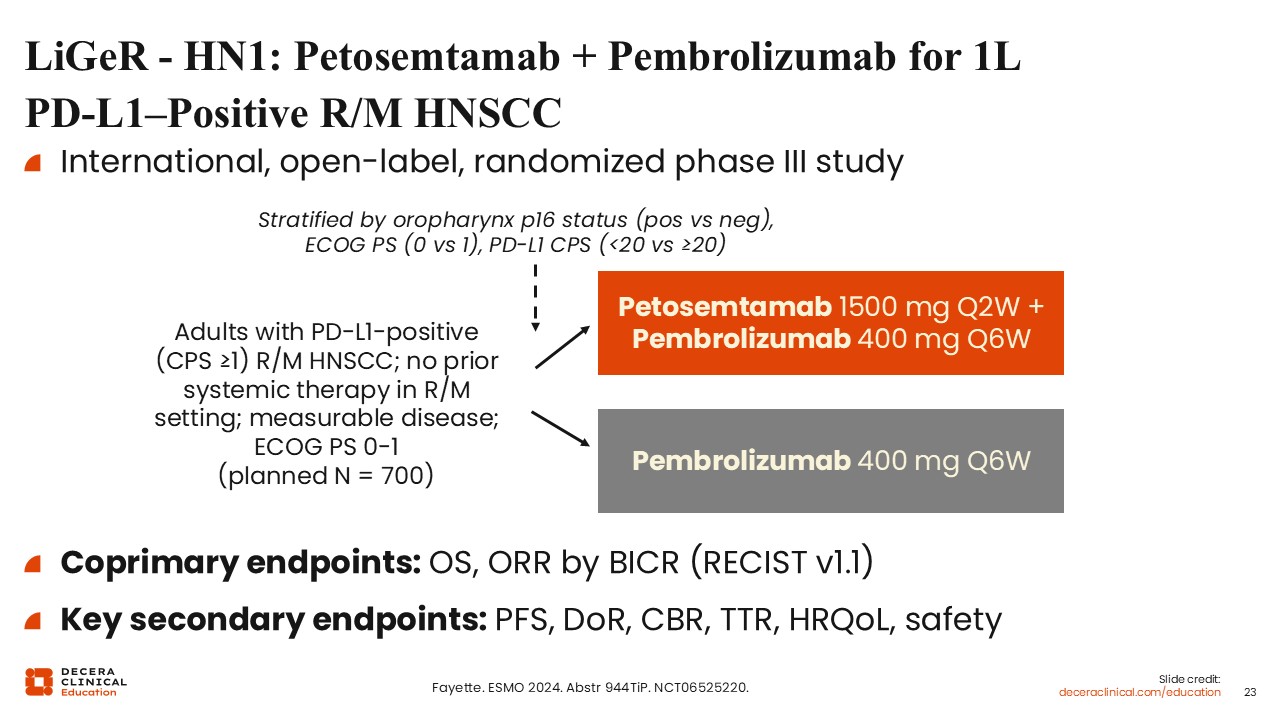
There are two ongoing phase III studies for petosemtamab. This includes LiGeR- HN1, a phase III study of front-line petosemtamab plus pembrolizumab vs pembrolizumab alone for PD-L1 positive R/M HNSCC. [Fayette 2024]
LiGeR-HN2: Petosemtamab vs Investigator’s Choice in Previously Treated R/M HNSCC
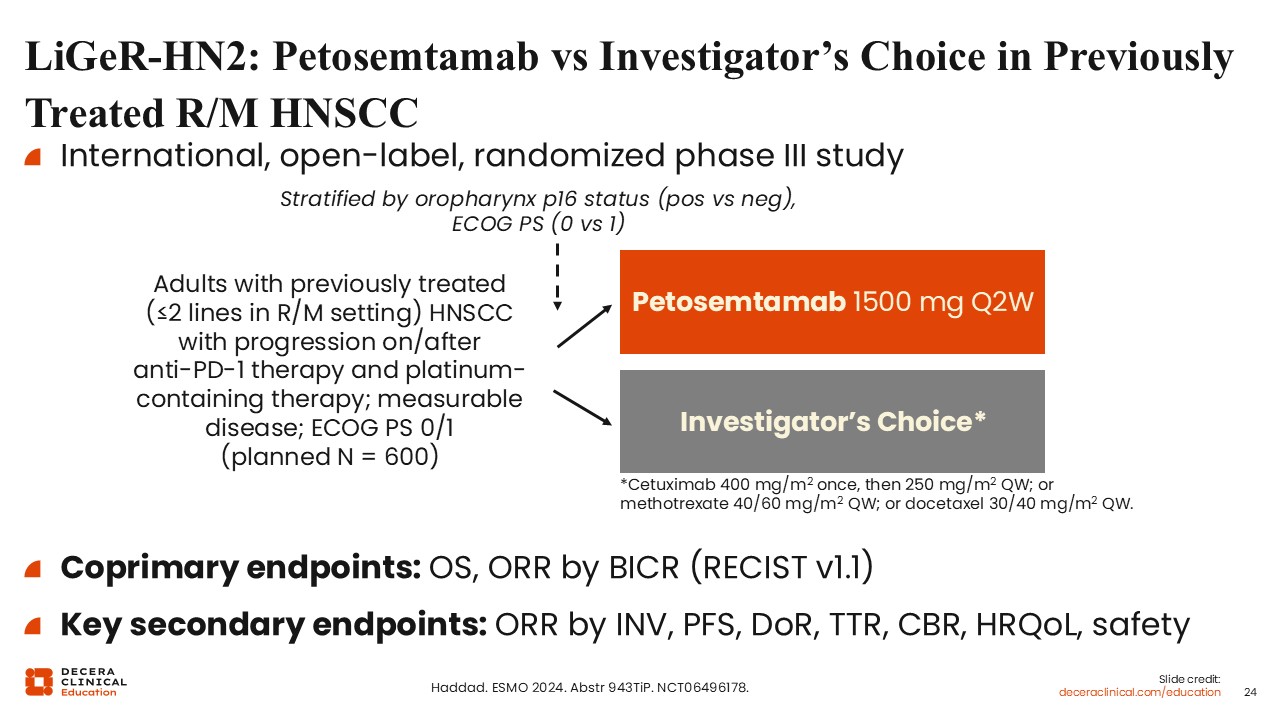
In addition there is a second-line study called LiGeR-HN2, which is evaluating petosemtamab monotherapy compared to investigator's choice therapy in previously treated R/M HNSCC with 1-2 prior lines of therapy. [Haddad 2024]
Conclusions
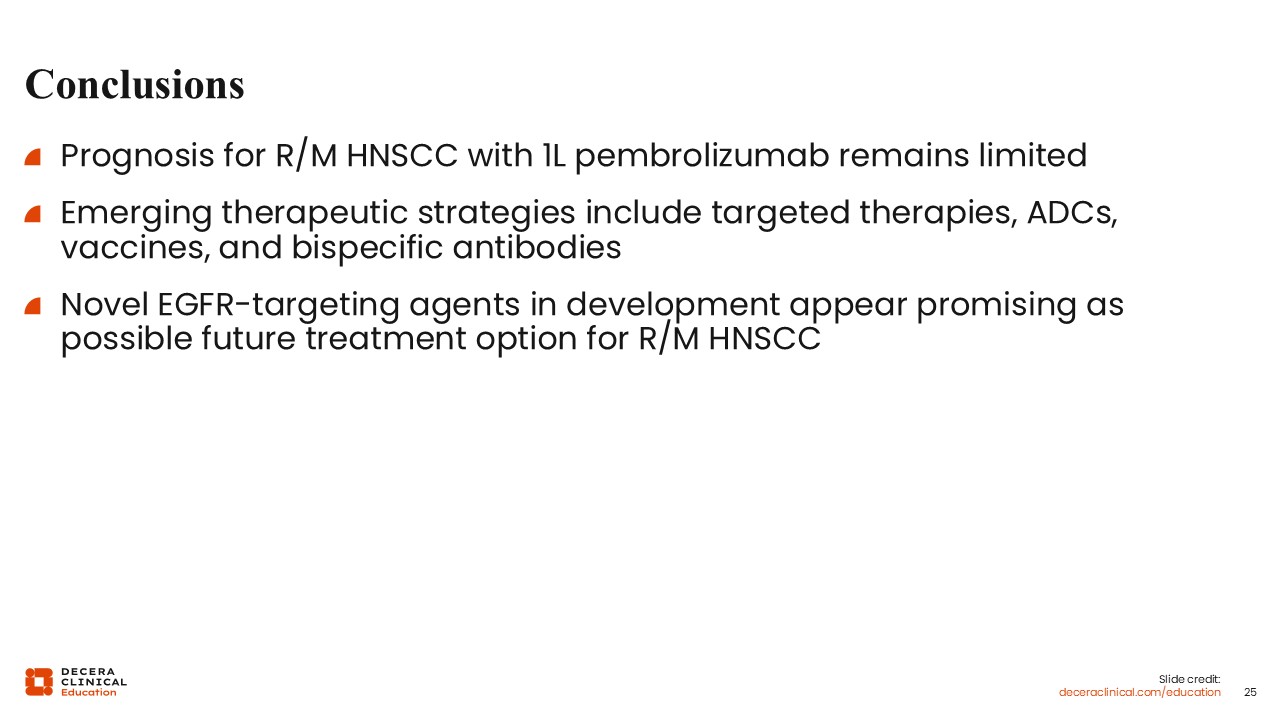
In conclusion, the prognosis for R/M HNSCC remains limited with our current standard of care regimens of front-line pembrolizumab or pembrolizumab with chemotherapy.
Emerging therapeutic strategies for R/M HNSCC include incorporating targeted therapies, antibody drug conjugates, vaccine therapies as well as bispecific antibodies. In particular, novel EGFR targeting agents in development appear to be promising. For more information about future treatment options for R/M HNSCC follow this link for more educational activities.