Back
Back
CE / CME
Looking Beyond A1C in T2D Care: Incretin-Based Therapy for Cardiometabolic Risk Reduction
Physician Assistants/Physician Associates: 0.50 AAPA Category 1 CME credit
ABIM MOC: maximum of 0.50 Medical Knowledge MOC point
Physicians: maximum of 0.50 AMA PRA Category 1 Credit™
Nurse Practitioners/Nurses: 0.50 Nursing contact hour
Released: August 10, 2026
Expiration: August 09, 2027

Activity
Patient Case Evolution: 58-Year-Old Man With T2D, HTN, Obesity, and CKD
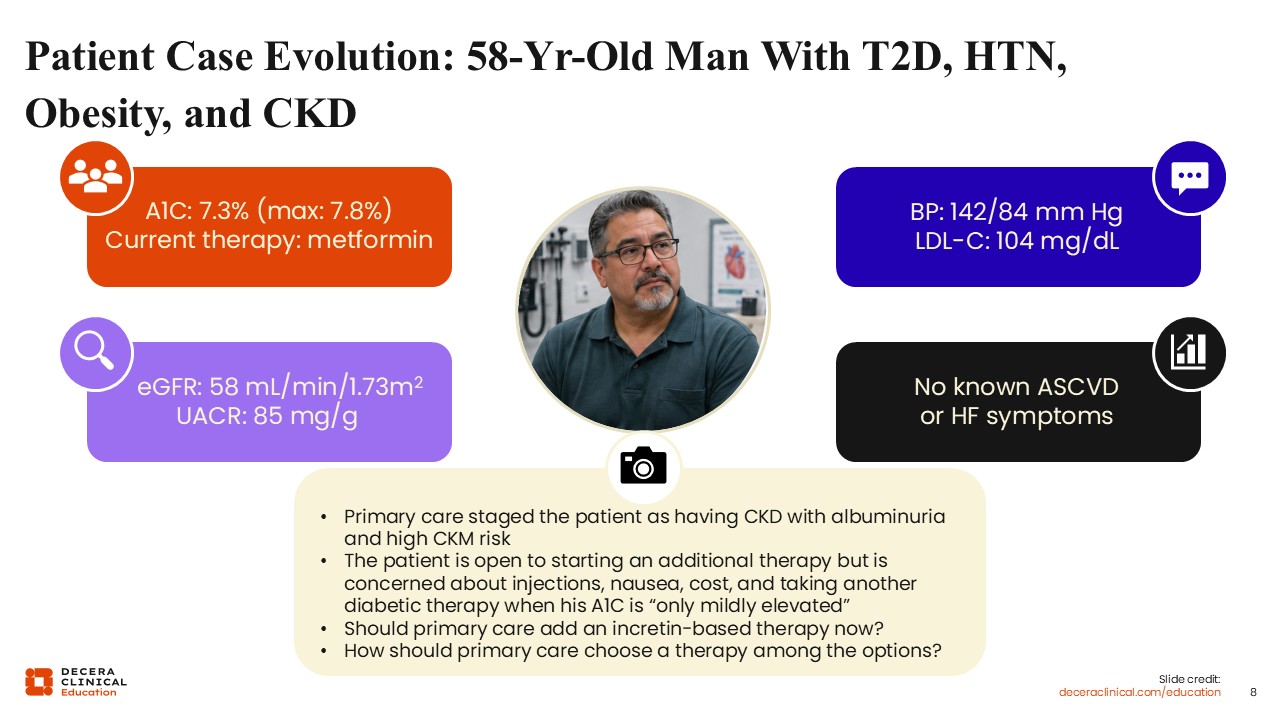
Before getting into the details, let us look at a patient case that was presented in the first text module. The patient is a 58-year-old man with T2D, hypertension, obesity, and CKD. His A1C is 7.3% (maximum: 7.8%), and he is currently receiving metformin. His blood pressure is 142/84 mm Hg, and his low-density lipoprotein cholesterol is 104 mg/dL. He has no symptoms suggestive of atherosclerotic cardiovascular disease (ASCVD) or heart failure.
In terms of kidney function, the patient’s eGFR is 58 mL/min/1.73 m² and UACR is 85 mg/g. These findings correspond to an eGFR category of G3a and persistent albuminuria category of A2; both are abnormal and meet the international CKD guidelines’ high-risk criteria.1 Furthermore, the presence of T2D and other comorbidities (ie, hypertension, obesity, and CKD) is consistent with stage 2 CKM syndrome.2 This illustrates how his primary care team confirmed the patient’s CKD with albuminuria diagnosis and high CKM risk profile. Although the patient is open to starting an additional therapy, he also is concerned about injections, nausea, cost, and taking another diabetic therapy when his A1C is “only mildly elevated.”
The question here asks whether primary care HCPs should add an incretin-based therapy to the patient’s treatment plan. If so, how might HCPs choose a therapy among the many available options? This is a clinical decision that must consider the patient’s CKM risk profile, weight-related goals, treatment efficacy, tolerability, administration preferences, access, and cost—not his A1C alone.
Incretin-Based Therapies Offer More Than Glucose Lowering
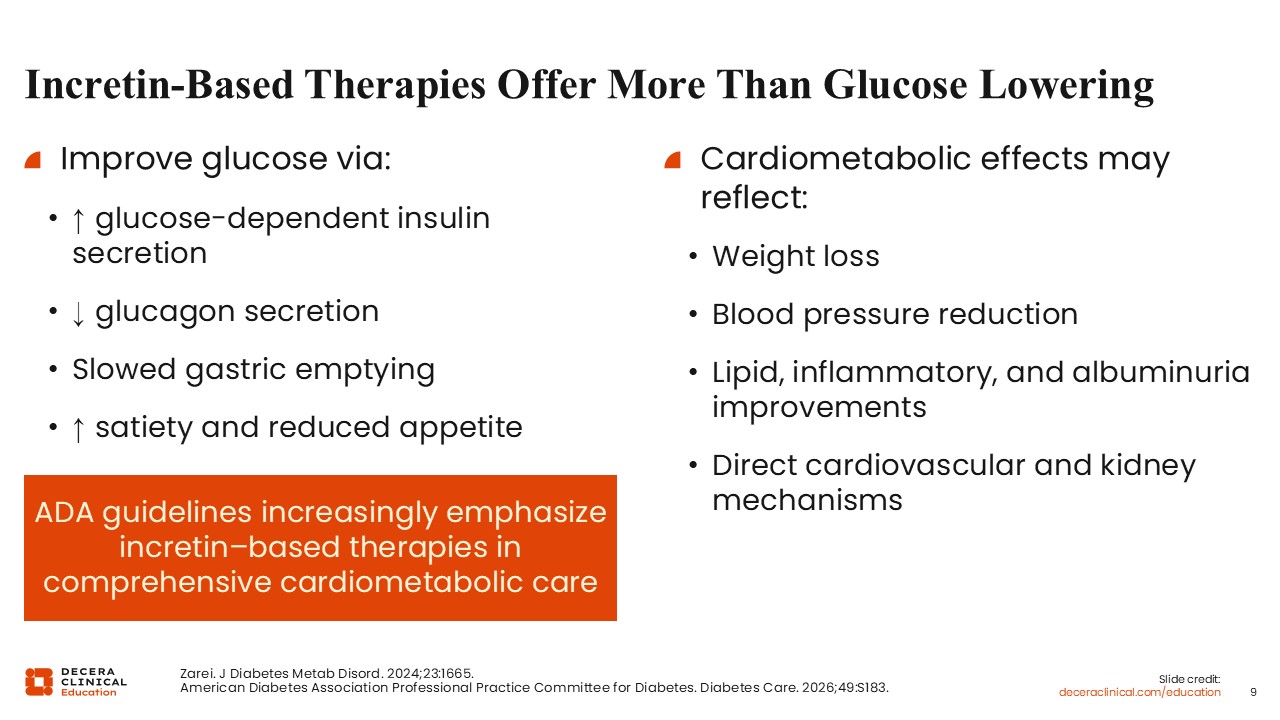
When discussing incretin-based therapies, I am referring specifically to GLP-1 RAs and dual GIP/GLP-1 RAs. These therapies improve glucose levels in patients with T2D through different mechanisms of action, including increased glucose-dependent insulin secretion, suppressed glucagon secretion, slowed gastric emptying, and increased satiety, which leads to reduced appetite. These effects then contribute to reduced food intake and smaller spikes in glucose levels after eating.
The cardiometabolic effects of incretin-based therapies are important considerations, too. They may be mediated through improved weight, blood pressure, lipids, albuminuria, and inflammatory markers. Current evidence further suggests that there are direct cardiovascular and kidney mechanisms that contribute to the observed clinical benefits of incretin-based therapies, although these pathways are not yet fully understood.
Finally, the American Diabetes Association guidelines emphasize the role of incretin-based therapies in comprehensive cardiometabolic care for patients with T2D, particularly when cardiovascular disease (CVD), CKD, and obesity or multiple CKM risk factors are present.3,4
Mechanism Matters: Matching Incretin Biology to Patient Goals
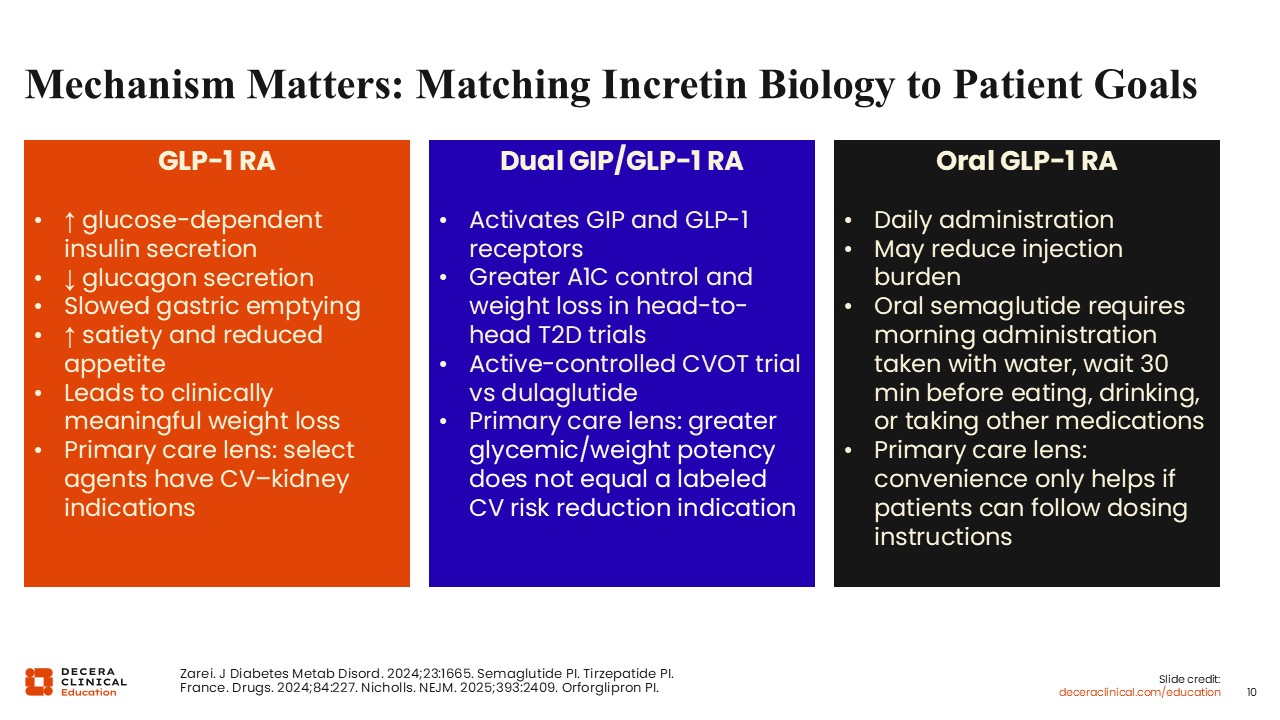
The selected therapy’s mechanism of action matters. HCPs are fortunate now that we can match incretin biology and treatment effects to the overall health goals and risk profile of each patient. In practice, these therapies can lead to clinically meaningful weight loss for most patients and improved cardiovascular and/or kidney outcomes for some populations. For example, injectable dulaglutide, liraglutide, and semaglutide are GLP-1 RAs approved for T2D management that also carry cardiovascular-specific indications, with semaglutide also carrying a kidney-specific indication.5-7
Tirzepatide is the only available dual GIP/GLP-1 RA. It works by activating both the GIP and GLP-1 receptors. When compared directly with semaglutide, it provided a greater degree of glucose lowering and weight loss benefit to patients with T2D in the SURPASS-2 trial.8 Tirzepatide also was evaluated against dulaglutide, which has shown to reduce the risk of major adverse cardiovascular events (MACE) in patients with T2D and CVD or multiple cardiovascular risk factors.9 In the SURPASS-CVOT trial, tirzepatide demonstrated noninferiority to dulaglutide in the composite outcome of cardiovascular-related death, myocardial infarction, and stroke. However, because the trial used an active comparator rather than placebo, the results should not be interpreted as directly demonstrating a specific magnitude of cardiovascular risk reduction vs placebo.10
Of note, tirzepatide is only indicated to improve glycemic control in patients with T2D who are at least 10 years of age, to reduce excess body weight and maintain long-term weight loss in adults with obesity or overweight and at least 1 weight-related comorbidity, and to treat moderate to severe obstructive sleep apnea in adults with obesity. Despite ongoing cardiovascular outcomes trials, it does not carry a CVD-specific indication like some GLP-1 RAs.11,12 Therefore, tirzepatide may be a reasonable option when greater glycemic and weight loss benefit are important health goals, with the understanding that the SURPASS-CVOT trial provides some evidence of cardiovascular safety relative to dulaglutide in patients with T2D and established ASCVD.
Finally, we have daily oral GLP-1 RAs available that further expand treatment options for patients. The first is oral semaglutide, which patients must take in the morning on an empty stomach with up to 4 oz of water. After administration, patients must then wait at least 30 minutes before eating, drinking, or taking other oral medications. It is approved to improve glycemic control in adults with T2D and reduce risk of MACE in high-risk adults with T2D.13
Another oral GLP-1 RA is orforglipron, which is only indicated to reduce excess body weight and maintain long-term weight loss in adults with obesity or overweight and at least 1 weight-related comorbidity, not for glycemic management in T2D. It does not require fasting or food/water restrictions at administration, but clinically relevant drug interactions must be considered (ie, strong CYP3A4 inhibitors).14
From a primary care perspective, oral GLP-1 RAs may be a reasonable option for patients who wish to avoid injections completely or adding another injectable therapy to their treatment regimen. Remember, this degree of convenience will only be helpful and effective if patients follow the agent-specific dosing instructions.
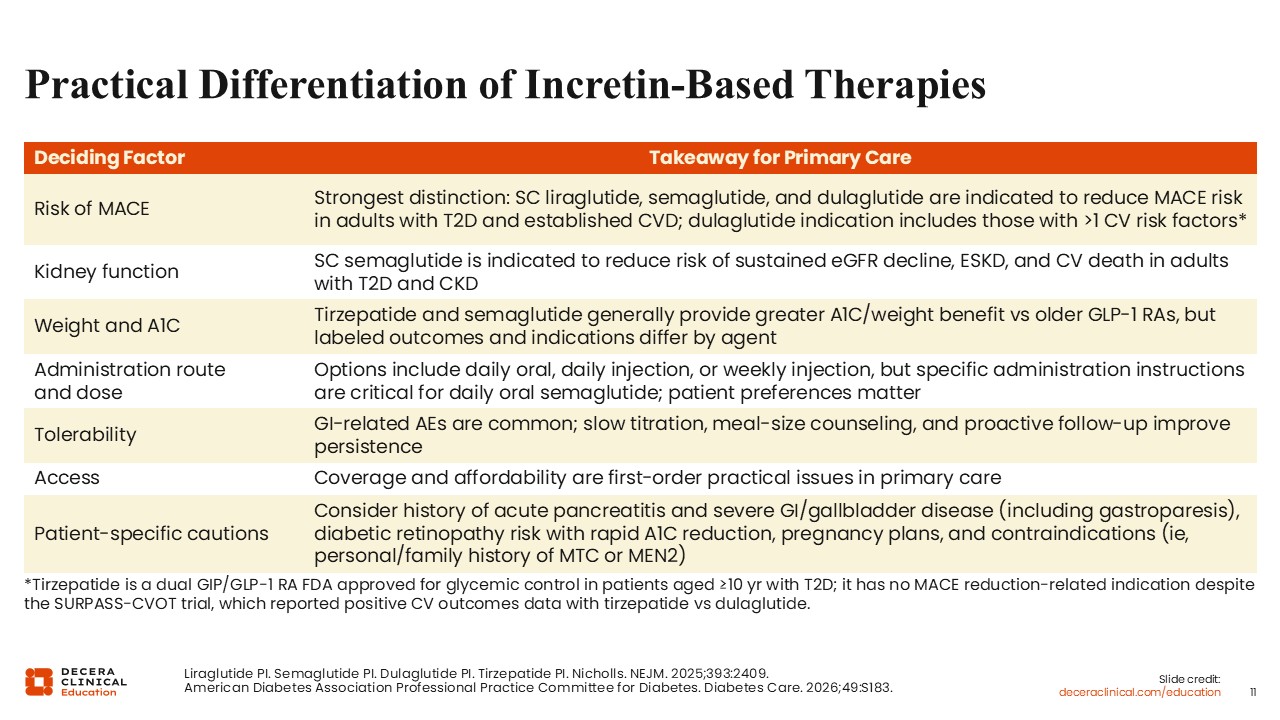
Practical Differentiation of Incretin-Based Therapies
How should HCPs practically differentiate each incretin-based therapy when choosing among them?
Remember that there are several options available that have demonstrated significant cardiovascular benefit vs placebo. These include injectable liraglutide, semaglutide, and dulaglutide, all of which are indicated to reduce the risk of MACE in adults with T2D and established CVD. Of note, dulaglutide’s indication also includes those with T2D and at least 1 cardiovascular risk factor.
As mentioned previously, tirzepatide demonstrated noninferiority to dulaglutide in the composite outcome of cardiovascular-related death, myocardial infarction, and stroke.10 At present, it does not have a formal indication to reduce MACE risk in any patient population. However, tirzepatide and higher doses of injectable semaglutide are among the currently available incretin-based therapies with the greatest glucose lowering and weight loss efficacy.
In addition, injectable semaglutide significantly reduced the risk of composite kidney failure onset, eGFR decline of 50% or more, and death from kidney- or cardiovascular-related causes in adults with T2D and CKD.15 These findings from the FLOW trial are what led to its indication for adults with T2D and CKD.
Administration route and dose are important deciding factors, as well. This is where shared decision-making comes into play, especially considering patient preferences regarding oral vs injectable and daily vs weekly administration.
In terms of tolerability, the main adverse events (AEs) of incretin-based therapies are gastrointestinal in nature. Although they are common, their incidence and severity vary by agent and dose. These AEs frequently occur at initiation or titration; therefore, HCPs should proactively counsel patients on reducing meal sizes, decreasing intake of fatty and fried foods, and providing close follow-up. These strategies can help patients tolerate and continue their therapy over the long term for both metabolic control and CKM risk reduction.16
Of course, access, coverage, and affordability are major practical issues for HCPs and patients alike. It is important that HCPs understand which therapies are accessible to their patients and choose among those to determine the best fit.
Patient-specific cautions include the relevant contraindications, warnings, and precautions associated with each agent. Incretin-based therapies generally are not recommended for patients with gastroparesis or other severe gastrointestinal disease. Although a history of acute pancreatitis or gallbladder disease is not a formal contraindication, they represent important warnings/precautions. In either case, HCPs should consider alternative therapy when clinically appropriate.
Furthermore, rapid improvements in glucose control have been associated with temporary worsening of diabetic retinopathy. This safety signal was observed particularly in semaglutide’s cardiovascular outcomes trial. Patients with a history of diabetic retinopathy should be monitored for progression or changes in vision; treatment should also be initiated and titrated according to the approved dosing schedule, with individualized and close monitoring when substantial or rapid A1C reductions are anticipated.
Finally, the GLP-1 RA class (including tirzepatide) is contraindicated in individuals with a personal or family history of medullary thyroid carcinoma or multiple endocrine neoplasia syndrome type 2.4-7,11-14
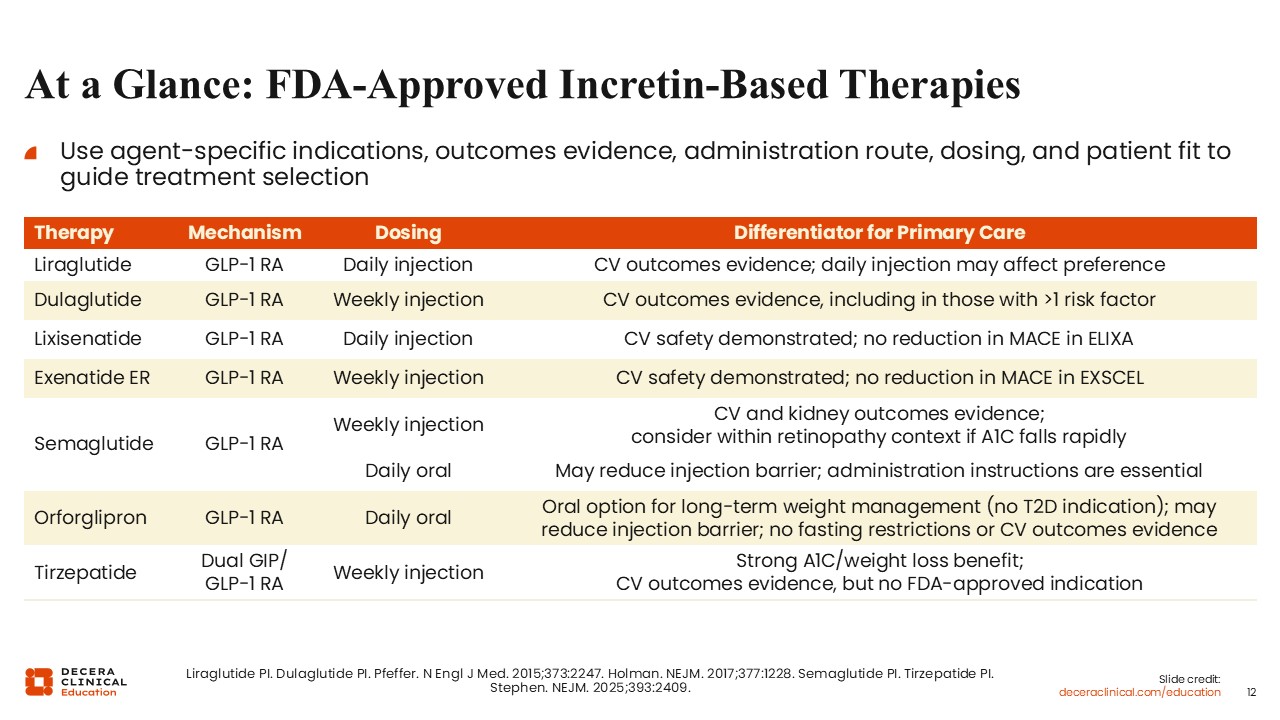
At a Glance: FDA-Approved Incretin-Based Therapies
The FDA-approved incretin-based therapies are listed on the slide. Liraglutide, dulaglutide, and semaglutide all have indications that extend beyond glycemic control based on their relevant cardiovascular outcomes evidence. Of note, dulaglutide may be used to reduce risk of MACE in those with T2D and at least 1 cardiovascular risk factor, and both injectable and oral semaglutide carry MACE risk reduction indications. Regarding kidney outcomes evidence, only injectable semaglutide is indicated to reduce risk of sustained eGFR decline, end-stage kidney disease, and cardiovascular death in adults with T2D and CKD.5-7,13
Lixisenatide and extended-release exenatide are both GLP-1 RAs indicated to improve glycemic control in adults with T2D.17,18 Neither demonstrated significantly reduced risk of MACE but were noninferior to placebo in terms of cardiovascular safety in their respective outcomes trials.19,20
Orforglipron is a more recently available oral GLP-1 RA that has not yet completed a cardiovascular outcomes trial. Therefore, it should not be selected specifically for cardiovascular risk reduction, nor is it currently approved for glycemic management in T2D.14
Again, tirzepatide is the only dual GIP/GLP-1 RA available. Despite its high glucose lowering and weight loss efficacy, it also does not have a cardiovascular-specific indication.4,11,12 Furthermore, because the SURPASS-CVOT trial used an active control and did not demonstrate superiority to dulaglutide, its findings should not be described as directly establishing cardiovascular risk reduction with tirzepatide vs placebo.
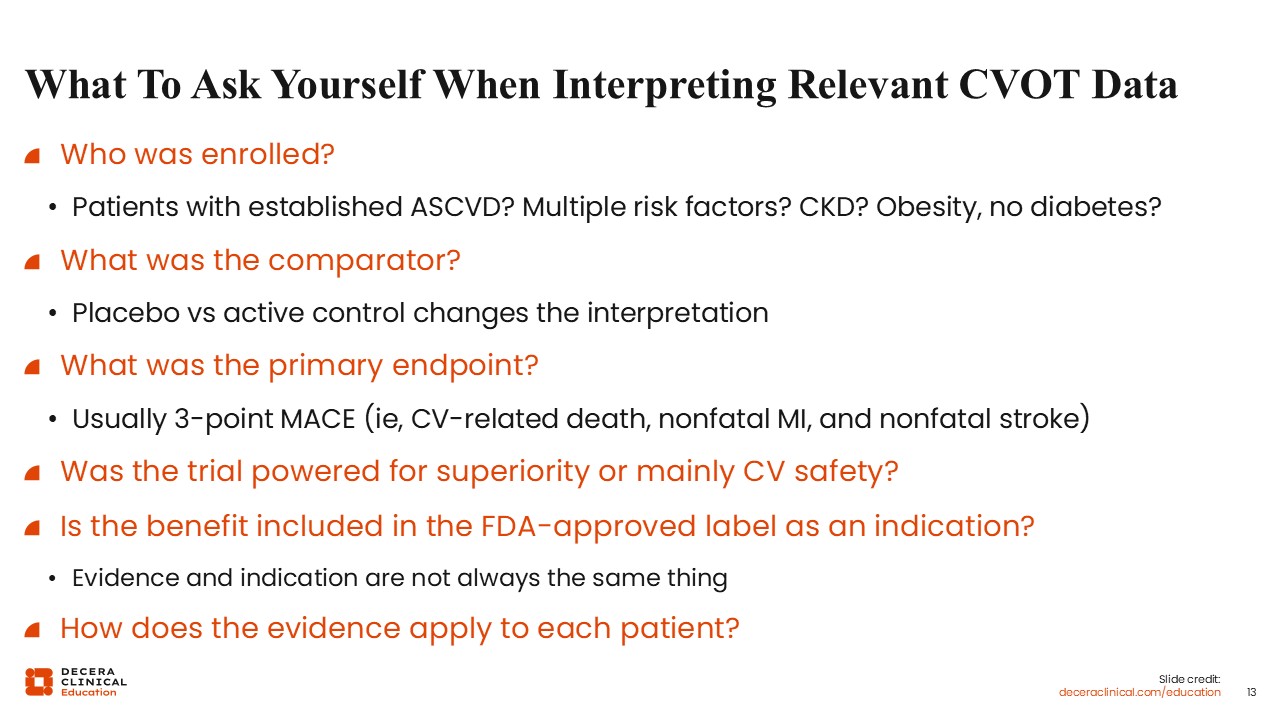
What to Ask Yourself When Interpreting Relevant CVOT Data
What should HCPs ask themselves when interpreting cardiovascular or kidney outcomes data? How should HCPs use this information to design an individualized treatment plan for patients with T2D?
First, HCPs must understand the patient population that was included in the study. Did it enroll patients with established ASCVD only, or did some have multiple cardiovascular risk factors? Were patients with CKD included? Did it enroll patients with obesity and exclude those with diabetes? The degree to which trial findings apply to an individual depends, in part, on how closely that patient resembles the studied population.
It also is critical to know what comparator was used, whether it be placebo or an active control. That said, most cardiovascular outcomes trials compare an agent against placebo. In turn, an active-control trial may change how we can interpret the effects of the therapy as discovered. A placebo-controlled superiority trial can directly assess whether a therapy reduces cardiovascular events relative to placebo, whereas a noninferiority trial with an active control answers a different clinical question.
Next, HCPs should understand the primary endpoint, especially if it is 3-point MACE. This is used in many cardiovascular outcomes trials and generally comprises a composite of cardiovascular death, nonfatal myocardial infarction, and nonfatal stroke. However, endpoint definitions vary. For example, kidney outcomes trials may use composite endpoints that include sustained eGFR decline, kidney failure, and/or kidney or cardiovascular death.
HCPs also must be able to determine if the trial was powered to evaluate the superiority or noninferiority of the given therapy. A noninferiority finding can establish that a therapy does not increase cardiovascular risk beyond a prespecified margin, but it does not by itself establish superiority or cardiovascular benefit.
In addition, HCPs should evaluate whether the benefit reported by a study was included as an indication in the therapy’s FDA-approved label. A positive trial result and an FDA-approved indication are related but not interchangeable. The approved indication defines the specific patient population and clinical outcome for which the FDA determined that therapy’s evidence supports. Indications may also influence patients’ health insurance coverage for and access to specific incretin-based therapies.
Finally, HCPs should ask themselves how the totality of the evidence applies to the patient in front of them. This requires HCPs to consider the patient’s CKM risk profile, present comorbidities, health goals, preferences, tolerability, and access.
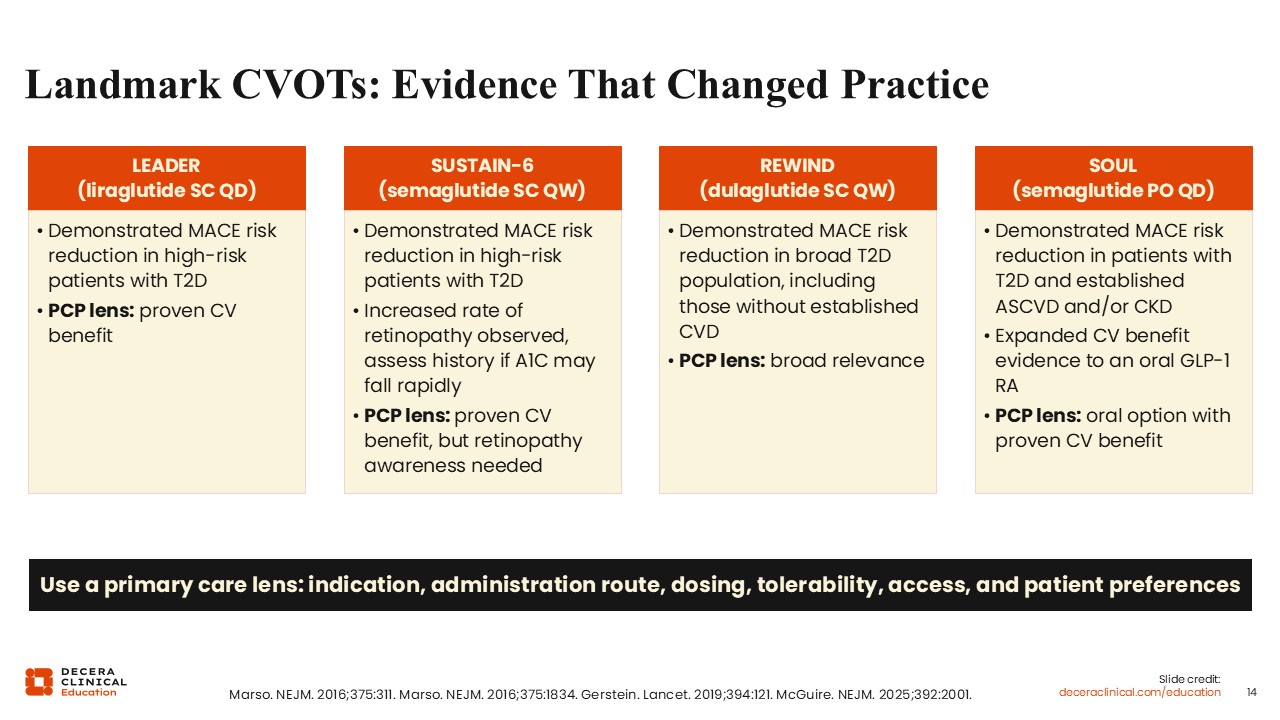
Landmark CVOTs: Evidence That Changed Practice
Several landmark cardiovascular outcomes trials have been completed, and the evidence from these studies has changed the standard of care for patients with T2D and elevated cardiovascular risk. This slide highlights the current cardiovascular outcomes evidence for liraglutide, dulaglutide, and semaglutide in adults with T2D.
All these cardiovascular outcomes trials demonstrated a reduction in MACE risk with their respective therapy compared with placebo in the specific patient population enrolled. For example, daily injectable liraglutide reduced the risk of MACE in high-risk patients with T2D, as reported in LEADER.21 Weekly injectable semaglutide demonstrated noninferiority to placebo for cardiovascular safety because it significantly lowered the risk of MACE in high-risk patients with T2D. That said, SUSTAIN-6 investigators also reported an increased risk of diabetic retinopathy. Therefore, awareness and observation are needed when substantial or rapid A1C reductions are anticipated.22
REWIND was the cardiovascular outcomes trial for weekly injectable dulaglutide, which demonstrated reduced MACE risk in a relatively broad population of patients with T2D. Many of whom had cardiovascular risk factors without established CVD.9 Thus, these results are particularly relevant to primary care populations because patients without established CVD can have T2D and multiple cardiovascular risk factors.
Finally, the cardiovascular outcomes trial for daily oral semaglutide found it reduced the risk of MACE in patients with T2D and established ASCVD, CKD, or both.23 This is the only oral GLP-1 RA with cardiovascular outcomes evidence.
Although multiple agents with established cardiovascular benefit are now available for select high-risk patients, HCPs must consider the evidence, approved indication, administration route, dosing, tolerability, access, and patient preferences when selecting among them.
Expanding Outcomes Evidence Across CV and Kidney Risk
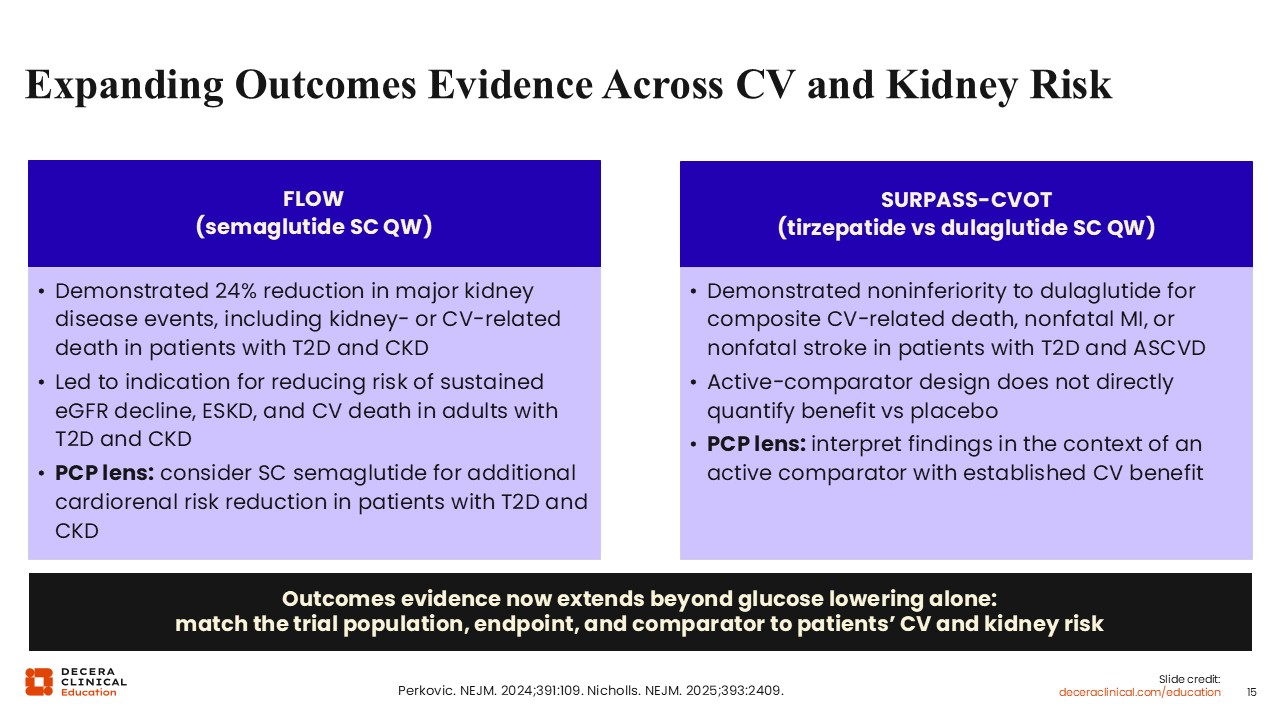
More recently concluded trials have further expanded our understanding of the effects of incretin-based therapies on outcomes across various patient populations with increased cardiovascular and kidney risk.
First, weekly injectable semaglutide was evaluated in the FLOW trial. It reduced the risk of major kidney disease events by -24% compared with placebo in patients with T2D and CKD. This led to the FDA-approved indication for adults with T2D and CKD. Therefore, semaglutide is a viable option that offers both metabolic and cardiorenal benefit in select patient populations.15
As mentioned previously, tirzepatide was compared with dulaglutide in the SURPASS-CVOT trial. Remember that the study found tirzepatide was noninferior to dulaglutide in the composite outcome of cardiovascular-related death, myocardial infarction, and stroke in patients with T2D and established ASCVD. Because an active control previously shown to reduce MACE risk was used in this trial, we cannot interpret the evidence in the same way that we would for a placebo-controlled trial. The SURPASS-CVOT trial met its primary objective, but it did not demonstrate superiority. So it does not directly quantify tirzepatide’s cardiovascular risk reduction abilities vs placebo.10
Regardless, it is important for primary care HCPs to understand the results of these trials and consider how the populations, endpoints, comparators, and currently approved indications apply to each patient when prescribing or considering incretin-based therapy.
Poll 3 Course Correction
HCPs must not treat all incretin-based therapies as interchangeable. Instead HCPs should determine whether the specific therapy’s clinical evidence and FDA-approved indication align with the patient’s CKM risk, health goals, preferences, tolerability, and access.
Poll 4 Course Correction
Clinical decision-making should always consider patients’ health insurance coverage and access, their willingness and ability to use an oral or injectable therapy, the degree of glucose lowering and/or weight loss needed, potential safety concerns, and their preferences.
The practical question to ask is what should HCPs assess and discuss with patients before initiating the first dose?
Start Smart: What to Do Before Administering the First Dose
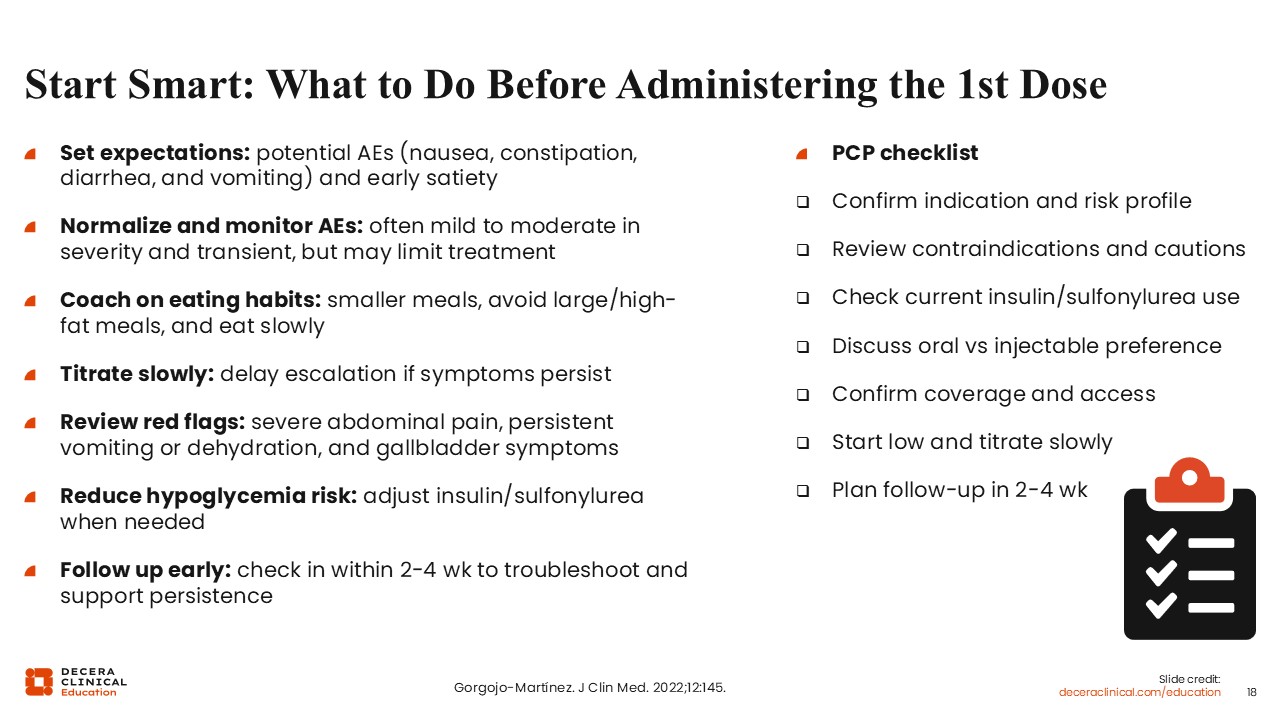
It is critical to set expectations with patients before prescribing an incretin-based therapy. That means patients should understand what the common AEs are (ie, nausea, constipation, diarrhea, and vomiting) and that they are also likely to experience increased satiety/feel less hungry when receiving these therapies. Although the frequency of gastrointestinal-related AEs varies by agent and dose, they are usually mild to moderate, occur most often during initiation or dose escalation, and diminish over time.
HCPs should also coach patients on the interventions they can employ to reduce their risk or severity of gastrointestinal-related AEs. Effective strategies include eating smaller meals, avoiding large or high-fat meals, eating slowly, and stopping when they feel full. HCPs can delay dose titration or escalation in patients who are already experiencing significant gastrointestinal-related AEs, as it is generally appropriate to wait until symptoms resolve or become tolerable. Those with red-flag symptoms, such as severe or persistent abdominal pain or vomiting, signs of dehydration, or symptoms suggestive of gallbladder or other biliary tract disease, should be instructed to seek medical attention right away.
If patients with T2D are receiving insulin or sulfonylurea, HCPs should assess their risk of hypoglycemia and consider reducing their dose before initiating or escalating an incretin-based therapy. Sulfonylurea does not always need to be discontinued, and any treatment adjustments should be individualized according to patients’ baseline glucose levels, A1C, hypoglycemia risk, and regimen.
Next, HCPs should confirm the indication, review the contraindications and cautions, and patients’ current treatment regimen. Treatment selection should be done with the patient and consider whether an oral or injectable therapy is preferred. Ensuring access is an essential step, too. That means health insurance coverage and prior authorization requirements are important considerations.
After treatment initiation or dose escalation, follow-up should occur within 2-4 weeks to assess and address AEs, adherence, tolerability, access, glucose levels when appropriate, and whether adjustments are needed. Incretin-based therapies should always be initiated at the recommended starting dose and titrated according to the agent-specific prescribing information.4,16
Beyond A1C and Weight Loss: Where the Evidence Is Heading
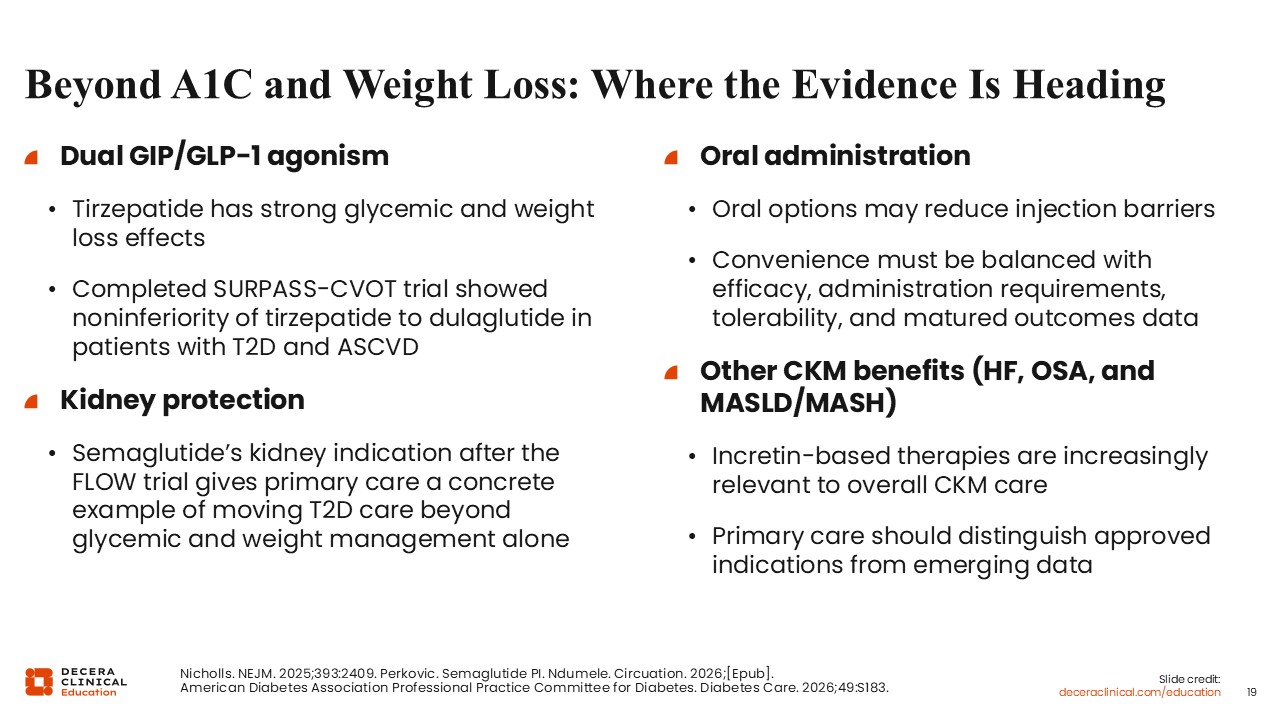
Now let us take a look at where the evidence is heading. Tirzepatide is a highly effective therapy for improving glycemic and weight control in patients with T2D. As I shared, it demonstrated noninferiority to dulaglutide in reducing the risk of MACE in high-risk patients with T2D. Therefore, it may be a reasonable treatment option for patients with T2D and established ASCVD when substantial glycemic and weight benefit are important health goals.10
Oral therapies may reduce access barriers, especially for those who would prefer not to use injections. Yet convenience must be balanced with efficacy, agent-specific administration requirements, potential drug interactions, tolerability, and outcomes evidence. Oral semaglutide demonstrated cardiovascular benefit, which led to its FDA-approved indication to reduce risk of MACE in high-risk adults with T2D, but newer agents without completed cardiovascular outcomes trials like orforglipron should not be selected specifically for patients who require cardiovascular risk reduction.13,14
In addition, injectable semaglutide carries a kidney-specific indication for adults with T2D and CKD, providing a concrete example for moving T2D care beyond glycemic and weight management alone.7
In addition to all of these benefits, there are many other conditions in which incretin-based therapies have been or continue to be explored. For example, injectable tirzepatide and semaglutide are associated with reduced worsening heart failure events and improved patient-reported outcomes and functional capacity in those with obesity and heart failure with preserved or mildly reduced ejection fraction.24 I mentioned before that tirzepatide is approved to treat moderate to severe obstructive sleep apnea in adults with obesity, and injectable semaglutide is indicated to treat adults with noncirrhotic metabolic dysfunction–associated steatohepatitis with moderate to advanced liver fibrosis.25
Incretin-based therapies are becoming increasingly relevant across CKM syndrome and its 5 stages, although the strength of evidence and approved indications differ by agent, formulation, disease, and patient population. Therefore, all HCPs must remember to prescribe these therapies based on the above information, not simply on emerging clinical trial data. Yet these trial data are important because we should clearly communicate the strengths, limitations, and regulatory status of the evidence to patients, so they can participate meaningfully in shared decision-making.2,4
Patient Case Evolution: 58-Year-Old Man With T2D, HTN, Obesity, and CKD
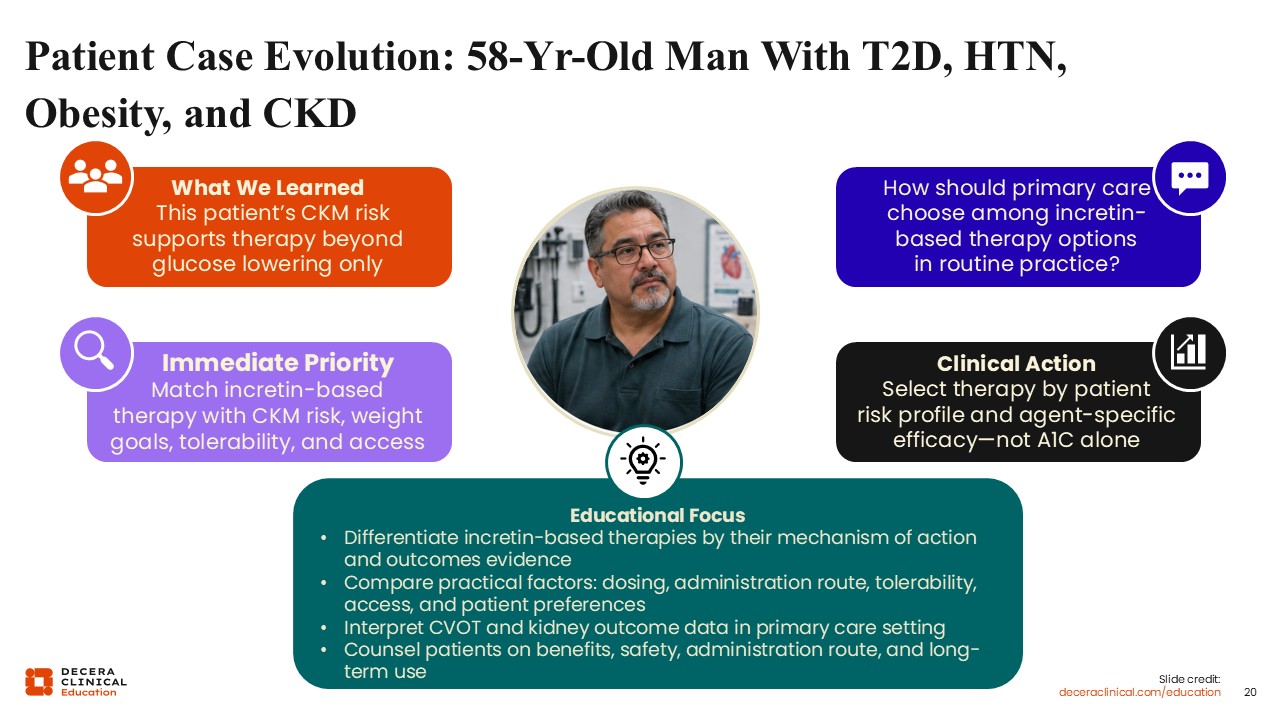
Let us revisit our patient case. The patient is 58-year-old man with T2D, hypertension, obesity, and CKD. In this module, we have learned that this patient’s CKM risk supports the selection of therapy based on his health goals beyond glucose lowering alone. The immediate priority would be to match the selected incretin-based therapy to the patient’s CKM risk, weight goals, tolerability, and, of course, his ability to access it.
When primary care HCPs are choosing among the incretin-based therapy options available, you should match the specific therapy to the patient’s risk profile and overall health goals while also considering the relevant outcomes evidence and FDA-approved indications. Remember to differentiate incretin-based therapies by their mechanism of action, indications and efficacy, dosing, route of administration, tolerability, access, and patient preferences. That means understanding patients’ CKM risk profile and applying relevant cardiovascular and kidney outcomes data in the primary care setting.
Finally, do not forget to counsel patients on the benefits, safety, administration route, and need for long-term use when continued treatment is indicated and tolerated. The goal is to support sustained treatment that addresses glycemic and weight control alongside cardiovascular and kidney priorities, while remaining feasible for each patient.2,4
Poll 5 Course Correction
The main teaching point here is to choose the appropriate therapy based on its efficacy and the patient’s risk profile, not simply on the need for A1C lowering alone. This patient’s comorbidities (ie, obesity, CKD with albuminuria, and hypertension) and elevated CKM risk profile support the consideration of an incretin-based therapy as one component of a comprehensive treatment plan.
Primary care HCPs should always consider agent-specific cardiovascular and kidney outcomes evidence, approved indications, dosing, route of administration, tolerability, contraindications and precautions, and patient access and preferences. At the same time, HCPs would also continue to optimize the patient’s blood pressure, lipids, kidney-protective therapy, and other modifiable risk factors to improve his overall cardiovascular and kidney health.
Key Takeaways
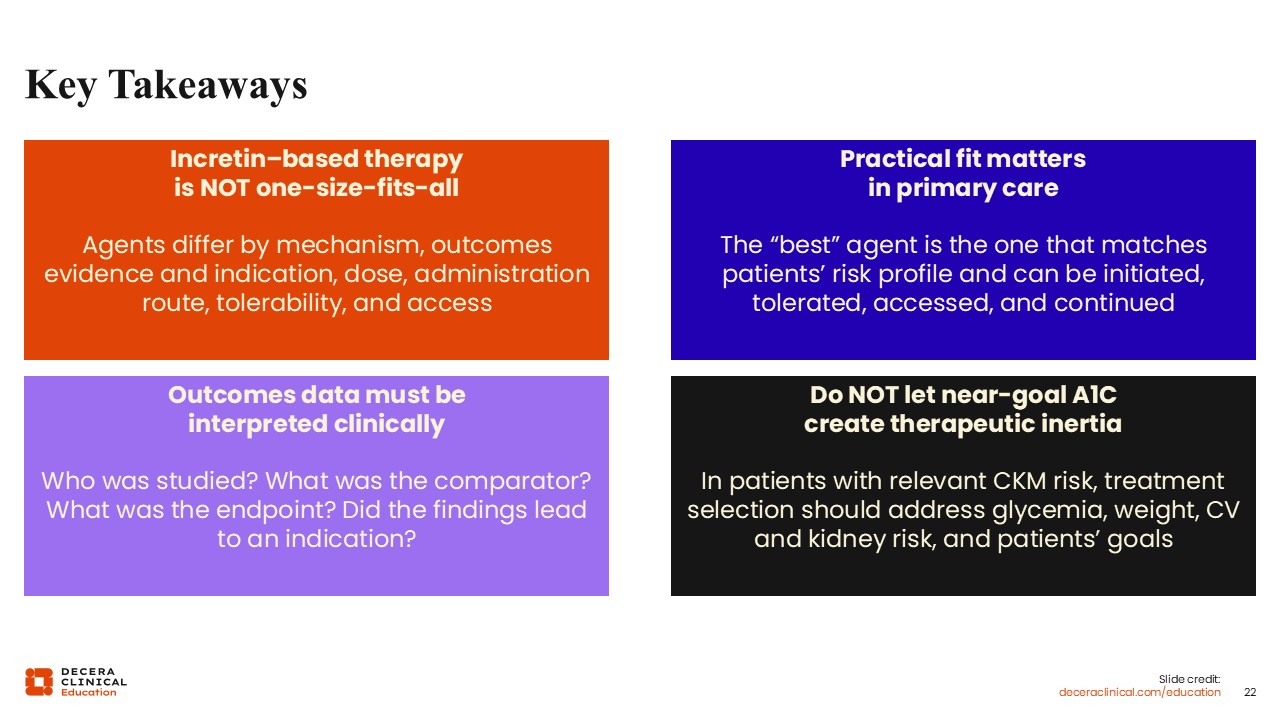
Incretin-based therapy is not one size fits all. Individual agents differ by their mechanism of action, outcomes evidence, FDA-approved indications, dosing, route of administration, tolerability, and access. The most appropriate agent is the one that matches each patient’s risk profile and can be initiated, tolerated, accessed, and continued long term.
At the same time, HCPs must also be able to effectively interpret the data from key cardiovascular and kidney outcomes trials. To do this, HCPs must understand the patient population, comparator, and endpoints, whether the trial evaluated superiority or noninferiority, and whether the findings supported an agent-specific FDA-approved indication.
Of most importance, HCPs must not let at or near-goal A1C levels create therapeutic inertia. In patients with clinically significant CKM risk, treatment selection should address their glycemia weight, CKM risk, comorbidities, treatment priorities, and individual goals. The goal is not to treat A1C alone but to reduce overall CKM risk with an optimized treatment regimen that patients can access, tolerate, and sustain.