Back
Back
CE / CME
Looking Beyond A1C in T2D Care: Evidence Integration and Clinical Positioning
Physician Assistants/Physician Associates: 0.50 AAPA Category 1 CME credit
ABIM MOC: maximum of 0.50 Medical Knowledge MOC point
Physicians: maximum of 0.50 AMA PRA Category 1 Credit™
Nurse Practitioners/Nurses: 0.50 Nursing contact hour
Released: August 07, 2026
Expiration: August 06, 2027

Activity
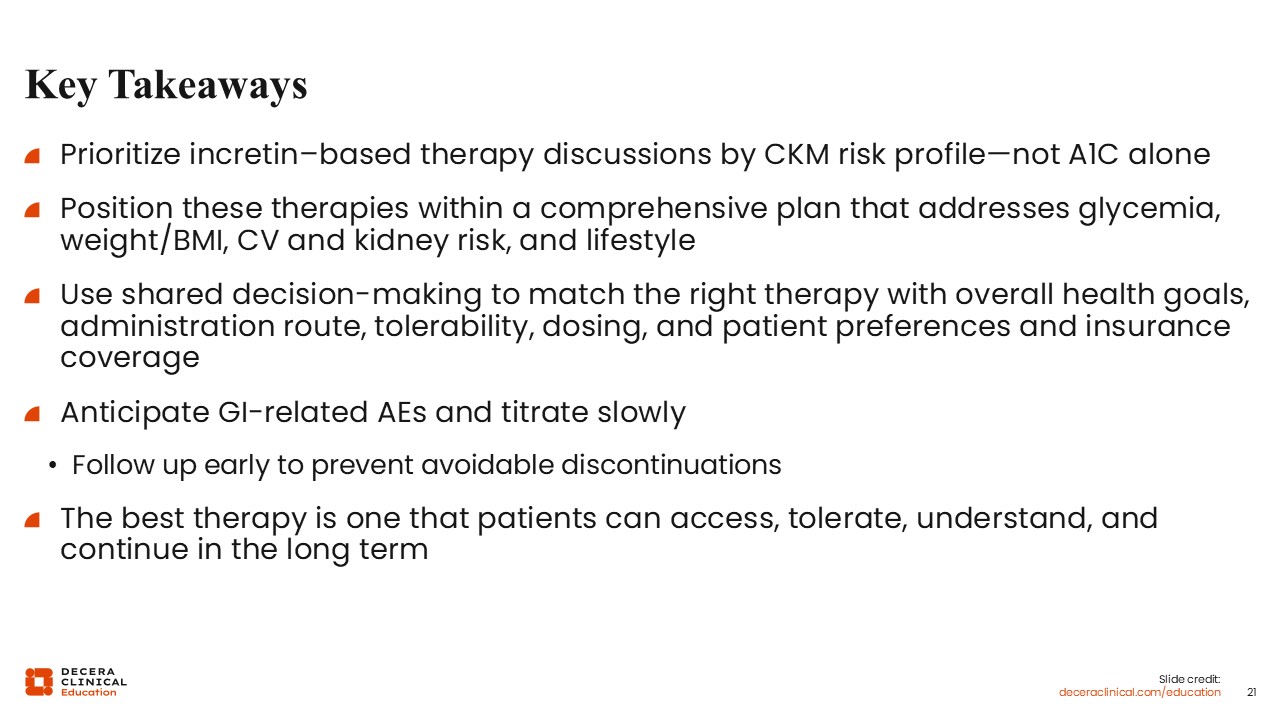
Patient Case Resolution: 58-Yr-Old Man With T2D, HTN, Obesity, and Early CKD
You might remember in briefcases 1 and 2 that this specific patient case was presented. The patient is a 58-year-old man with T2D, hypertension, obesity, and chronic kidney disease (CKD). In thinking about a holistic approach to T2D management and with this patient case as an example, HCPs must consider all the present comorbid conditions as important markers of patients’ overall health that can also be addressed with a comprehensive treatment plan.
The patient has an A1C of 7.3%, which is likely above his individualized goal. In addition, he has elevated blood pressure, LDL-C, eGFR, and urine–albumin-to-creatinine ratio (UACR) values. These are relevant factors that might have fallen under the radar in the past, but we know now that these values are quite important when looking at the patient’s overall clinical picture. Although this patient has no known atherosclerotic cardiovascular disease (ASCVD) or heart failure symptoms, he certainly has some markers that indicate he is at increased risk.
Now the question remains: What kind of treatment is appropriate for this patient? Well, he is likely an ideal candidate for incretin-based therapy, but it is important that HCPs take the time to share with the patient why this treatment strategy is a good match and the plan for addressing his concerns before initiation. This is critical because we want patients to feel confident in their treatment plan. Through shared decision-making, HCPs allow the treatment selection process to prioritize the therapy that is both effective across the spectrum of identified conditions and one that the patient endorses and feels good about.
In doing so, HCPs put a plan in place, creating a care map that illustrates where the treatment plan is going to make it easier for HCPs and patients alike. Furthermore, documenting the care plan helps by making patients’ care more straightforward in the long run.
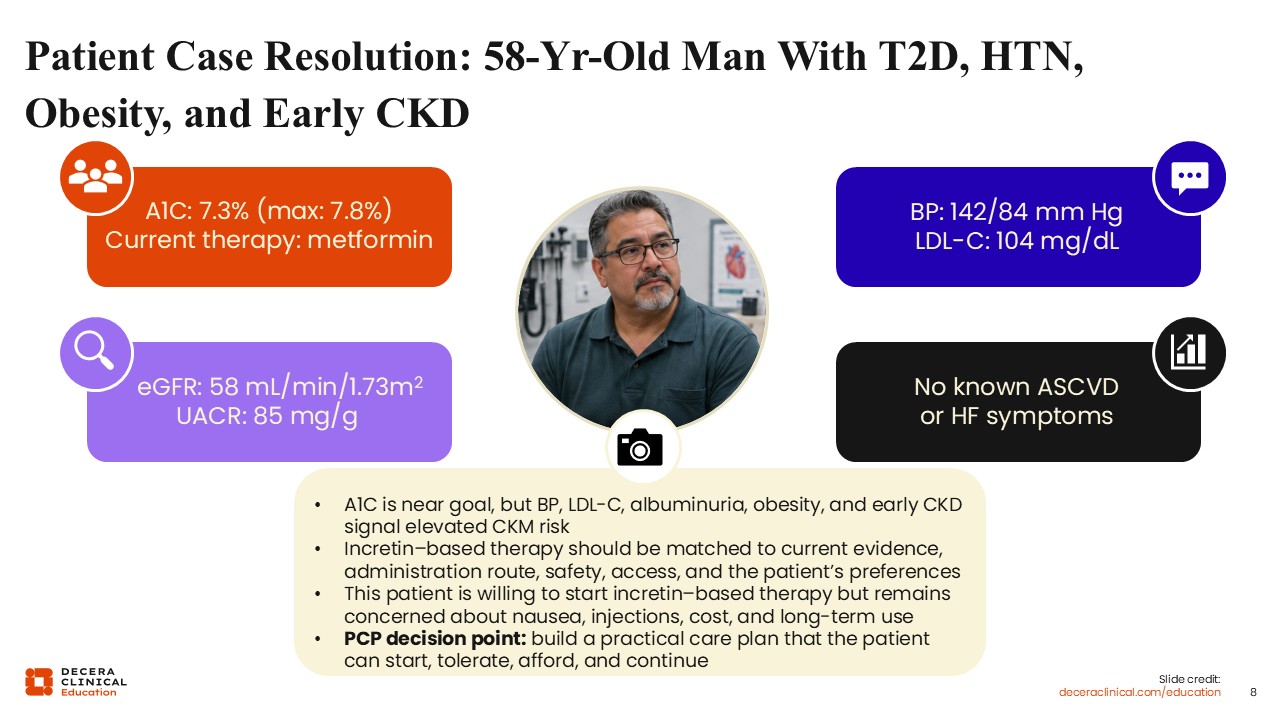
Which Patients Should Be Prioritized for Incretin-Based Therapy
When determining who should be prioritized for incretin-based therapy, current indications and guidelines provide the best context.
Patients with T2D and established ASCVD or high estimated cardiovascular (CV) risk, including those with at least 1 relevant risk factor, are clear candidates. Patients with T2D and CKD, as indicated by reduced eGFR or albuminuria, are also strong candidates for incretin-based therapy, particularly agents that do not require renal dose adjustment. Finally, patients with obesity or other weight-related risks make ideal candidates for this treatment strategy because incretin-based therapy offers cardiometabolic health benefits without causing weight gain, unlike many of the historically used T2D therapies. Furthermore, incretin-based therapy is revolutionary because it not only addresses patients’ CKM risk but also helps them lose weight without an accompanying and unnecessary hypoglycemia risk.
The good news continues because there are a variety of FDA-approved incretin-based therapies available today. This allows HCPs to further individualize treatment based on relevant indications and patient preferences in terms of dosing, administration route, tolerability, and access, thereby selecting the therapy that will potentially provide the most benefit overall. Again, it is important that patients understand they will feel better and can see improvement with the addition of these therapies to their T2D management plan.
Another consideration is that HCPs must work within patients' unique circumstances. That includes health insurance coverage, affordability, and access. Doing so ensures the selected therapy is the right medicine for the right patient.1-6
Going back to the patient case, starting an incretin-based therapy that can improve multiple comorbidities is going to give the patient more bang for his buck, even while his A1C remains not too far from goal. The hope is that this treatment strategy is something the patient feels good about.
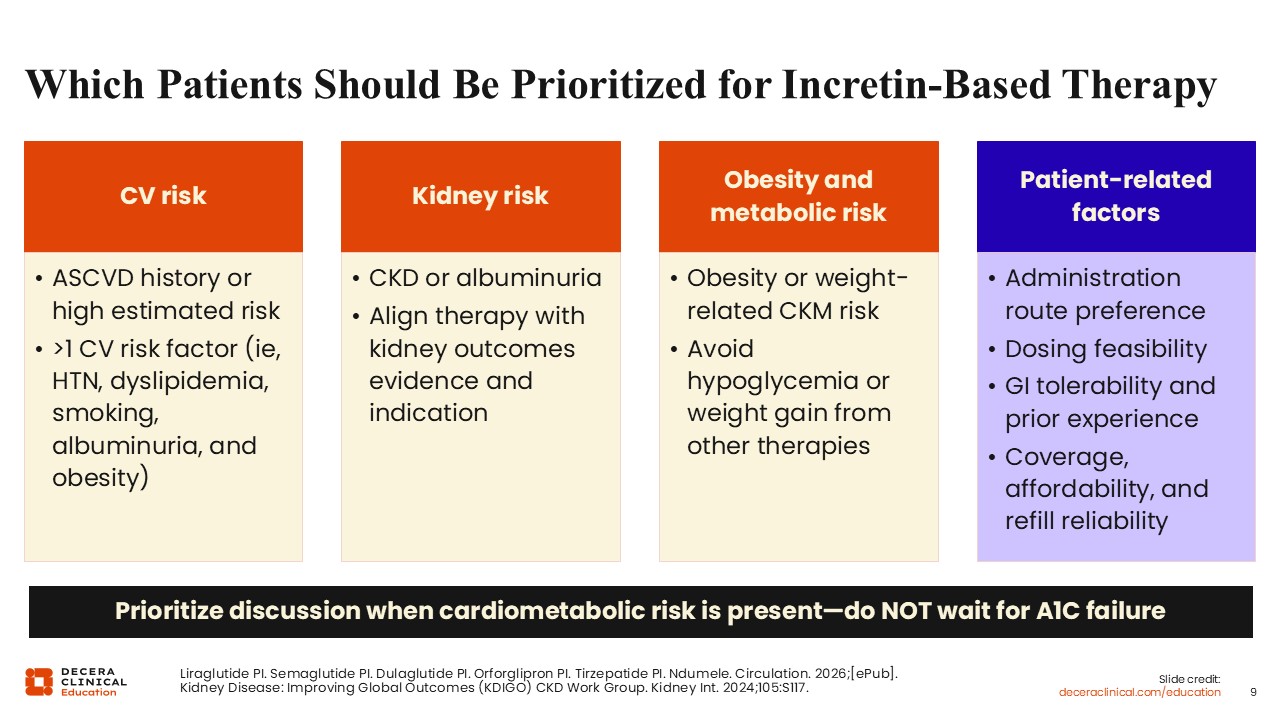
From Evidence to Action: A Primary Care Workflow
As previously mentioned, it is best practice to have and document the plan of attack for all patients. Furthermore, incretin-based therapy has been around for a long time, so there are plenty of efficacy and safety data available. This is a treatment strategy that I hope all primary care HCPs feel comfortable with starting and titrating according to the guidelines.
Before getting into any further details on incretin-based therapy, it is important to understand the primary care workflow in providing comprehensive T2D management.
The first step is to assess patients’ CKM risk. This requires HCPs to go beyond glucose measures alone and consider what other cardiometabolic risk factors are present. HCPs must assess patients’ weight, BMI, waist circumference, blood pressure, lipids, and current estimated ASCVD or heart failure risk. There are tools available that can help calculate these risks before patients develop CV conditions. Another important component of this assessment is kidney function. Do not forget about measuring patients’ eGFR and UACR, as these are important and often silent markers of kidney and CV risk. Although most primary care HCPs do a good job at addressing eGFR, we can all do better with UACR in our patients with T2D and/or hypertension.
When assessing patients’ risk, it is also helpful to have a clear sense of their overall health goals and challenges. This enables HCPs to better develop a plan for success, ensuring patients can access and persist on their therapy.
The next step is to ensure you are taking an individualized approach to treatment planning. This requires HCPs to match patients’ clinical picture with evidence-based guidelines and to implement guideline-directed medical therapy (GDMT) as indicated. This approach maximizes the potential benefit patients should get with treatment, while addressing CKM syndrome staging and progression as early as possible. This also makes conversations with patients about treatment selection much more mutually agreeable. I ensure I get patients’ buy-in, which is why I share the reasons for choosing or recommending the specific therapy we are discussing.
HCPs should also have a plan in place for initiating therapy, including any relevant guardrails for patients. That might mean training patients on self-injections if an injectable therapy is chosen and they have not done this before. HCPs can provide the first injection in their office and set expectations with patients at the same time. I have found that letting patients know about the potential adverse events (AEs) and sharing how they can mitigate them is a good strategy. Most AEs with incretin-based therapy are mild or temporary, and some can even be mitigated with lifestyle modifications.
Getting patients started on these therapies is certainly the most important step once HCPs have their buy-in. Although we no longer “start low and go slow” with older T2D therapies, this strategy remains optimal with incretin-based therapy. At initiation, HCPs should also ensure patients understand they will need to take these therapies lifelong to reduce their long-term risk. Therefore, consistent patient engagement and sustained treatment are critical factors. It is worthwhile to have multiple touchpoints when initiating or titrating therapy. This does not have to be a face-to-face visit; it can be done via telemedicine or by touching base with a team member who is more consistently in contact with patients. This is vital for addressing persistent or concerning GI-related AEs, in particular, because HCPs will need to triage patients and address their concerns.
Because patients must take these therapies long term, HCPs should always ensure they are tolerating each dose before titrating. I actually allow my patients to guide the titration process; I will ask them to tell me when they feel good enough to move to the next dose. This has been a good strategy for me in my practice because my patients know they have control and do not have to adjust their dose if they do not feel good about it. In addition, I have found this reduces the need to stop or de-escalate therapy.
Incretin-based therapies are also incredibly potent. They do a good job at reducing glucose parameters and A1C on their own. If patients are on background insulin or sulfonylureas, you can proactively de-escalate those therapies or stop them altogether. This is important both for safety and in terms of consolidating treatment. Incretin-based therapy offers proven efficacy and the opportunity to reduce patients’ treatment burden.
In addition, I make a point to patients that these therapies are not like antibiotics. They are not a temporary solution because we are treating chronic and sometimes progressive conditions. A key talking point here is that incretin-based therapy helps us stay ahead of these conditions before they progress and become serious. It is critical that patients understand this.
If patients are having trouble with their treatment after initiation, they should know that their HCP is available to support them. Sometimes that means implementing additional lifestyle modifications along the way, especially when any unhealthy habits sneak back in. I find that I often have to remind patients that they are on a therapy that can affect their appetite and satiety during the holiday season. And I know we can have a successful holiday season if I work with them within the parameters of their treatment and planned activities.
Similarly, it is important that HCPs do not feel restricted regarding treatment selection. Symptoms tend to differ across the board, even though the class itself is associated with specific AEs. If patients do not tolerate 1 therapy, HCPs should not avoid the entire class altogether. Instead, they should consider another incretin-based therapy as an alternative option.5,7
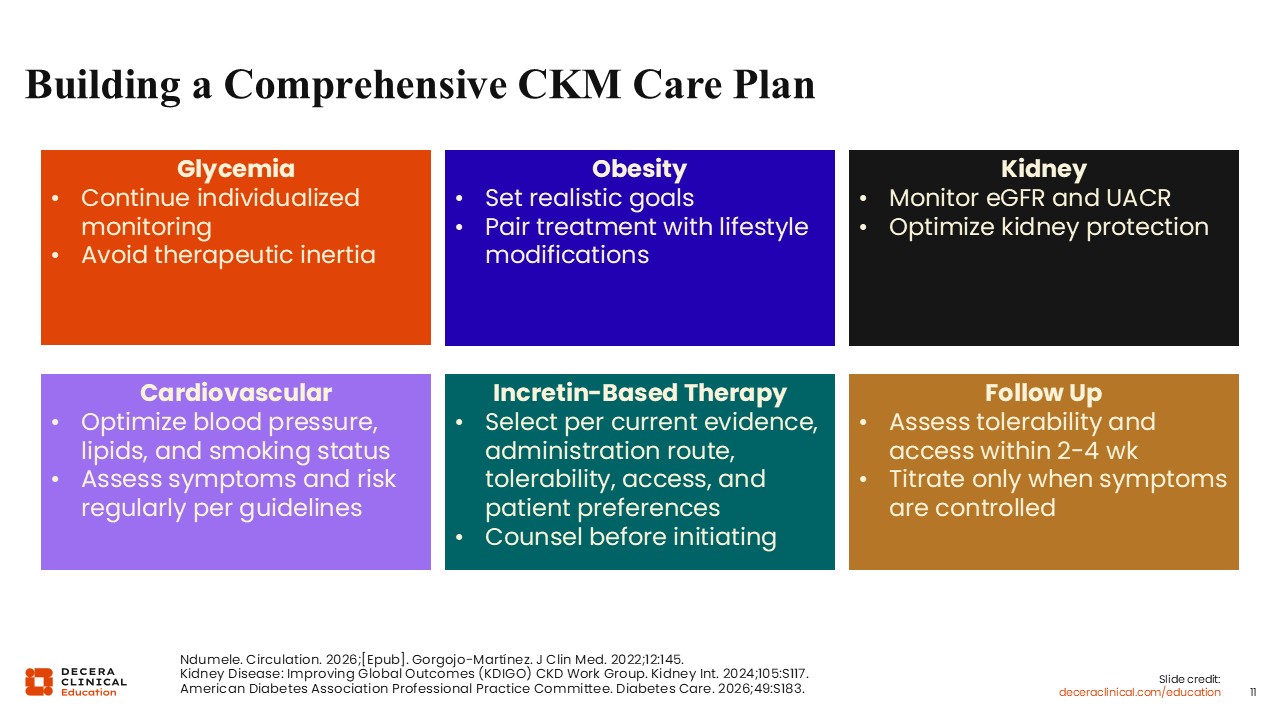
Building a Comprehensive CKM Care Plan
It can be overwhelming for patients when they hear that they have multiple “problems” or conditions, especially when they were only expecting to discuss their T2D care. Therefore, HCPs should be clear about patients’ risks and comorbidities and take advantage of the opportunity to address several of those with a single treatment plan.
Although not all T2D therapies overlap with other conditions, many therapies for CKM syndrome overlap with CKM health. Taking advantage of these overlapping benefits can help patients feel confident in their care and reduce their treatment burden. Remember, HCPs should not only be looking at glycemic management; they should stay ahead of patients’ potential CKM risk with continued monitoring and shared A1C/overall health goals. For example, managing patients with T2D and hypertension may include helping them self-monitor their blood pressure, read results correctly, understand that additional medicines are not necessarily required, and current treatments doses or combinations can be adjusted as needed.
When looking at T2D and obesity management, HCPs must recognize obesity as a chronic medical condition and understand that many patients have already tried different weight loss strategies that did not or no longer work for them. That means HCPs must help patients set realistic, multistage goals where they will be able to see success at multiple steps throughout their treatment journey. Although I might want patients to achieve 5% to 10% weight loss in total, I will start them off with a 2% goal. If they reach that goal within the first month or so, they will see success early and might be more motivated to continue on to their intermediate and long-term goals. Of course, like any other chronic disease, HCPs must ensure whatever changes patients are making can be sustained for a long time.
In terms of kidney function and CKD, HCPs should screen eGFR and UACR at least annually in patients with T2D. Patients should also know that there are multiple treatment options available for kidney protection. I often tell my patients that we might start with an ACE inhibitor or ARB, but we can add other therapies like a sodium-glucose cotransporter-2 inhibitor, GLP-1 receptor agonist, or nonsteroidal MRA as indicated. Regardless of the treatment plan chosen, HCPs should continue monitoring patients’ kidney function by repeating eGFR and UACR every 3 months.
All the comorbidities discussed are also risk factors for developing CVD, which is a leading cause of death for many patients with T2D and CKM syndrome. Therefore, it is imperative that patients have a care plan mapped out that explicitly states their individualized A1C, blood pressure, and LDL-C goals. This can be in the form of a checklist or handout; regardless, I like to use a physical “map” where patients can see what we have achieved and what risks persist. I also tell patients that we can address their goals 1 at a time if they feel overwhelmed at any point.
Out of all these risk factors, incretin-based therapy truly is a nice, central pillar for treatment planning in T2D management because it has proven efficacy in addressing CKM complications, especially CV risk.
Finally, follow-up is key. HCPs should assess patients via frequent touchpoints based on their treatment plan. I always want to know if patients are feeling in control and ready to move forward when needed.5-8
Poll 3 Course Correction
Patients often ask their HCPs, "Why am I taking this medicine? Isn’t this just another medicine for my diabetes?" This is why patients should fully understand their treatment plan. In the patient case, we want the patient to know that adding an incretin-based therapy addresses multiple CKM risk factors, including T2D. Although in the past we only had therapies that lowered glucose, these new options further improve GDMT optimization across the board. Incretin-based therapy has the potential to improve the patient’s T2D, weight, kidney function, and CV health. Emerging evidence also shows that these therapies potentially improve liver health in some cases.9 They are safe to use chronically and can help the patient achieve each of his agreed-upon goals.
That said, patients also need to know what they can measure to see success, and that it will be individualized based on their risk profile.5,7
Shared Decision-making: What Primary Care Can Say
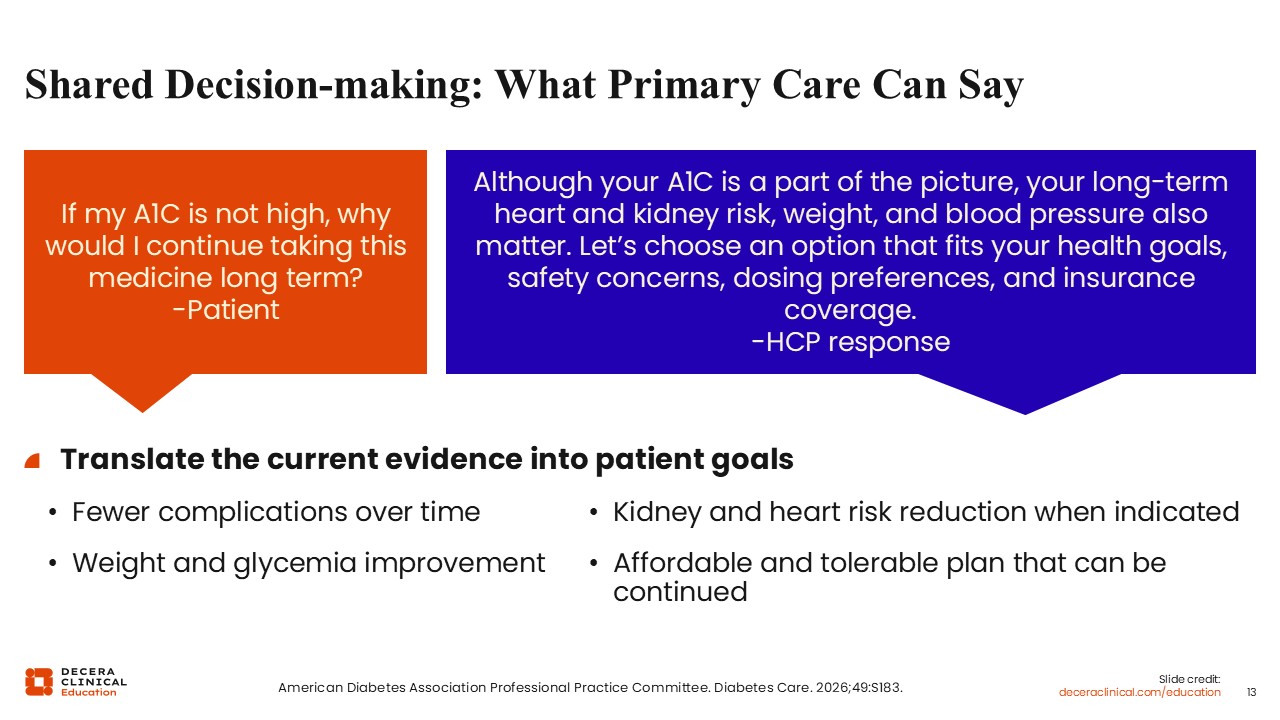
Shared decision-making is a strategy that HCPs use every day in the primary care setting that can help us better support our patients.
A lot of this comes into play as you start adding preventive therapy to patients’ treatment plans. They might ask, "If my A1C is not high, why do I need to continue taking this medication?" Here, HCPs must help patients recognize that even though glucose is an important factor, the intended treatment addresses their overall CKM risk and requires looking at a bigger picture: their heart, kidneys, metabolic health, and liver.
Being able to provide options with multiple benefits that also align with GDMT is always going to be good for patients. Once they are engaged, you should ask, "Is this something you feel good about? Is it covered for you as far as accessibility and affordability?" By asking these questions, HCPs are providing good medical care as well as helping patients stay engaged, participate in their care, and adhere to their therapy in the long term. That is why it is necessary to have several touchpoints in follow-up. Patients can see their improvement early, and we can make adjustments as needed if they experience any toxicities or have problems with their health insurance coverage.5,7
Supporting Persistence and Adherence With GI Tolerability
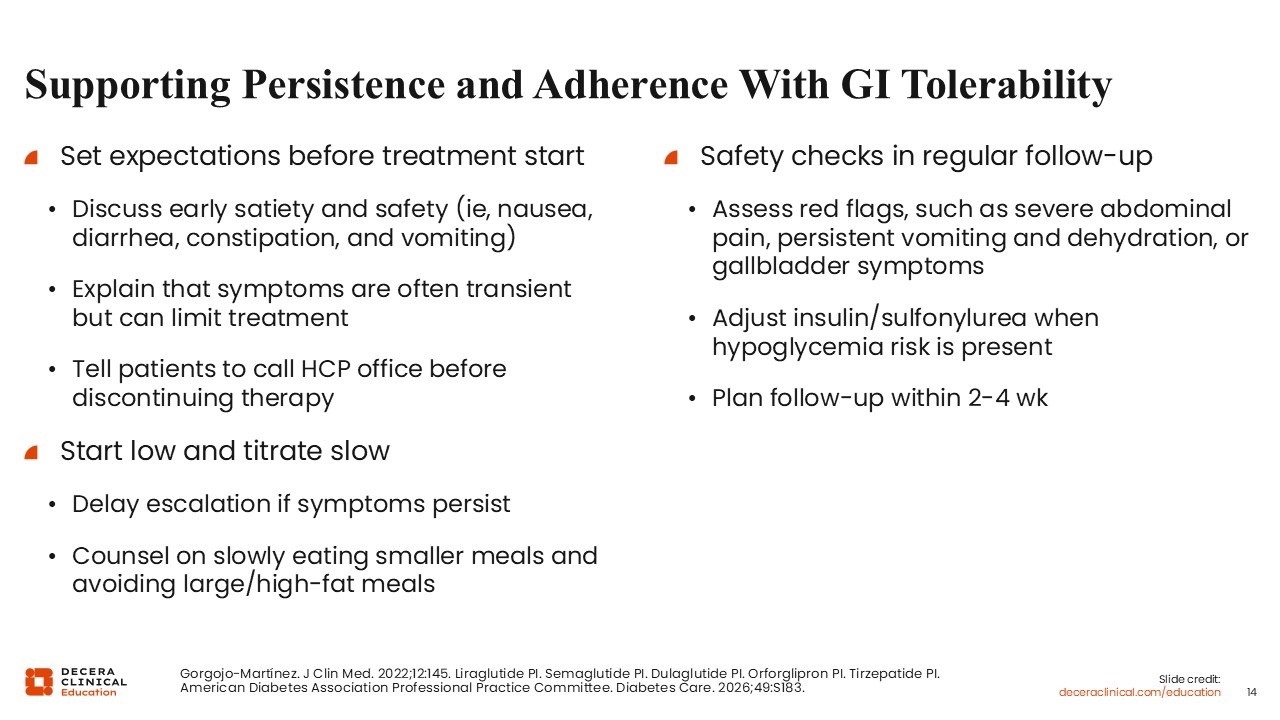
To effectively integrate incretin-based therapy in your practice, you must understand the importance of GI tolerability. AEs occur relatively frequently with these therapies and can be mitigated. I find it helpful to tell patients who are starting these therapies that it is going to reboot them to their normal satiety. Most people eat their meals way too fast and never get to feel their normal satiety signals. So I tell my patients to walk away for 20 minutes after eating a portion of their meal. They might feel satiated during that time even though they did not eat very much of the meal. Incretin-based therapy also has the potential to amplify satiety signals, which might take away patients’ appetite. If this treatment strategy offers simple suppression of appetite and food noise/cravings, it will work great for them. But if patients cannot eat anything at all, then incretin-based therapy might be too strong of a treatment approach.
These therapies can also induce some upper GI symptoms, such as nausea, dyspepsia, and vomiting. If symptoms are mild, there are ways patients can adjust their food intake to minimize them. If symptoms are severe, HCPs should talk to patients about whether this treatment is a good fit for them. There are also lower GI symptoms like constipation or diarrhea. Certainly, we do not want patients to experience any of these symptoms. If they have constipation, HCPs must discuss strategies that can minimize it. Diarrhea, while infrequent, is a symptom that can be severe and give reason for stopping therapy. If it persists, I often switch patients’ therapy altogether.
Although GI AEs are common, patients can mitigate them by eating part of their meal and waiting 15-20 minutes before finishing it. HCPs should also counsel patients on avoiding trigger meals that are high in fat, including greasy foods and those that are typically eaten at celebrations. Patients really need to be mindful of this. I often say that Thanksgiving dinner is not a great meal to eat while on an incretin-based therapy, unless you are mindful about the above factors.
Most GI AEs will resolve over 4-6 weeks, but I often touch base with patients if their AEs are worse. I tell them that they can call me any time to discuss changing or switching therapy, and I generally follow up with them in person every 3-4 weeks. I have found that being upfront about the safety concerns of incretin-based therapy and providing ways to address these helps my patients more. In follow-up, they often say, "Actually, I feel really good. I thought I might not feel good, but I am actually feeling better. I really did not have any symptoms," and that sets them up for success. GI AEs can also occur every time a dose is titrated. To combat this, I generally remind patients about the importance of eating smaller meals, avoiding high-fat and greasy foods, and eating a healthy diet.
Some rarer AEs can occur with incretin-based therapy. Because of rapid weight loss induced by these therapies, sometimes patients can see exacerbations of gallbladder abnormalities. Although there is no direct contraindication, there is an association with acute pancreatitis. If patients experience severe pain, any pain that goes straight to their back, or horrible nausea or vomiting, this might be a manifestation of one of the unusual and rarer conditions associated with these therapies. Patients should stop their therapy and seek care right away, and I also tell them to call me immediately.1-4,8,10
As a final note, HCPs must make room for these therapies when adding them to T2D treatment plans. That may mean reducing insulin to avoid hypoglycemia risk or stopping sulfonylureas or DPP-4 inhibitors. Then have those touchpoints with patients to ensure they are doing well and tolerating their treatment.7
Troubleshooting Tolerability
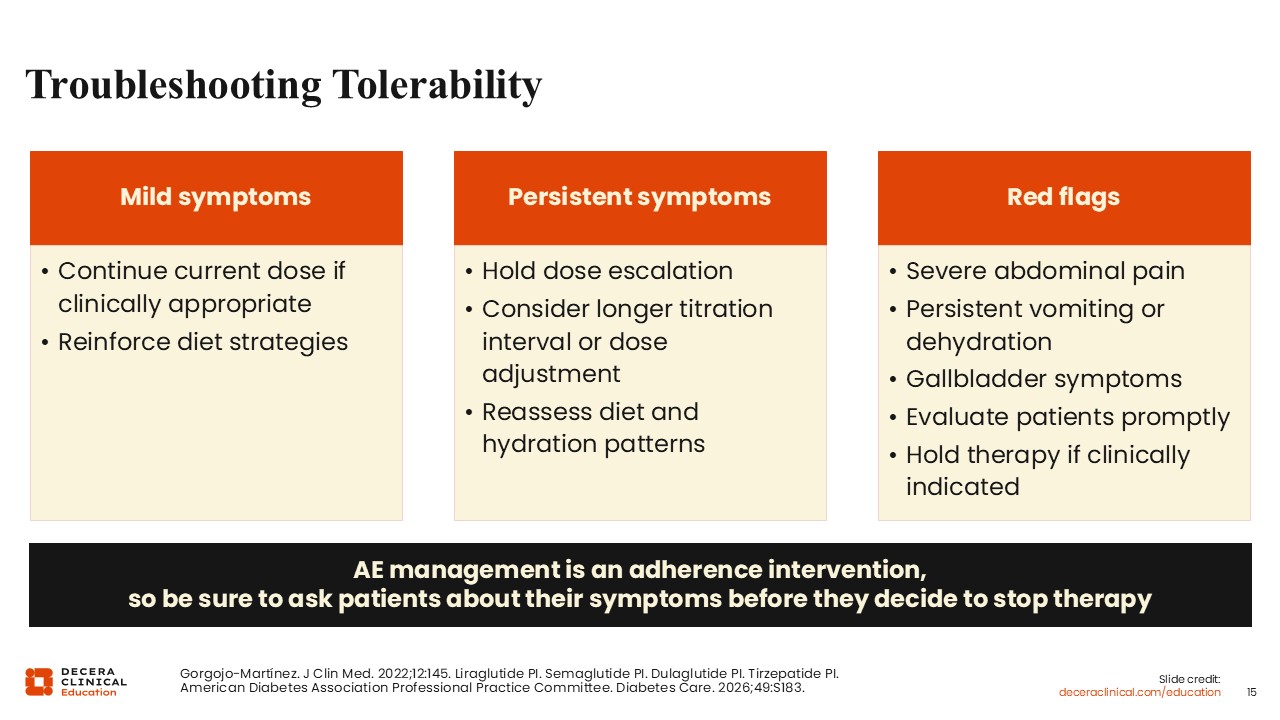
What I want to highlight here is that most patients with mild GI symptoms can continue their incretin-based therapy. This also presents a good time to reinforce the strategies that helped patients be successful as they initiated and titrated therapy. If any symptoms are persistent, HCPs should seek to understand how bothersome they are. Are there factors that can be addressed to mitigate the toxicities? If there are things that cannot be addressed and symptoms persist, I will hold any dose escalation plans until they resolve. This strategy helps most of my patients. However, if they are unhappy with that, I will ask them if they want to take a step back. We can easily do that and see how they feel at their next visit. This lets me re-establish therapy and titrate more slowly. Regardless, I want patients to know that they have a large say in how we move forward with their care.
Of course, there are red flags. If these come up, HCPs should tell patients to stop the therapy and seek medical care immediately. Then you can decide if the serious AE is related to the therapy and should be continued.1-4,8,10
In the primary care setting, HPCs manage chronic diseases all the time, and these types of concerns are not uncommon for us. However, because the titration schedule can be relatively slow, it is important to double back to the lifestyle modifications and other guidance that can help patients manage their AEs and see long-term success.
Supporting Long-term Persistence and Adherence
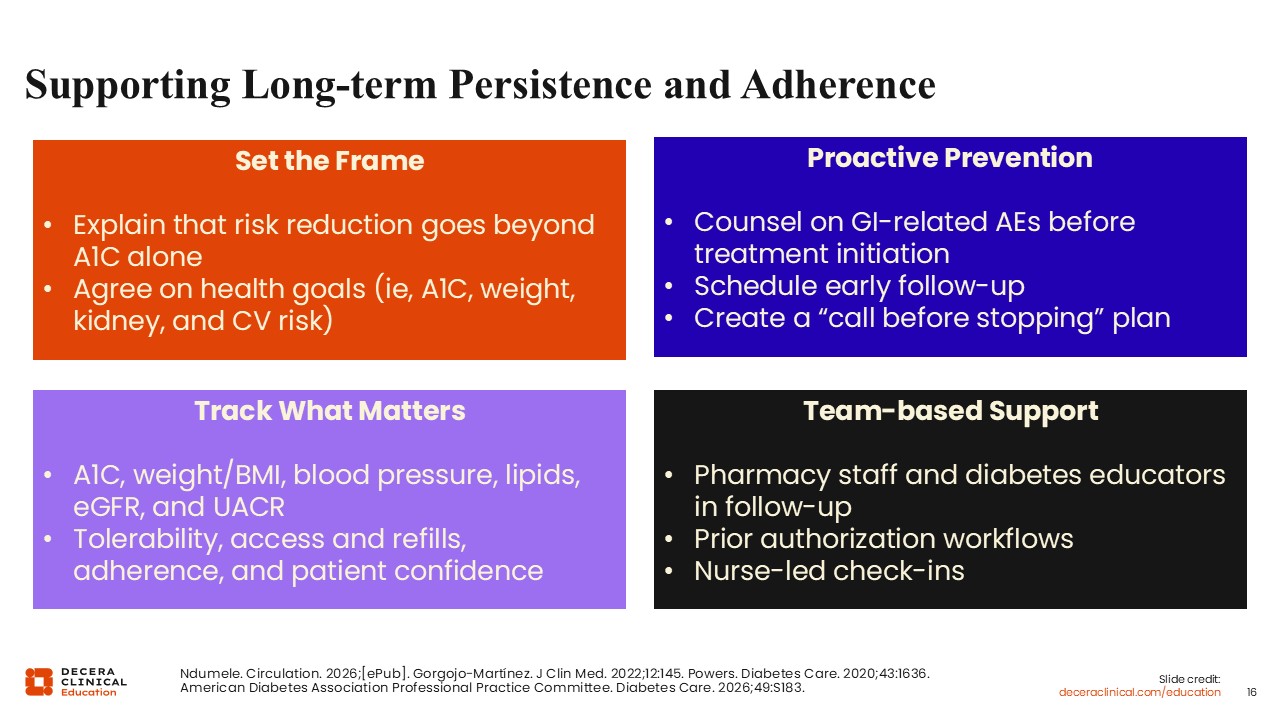
In supporting long-term persistence, having a plan laid out in advance is beneficial. This plan should explicitly address any relevant CKM risk factors alongside patients’ individualized A1C goal. It also should be developed with the patient and maximize the benefits of consolidated treatment with incretin-based therapy to address all health concerns. Part of that plan includes your monitoring strategy. Although it is hard to measure CV risk reduction right away, there are a lot of intermediate things that HCPs can use to measure this benefit. Then in your touchpoints with patients, you can show them the benefits they are receiving from therapy, whether that be a change in A1C, weight, BMI, waist circumference, blood pressure, lipids, eGFR, or UACR.
Patients should also understand that we are adding incretin-based therapy to their treatment plan to reduce their disease burden. That means discussing the dosing frequency and potential AEs, while also ensuring they have a clear plan on treatment escalation and know the flags that indicate de-escalation or cessation is necessary. We want our patients to feel good. Maybe they are doing well on a therapy but start to have symptoms 6 months later. In these cases, do not forget to touch base about lifestyle modifications and ensure old habits are not contributing to their symptoms.5-8
You are not alone in primary care. If this is new for you, there are teams and other HCPs that can help you support your patients. These might be pharmacists, nurses, or diabetes educators and care specialists. Even community health workers, lay leaders, and family members can help support your patients’ T2D and CKM risk management.
Finally, I find that some of the more restrictive health insurance companies prefer it when I put the diagnosis code in the sig for the prescription. That makes it easier for both the pharmacy and prior authorization process to get the therapy covered. HCPs must be mindful when writing prescriptions for incretin-based therapy. Many come in multiple versions, and the insurance company will likely cover the one that has the indication that matches the diagnosis. I suggest making a cheat sheet that lays out each version and its approved indications.
Poll 4 Course Correction
We want the patient to be successful and in control. That means counseling him on proper meal size and potentially eating half of a meal and letting his body tell him how he feels before finishing it.
Knowing that AEs are generally temporary and resolve with time, we also want the patient to feel confident. This is just a small bump in the road that he can get over. We also should remind him of those red flags. That is to say, "Look, if you have any of these other more severe symptoms, please stop the medication and call me immediately."5,7,8
When to Refer or Comanage via Multidisciplinary Care
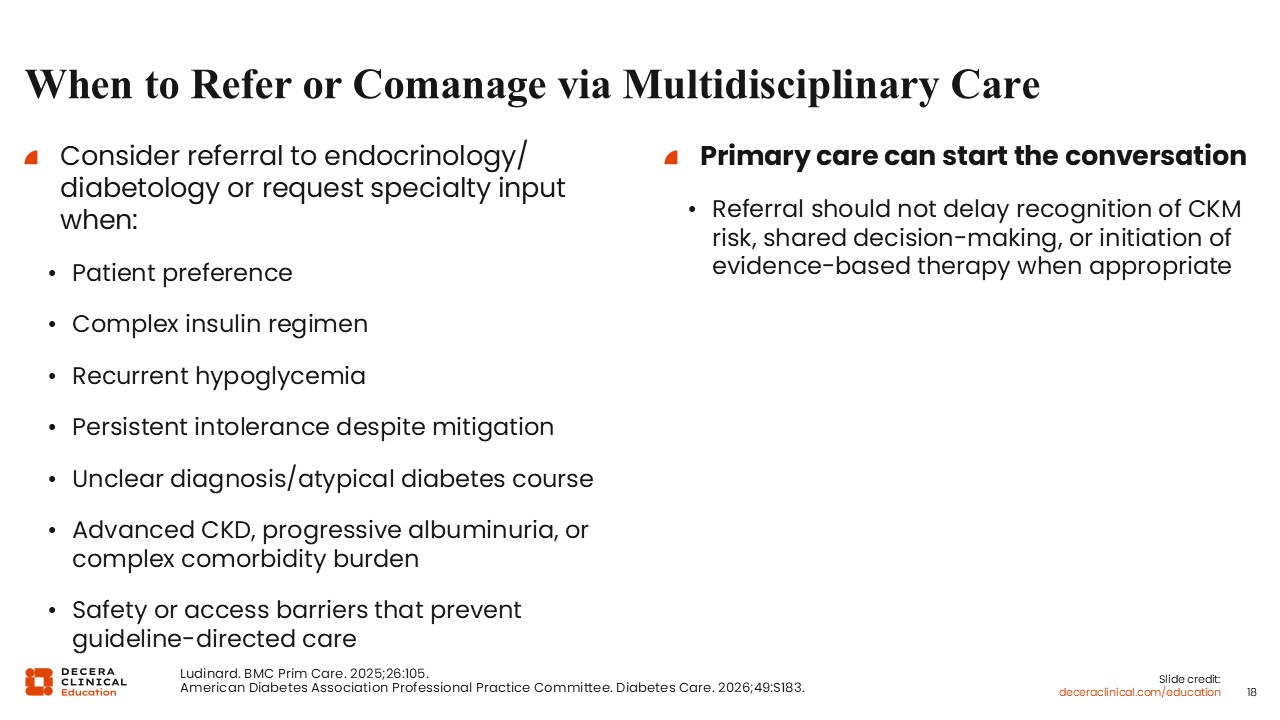
I believe that most primary care HCPs should determine the limits of their practice. For most patients, the primary care setting is an excellent place to focus on T2D and CKM risk management. I know primary care HCPs can manage these conditions well, especially in their earlier stages. However, you should consider referrals to endocrinology and diabetology whenever you get to a regimen that you are uncomfortable with or have questions about. Certainly, referrals can be made when there are concerns about complex management issues and unpredictable hyperglycemia or lab abnormalities that do not match your expectations. If patients are not responding as expected, develop advanced CKD with progressive albuminuria, are unable to get their blood pressure under control, or have other complications, these are all reasons to refer to a specialist.
Other times, patient preferences will drive referral timing. Now this is not a negative statement against primary care; I just want my primary care colleagues to know that they are not alone. There are other specialties available that can help you with complex patient cases. As primary care HCPs, you can drive when referrals happen and what you want them to do.
Once a referral is made, you should not simply hand off that patient and their care. There might be ongoing work on CV risk reduction and weight management that is important and needs to be done in the primary care setting. No matter where patients are at, primary care plays a central role in their care.7,11
Patient Case Resolution: 58-Yr-Old Man With T2D, HTN, Obesity, and Early CKD
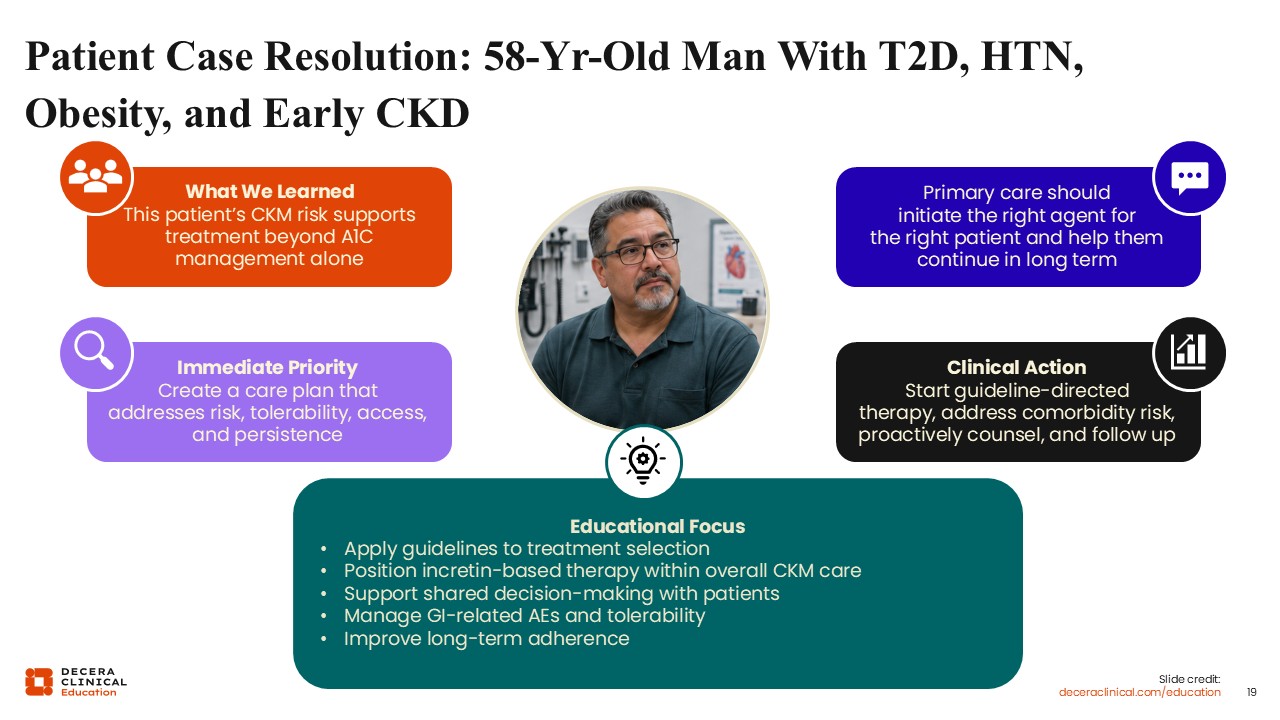
Let us put this all together for our patient case. Again, the patient has T2D and evidence of multiple comorbidities within CKM syndrome (ie, obesity, hypertension, dyslipidemia, and early CKD). He should understand that our intentions are to proactively get ahead of his conditions even though he feels relatively good right now. In doing so, we need to create a plan that will allow him to stay healthy and reduce disease progression, including for CKM syndrome.
In the primary care setting, we can handle the great majority of this. We have the necessary tools at our disposal and can start GDMT that addresses his risks. However, we will have to work with the patient closely and encourage him to adhere to lifestyle modifications alongside treatment. Then we should establish a follow-up plan to ensure he is doing well, feeling well, and staying engaged in his care.
Here, the plan is multimodal. But we also want to ensure it is manageable and accessible. With that, we can ensure the patient sees long-term success.
Poll 5 Course Correction
It is important to recognize that incretin-based therapy is not a short-term intervention. These are used as long-term management strategies. Therefore, we can add things to our monitoring plan that will show the patient is achieving success. We can measure his A1C, weight, waist circumference, blood pressure, and kidney markers like eGFR and UACR to show those improvements. This can help him feel good and potentially motivate him further to continue treatment.
Of note, sometimes we can track these improvements as often as every 3 months in CKM syndrome. But other benefits, such as weight loss and CV risk reduction, can take a long time to establish clinically meaningful change. To keep patients from setting unrealistic goals, HCPs should make this point clear and help patients establish goals for which they will see benefit in follow-up.5,7
Key Takeaways
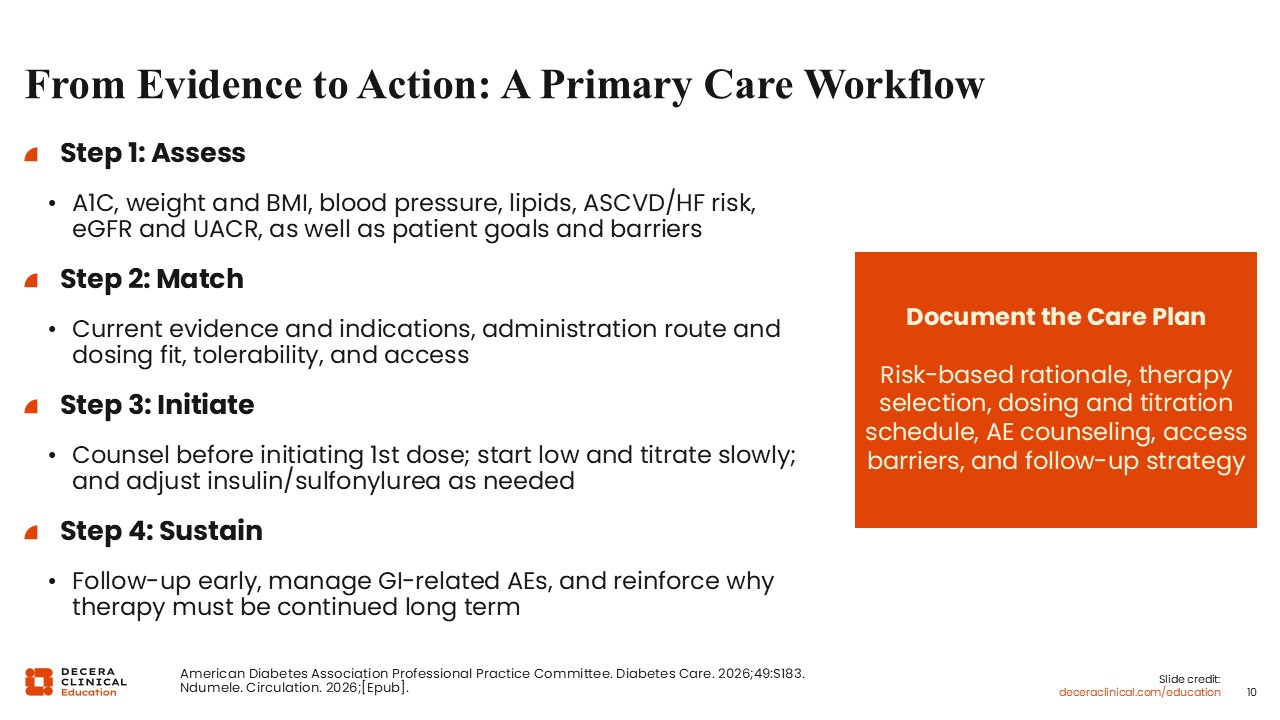
We are at a place now where primary care HCPs must prioritize CKM risk assessment and management, not just T2D care. That means looking at the potential benefits of proven therapies and prescribing them as indicated. This is a key pillar of CKM care. In an ideal setting, treatment would address any of the concerns identified after CKM risk assessment and work well alongside lifestyle modifications.
All of this should be done with patient engagement. Shared decision-making is crucial when matching the right therapy to patients’ clinical profile, including their CKM and larger health goals. Furthermore, HCPs should help patients choose the therapy that they can administer, tolerate, access, and afford.
When prescribing incretin-based therapy, HCPs and patients must anticipate GI AEs and have a plan in place to address these as they present. Allow patients to drive titration, as well, so they can maintain a good therapeutic dose for the long haul. Follow-up is necessary and allows HCPs to have touchpoints and exit strategies in place for any patients who experience serious toxicities.
Ultimately, the best therapy is the one that patients feel good about and can access, afford, and tolerate. Those who engaged with their HCPs and have a detailed plan in place are going to be the most successful.