Ask AI

FAQs: Immunotherapy for Nonmelanoma Skin Cancer

Clinical Thought
Clinical Thought Start Activity

Released: November 13, 2026

See Activity Collection

The personalized care of patients with basal cell carcinoma (BCC) and cutaneous squamous cell carcinoma (CSCC) requires assessment of tumor risk, cumulative surgical morbidity, comorbidities, and patient preferences when considering immunotherapy as an alternative or adjunct to surgical therapy. In this commentary, an expert addresses questions about multidisciplinary treatment selection, clinical and histopathologic response assessment, considerations for treatment duration and discontinuation, management of immune-related adverse events, and patient-centered considerations related to treatment burden, quality of life, and cosmetic outcomes in BCC and CSCC.

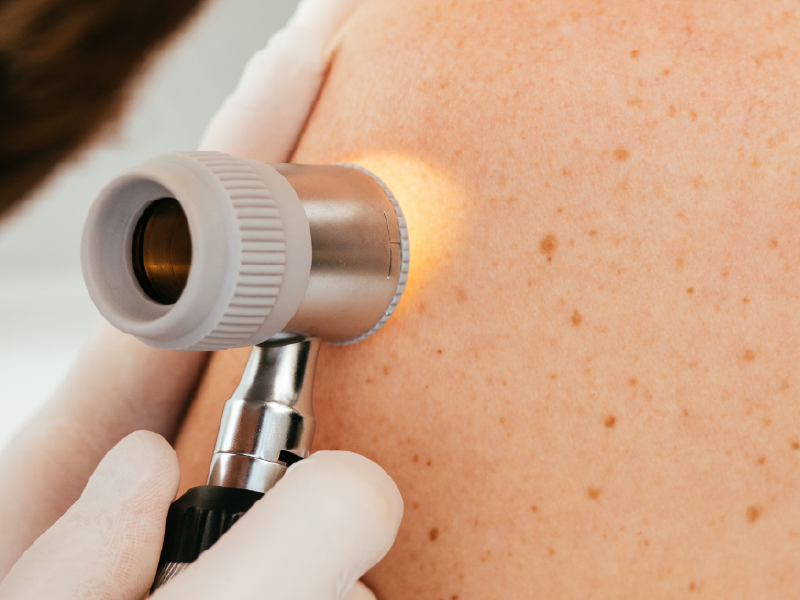
ICIs in BCC and CSCC

In this commentary, Kevin S. Emerick, MD, addresses key questions posed by the audience during a series of workshops in an education curriculum titled “Immune Checkpoint Inhibitors in BCC and CSCC: Aligning Clinical Practice With Best Practices and Guidelines”.

How do cumulative surgical morbidity and quality‑of‑life (QoL) concerns factor into the decision to use systemic therapy? 
The decision to use systemic therapy rather than surgery for nonmelanoma skin cancer should consider cumulative surgical morbidity, comorbidities, and QoL priorities. The benefits and risks of surgery compared with a short or long course of immune checkpoint inhibitor (ICI) therapy should be carefully weighed, and the treatment decision should be based on the specific clinical scenario. Although surgery remains the standard treatment for early-stage resectable tumors, the expanding role of ICIs, particularly in the neoadjuvant setting, provides an alternative for selected patients with more advanced-stage disease. Treatment decisions should be individualized through multidisciplinary discussion and shared decision-making, weighing the likelihood of complete tumor clearance against the potential for immune-related adverse events. Patient age, preexisting comorbidities, tumor risk, surgical complexity, and prior surgical burden are important considerations. The ongoing phase III CLEAR-CSCC trial is evaluating low-dose intralesional cemiplimab vs surgery for patients with early-stage invasive cutaneous squamous cell carcinoma (CSCC) (NCT06585410). Such approaches may offer a localized and safer treatment option for select patients with early-stage tumors, particularly those experiencing surgical fatigue or who have cumulative surgical morbidity. For patients with high-risk nonmelanoma skin cancer who have undergone numerous surgical procedures, exploring nonsurgical treatment modalities is important. 

How should dermatologists counsel patients regarding the role of systemic immunotherapy as an alternative or adjunct to surgery for the management of nonmelanoma skin cancers, particularly when patients initially expect surgical intervention to be the primary treatment approach?
Surgery remains the standard definitive and most likely curative treatment for early-stage nonmelanoma skin cancers; however, systemic immunotherapy represents an important alternative or complementary approach in patients with more advanced-stage disease. Dermatologists should explain that immunotherapy may be considered in several situations, such as when achieving complete surgical resection with negative margins may be difficult, when surgery would result in significant functional impairment or disfigurement, or when the extent of surgery would impose substantial morbidity. In addition, some patients with multiple recurrent skin cancers who have undergone numerous surgical procedures may be more receptive to a nonsurgical treatment approach. It is also important to distinguish ICIs from conventional chemotherapy. These agents work by harnessing and activating the patient's own immune system to recognize and eliminate the cancer cells. Explaining this distinct mechanism of action can help patients better understand the rationale for using systemic therapy. It is important that patients are educated to recognize that the available treatment options for nonmelanoma skin cancers extend beyond surgery, making them more receptive to considering immunotherapy as part of their overall cancer management.

What early clinical and histopathologic changes in the primary cutaneous lesion may indicate a response to ICI therapy during the initial weeks of treatment?
During the first several weeks to months of ICI therapy, patients may demonstrate progressive clinical regression of the primary cutaneous lesion, characterized by tumor flattening, reduction in lesion borders, decreased drainage and crusting, and the reappearance of healthy surrounding skin. These changes will not occur overnight. Many patients who experience pain before treatment will note improvement in their pain symptoms. Occasionally, patients may experience a sudden increase in pain before improvement. Patients with underlying nerve involvement causing focal weakness or numbness may also note improvement in these nerve symptoms.

Although visible tumor regression is encouraging, the degree of clinical response observed can vary, and some patients may not exhibit obvious changes. In such cases, scouting biopsies can be performed for primary lesions. These biopsies can provide additional evidence of treatment response by demonstrating the absence of residual viable tumor cells despite limited visible changes. These clinical and histopathologic findings help assess treatment response and provide patients with tangible evidence of therapeutic benefit. In patients with regional lymph node involvement, treatment response is most commonly detected by a reduction in palpable lymphadenopathy. In some cases, however, this is only detected by imaging.

What is the optimal duration of ICI therapy for patients with advanced basal cell carcinoma (BCC) or CSCC who achieve clinical response, and which clinical and disease-related factors guide decisions regarding treatment discontinuation?
Clinical trials of ICIs in advanced BCC and CSCC have generally utilized treatment durations of up to 2 years. However, the optimal duration of therapy remains undefined, particularly in patients who achieve a complete response. In my clinical practice, I have discontinued ICI therapy after 2 cycles of treatment for patients who achieved a robust response. Tumor regression continued to a complete response and sustained a complete response without any evidence of residual disease.

Determining when to stop therapy may be guided by histopathologic confirmation obtained through scouting biopsies of cutaneous lesions, limited resection of remaining abnormal tissue, or selective lymph node resection such as an index node excision. Imaging, including CT, MRI, or metabolic imaging, such as PET scanning, can be helpful for patients with locally advanced and metastatic disease. A minimum treatment duration of approximately 1 year may be considered, although evolving data suggest that patients may not benefit from more than a few cycles of therapy. The decision to stop treatment should be individualized based on treatment response, disease burden, and patient-specific factors and goals. The optimal approach is to review the patient's case in a multidisciplinary tumor board to guide these decisions. Of importance, the potential for the development of serious immune-related adverse events, which may occur at any point during treatment, further supports consideration of treatment de-escalation, especially for patients with an excellent and durable or sustained response.

What factors do you consider when deciding which approved ICI you will recommend for your patients with advanced CSCC?
All 3 ICIs, cemiplimab, pembrolizumab, and cosibelimab, are reasonable treatment options for patients with advanced CSCC. In the absence of direct head-to-head comparisons in a clinical trial setting, differences in reported efficacy should be interpreted cautiously, as they may reflect variations in trial design, patient populations, and study settings rather than true differences in therapeutic efficacy. Similarly, differences in potential immune-related side effects should be noted but interpreted cautiously, as they too may reflect similar variations in trials. Treatment selection should therefore be individualized based on clinical considerations and patient preferences. A practical distinction is pembrolizumab's dosing flexibility, which includes administration every 3 or 6 weeks, as well as an available subcutaneous formulation. I have used all 3 and will continue to do so. Overall, all 3 ICIs are viable therapeutic options in clinical practice.

What are the primary challenges associated with ICI therapy, particularly regarding the management of treatment-related fatigue and other immune-related adverse events?
Treatment-related fatigue is often multifactorial and can be difficult to manage, underscoring the importance of individualized patient assessment, open communication, and provision of supportive care. Severe fatigue can be a sign of a more significant immune-related adverse event, and routine laboratory work, as well as thyroid-stimulating hormone and possibly cortisol levels, should be checked. An important consideration is determining the optimal duration of ICI therapy, particularly in the neoadjuvant and adjuvant settings. For example, the benefit of continued postoperative treatment in patients who have achieved a complete pathologic response following neoadjuvant immunotherapy, as well as the optimal duration of adjuvant therapy after resection of high-risk disease, remain important unanswered questions. Defining appropriate treatment duration may help minimize treatment-related fatigue, time burden, and financial toxicity without compromising treatment outcomes. Ultimately, optimizing therapeutic efficacy while reducing unnecessary treatment exposure should remain an important priority in improving QoL for patients in their long-term care.

What clinical features should raise concern that a seemingly routine maculopapular rash may represent a severe cutaneous adverse reaction to an ICI?
The assessment of a maculopapular rash for a potential severe cutaneous adverse reaction should focus on 2 key layers: the extent and severity of cutaneous involvement and the presence of systemic involvement. Clinical evaluation should include assessment of rash progression, distribution, severity, and impact on activities of daily living. Laboratory investigations, including a complete blood count and comprehensive metabolic panel, are important for identifying hematologic abnormalities and evidence of kidney or liver dysfunction. These evaluations may suggest a systemic drug hypersensitivity reaction, such as drug reaction with eosinophilia and systemic symptoms. The integration of factors such as cutaneous findings, systemic manifestations, laboratory abnormalities, and functional impairment into your thought process is essential to be able to distinguish an uncomplicated drug eruption from a potentially life-threatening cutaneous adverse reaction.

How quickly should glucocorticoid therapy be initiated for ICI-associated hypophysitis?
It is important to use clinical judgement with careful consideration for patient- and disease-specific factors. The patient’s clinical condition and severity of symptom presentation should guide the decision of whether to initiate glucocorticoid therapy for hypophysitis. For patients who are quite ill, hypotensive, and who seem to be dehydrated, hospital admission is required with immediate parenteral glucocorticoid administration. However, for clinically stable patients with suspected hypophysitis, outpatient oral therapy may be appropriate. Such patients may be given a prescription, and treatment can be picked up at the pharmacy and initiated within 24 hours following clinical assessment. Consultation with an endocrinologist may be considered when treatment uncertainty persists.

How do you counsel patients regarding concerns about postoperative scarring and the potential cosmetic impact of surgical treatment for nonmelanoma skin cancers?
A completely scar-free treatment option for skin cancer does not currently exist, as both surgical intervention and immunotherapy may result in residual scarring or dyspigmentation. Patient counseling should therefore emphasize realistic expectations and the primary goal of achieving optimal treatment outcomes while minimizing cosmetic morbidity. For patients with high-risk tumors, healthcare professionals can use evidence-based recommendations, including National Comprehensive Cancer Network guidelines, to explain the rationale for treatment selection and reinforce the importance of definitive cancer management. Setting realistic expectations regarding postoperative scarring is equally important. Patients should understand that some degree of scarring is unavoidable, but the goal of surgery is to achieve effective tumor clearance while minimizing visible cosmetic changes so that the scar is generally inconspicuous to others. In addition, numerous topical and laser options are available to help further minimize the impact of scarring and incisions. This approach can help to alleviate patient concerns, foster realistic expectations, and facilitate shared decision-making.

Your Thoughts
What questions do you have regarding measures of optimizing the use of ICI therapy for your patients with BCC and CSCC? Answer the polling question and join the conversation in the discussion box below.

Poll

1.

Which of the following clinical challenges do you prioritize when individualizing immunotherapy for patients with BCC or CSCC?

Submit