Ask AI

Shifting From Reactive HIV Care to Preventive HIV Care in Street Medicine

Clinical Thought
Clinical Thought Start Activity

Released: November 12, 2026

See Activity Collection

People experiencing homelessness or housing instability represent a key underserved population that is at elevated risk of HIV but less likely to receive pre-exposure prophylaxis. Can a small, volunteer-based street medicine organization successfully incorporate preventive care into its services, and what would it take to make that sustainable?

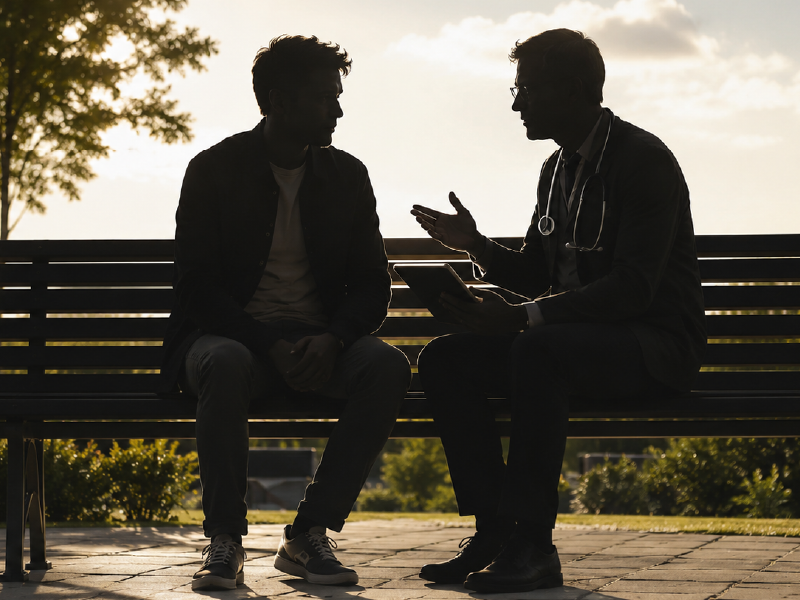
HIV PrEP in Street Medicine

Street medicine often begins with immediate needs. When someone is living outside, urgent medical and social concerns can take priority, and traditional preventive care can be difficult to deliver consistently. But the relationships built through repeated outreach may also create opportunities to bring prevention to people who are not accessing it elsewhere.

Through a new initiative focused on HIV pre-exposure prophylaxis (PrEP), we hope to explore whether we can begin shifting that approach. Can we incorporate prevention into street medicine, even with limited resources? And can what we learn help us offer other preventive services in the future?

Reaching People Who Fall Through the Cracks
Our organization, Street Health DC, provides trauma-informed medical street outreach, health education, and care navigation for people facing barriers to care in Washington, DC. We partner with established homeless outreach organizations, relying on their relationships and consistent presence to help build trust with patients, and when necessary, we help people navigate to appropriate clinical and community-based services.

We recently began offering HIV screening, and during one outreach session, while patients waited for test results, our family medicine resident spoke with them about PrEP. People were more engaged than we anticipated, asking questions and expressing interest.

However, we could only provide information about where to obtain PrEP. We have no process for accompanying patients to appointments or following up.

We are launching a new initiative to strengthen our ability to provide counseling and connect people to PrEP. First, our outreach team of volunteers will learn about PrEP from an experienced mentor organization. Then, we will develop best practices to systematically integrate PrEP discussions and provision into our outreach program. 

I hope that we’ll be able to formalize our patient navigation to bring HIV prevention to our clients. DC has high rates of HIV, and we serve people who may be at particularly high risk but are not accessing existing services. Our goal is to reach those who are falling through the cracks of all the other services.

Key Questions
As we embark on this new program, I have a lot of questions.

For example, we saw signs that our patients were interested the few times we talked about PrEP, but how intensive will our patient navigation need to be? How intensive will follow-up need to be? What is needed to really get people thinking about prevention? How many touchpoints will be needed, and what will be the keys to success? When someone is dealing with immediate concerns, preventing a condition that might develop in the future may not be on their radar.

Other questions revolve around capacity and collaboration. How much training will our volunteers need to have these conversations about PrEP with clients? What are the ways that we can build capacity by collaborating with other organizations, and what are the resources and education that they would need to address those? How many resources, how large a team, will it really take? And how can we share what we learn with other street medicine groups that are smaller or less resourced?

Even simple logistics become complicated on the street. We may see someone at 8 o’clock in the evening, when clinics are closed. How do we find that person the next day to accompany them to an appointment?

Our numbers may be relatively small, but reaching even a few people who otherwise would not access prevention would be meaningful.

Looking Beyond PrEP
My biggest hope is that this initiative helps us build infrastructure for preventive care beyond HIV. If we can build reliable systems for education, navigation, clinical linkage, and follow-up around PrEP, some of those same systems may eventually support other preventive services.

I do not know yet what will be feasible with our limited resources. But I hope we can begin shifting our mindset from assuming prevention is too challenging in street medicine to exploring what it would take to make it possible.

Ultimately, this program is about learning how we can move beyond responding to urgent needs and begin helping patients prevent future health problems.

Your Thoughts
How has your organization incorporated preventive care into street medicine or community outreach? What approaches have helped patients engage with preventive services, particularly when ongoing follow-up is challenging?