Ask AI
Hidradenitis suppurativa expert insights
Expert Insights in Hidradenitis Suppurativa: Answers to Your Most Asked Questions

Released: April 24, 2026

Activity

Progress
1
Course Completed
Key Takeaways
  • Patients with HS face significant delays in diagnosis (approximately 7-10 years), which can cause irreversible damage if left unmanaged.
  • Although the Hurley staging system and other tools are useful, HCPs should rely on patient-reported outcomes when determining disease severity and treatment needs.
  • For patients who have no response or a suboptimal response to adalimumab, measuring their drug level can inform if the dosage needs increased to see benefit.

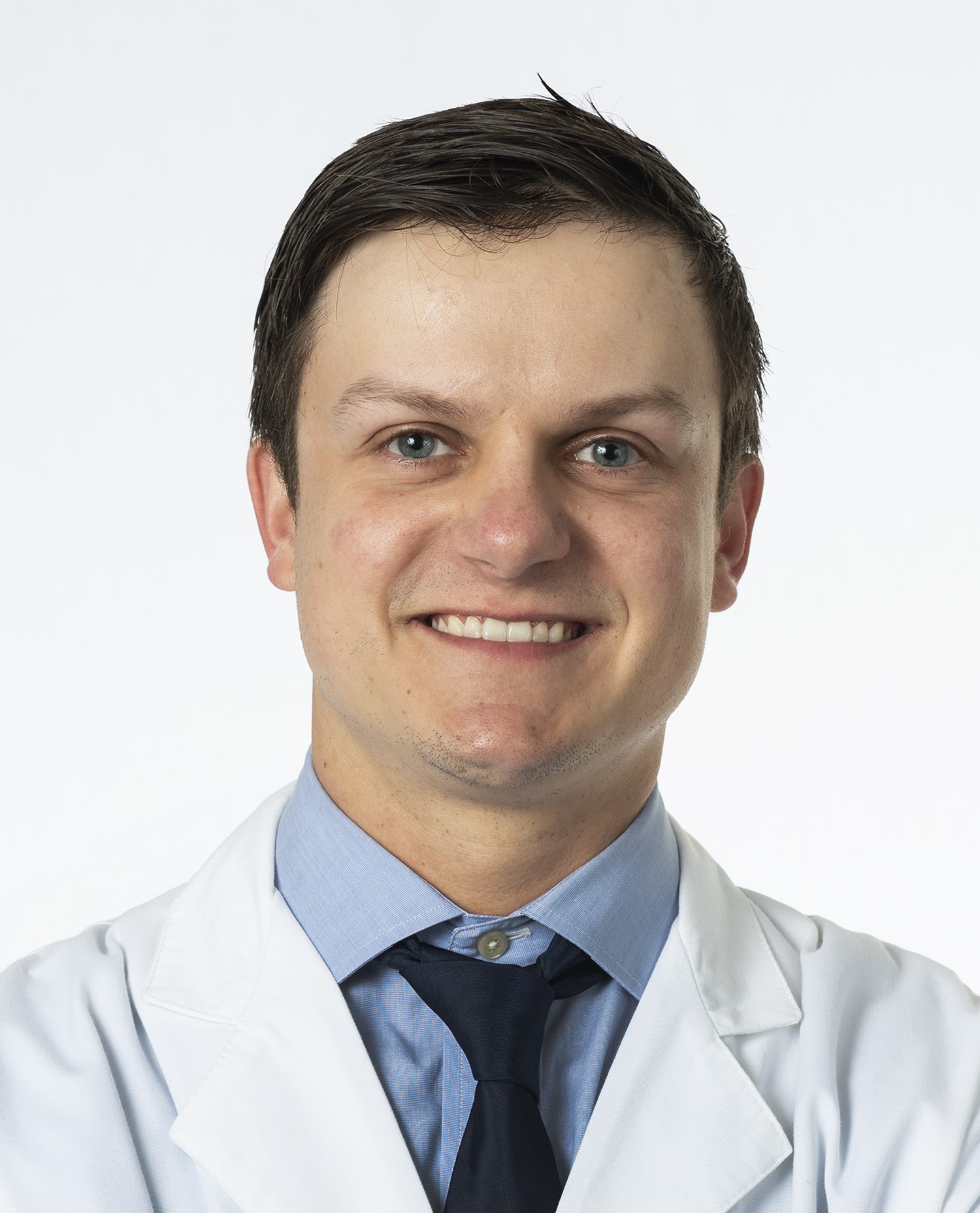
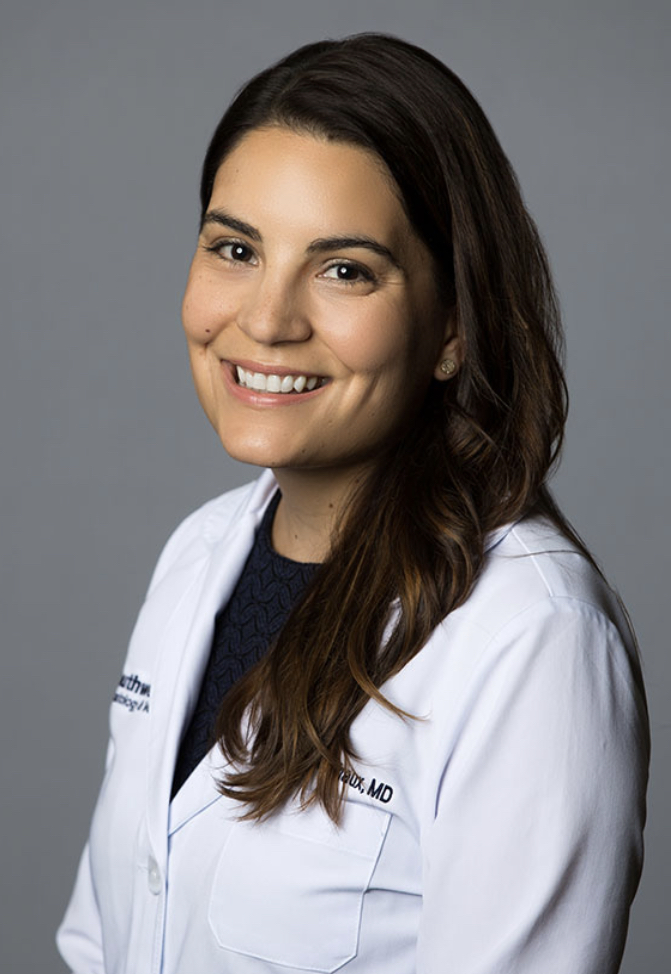
In this commentary, Mikael Horissian, MD, MBA, and Venessa Peña-Robichaux, MD, answer questions posed by healthcare professionals (HCPs) during a live symposium titled “A Seat at the HS Expert’s Table: A Master Class in Diagnosis and Treatment Advances for Hidradenitis Suppurativa.” Learn about specific considerations for diagnosing and assessing patients with hidradenitis suppurativa (HS), planning treatment for those with certain comorbidities, and employing the latest biologic therapies to improve outcomes.

What role does a timely diagnosis play in the clinical course and management of HS?

Mikael Horissian, MD, MBA:
The recurring nature of HS and the specific locality of flare-ups would support a diagnosis. But the impact of untreated disease can be multifocal. It may be that patients and/or HCPs do not understand HS, what causes it, how to make an accurate diagnosis, or the risk of recurrent infections. That leads patients to receive inappropriate treatment or to not seek the right HCP like a dermatologist or HS specialist for treatment. 

Timely diagnosis plays a huge role in the management of HS. That is because once this disease gets to a point where there is much scarring and tunnelling, it is hard to reverse. In my opinion, it actually is impossible to reverse scarring and tunnelling. The earlier we can start people on appropriate treatments, the earlier we can stop the cataclysmic cascade of inflammation and scarring. Modern therapies allow us to now prevent this disease from worsening, which is disease modifying in a sense.

Do you find that you are usually the first to make an official diagnosis in your patients with HS?

Mikael Horissian, MD, MBA:
In my practice, I have had many patients who “diagnose” themselves. Their primary care HCP might have told them that their issue was just an infection, but then they find out about HS on social media or the internet.

What is the average time to diagnosis for patients with HS? And what comorbidities matter the most when planning treatment?

Mikael Horissian, MD, MBA:
It depends on when you catch patients. If you look at the average, most patients experience a delay in diagnosis of 7-10 years. I find that many of my patients are getting diagnosed earlier, whether or not that is because we have done good work in teaching primary care and/or the general public with things like social media. I feel like that significant delay is going down now.

Regarding comorbidities, delays in diagnosis are not necessarily decreasing for these patients, in particular, for those with obesity, current smoker status, polycystic ovarian syndrome (PCOS), and metabolic syndrome. HCPs should be aware of these key comorbidities because some of our HS therapies can help with more than 1 condition/disease. I also find that many of my patients are not necessarily seeing a primary care HCP, so I function as one. Connecting them back with primary care can be helpful for addressing comorbidities as well.

For patients with HS and comorbid prediabetes or diabetes, I potentially would start them on metformin to help with both HS and prediabetes or diabetes. If patients are already receiving metformin, HCPs may consider increasing the dose. In turn, for patients with HS and comorbid PCOS, I first would consider if patients were having HS flare-ups with their menstrual cycle or is that pattern more so irregular? These patients might benefit from spironolactone, which could help with some symptoms of PCOS and hirsutism. Depending on patients’ age and other comorbidities, oral contraceptives could be a good option, too. There are several different options that HCPs can leverage, depending on the comorbidities that need to be considered in addition to biologics.

HS is an inflammatory skin disease. What is the impact of inflammation on other body systems?

Mikael Horissian, MD, MBA:
People often think dermatologic disorders are only skin deep until we find out there is more to them. Like psoriasis, we found out through research that HS is a systemic inflammatory skin disease. People also can have other inflammatory conditions like inflammatory bowel disease, ankylosing spondylitis, and other inflammatory joint diseases. Furthermore, a lot of patients with HS, particularly those with severe disease, have leukocytosis and/or anemia, so the impact of inflammation on other systems is definitely prevalent. 

Can you explain Hurley stage IB/C? Is this clinically helpful for health insurance approvals of treatment?

Mikael Horissian, MD, MBA:
I personally do not use the modified Hurley staging system because it is a bit cumbersome. However, I do think it is better at classifying HS than using the simple stage 1, 2, and 3 system. Regarding health insurance, I find that they are looking for the word “moderate” or “severe.” I will usually add that to my visit note and any descriptions of what patients are going through and how it affects their life. In that regard, I have not had an issue with getting approval from patients’ health insurance.

Other than the Hurley staging system, what else have you used for diagnosing and classifying HS severity?

Mikael Horissian, MD, MBA:
I do not classify disease severity based on my own impression of the patient; rather, I base it off how patients describe their disease. I ask them questions like: Is this keeping you from going to work? How many days have you had to call off work in the last 3 months? Is this keeping you from doing what you want, such as eating out at restaurants, going to the gym, or being intimate? When I ask these questions, patients will sometimes break down in tears and tell me that they have not been able to go to work or be with their partner. If HS is changing their life negatively in any way, then they are at moderate severity at least, if not more. If patients experience 1 flare-up per year and it does not bother them at all, it is okay for them to take antibiotics for a couple of weeks when that happens. That is considered mild disease. But many patients with HS fall into the moderate to severe category.

Furthermore, HCPs can misjudge patients if they base disease severity solely on what they are seeing in appointments, and that is for multiple reasons. We have our own biases, and HS is a disease that changes day to day. We do not always see patients at their worst moment during a visit. They may have flared up a week ago and not the week that we have an appointment scheduled. That is why I use patient-reported outcomes to determine how much HS is affecting them and notate their severity in my visit notes.

I know HCPs use different systems; I usually do not unless patients’ health insurance tells me that I need a specific measure. The Hurley staging system, HS-Physician Global Assessment, and International HS Severity Scoring System are all helpful measures, particularly in clinical trials. But in a busy dermatology clinic, counting every single abscess or nodule is not always practical. That is why I base disease severity and treatment response on what patients tell me and what I can see in clinical photographs. I do take clinical photographs at every visit and compare those over time. But again, those visits and photographs are just one snapshot in time.                                                                                                

To the point of this question, one would not go backward in their Hurley staging. Therefore, it is not a great system other than assigning the disease a number in terms of severity to get health insurance approval. Are patients experiencing fewer inflammatory lesions? Are they having less frequent flare-ups? How many flare-ups do they have in a month? Those questions let me know if patients are getting better with their treatment.

Do you find that certain drug classes work better for specific morphology types in HS? 

Mikael Horissian, MD, MBA:
Potentially, yes, but more data are needed to prove that and not just anecdotal evidence. For example, IL-17 inhibitors are more efficacious at draining tunnels than TNF antagonists. But data are needed to confirm that association.

Venessa Peña-Robichaux, MD:
This is a great question. Right now, we do not have the data to support using specific biologics based on morphology types or clinical phenotypes. But in considering inflammatory vs follicular phenotypes in HS, I have seen patients with a follicular phenotype experience more comedones and acneiform lesions. In these patients, I tend to add systemic retinoids as adjunctive therapy, which can be helpful.

Otherwise, it is difficult to say whether patients are going to respond more to an IL-17 inhibitor or TNF antagonist. What I often tell my patients is that we must give it a try and see how it goes. There also is some evidence that suggests IL-23 inhibitors may be helpful in certain patient cases, but that would be an off-label use, and it is difficult to get FDA approval for off-label agents without a dedicated clinical trial.

For patients who are going away to college or traveling, should HCPs debrief them before or after starting a biologic? Can patients give themselves their own shots?

Venessa Peña-Robichaux, MD:
When you have patients who are going away to college, for example, HCPs must think about all of these questions. If they are going to administer their own shots, do patients have access to a refrigerator? If patients have severe disease and need something more than an injectable, is there an infusion center nearby their school or dorm?

As far as surgery goes, I have some patients who are surgical candidates and timing is incredibly important here. Patients do not want to have surgery during spring break or right in the middle of a semester. Therefore, we must plan for these things and have those discussions with them.

What is the highest dose of adalimumab that HCPs can use for HS?

Mikael Horissian, MD, MBA:
There likely is a specific answer to this question as it relates to safety, but I do not know what that dosage is. In my practice, I have had patients who needed double the FDA-approved dose. It sometimes is hard to get that approved nowadays since there are other treatment options that you can switch to. But I do not go above that dose; double is my max dose for adalimumab.

HCPs also can check the adalimumab and antibody levels in patients, which is helpful for determining if the dose is the issue. Sometimes people metabolize it more quickly or they weigh more and need a higher dose. HCPs can look at their drug level to ensure patients’ bodies are not eating away at their treatment. If this is the case, you can escalate the dose.

The question about the correct therapeutic drug level in HS is also largely unanswered. It generally should be higher than what is used in inflammatory bowel disease, as I try to keep patients with HS above 20 μg/mL.

Your Thoughts
How often do you see newly diagnosed patients who have already learned about HS through social media? You can get involved in the conversation by answering the poll question and posting a comment below.

Poll

1.

How often do you see newly diagnosed patients who have already learned about HS through social media or other sources?

Submit