Ask AI
Seizure Control Podcast
Seize Control: Real-world Strategies for Personalized Rescue and Epilepsy Care

Released: December 18, 2025

Activity

Progress
1
Course Completed

In this podcast episode, epilepsy specialists Danielle Becker, MD, MS, FAES, and Sarah Weatherspoon, MD, discuss the personalization of the most recently available epilepsy rescue treatments for younger kids and their implementation by the patient care team.

Resources mentioned in this episode:

Link to Brain Health Hub with additional educational activities:
https://deceraclinical.com/content/brain-health-hub

Introduction

Hello, and welcome to this Decera Clinical Education Podcast. I am Tharanee, Scientific Director here with Dr. Danielle Becker, Division Director of Epilepsy and Associate Professor of Neurology at Ohio State University Wexner Medical Center, as well as Dr. Sarah Weatherspoon, Associate Chief of Child Neurology, Associate Professor of Pediatrics and Neurology, as well as Co-Director of the Tuberous Sclerosis Center of Excellence at University of Tennessee. This podcast is part of our 2025-2026 Seize Control: Real-World Strategies for Personalized Rescue and Epilepsy Care, supported by an educational grant from Neurelis. Please visit our show notes for links to other additional educational activities for epilepsy.

Now, let us get started and hear what Dr. Becker and Dr. Weatherspoon have to say about their experience with epilepsy rescue medication.

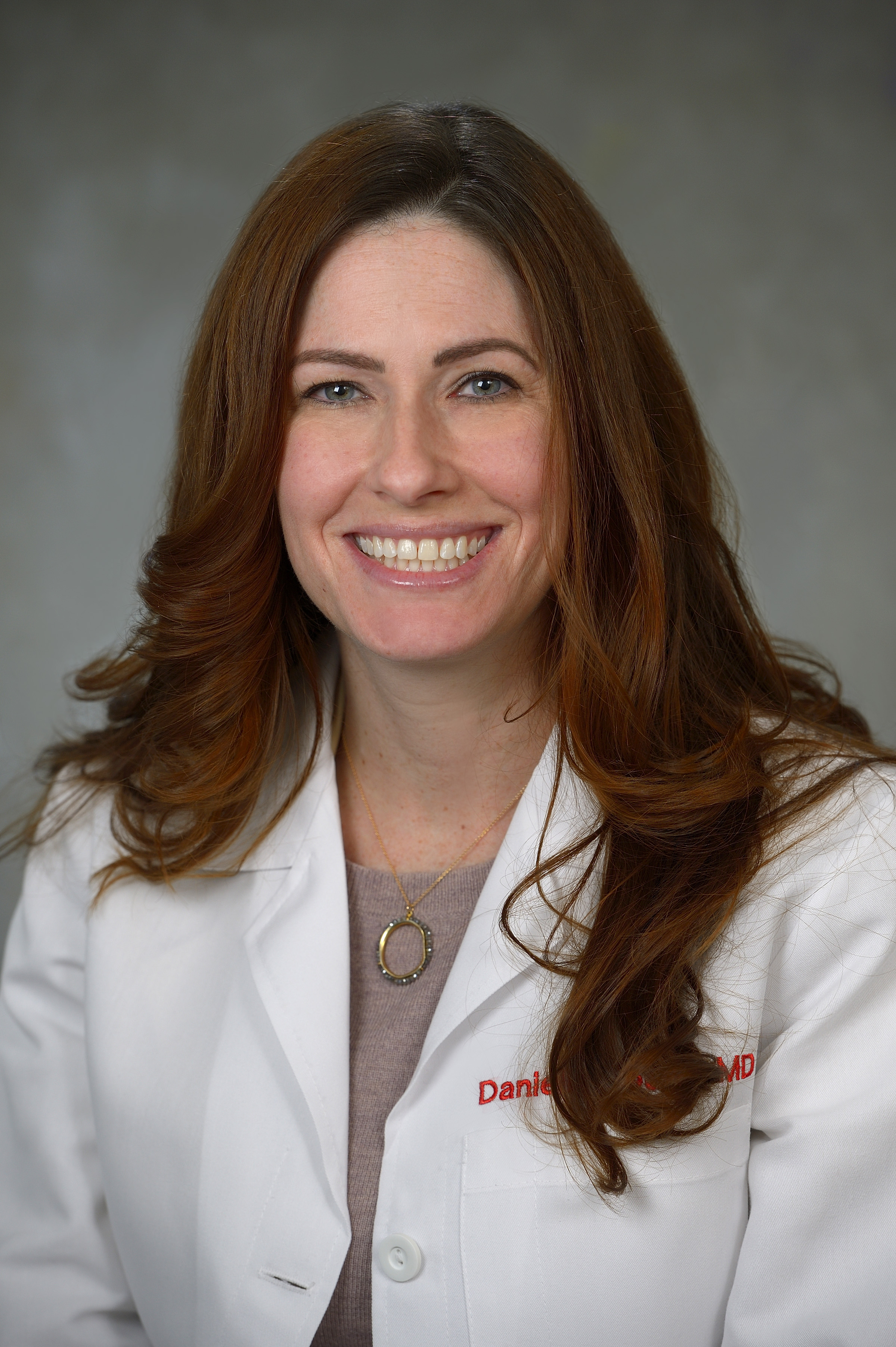
Dr. Becker (The Ohio State University Wexner Medical Center): I am an adult epileptologist and an Associate Professor of Neurology. I am the Division Director of Epilepsy at The Ohio State University Wexner Medical Center. With me today, I have Dr. Sarah Weatherspoon.

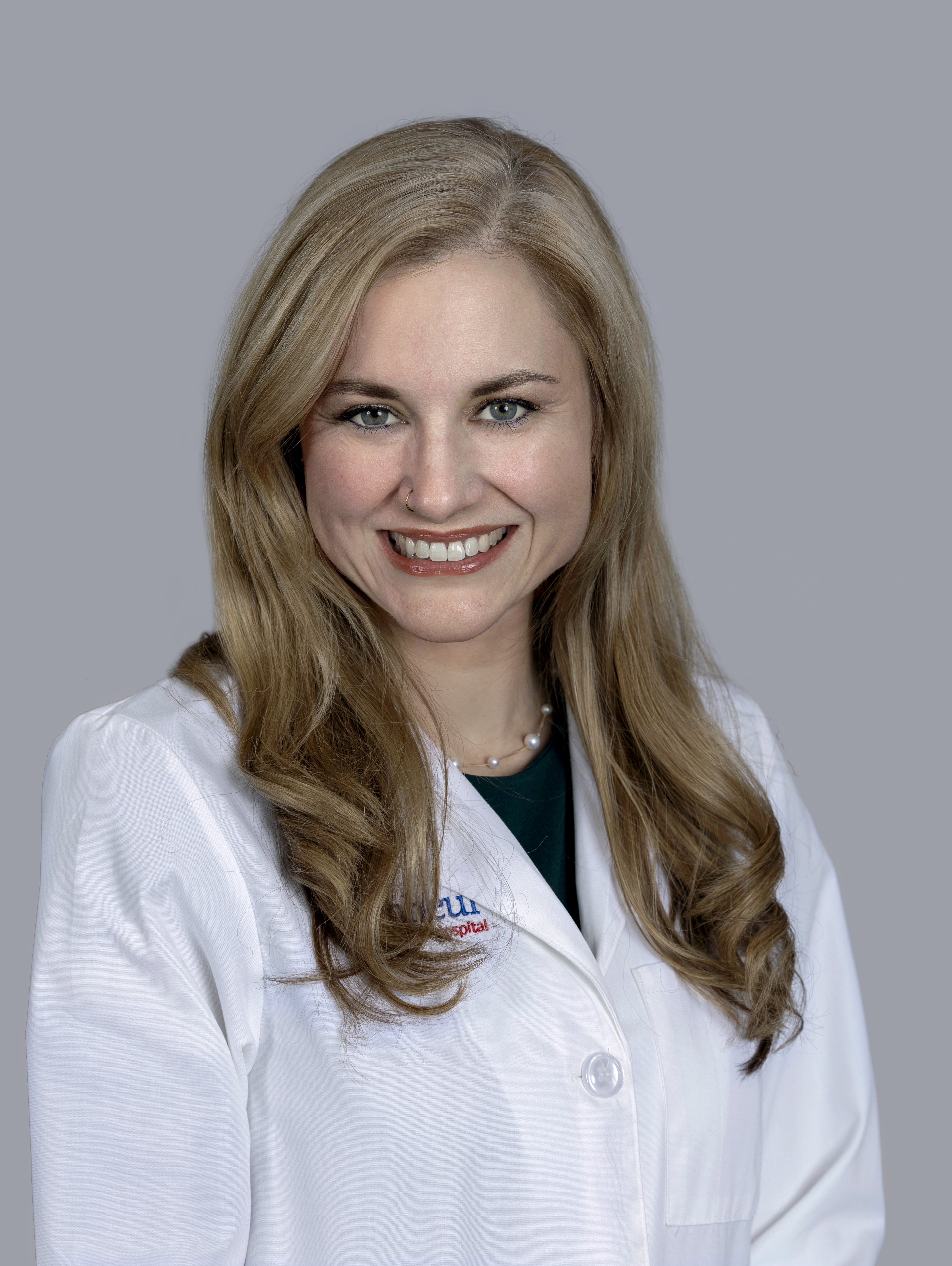
Dr. Sarah Weatherspoon (Le Bonheur Children's Hospital): Hi, Danielle. Great to be with you today on this important topic. I am Sarah Weatherspoon. I am a pediatric epileptologist. I am at Le Bonheur Children's Hospital, where I serve as the Associate Chief of Child Neurology and our Tuberous Sclerosis Center of Excellence Co-Director, and I am also an Associate Professor of Pediatrics and Neurology.

Great to be with you today.

Sarah, thank you so much for joining me today. The first thing that I would love to speak about is patient appropriateness, and especially given that you are a pediatric neurologist and I see adults, I would love to see how you determine who is appropriate both for seizure action plans as well as seizure rescue medication.

Dr. Weatherspoon: That is a great question, Danielle. In my mind, everybody who has epilepsy, or sometimes called seizure disorder, deserves to have a seizure rescue medication or emergency medication. And anybody who has one of those medications by default needs some sort of action plan so that they understand, as well as their caregivers understand, when this medicine should be given. And that is especially important for our pediatric population, who are going to a variety of places, whether it be school, an afterschool program, a summer camp. There are so many places that children may interface with various caregivers, and wherever they go, they need that seizure action plan to follow them wherever they may be.

And then tailoring what is the medication that is right for that patient. There are different routes of administration, different types of molecules or drugs that may be used, and really figuring out what is unique about that patient. What is unique about their seizures? And how do we craft that medication and that plan around them? And I think that individualized care is what is so important as we are treating seizure emergencies.

Dr. Becker: Absolutely. I could not agree with you more. And I always say that I think our pediatric colleagues really have paved the way and taught us how to talk about seizure action plans.

In the adult population, in full disclosure, I think it took me a while to make sure that I talked about action plans and made sure that really everyone had the opportunity to have a rescue medication or an immediate-use medication. And so, what I will say is that in the adult population, we are not always prompted for our seizure action plans. For example, we do not have patients that are necessarily in school, but we do often need rescue plans for those who are in group homes or skilled nursing facilities.

And so, that really kind of called to action our need to explain what should be done in these emergency settings. When we think about who potentially is a candidate for a seizure action plan, as we said before, it is really anyone who has a diagnosis of epilepsy.

We have already talked about the school-aged children. I also would say anyone who has a history of a cluster of seizures, a prolonged seizure that is different than their baseline, status epilepticus, you know, someone who has had a generalized convulsion or tonic-clonic seizure. But really, it can also be people who may not have had seizures for a year or two, but still need to know what happens in the setting of that breakthrough seizure. People who need help identifying their seizure patterns, people who may live far away from a medical facility.

And you highlighted it well that each of these plans really need to be tailored to the individual needs of the patients and the caregivers, especially those that are in high-risk situations.

Dr. Weatherspoon: You know, Danielle, one group of people that I do like to take some extra time with to talk about this are people who are transitioning from the pediatric time period into that young adult period, when they are moving from going to a school that requires a seizure action plan, as all public schools do. And many private schools also will want a seizure action plan on file for that child. But then, as that patient of mine is transitioning to college, that is a time where I really like to talk with them about what is their plan? Who will be living near or around them? Who do they feel would be trustworthy to share this information with about their seizures and about their seizure action plan?

Because we know that is a time period where a lot of things are changing, that certain things can predispose people to have a seizure occur, things like sleep deprivation or, of course, a missed dose of medication. And these are young people who are learning to have that independence. And that is wonderful. But at the same time, I want to make sure, and their parents typically want to make sure they are going to be as safe as possible.

I think having that seizure action plan during that time period is just as important, if not more so, than when they are in this more constant supervised area of being in a school setting. So the schools actually help us make sure that we follow through with having really good seizure action plans. And I really like making sure that with that seizure action plan, I am thinking about the patient. Do they need something standardized, like maybe a seizure longer than three minutes? Or what is a cluster of seizures for that patient? Those are things that we really need to define, because the school really wants to know exactly when they need to give it.

And this also applies to our young patients or older patients who have maybe a home health nursing situation. Home health nurses are amazing, but they really want to understand when is the right time to give that medication. So that is another time where I found that we really need to have a more detailed discussion about a seizure action plan. It is when you have these other caregivers that are healthcare professionals, but they need to know that unique patient situation, and it is not a one-size-fits-all.

Dr. Becker: Absolutely. And I think you highlighted an important point that if someone has an action plan as well as a rescue medication, they really have to understand when to use it. And if they do not understand what a cluster of seizures means, if they do not have a full understanding of when is the time to use this or how best to use this for their own patterns.

So I will say that, especially in the adult population, I really like to sit down and have different action plans depending on where they are going to be. So they might be at work, they might be at home, their kids might be around. And so I think it is really important to talk about all scenarios and have it spelled out for them.

I always say when I am talking to patients with epilepsy and caregivers is that I cannot necessarily take away the unpredictability of when that next seizure is going to happen, but I can give you something predictable to do in an unpredictable world. So if a seizure does happen, you know exactly what to do. And if you are taking them to the ER, you have the plan to hand them; they know what has been discussed with your providers.

Because I do think that is an extremely stressful situation. And when you know what to do, it actually helps reduce some of that stress and actually also promote the best care in that setting.

Dr. Weatherspoon: I agree, having something on hand so that wherever that person may be, we want people to enjoy the fun that comes with going on vacation, going outside of their usual circles. You know, also I have patients who come from many states away. They have to drive through a lot of areas where it would not be easy for emergency physicians or an ambulance to get to them as they are traveling. And so how do I make it safe for them to be able to engage in those activities that maybe some people take for granted in our day-to-day lives. We can do those things, we can get on a plane, we can get on a cruise ship. But what do you do if that child or that adult has epilepsy? How can they also engage in those same activities that everybody should be able to enjoy and be able to do that safely?

And so having that available, especially something that is handy, something that can be put in your pocket, put in your purse, put in the backpack, and be kept safely by a trusted adult, those are really critical to know that that can go with them wherever they go. And that, hopefully, if given appropriately, will be just as effective as if an emergency personnel was right there with them starting an IV. We want medication that gets into their system quickly, is absorbed appropriately, and does the job it is supposed to do: stop the seizures.

So I agree with you in all respects.

Dr. Becker: So that brings up another question that sometimes arises: is there a particular type of epilepsy that would warrant a rescue medication over a different type of epilepsy? Or who should we be talking to this about? And I know we have brought this up before, that really everyone, regardless, should have an action plan because you never know if that seizure might become more severe. But the other thing is really the rescue medication.

And so I would love to hear your thoughts about different types of epilepsy and where you think is the best utilization of a seizure rescue medication.

Dr. Weatherspoon: Absolutely. I mean, I think we all recognize that a seizure that has a big convulsive or jerking component is going to be a very dangerous type of seizure, that there is an increased risk of SUDEP, or Sudden Unexpected Death in Epilepsy, with those kinds of seizures, that apnea or the absence of breathing may occur with these big convulsive seizures. So we want to stop those as quickly as possible.

That seems pretty straightforward, but really any type of seizure has the potential to be dangerous. And any seizure has the potential to cluster, whether it is classic absence seizures or brief staring seizures. I guess maybe I have a bit of bias here, but so many patients that I take care of and children I take care of at some point will have potentially a convulsive seizure.

And so, I want them to have something on hand in case their seizures were to change in their type, but also knowing that seizures can cluster, that even though sometimes people may occasionally have just one seizure at a time, that some people I take care of, especially during the winter season, when there is a lot of respiratory illness going on, that is a time where all of a sudden I will see somebody who was previously well-controlled show up with a cluster of seizures because their seizure threshold has been lowered by that illness. And of course, we see that across the whole age spectrum, but you can just imagine, pediatrics, children get sick a lot. And so, we really have to be vigilant about that and prepare families that, yes, maybe you do not usually need a seizure emergency medicine, but there may be an instance where you do need it.

We know even focal seizures could cause apnea, focal seizures can be prolonged, and they can also progress to generalized seizures. And that is where we want to try to terminate it before it gets to that very dangerous, potentially deadly point. There are some people I take care of who wake up, and we know their pattern is when they wake up in the morning, they may have a cluster of absence seizures.

And when they have that particular pattern, by history, we know that that particular child goes into a convulsive seizure eventually at the end of that cluster of absence. Well, I want to have them intervene before they ever even get to that dangerous point that likely will end them up in the emergency room, potentially having hit their head, dislocated a shoulder, etc. We want to terminate it early.

So for those people that I know, their pattern may be a cluster of absence seizures, which in and of themselves are not typically considered dangerous. That is a time where we can intervene before they get to that more dangerous standpoint. So that is when I might recommend giving it for that seizure type as well.

What about you?

Dr. Becker: So I agree with everything you said. I think it is important that we note that there are some seizures that are more severe than others. But the bottom line is that we know that epilepsy is a progressive disease. We know that over time, seizures can become more severe and progressive as well. But we also know that the best chance of stopping a seizure that may progress is as soon as possible. In fact, we have status protocols that start with benzodiazepines right away for this reason.

And so I agree with, you know, it really depends on the person's pattern. Even those with focal aware seizures, if they can cluster and then progress to focal impaired awareness, we really have to tailor the individual seizure action plans to keep the seizures from progressing to something that could cause more harm and potentially death.

And I think that really lends well into us sharing our practices of how we prescribe rescue medications. So I will say that we are going to talk more about seizure action plans and the components that we would put in them in a future text module. So here, we are going to focus just a little bit more on, you know, what we might do in our own practice as far as management, but we will go into that a little bit further.

But to come back to what we say to patients, depending on how often they have seizures. So, you know, if someone has Lennox-Gastaut and they are having multiple seizures a day, I may have a different conversation.

But most of my patients are having less than five seizures a month. And if that is the case, I really will try to identify when or where in the algorithm and in the progression of the seizure, if it is going to stay focal aware or if they have a cluster of two or more seizures in 24 hours, really when they should administer the seizure rescue medication. And I would say that often, I am telling them to administer as soon as possible, really to prevent that progression, but also to empower them to give them peace of mind for the families and the patients.

I know personally, you know, when you think about a loved one that may be having a seizure, I think it is very difficult to ask someone to time it and wait when you know it may progress and they might get hurt. And we also know that the sooner or the quicker we give the rescue medication, the sooner the seizure stops. So I will often say, depending on their pattern, to take it as soon as either the patient notices something or the caregiver does to try to stop it as soon as possible and get them back to their baseline and back to living as soon as possible.

Dr. Weatherspoon: I agree. I think one of the tricky things that we underappreciate probably as providers is that seizures are often going on a bit longer than is typically recognized from the time point where a caregiver may start timing it. They may be well into the seizure for one or two minutes or longer.

And so that traditional teaching of give it for a seizure longer than five minutes, I think underestimates our ability to detect the seizure onset. And we see that often in our epilepsy monitoring units or in our epilepsy surgery patients, where we can actually see seizures happening and starting long before there are clinical symptoms or physical symptoms. And so I tend to err on the side of giving it sooner rather than later in those particular patients as you described, because I do think it has been going on longer than recognized.

And we know that the seizure rescue medication given within five minutes or less is more likely to be efficacious. And so we have to assume, I think, that there is time that was unwitnessed seizure. Certainly if I have somebody or when I am talking to families, I will express to them that if you walk in to go wake your child up for school one morning and you are realizing they are in a seizure, you need to go give the rescue medicine right away.

If we do not know when the seizure even started because it was unwitnessed, then we need to assume that medication should be given. And what I get feedback from families is A, a sense of empowerment like you referenced earlier, the sense of I can intervene myself. I do not just have to sit here and watch my child suffering from a seizure.

But also, I think beyond that social emotional component is the physical biological component where families will also express to me that because they gave the medication sooner, their child recovered from the seizure faster, that their breathing was not as affected. They did not have that agonal breathing that sometimes happens in seizures and that they came back to their baseline quicker as well. And those things are so significant when you think about quality of life and living with epilepsy and getting back to living, getting back to routine activities, to school, to sports, to being with friends. We want to get back to that typical stance that they are usually used to being in.

So giving it sooner, I think has a lot of evidence behind it. I think families see a lot of benefit from it. And I think it also helps keep patients safely at home rather than having to tap into an emergency room sorts of situations where there may actually be a delay in care sometimes just because there is such an overburdened system.

Dr. Becker: Absolutely. So that also makes me think about the stigma that is also associated with seizures, and especially generalized tonic-clonic or focal to bilateral tonic-clonic seizures. Another reason why you really do want to intervene quickly and prevent that for the morbidity and mortality that is associated, but also for the emotional burden and fear that is associated with those types of seizures as well.

And I will say that, over the past 25 years, we have had one FDA-approved rescue medication, which was rectal diazepam. And then in 2019 and in 2020, we had two additional rescue medications come to market with the nasal formulation. And so, I do think there is something to be said with the changes in acceptable route of medication.

We do know that the FDA actually deemed the nasal diazepam form as clinically superior to the rectal diazepam form for those ease of administration, not only for the patients, but also for the caregivers. And so I would love to get your thoughts as well on some of these medications, especially because of the ages that are associated and approved for use, and also with recent expanded indications for use down to two years of age for some of the medication.

Dr. Weatherspoon: Absolutely. Having emergency medicine, period, has been such an important thing for the epilepsy community. So to your point of having any option, starting with rectal diazepam that was FDA-approved, where you know that you are giving a standardized dose and have a certain expectation of efficacy, meaning will it work or not.

But I think there are a lot of constraints around that, especially for maybe some of our, some of my teenage patients or young adults, the idea of being giving something rectally or receiving something rectally has a lot of social connotations for them. And I think for parents as well, there are some considerations around how they feel about their child's privacy when they are in a public setting like a school, or a grocery store, or a movie theater. And so, also knowing that that parent might not be the one giving the medication, especially in the school scenario, who is giving it, who is available to do that, and who is around, and how do we protect that child's privacy? It is such an important issue.

So the intranasal formulations have really been a game-changer, I think, in expanding people's comfort with giving rescue medication and therefore also increasing the use to the point of terminating seizures more quickly. And again, keeping people safely at home and not needing to go to the emergency room.

For us, intranasal midazolam and intranasal diazepam, both are available for many of our patients, especially for 12 and up. However, it was our youngest pediatric patients that we also saw a huge need for something that was intranasal. And when I talk to families about the ability to have an intranasal medication at home, their eyes light up and they say, yes, of course, that is what I want. Of course, that is what I would prefer to have.

And for our youngest patients down to two years of age, we have intranasal diazepam. And so being able to even send our preschool children to their settings, whether it is daycare or prekindergarten or to a babysitter's home, to know that they also have an intranasal option and do not have to have the constraints that come with the privacy concerns around rectal medication is a game-changer.

And so being able to offer that across the board to almost all of my pediatric patients is a big deal for both me and for these families.

Dr. Becker: So I agree as well, especially with the adult setting, really at work And so there are patients that want to figure out, you know, if they get it, or do they need to leave work? Do they need to stay in their office? Sometimes again, that privacy really plays into hand of who knows they have seizures and what to do in that emergency. And that really hits home as well when you talk about these medications, not only their use, but how long they are impacted.

And so in clinical trials, both for the rectal diazepam and the rectal midazolam, they have been shown that patients will return back to their baseline within 60-90 minutes.

And so those are questions as well that some of our patients who are working may ask in that setting if they have a seizure cluster or a severe seizure at work. And so I also think that this is something that really needs to be highlighted. And specifically when talking about different routes of administration, what gives them the best empowerment and freedom and ability to really live in their everyday lives, as we have talked about before, with the least amount of limitations?

Dr. Weatherspoon: Absolutely. And safety is such a huge issue too. So I think both you and I have patients who have limited mobility, who may have other sorts of processes going on, like maybe cerebral palsy, maybe they are in a wheelchair for mobility, for example. And it can be very physically challenging depending on a person's size and their caregiver size about how do I get this person into a position to even give something rectally? That becomes a physical hurdle that has to be crossed.

So knowing something can be given intranasally, where that patient can be in any position, they can be lying down, sitting up in the wheelchair, in their bed, and it is easy to give no matter who their caregiver is, is so important because it would be very physically challenging for a lot of caregivers to administer something rectally to somebody who is of an adult size.

And so, I am thankful for these intranasal options because it bypasses that physical hurdle.

Dr. Becker: Agreed. And it also helps with the fear from the caregiver. I mean, I think we both can speak to even in our own office visits. If someone were to have a seizure with either of us trying to lay them down carefully, gently on the floor, pull their pants down, give them a rectal administration, it can be very difficult. And it also adds more time as well. And so, we know that there is also potential variability of how much of the medication may get in.

So I think that these are all considerations when we are talking about formulations, not only in the absorption or variability of the medication that is getting into the system, but also really the role of the caregiver and the administration and the ease of administration and also, reduction of stigma for our patients.

So my next question is, so we have talked about that there is currently three FDA-approved rescue medications. We talked about the intranasal diazepam, the intranasal midazolam, and also the rectal diazepam. What other future developments and directions regarding rescue medications or other things that are coming ahead that you are excited about?

Dr. Weatherspoon: I think having multiple routes of administration is an important option. So the inhaled alprazolam that is under investigation will be interesting to see how things go with that. Sometimes there are considerations that a family may have around giving something intranasally. They may ask, you know, does this work if my child has chronic congestion, if they have sinus disease. And fortunately, we know from the data that those sorts of physical differences in the nasal mucosa do not seem to actually affect the absorption rate of these intranasal options. So that is been a relief that we can bypass that.

Again, rectal is not appropriate for everybody. If they have extreme immunosuppression and oncologic setting, that is not appropriate. So again, finding other routes of administration, I think, is really important.

Having something that we could offer down to as young as two years, which was a recent approval as of this year for intranasal diazepam was huge, because that was a population where families were eager to have that option, but we just could not offer it to them below the age of six years up until recently. So that is also, I think just seeing how that age indication has expanded recently has really changed our practice quite a bit. What are you about excited about seeing?

Dr. Becker: I always like to take a step back and say that for years, we have been very good at the chronic management of seizures. But at least in the adult population, we definitely could have improved on how we manage acute seizures. So we put you on different seizure medications to really try to stop the seizures down the road. But what is happening in the everyday moment when that seizure is happening? What are we doing to try to stop it as soon as possible to reduce the accumulation over time of potential neurological damage? And so I really think that when we are treating a population, we have to take together the acute management and the chronic management.

So the things that I am excited about are similar to what you said, with more modalities, more formulations, more opportunities and options for our patients. I think that the more that we are talking about seizure action plans and rescue medication, the more adoption there will be. I will say as an adult provider that we are on the right track and we are increasing our usage, but we are not there yet.

And I think it is really important for us as providers to put ourselves in the shoes of either the patients or the caregivers, right? So that we at least discuss it with everyone and give them the option to recognize the empowerment that this gives our patients and our caregivers and the ease of interacting more socially, the reduction of stigma, right? Something that gives them predictability in this unpredictable world, something that helps reduce that fear of when the next seizure is going to come or reduce that emotional burden.

And so when I talk about excitement, I am excited for the future innovative technologies that are going to come, but I am also really excited for our patients because I think the more that we talk about this, the more patients will be offered this and the more patients will have reduction in morbidity and mortality and empowerment of taking control of their seizures as best they can in this unpredictable world.

Dr. Weatherspoon: I agree. I think one of the things that we take for granted is that in our day-to-day lives, we think, okay, if I do all these things right, then I will have a particular outcome. If I study hard for this test, I will pass it. If I work hard at work, I might get a promotion.

Our patients with epilepsy can be doing everything quote-unquote right, meaning take their medication consistently, get good sleep, avoid their triggers, whatever those may be, whether it is alcohol or whatnot, they may be really following all those rules, and a seizure can still occur. And that unpredictableness is what is so jarring, I think, especially to us as humans, because we like to know what is around the corner, what is going to happen next. If I make these decisions now, will there be a payoff? Will things go well for me? And that is one of the major downsides of epilepsy is, as you put it so eloquently, the unpredictableness.

Giving people something empowering takes that back under their control. And I think that is so important to human nature, to feel that we have this autonomy over our lives and our decision-making and we can control our futures. And so I think giving that to patients really is such an important part of autonomy, which we talk about so much in medical care.

And I am grateful for that and how that is changed things, that we are not reliant on where somebody lives. Do they live close to a medical center? Do they live in a big urban area? Do they live in a rural area? Do they have a caregiver who can start an IV or knows how to pull medication up from a bottle to a needle and then add attachments to it? None of that should be required to make these things easy or facile for people to engage in and to be able to provide the same level of care to their child, no matter where they live, no matter their socioeconomic status.

And I think that is a big piece of this is knowing that these medications are often covered by most insurances, especially our state-based insurances, because I am a firm believer, as I know you are, that having equitable access is so important. So I am really see how also insurers as well as the manufacturers of these products have stepped up to try to make this accessible as possible to everybody. There are, I know, always gaps as we are to fill those gaps in medical care, but it is so important to me that all of my patients, and I see this particularly in pediatrics, are typically able to have access to these medications regardless.

Dr. Becker: You just said something that reminded me, I often quote you. And so when we are talking about mechanisms of action, routes of administration, we also talk about efficacy, right? How quickly it may get into the system or stop the seizure.

And so I remember you had said something once when we were talking about bioavailability of medications and that some of these nasal sprays have a very similar bioavailability to their IV formulation. And essentially that is having something that is almost as efficacious as an IV formulation at home that can protect them and keep them safe and keep them ideally even out of the ER, in the safety of their home where they can be looked out for and they can return back to their baseline and return back to living as soon as possible instead of having to potentially have a prolonged seizure with increased injury, with ED visits, with possible hospitalizations.

And so I would say that with COVID, this really hit home the necessity of needing to have better access to rescue medications at home to help stop the seizures as soon as possible, reduce the injury, reduce the ER visits and the hospitalizations. And overall, not only reduce the cost to healthcare, but really the cost to the families and the patients, and give them as much normalcy as they can in living with the disease of epilepsy and also the empowerment to try to control as much as they can, again, in, you know, a day-to-day life that can potentially be unpredictable regardless if they do even everything right and avoid triggers.

Dr. Weatherspoon: Absolutely. So I am curious to know when you are talking with a family or a patient, how do you craft the seizure action plan? What are the key elements that you look at? And how do you take that feedback from the parent or the patient themselves into it as you are making it to really make sure it is individualized to them?

Dr. Becker: Yes, so I think that is a great point. And we will talk about this a little bit more in the text module too, but the idea is to find out what type of seizures they have. Find out the progression of the seizure. How does it start? Do they have an aura? Does it stay focal aware? Does it progress to focal impaired awareness or a generalized tonic-clonic seizure? Do they cluster? And I think that is the first and foremost question that we ask. And then we really cater the individual action plan to those patients.

But I will also ask them, even if they say they have just focal aware seizures, does this impact your everyday functioning? Do you cluster? But I think really what hits home more than anything else is asking the individual characteristics of each patient, how their seizures progress, identifying, you know, the pattern and the progression of the pattern, identifying the triggers, and then working with them together to really formulate this plan that they feel comfortable with as well that will help keep them safe in these unpredictable circumstances.

Dr. Weatherspoon: I agree. I think that is what is so key is figuring out what for them constitutes a bad day. And sometimes I will use that phrasing, talking with families, because I think that resonates with, oh, they had a bad day of seizures today.

What was that bad day? And we can quantify that on paperwork, and we can quantify that when they, if they are admitted to the hospital and we need to let the nursing staff know when rescue medicine is needed. But I think families really have a good sense of what is that for their loved one.

Dr. Becker: Absolutely.

Dr. Becker: Sarah, it is always such a pleasure getting to talk with you. And I have to say that in listening to you, I always learn something that I take back to my own management.

So again, I really want to thank you today for joining me in this discussion. And I greatly look forward to working with you with the text module as well to further talk about key components of the Seizure Action Plan and prescribing of the rescue medication.

Dr. Weatherspoon: Thank you, Danielle. This was great. And as you said, I always learn a lot from you as well. Thank you.

Thank you very much, Dr. Becker and Dr. Weatherspoon, and thank you to the listeners for joining us. As a reminder, please click the link in our show notes to see previous and upcoming educational activities on epilepsy.